

Most people meet star anise in a bowl of phở or a pot of mulled cider long before they meet it on an ingredient label. It is one of the most visually distinctive spices in the world — a woody, eight-pointed brown star that looks more like something found on a forest floor than something grown for a kitchen. So when star anise extract turns up partway down the ingredient list of a botanical oral care formula, it is fair to wonder what it is doing there.
This is a plain-language look at the botanical itself: what the plant actually is, why the species on the label matters more than with almost any other spice, how an "extract" differs from an essential oil, and what star anise contributes to the aroma of a botanical formula. No claims, no mechanisms — just the plant.
Star anise is not a seed and it is not related to anise seed. It is the dried fruit of an evergreen tree, and the resemblance is a coincidence of chemistry, not botany.
What Star Anise Actually Is
Star anise is the fruit of Illicium verum, a small evergreen tree in the Schisandraceae family. It is native to southern China — Guangxi province is the historic heartland of the trade — and to the mountainous north of Vietnam, and it is still grown overwhelmingly in that same corner of Asia. A tree takes roughly six years before it fruits and can then keep producing for decades, which is part of why star anise has stayed a regional crop rather than a globally cultivated one.
The star shape is the fruit itself. Each of the eight (occasionally six or seven) points is a separate follicle, and each follicle splits open to reveal a single shiny seed. The fruit is picked while still green and unripe, then sun-dried until it hardens into the reddish-brown, woody star that reaches the market. Almost all of the aromatic character sits in the woody pericarp — the star itself — rather than in the seeds inside it, which is the opposite of what most people assume when they first handle one.
Star Anise vs Anise Seed: Two Unrelated Plants
This is the single most common point of confusion, and it matters when you are reading a label.
- Star anise is Illicium verum — a tree, and the part used is a dried fruit.
- Anise seed (or aniseed) is Pimpinella anisum — a small flowering herb in the carrot family, closer kin to fennel, dill, and caraway, and the part used is a true seed.
The two plants are not related in any meaningful botanical sense. They smell alike because they happen to share a dominant aroma compound called anethole, which is what produces that warm, sweet, licorice-like note in both. That shared compound is also why they are used interchangeably in some kitchens — and why a label that says only "anise" is genuinely ambiguous. A transparent formula names the actual botanical.
Why the Species on the Label Matters
Star anise is one of the few spices where species verification is a real part of responsible sourcing. Illicium verum has a look-alike relative, Japanese star anise (Illicium anisatum, known as shikimi), which is not a food spice at all — in Japan it is traditionally used as a ceremonial and incense plant, and it is not sold for culinary use.
The two dried fruits are similar enough in appearance that distinguishing them by eye alone is unreliable, and mix-ups in bulk commodity trade have been documented well enough that food safety agencies treat species identity as something to be verified rather than assumed. In practice that means a reputable supplier confirms botanical identity at the source rather than buying on appearance, and a reputable brand buys food-grade Illicium verum from a supply chain that does that verification.
None of that is exciting label copy. It is, however, exactly the kind of thing worth knowing about an ingredient, and a good reason to prefer formulas that name the botanical precisely instead of writing "anise" or burying it inside a catch-all "flavor" line.
Extract vs Essential Oil: What the Format Means
You will see star anise on labels in two broadly different forms, and the wording is not decorative:
- Star anise essential oil is produced by steam-distilling the dried fruit. Distillation captures the volatile aromatic fraction and leaves the rest of the plant material behind, so the result is highly concentrated and used in very small amounts.
- Star anise extract is a broader term. It generally describes aromatic material drawn out of the fruit into a carrier — often an oil or another solvent that is then removed — which keeps the material less concentrated and easier to blend evenly into a finished formula.
In an oil-based product, an oil-compatible extract is the practical choice: star anise's aromatic fraction is lipophilic, meaning it disperses readily into oils rather than water. That is the same reason the botanical fits comfortably into an oil pulling base and would not fit neatly into a water-based rinse.
Position on the ingredient list is the other thing worth reading. Ingredients are listed in descending order of quantity, so an aromatic botanical appearing partway down a list is present at the small percentage that aromatic materials are normally used at — which is precisely where you would expect it.
What Star Anise Contributes to a Botanical Blend
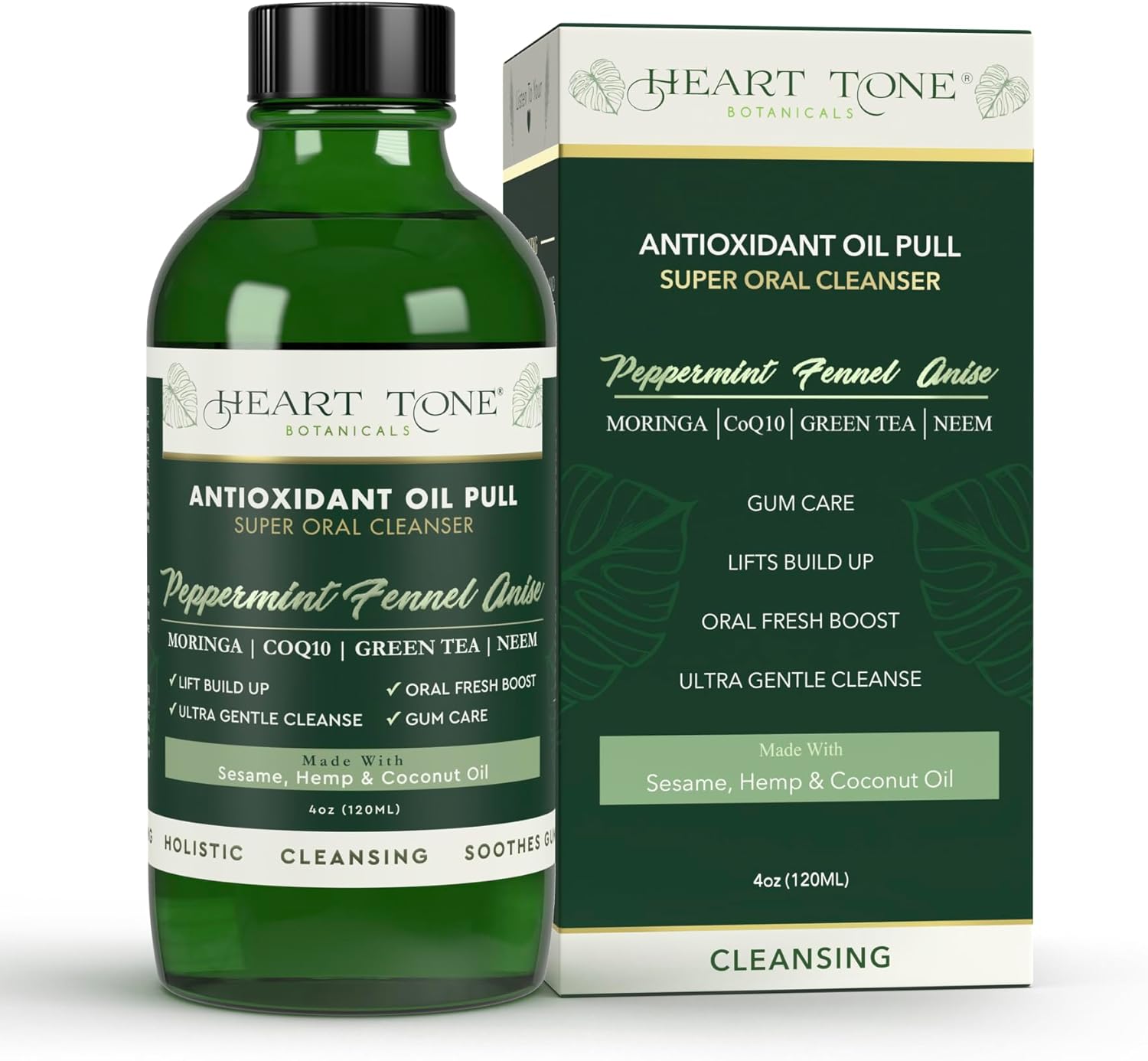
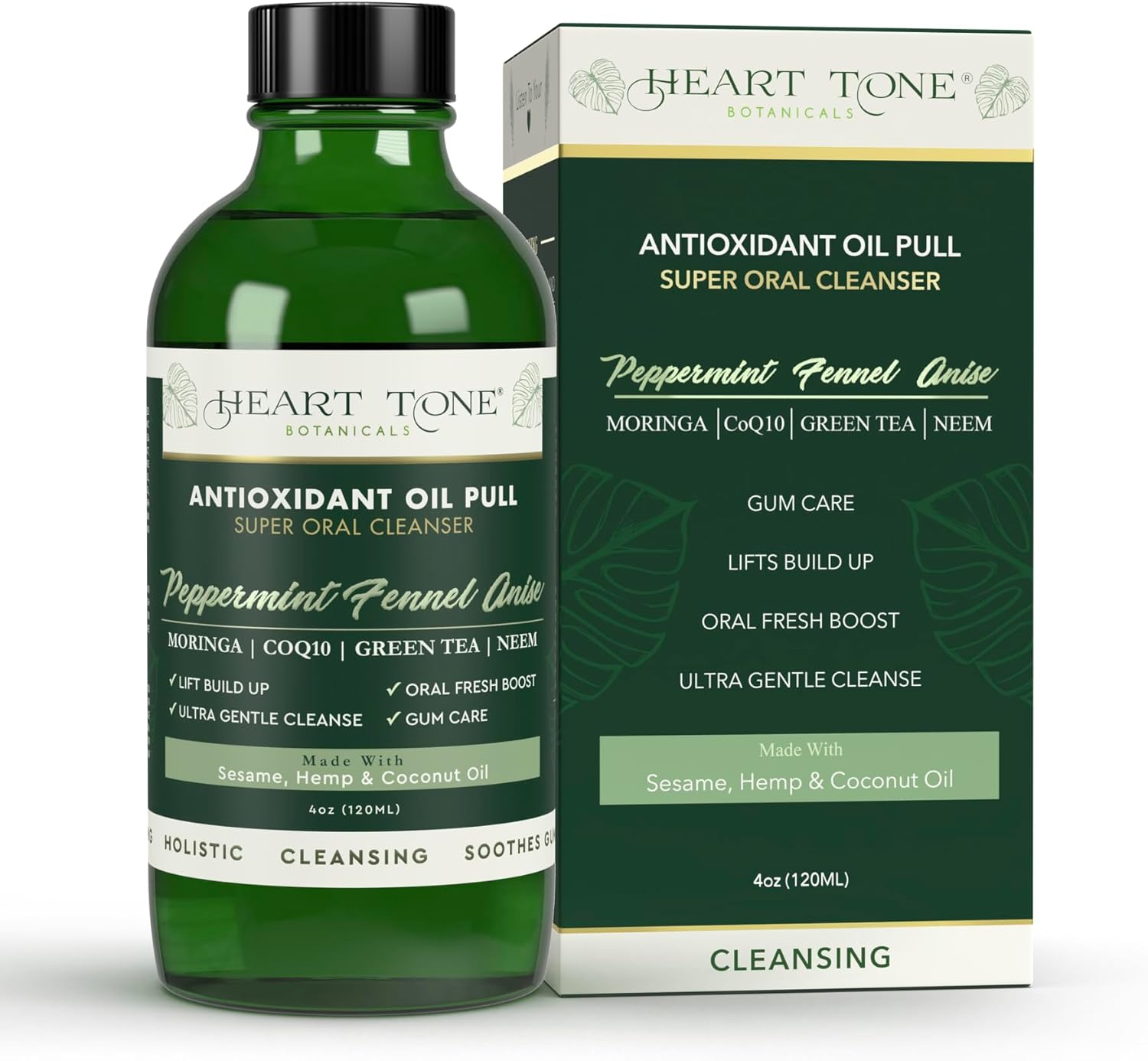
In the Antioxidant Oil Pull, star anise extract sits inside the aromatic layer of the formula rather than the oil base. The base is the fatty part — MCT coconut, sesame, coconut, hemp, camellia, and moringa seed oils. The aromatic layer sitting on top of it includes peppermint, spearmint, birch, and wintergreen essential oils, and star anise extract belongs to that group.
Its contribution there is sensory. Peppermint, spearmint, and wintergreen are all sharp, cool, high-volatility notes that hit immediately. Star anise is the opposite kind of aroma: warm, round, sweet, and slow. In a blend that would otherwise read as purely cold and mentholated, it works as a counterweight — the same role it plays in a spice cabinet, where it softens and rounds out sharper aromatics rather than competing with them.
That is worth saying plainly, because it is easy to assume every name on an ingredient list is there to do something dramatic. Some botanicals are on a list because of how a product smells and tastes, and that is a legitimate reason for them to be there. A formula you find pleasant is a formula you will actually use.
The Culinary and Traditional Context
Star anise has a long documented history in the cooking and herbal traditions of southern China and Vietnam. It is one of the five spices in Chinese five-spice powder, alongside cloves, Sichuan pepper, cinnamon, and fennel. It is a defining aromatic in Vietnamese phở broth, where whole stars are toasted and simmered for hours. It shows up across South and Southeast Asian braises, in European mulled wine and cider, and as a flavoring in confectionery and spirits.
That long culinary record is the honest context for the botanical: it is a well-established traditional-use spice with centuries of documented culinary history in its home region. What it is not is a novel compound with something to prove.
How to Read a Label That Includes Star Anise
- Is the botanical named? "Star anise" or "Illicium verum" is a named ingredient. "Natural flavor" is not — it can legally cover a long list of undisclosed aromatic materials.
- Star anise or anise seed? Two different plants. A label that distinguishes them is a label written by someone paying attention.
- Extract or essential oil? Different formats, different concentrations, different reasons for being in the formula.
- Is it organic? Certification covers how the crop was grown and adds a documented chain of custody back to the farm.
- Where does it sit on the list? Aromatic botanicals belong partway down. A spice near the very top of an ingredient list would be unusual.
Where It Fits in an Oral Routine
Star anise extract is one thread in a larger botanical formula, not a product on its own. If you want to see how the rest of that formula is built, the aromatic layer it belongs to is covered in more detail in our pieces on birch essential oil and oregano oil, while the fruit and botanical extracts in the same bottle are covered in pomegranate, sea buckthorn, manuka, green tea, and resveratrol.
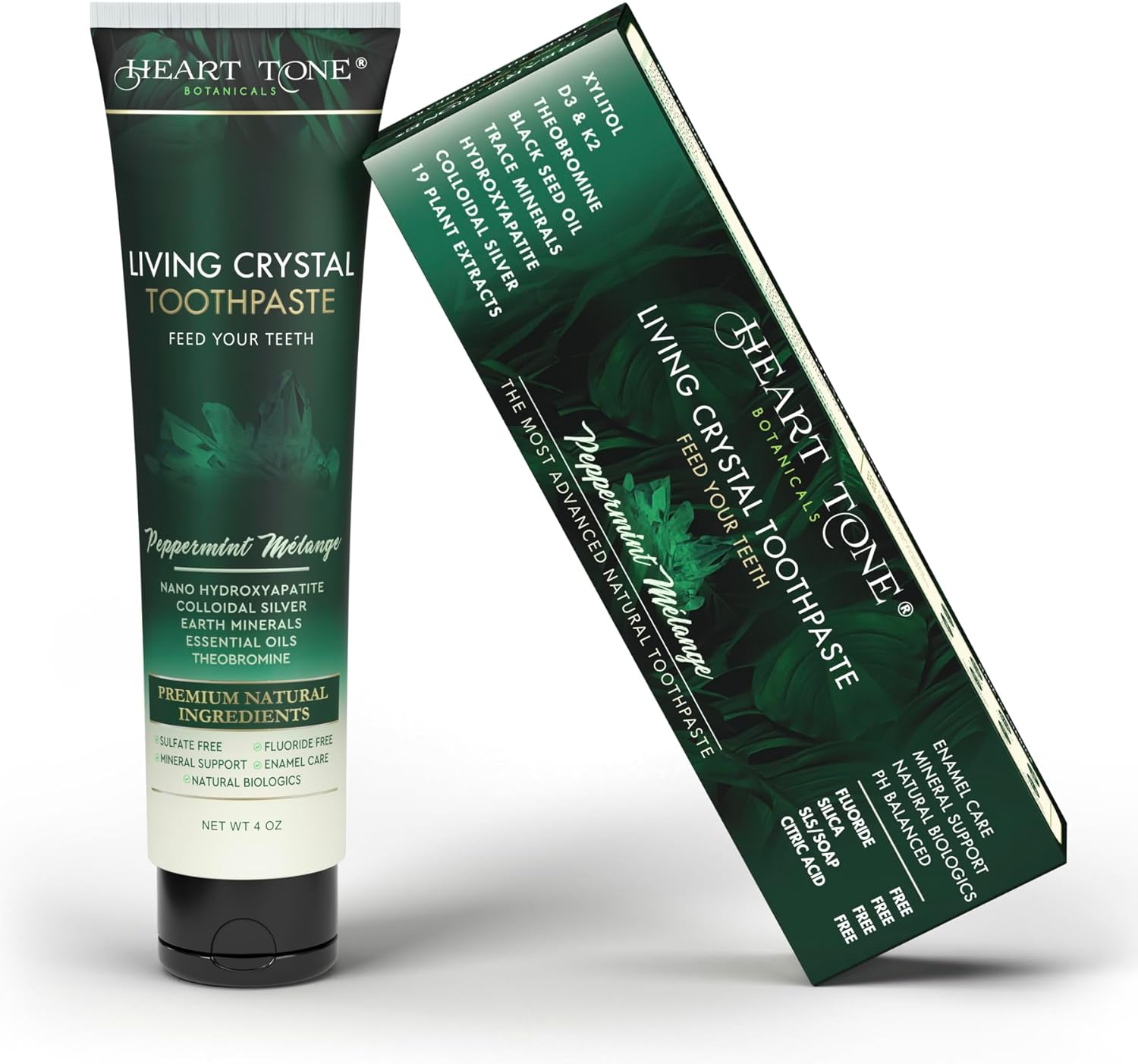
Within a daily routine, an oil pull is the swishing step, and it sits alongside the rest of the oral care lineup — the Living Crystal Toothpaste and the Restorative Mouth Rinse. If you prefer an ozonated base, the Ozonated Oil Pull is the alternative format. The whole Oral Care collection is built on the same principle: name every botanical on the label, including the ones that are there for aroma.
The Bottom Line
Star anise extract is the dried, unripe fruit of Illicium verum, an evergreen tree from southern China and northern Vietnam, drawn into a form that blends into an oil base. It is not anise seed, it is not a seed at all, and the species named on the label genuinely matters. In a botanical oil pulling formula it belongs to the aromatic layer, where its warm licorice-like character rounds out a blend of otherwise sharp, cool mints.
Knowing that much makes an ingredient list easier to read — and makes it a lot clearer which brands are naming their botanicals precisely and which ones are hiding them behind a word like "flavor."

Leave a comment
This site is protected by hCaptcha and the hCaptcha Privacy Policy and Terms of Service apply.