


Oil pulling has roots in Ayurvedic tradition going back thousands of years, but the botanical formulas used in modern oil pulling practice draw from many plant traditions at once. One of the most distinctive aromatic threads in a botanical oil pull is birch essential oil: a steam-distilled tree oil with a bright, wintergreen-like scent and a long history in North American and northern European botanical practice.
Here's what it actually is, where it comes from, and how it appears in a botanical oil pulling formula.
What Is Birch Essential Oil?
Birch essential oil is an aromatic oil produced from the bark and twigs of the birch tree — most notably the sweet birch (Betula lenta), also called black birch or cherry birch, a hardwood native to eastern North America. The oil is obtained by steam distillation, a process in which steam is passed through the bark to carry the volatile aromatic compounds into a condenser, where they separate from the water as a distinct oil layer.
The defining feature of sweet birch oil is its scent. It carries a bright, cooling, wintergreen-like aroma that comes almost entirely from a single characteristic compound: methyl salicylate. In sweet birch oil, methyl salicylate can make up the overwhelming majority of the finished oil, which is why the aroma is so clean and recognizable. This is the same aromatic compound that gives wintergreen its signature scent — the two oils smell strikingly alike, and both have long been used in botanical formulation specifically for that crisp, minty-cool note.
It is worth clearing up a common point of confusion: birch essential oil is not the same thing as birch-derived xylitol. Xylitol is a crystalline sweetener that can be manufactured from birch wood pulp — a completely different material with no scent. Birch essential oil is the volatile aromatic oil, and it is what we're talking about here. (For the sweetener, see our separate write-up on birch-derived xylitol.)
Sweet Birch vs. White Birch
Not every birch produces the same oil. The two names you'll see most often are:
Sweet birch (Betula lenta) — Native to the Appalachian region of eastern North America, this is the classic source of the wintergreen-scented birch oil rich in methyl salicylate. Its inner bark is intensely aromatic, and it is the birch most associated with essential oil distillation.
White birch / silver birch (Betula alba, Betula pendula) — The familiar white-barked birches of northern Europe and North America. These trees are the source of birch tar and birch bud preparations, and they have their own distinct northern-European botanical tradition, but their aromatic profile is quite different from the sweet, wintergreen-like character of Betula lenta.
When a formula lists "birch essential oil" alongside a wintergreen-like aromatic profile, it is almost always the sweet birch — Betula lenta — that is being described.
Where Does Birch Oil Come From?
The sweet birch has deep roots in the botanical traditions of eastern North America. Indigenous peoples of the northeastern woodlands were well acquainted with the aromatic inner bark and twigs of Betula lenta, which were traditionally steeped and used to flavor beverages long before commercial distillation existed. The distinctive taste of old-fashioned birch beer comes directly from this tradition — sweet birch bark was one of its original flavoring materials.
As distillation techniques spread, sweet birch became a commercial source of methyl salicylate-rich oil across the Appalachian range. For much of the nineteenth and early twentieth centuries, sweet birch and wintergreen were the two great natural sources of that wintergreen aroma used in flavoring and traditional botanical preparations.
Today, birch essential oil remains a specialty aromatic — valued in botanical formulation for the clean, cooling top note it contributes, and for its long association with the forests of the American northeast.
The Aroma and Sensory Profile
In a botanical formula, birch essential oil plays an aromatic and sensory role. Its wintergreen-like character is crisp, cool, and slightly sweet, and it blends naturally with the mint family of essential oils — peppermint and spearmint — that anchor many oral care formulas.
In an oil pulling formula in particular, the birch note sits alongside wintergreen (its aromatic cousin), peppermint, and spearmint to create a familiar cooling profile during the swish. Because these are all volatile aromatic oils, they contribute to the sensory experience of the practice — the fresh, minty character you notice while the oil moves through the mouth — rather than to the texture or body of the base oil.
Why an Oil Carrier Suits Birch Oil
Birch essential oil, like all essential oils, is lipophilic — it is far more at home in a fat or oil medium than in water. An oil pulling formula is built on a foundation of fat-rich carrier oils (in the case of the Antioxidant Oil Pull, a base of liquid coconut oil, sesame seed oil, and coconut oil), which makes it a naturally stable environment for oil-soluble aromatic compounds.
This is part of why oil pulling has been an Ayurvedic practice for over 3,000 years: the oil medium itself is the vehicle. Fat-compatible botanical material — aromatic essential oils, oil-soluble extracts, and lipophilic compounds — distributes evenly through the base and coats the surfaces of the mouth as you swish. Birch essential oil, as a volatile aromatic oil, is right at home in that lipid environment.
Birch in Botanical Tradition
Across the northern hemisphere, birch trees have held a place in folk and botanical tradition for centuries. In eastern North America, sweet birch bark and twigs were part of the woodland materia medica and the flavoring tradition that produced birch beer. In northern and eastern Europe, the white and silver birches were woven into springtime traditions, birch sap harvests, and folk practice tied to the birch's role as a first-to-leaf tree of the northern forest.
In contemporary botanical formulation, birch essential oil is honored as one aromatic voice among many — a crisp, wintergreen-toned thread in a larger blend rather than a standalone active. That is exactly how it appears in a botanical oil pulling canvas.
What's in the Antioxidant Oil Pull Formula
The Antioxidant Oil Pull from Heart Tone Botanicals features birch essential oil as part of its aromatic layer, alongside wintergreen, peppermint, and spearmint essential oils. The formula is built on a base of organic liquid coconut oil (MCT), sesame seed oil, and coconut oil, with hemp, camellia, and moringa seed oils rounding out the carrier profile.
Beyond the aromatic oils, the botanical extract profile includes myrrh, manuka oil, turmeric oil, licorice root, sea buckthorn berry, pomegranate seed, oregano, thyme, tea tree, and star anise, plus the fat-soluble antioxidant pair of CoQ10 and resveratrol. Each plant brings its own botanical tradition and compound class to the blend.
The Ozonated Oil Pull shares a similar botanical architecture, with the addition of ozone-infused sesame seed oil — a formulary innovation that applies ozone technology to the Ayurvedic oil pulling tradition.
No single compound does all the work, and no single tradition defines the practice. Birch essential oil is one aromatic thread in a botanical canvas that draws from Ayurveda, North American woodland tradition, and contemporary plant chemistry.
The Botanical Canvas Series
Previous articles in this Antioxidant Oil Pull Botanical Canvas series have explored the formula's other plant ingredients:
- Resveratrol — the stilbene polyphenol in oil pulling
- Green tea extract (EGCG catechins) in oil pulling
- Manuka oil in oil pulling
- Turmeric and curcumin in oral care
- Sea buckthorn berry extract in oil pulling
- Pomegranate seed extract in oil pulling
Birch essential oil continues this series as the aromatic wintergreen-toned thread — the crisp, cooling top note distilled from the bark of the North American sweet birch.
How to Use
Oil pulling with a botanical formula is a simple morning ritual:
- Take 1–2 teaspoons of the Antioxidant Oil Pull first thing in the morning, before eating or drinking.
- Swish gently for 5–15 minutes. The oil mixes with saliva and the volume increases slightly.
- Spit into a trash can (not the sink — oil can solidify and cause clogs over time).
- Rinse your mouth with water, then continue your regular oral care routine.
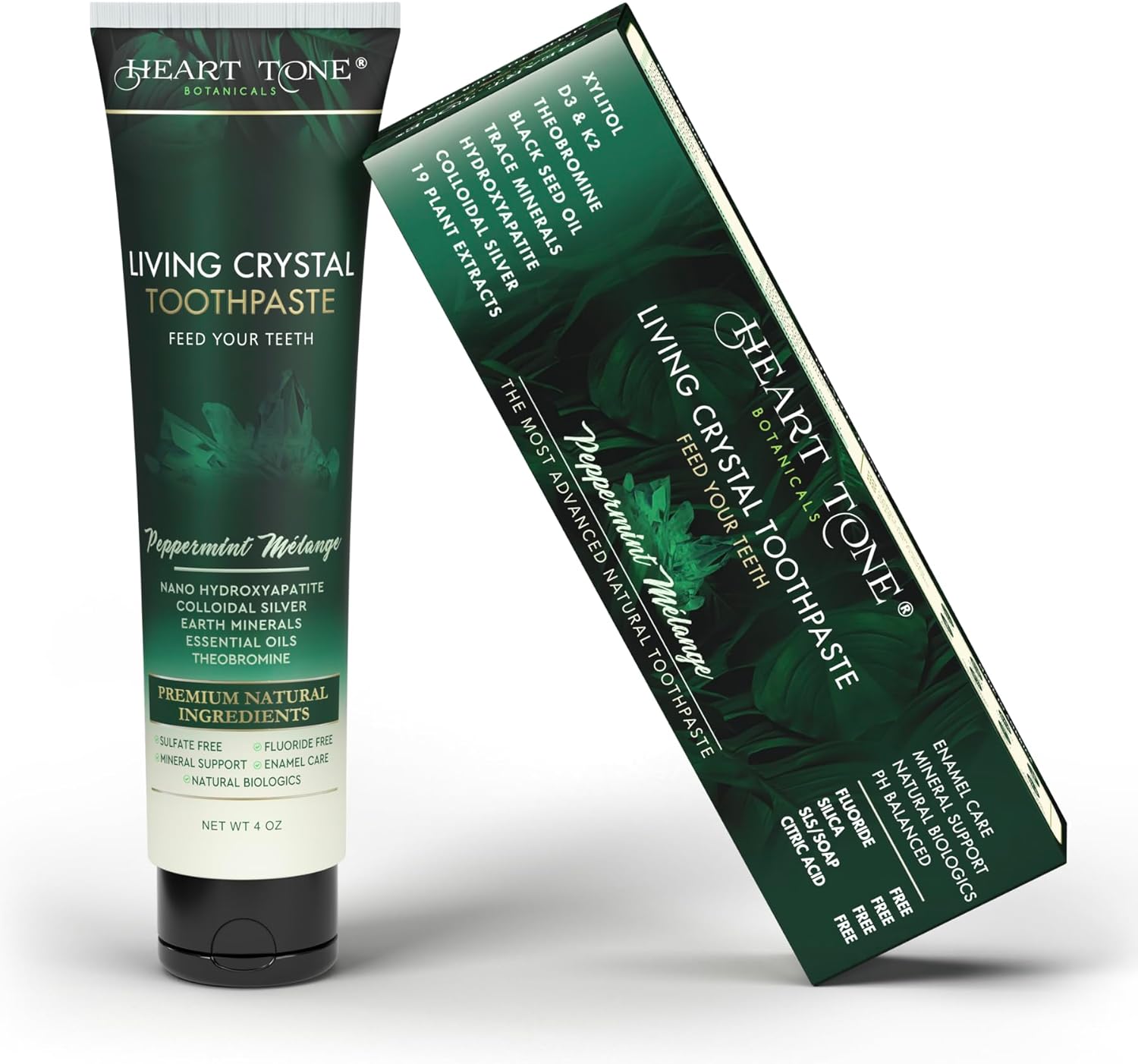
Pair with Living Crystal Toothpaste and Restorative Mouth Rinse for a complete botanical oral care practice.
Heart Tone Botanicals products are formulated with botanical ingredients. These statements have not been evaluated by the Food and Drug Administration. This product is not intended to diagnose, treat, cure, or prevent any disease.


Leave a comment
This site is protected by hCaptcha and the hCaptcha Privacy Policy and Terms of Service apply.