


If you have sensitive teeth, thinning enamel, or you simply want a cleaner routine that does not sand away your smile over time, choosing a low abrasion toothpaste matters more than most people realize. Whitening claims get the spotlight, but the number that tells you how gentle a toothpaste really is is its RDA value.

RDA stands for Relative Dentin Abrasivity. It is the standard measurement used to estimate how much a toothpaste can wear on dentin during brushing. The lower the number, the gentler the toothpaste tends to be on your teeth. For anyone trying to protect enamel, care for sensitive teeth, or avoid overly harsh formulas, this number is worth paying attention to.
A truly effective toothpaste should clean your teeth without slowly roughing up the surface you are trying to protect.
What Is RDA and Why Does It Matter?
RDA is measured in a lab using standardized testing methods. In simple terms, it compares how abrasive a toothpaste is against tooth material under controlled conditions. While the exact number is not the only thing that matters in a formula, it gives you a practical way to compare whether a toothpaste is likely to be gentle, moderate, or more aggressive.
- 0-70: Low abrasion toothpaste territory
- 70-100: Moderate abrasion
- 100+: Increasingly abrasive, especially for already sensitive mouths
That matters because enamel does not regenerate once it is worn down. If you are brushing twice a day, every day, with a high-abrasion formula, the wear adds up. A low abrasion toothpaste can help you maintain a cleaner mouth while being kinder to enamel, exposed dentin, and the gumline.
Who Should Look for a Low Abrasion Toothpaste?
A low abrasion toothpaste is especially helpful if you:
- Notice sensitivity to cold, heat, or sweets
- Have gum recession or exposed root surfaces
- Use whitening products and want to minimize extra wear
- Have been told your enamel is thinning
- Prefer a natural toothpaste but do not want gritty scrubbing agents
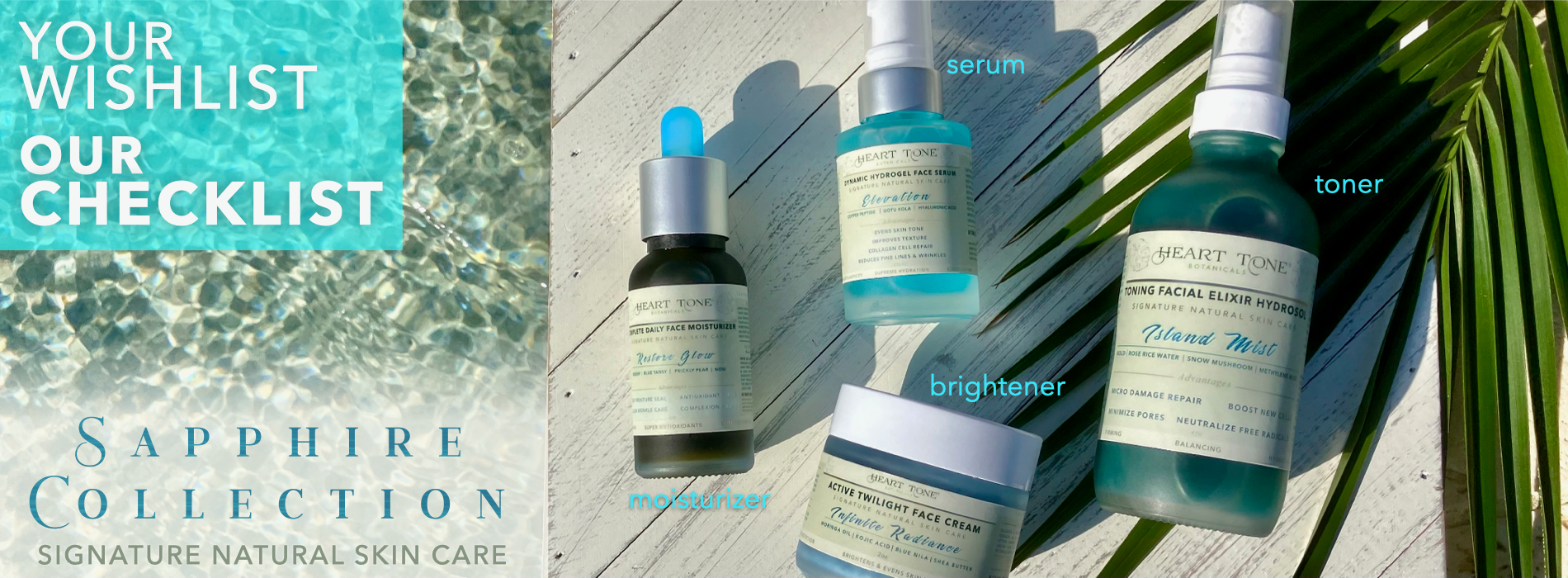
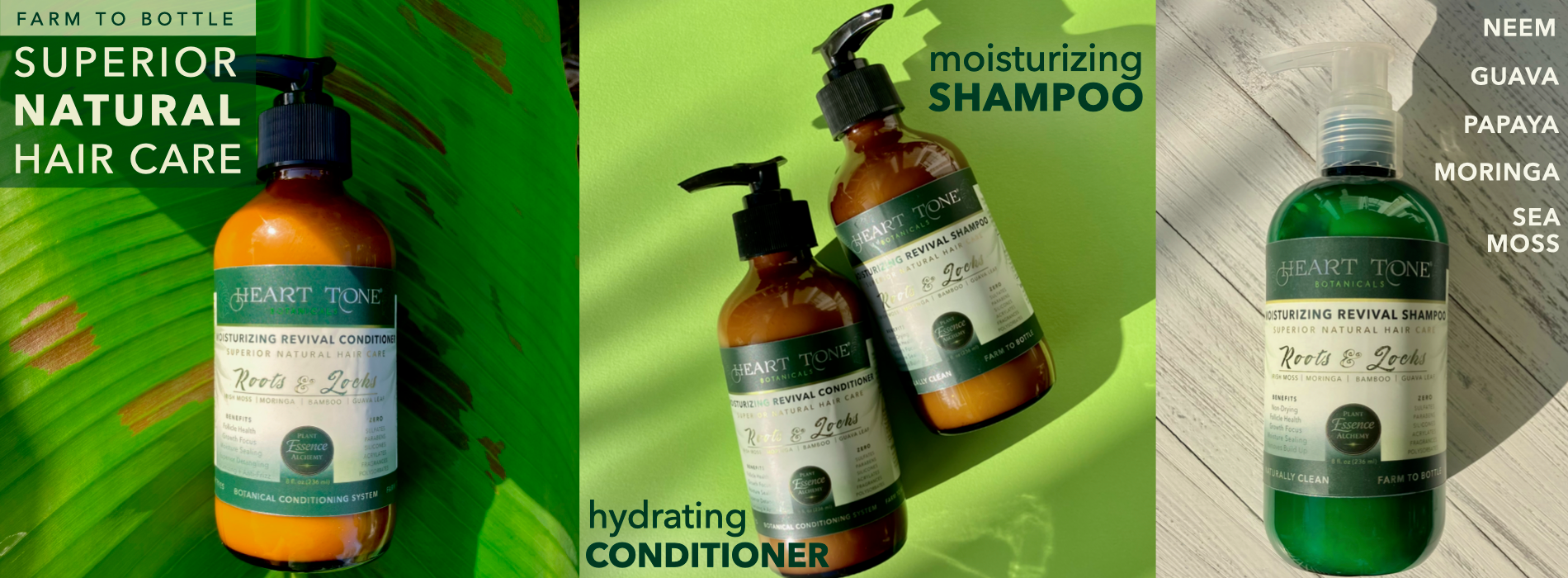
Brands have helped educate shoppers about the connection between sensitivity and enamel-friendly brushing, which confirms the category is moving toward gentler mineral-based formulas. That trend creates a strong opening for Heart Tone because our approach combines mineral support with botanical ingredients and a genuinely low abrasion profile.
What Makes a Toothpaste Abrasive?
Most of the abrasion in toothpaste comes from polishing and cleaning agents. Some formulas rely heavily on harsher silica systems or intense whitening particles to create that "just polished" feeling. The problem is that extra scrub is not always better. A toothpaste can remove surface film without acting like sandpaper.
Many people assume foaming equals cleaning power, but that is not true either. Ingredients like SLS can make a formula feel intense without actually making it gentler or more supportive for sensitive mouths. If your goal is long-term oral health, a low abrasion toothpaste is usually a smarter daily choice than an aggressive whitening paste.
How Living Crystal Fits the Low Abrasion Toothpaste Category
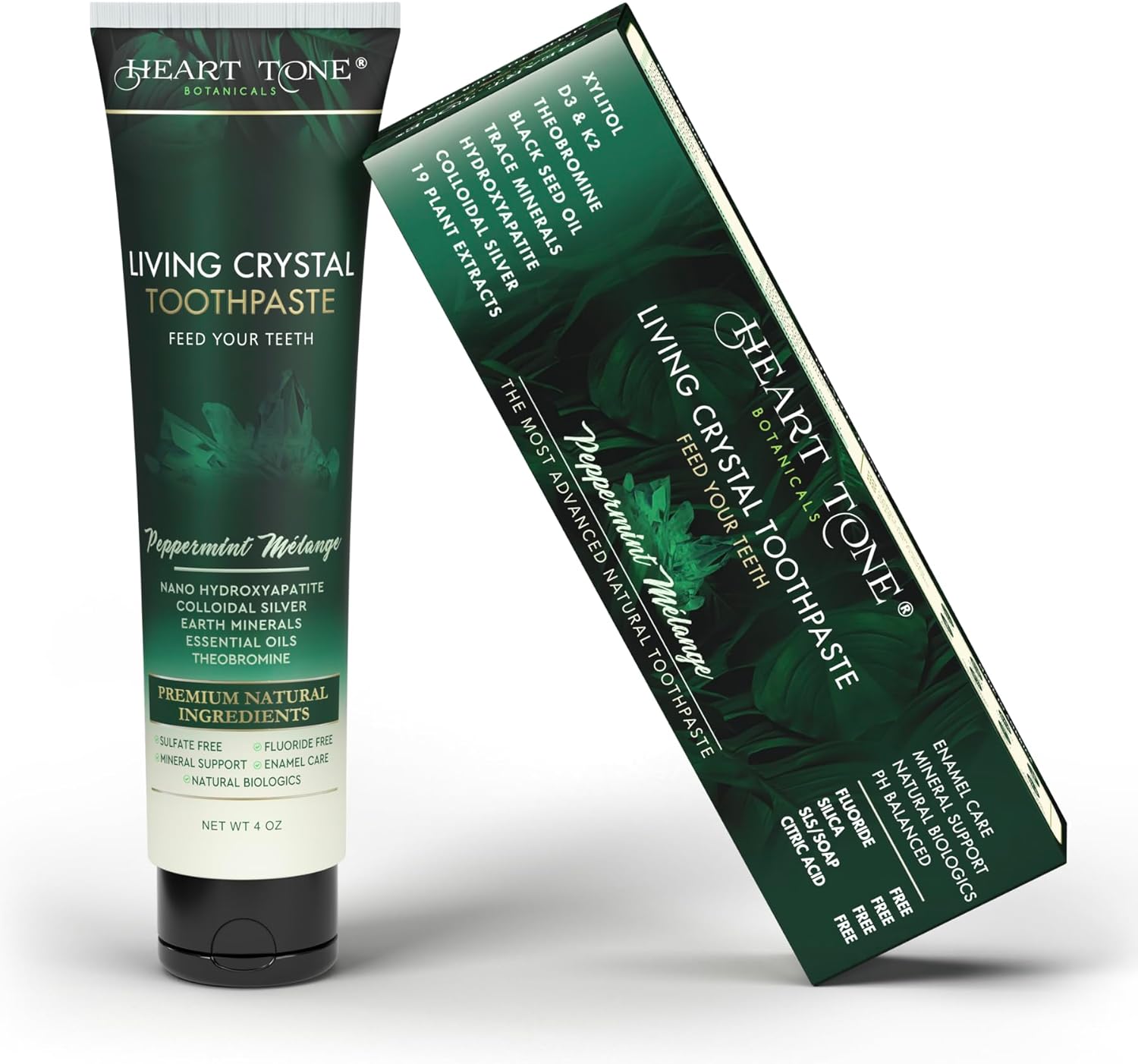
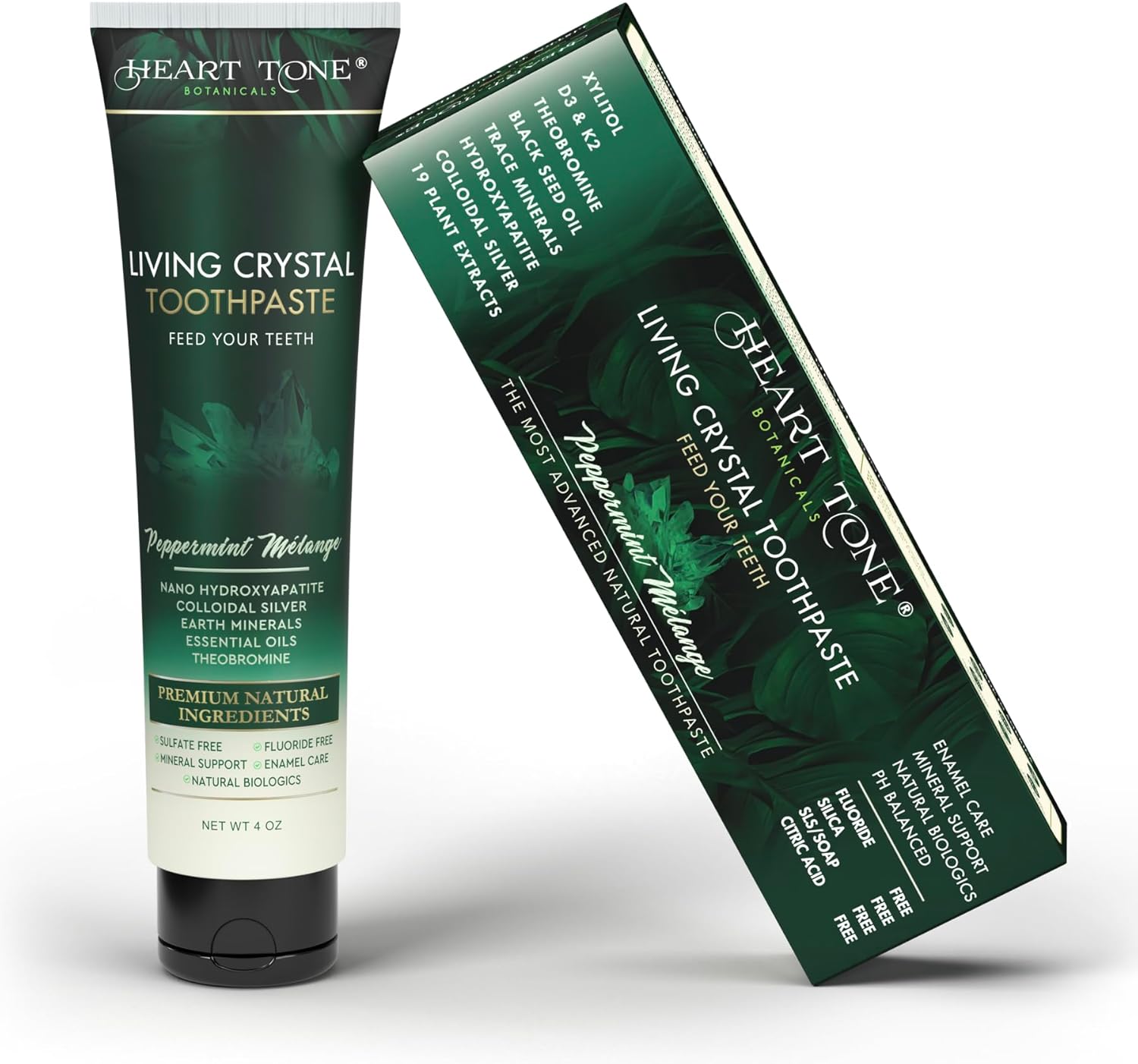
Living Crystal Toothpaste was independently tested and received an RDA of approximately 35, placing it well within low abrasion territory. That is one reason it has become such an important flagship product for Heart Tone Botanicals.
Instead of relying on harsh abrasives, Living Crystal uses a mineral-forward formula built around micro-hydroxyapatite along with botanicals grown on Heart Tone's natural regenerative farm in Vero Beach, Florida. The result is a brushing experience designed to support enamel while still leaving the mouth fresh and clean.
If you are specifically shopping for a low abrasion toothpaste for sensitive teeth, an RDA in this range is a meaningful differentiator. It tells you the formula was built with enamel respect in mind, not just marketing copy.
Low Abrasion Toothpaste vs Whitening Toothpaste
This is where many shoppers get tripped up. Whitening toothpastes often promise instant brightness, but many achieve that effect through higher abrasion. Over time, that can be counterproductive. Rougher enamel surfaces can actually attract more staining, and repeated abrasion can make sensitivity worse.

A low abrasion toothpaste focuses on preserving the tooth surface while cleaning it effectively. If you want a healthier smile in six months, not just a brighter-looking sink selfie tonight, gentleness is a better long game.
For shoppers exploring broader enamel support, our article on how to Traditional Mineral-Rich Formula naturally goes deeper into the daily habits and ingredients that can support stronger teeth over time.
How to Choose the Best Low Abrasion Toothpaste
When you compare options, here are a few practical things to look for:
- A published or verified RDA value whenever possible
- Mineral support like hydroxyapatite instead of purely cosmetic whitening agents
- No unnecessary harsh foaming agents if your mouth tends to be reactive
- Ingredients you feel good using every day, especially if you prefer a natural lifestyle
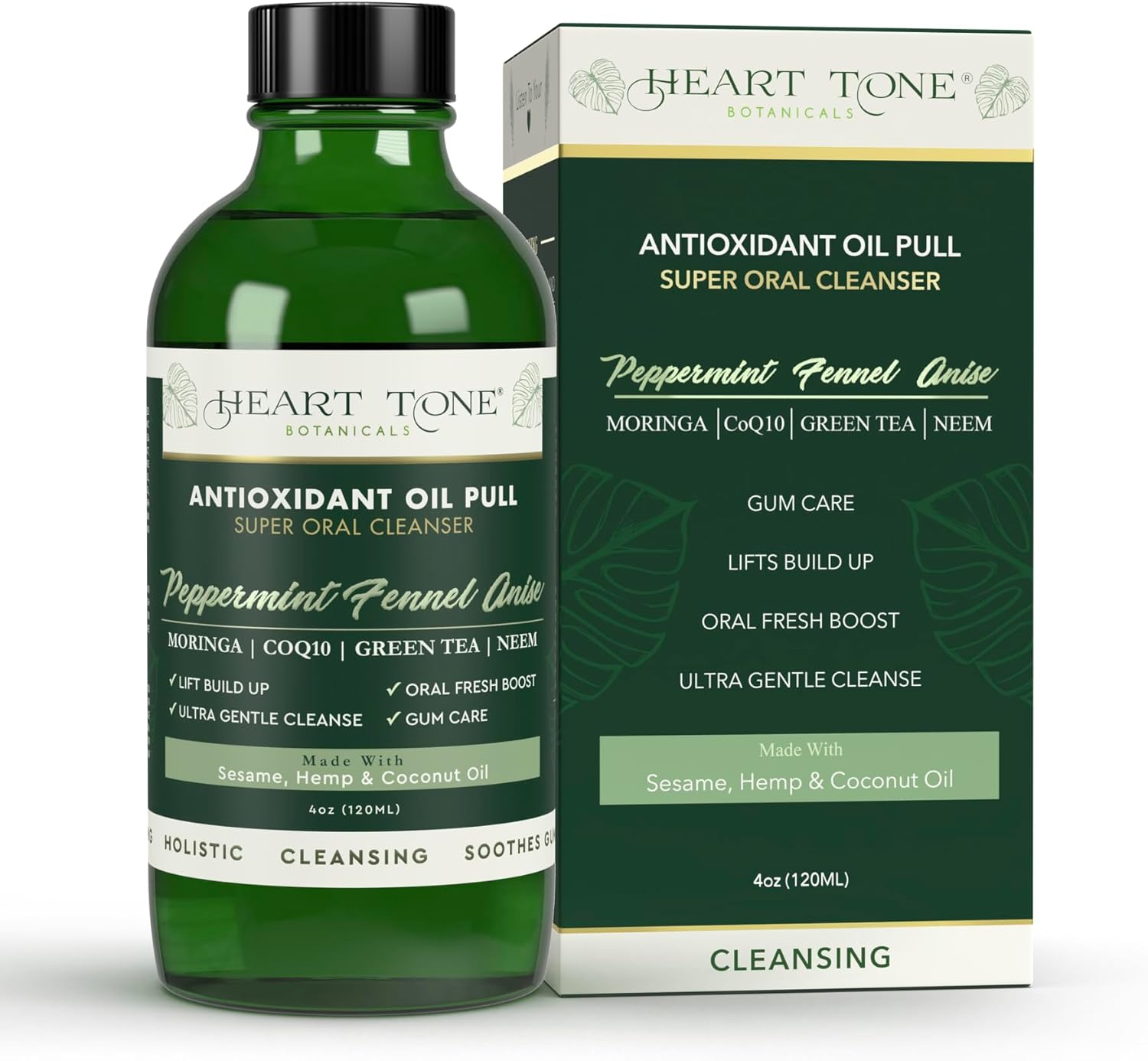
It also helps to think beyond toothpaste alone. Pairing a gentle paste with a softer-bristled brush, lighter pressure, and a supportive rinse can make a big difference. If you want to round out a gentler oral care routine, Heart Tone's Restorative Mouth Rinse and Antioxidant Oil Pull make natural companions.
Why This Matters for Natural Oral Care Shoppers
Not every natural toothpaste is automatically low abrasion. Some are clay-heavy or heavily polished for texture, while others may feel gentle but offer little meaningful information about abrasivity. That is why transparency matters. Shoppers are becoming more educated, and search behavior is clearly moving toward terms like "low abrasion toothpaste," "low RDA toothpaste," and "gentlest toothpaste."
For Heart Tone, we have both the story and the proof. We are not just saying the formula is gentle. We have an independently tested RDA result and a product built around whole-plant, mineral-forward care.
The Bottom Line on Low Abrasion Toothpaste
A low abrasion toothpaste helps protect what your smile cannot replace: your enamel. If your mouth runs sensitive, if you are trying to avoid the wear that can come with harsher whitening formulas, or if you simply want a smarter everyday toothpaste, RDA is one of the most useful numbers you can know.
Living Crystal Toothpaste stands out because it combines a genuinely low RDA score with natural ingredients, hydroxyapatite support, and Heart Tone's botanical ingredients story. It is a daily-use formula designed for people who want their oral care routine to be both effective and gentle.
Build a Gentler Oral Care Routine
Choose a low abrasion toothpaste that supports enamel instead of wearing it down.
Shop Living Crystal Toothpaste Explore Oral CareFor those building a complete natural oral care routine, pairing a low-abrasion toothpaste with a daily oil pulling practice can significantly amplify results. Our guide to ozonated oil pulling explains how O₃-infused sesame oil with 12 plant extracts like myrrh, manuka, and turmeric extends the active reach of your routine beyond what brushing alone achieves.
Shop the related Heart Tone routine: Living Crystal Toothpaste.

Leave a comment
This site is protected by hCaptcha and the hCaptcha Privacy Policy and Terms of Service apply.