

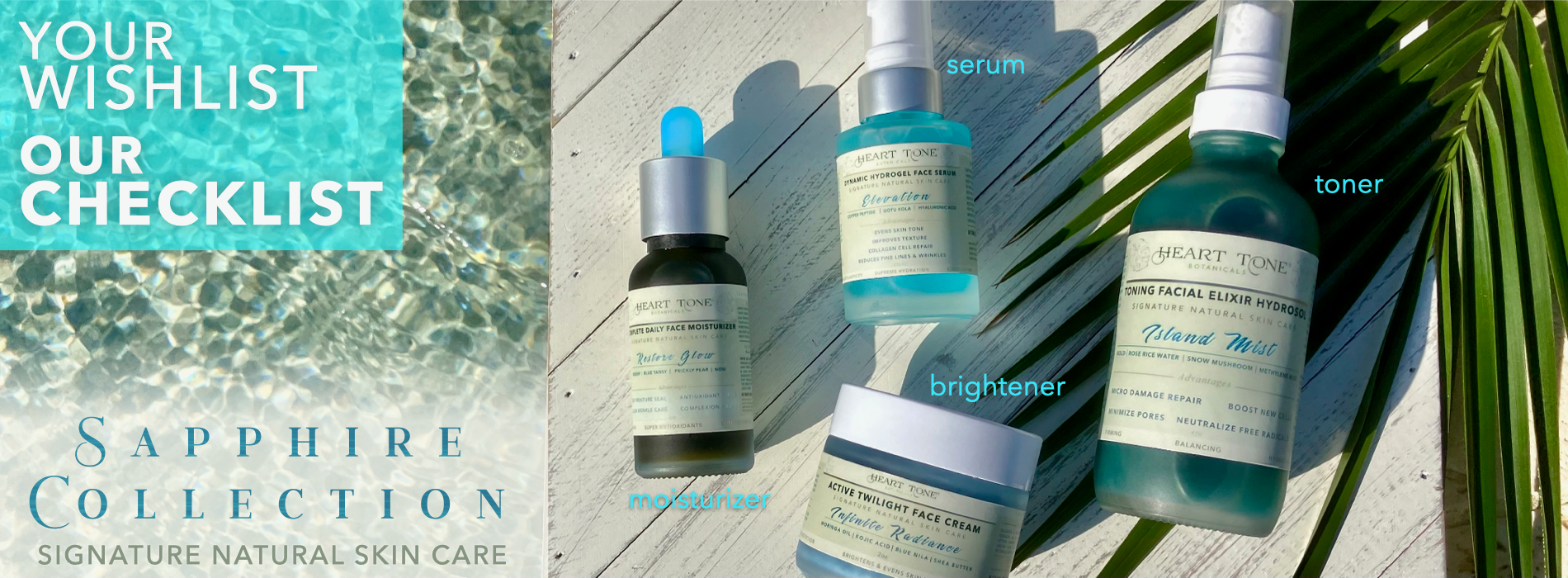
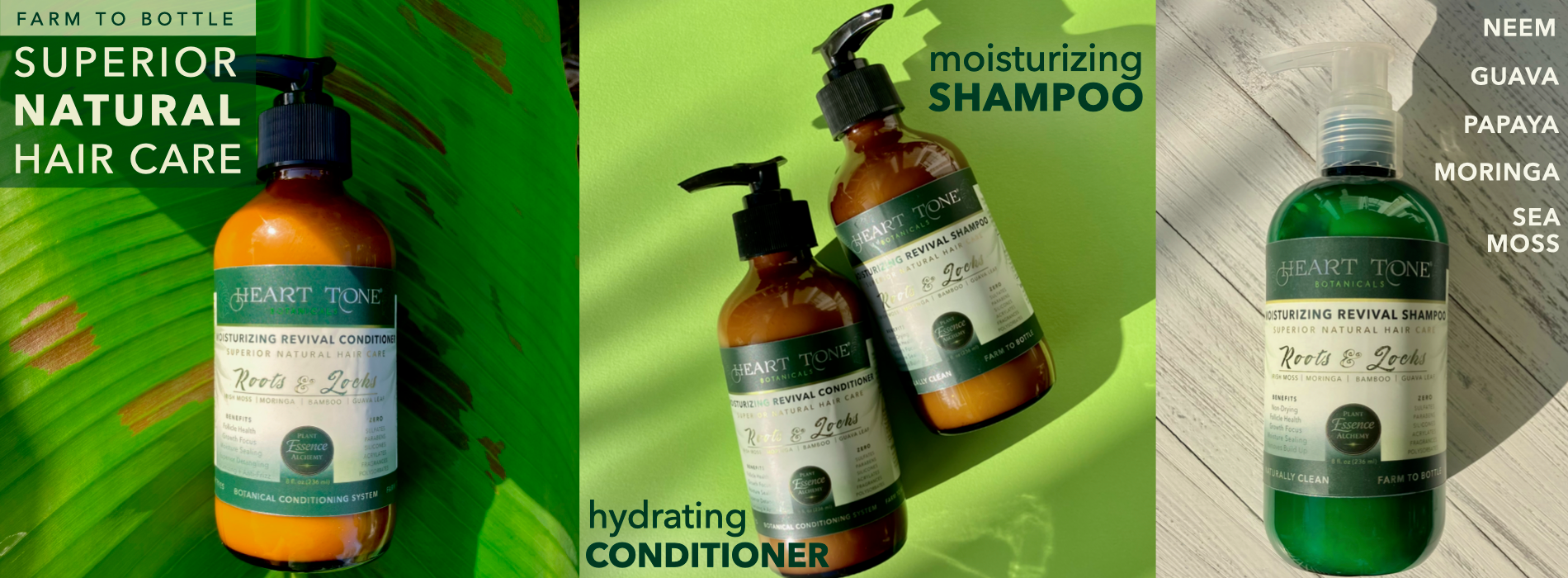
If you have been curious about clay toothpaste benefits, you are not alone. A growing number of people looking for a natural toothpaste are paying closer attention to ingredients like bentonite clay and kaolin clay — and the science behind why they work is worth understanding.

Clay-based oral care is not a new trend. Civilizations from ancient Egypt to indigenous cultures across the Americas have used mineral-rich clays for cleansing, healing, and purification for thousands of years. Modern natural toothpaste formulas are building on that wisdom with carefully selected clays that support oral health without the harsh chemicals found in conventional products.
Why Clay Shows Up in Natural Toothpaste
Clay has a long history in cleansing rituals because of its unique texture, mineral content, and purifying properties. In oral care, the right clays help create a smooth, polished brushing experience without relying on the harsh foaming agents like sodium lauryl sulfate (SLS) found in many conventional formulas.
The key is that clay provides gentle mechanical cleansing — removing plaque and surface stains through mild abrasion rather than chemical stripping. This makes clay toothpaste especially appealing for people with sensitive teeth or those trying to avoid the ingredients on our list of 10 ingredients to avoid in toothpaste.
Bentonite Clay Benefits in Toothpaste
Bentonite clay is a volcanic ash-derived mineral that has been used in wellness practices for centuries. In toothpaste, it brings several specific properties:
- Mineral richness: Bentonite contains calcium, magnesium, silica, sodium, copper, iron, and potassium — trace minerals that support oral health.
- Toxin binding: Bentonite has a strong negative ionic charge, which allows it to attract and bind positively charged toxins, heavy metals, and impurities. In your mouth, this means it can help draw out bacteria and debris from the surfaces of your teeth and gums.
- Gentle abrasion: Bentonite provides a mild polishing action that removes surface stains without scoring enamel — important for keeping your RDA score low.
- pH balance: Bentonite clay is naturally alkaline, which can help neutralize the acidic oral environment that promotes cavity formation and enamel erosion.
"We chose bentonite clay for Living Crystal because it does what synthetic detergents try to do — but naturally, gently, and with mineral support your teeth actually benefit from."
Kaolin Clay Benefits in Toothpaste
Kaolin clay is the gentlest of all cosmetic clays, which is why it is a staple in sensitive skin care and, increasingly, in natural oral care. Here is what kaolin brings to a toothpaste formula:
- Ultra-fine texture: Kaolin particles are smaller and softer than bentonite, creating a smoother, more refined polishing experience that is ideal for daily use.
- Mild cleansing: While bentonite does the heavy lifting, kaolin provides a secondary, gentler cleansing layer that ensures thorough coverage without irritation.
- Absorption without overdrying: Kaolin absorbs excess moisture and oils without stripping your mouth of the natural fluids it needs for healthy function.
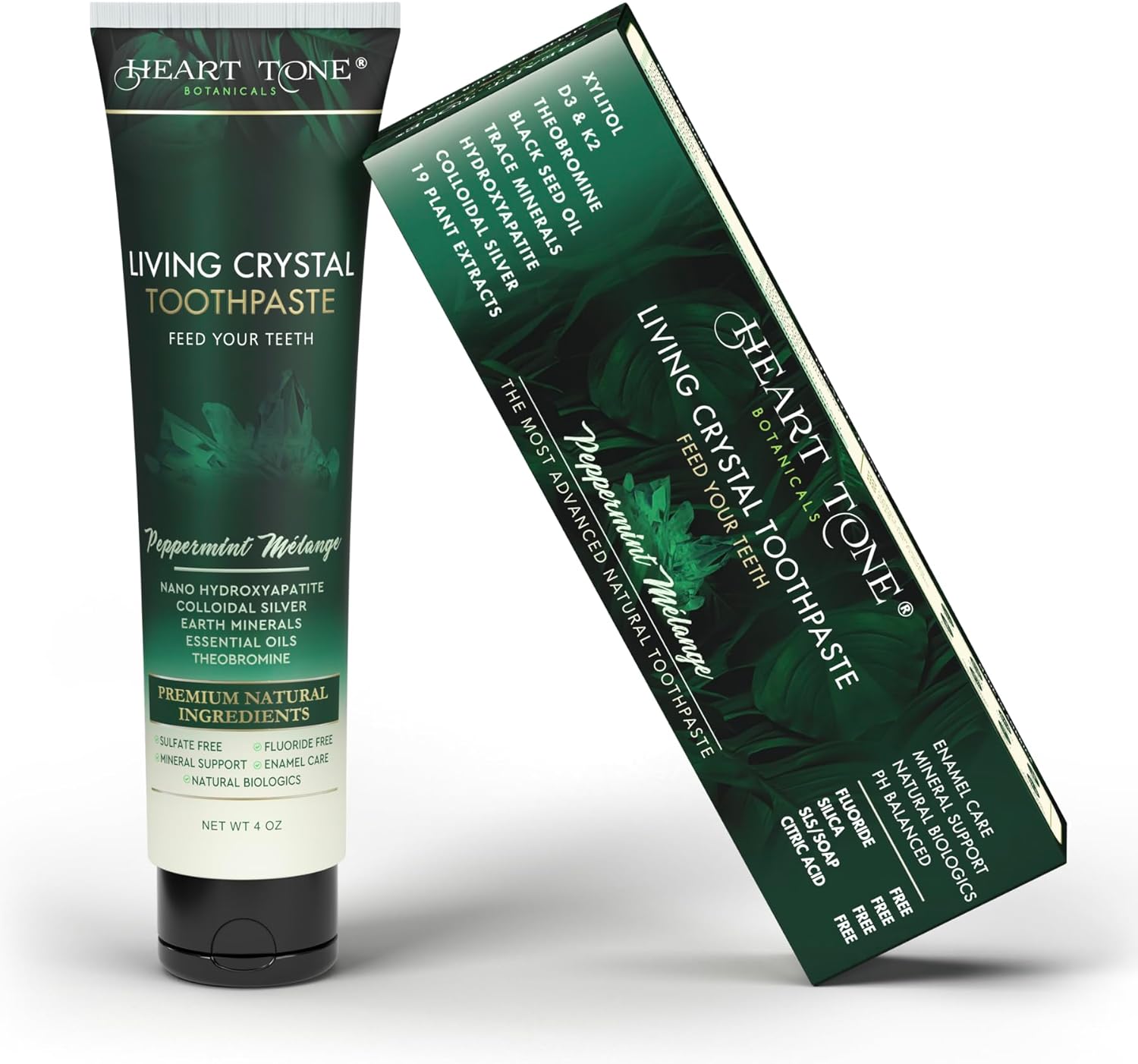
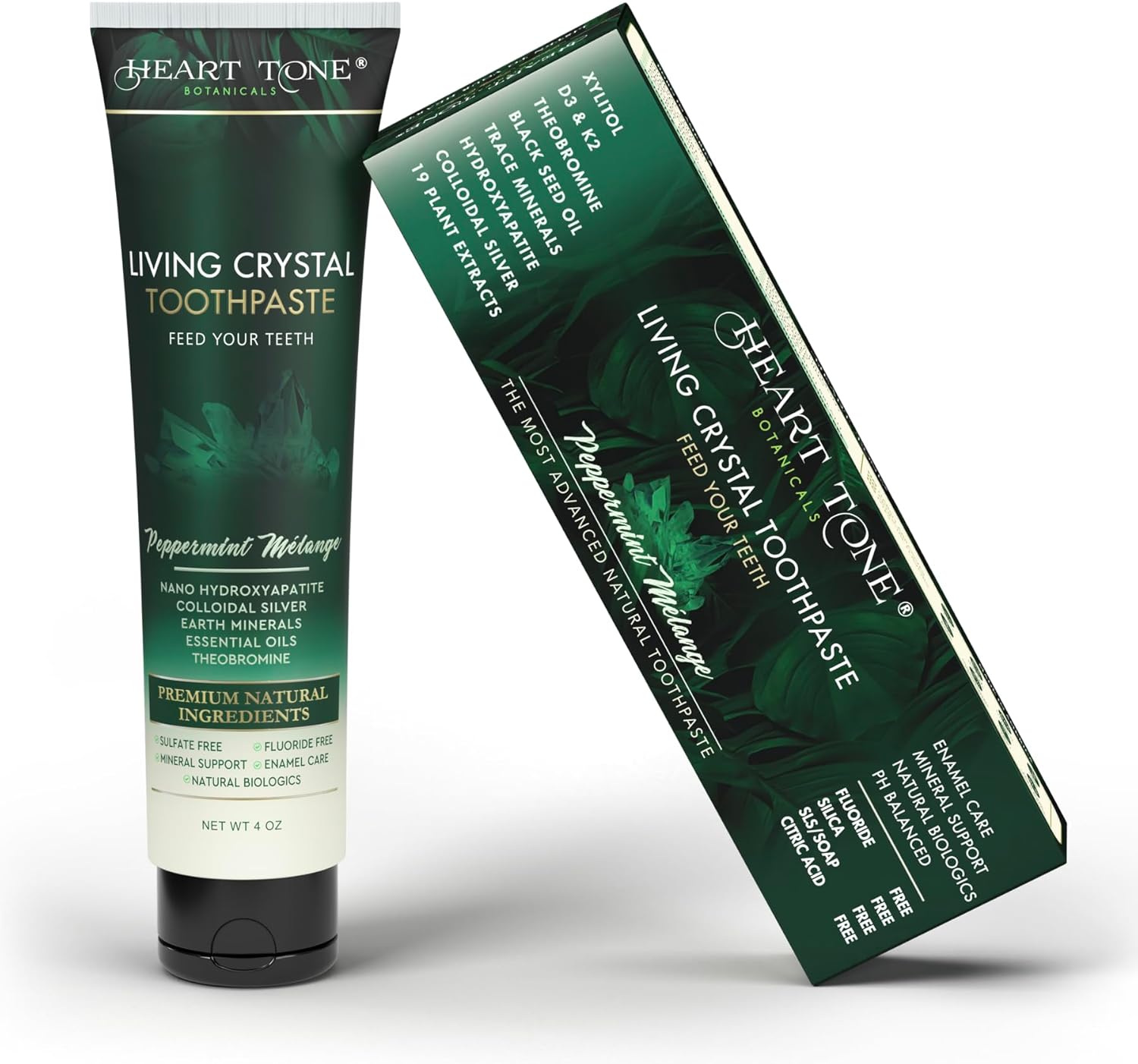
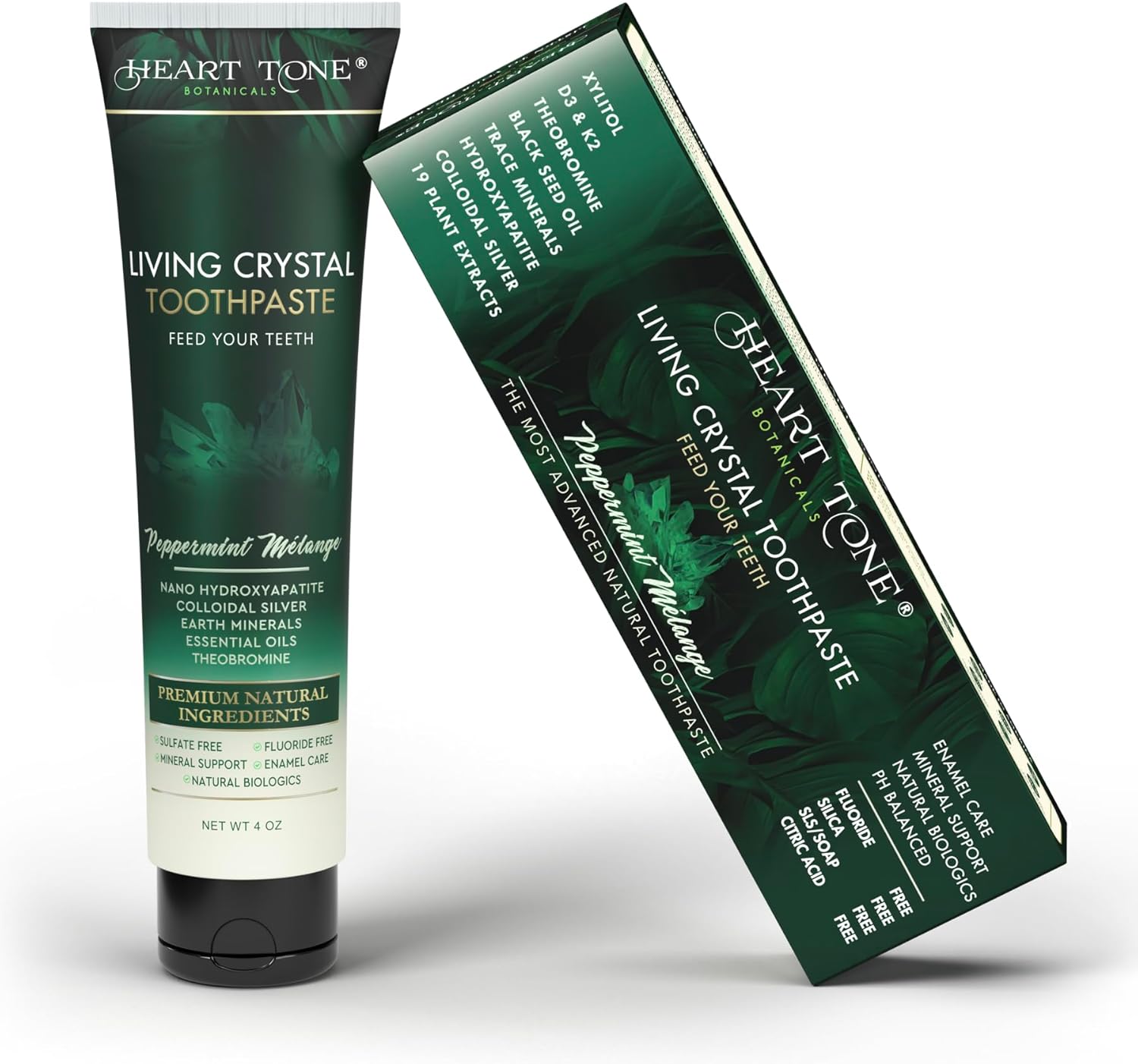
When bentonite and kaolin are used together — as they are in Living Crystal Toothpaste — you get a dual-clay system: one that purifies deeply and one that polishes gently.
Why Xylitol Strengthens a Clay Toothpaste Formula
Clay is only part of what makes a natural toothpaste effective. Xylitol is a natural sweetener derived from birch bark and other plant fibers that does far more than improve taste. Research shows that xylitol actively inhibits the growth of Streptococcus mutans, the bacterium most responsible for tooth decay.
Xylitol works by starving cavity-causing bacteria — they consume it but cannot metabolize it, which disrupts their energy production and reduces their ability to produce the acid that erodes enamel. For a deeper breakdown of the science, read our guide to xylitol toothpaste benefits.
In a clay toothpaste, xylitol adds a biological antimicrobial layer on top of the mechanical cleansing that clay provides — giving you two complementary modes of protection in every brush.
The Full Formula: Why We Use Both Clays in Living Crystal
At Heart Tone Botanicals, we use both bentonite clay and kaolin clay in Living Crystal Toothpaste because they contribute to a more intentional, multi-layered formula. But clay is just one part of the picture:

- Micro-hydroxyapatite rebuilds and remineralizes enamel at the molecular level — learn why in our hydroxyapatite vs fluoride comparison
- Coconut oil provides antimicrobial support through lauric acid — read about coconut oil in toothpaste
- Neem adds antibacterial depth from an ingredient used in oral health for centuries
- Xylitol starves cavity bacteria
- Colloidal silver provides broad-spectrum antimicrobial support
Every ingredient is grown or sourced with intention. Our neem and aloe come from our own natural regenerative farm in Vero Beach, Florida — pesticide-free and handcrafted in small batches.
Who Should Try Clay Toothpaste?
Clay toothpaste is especially well-suited for:
- People with sensitive teeth who want gentle but effective cleansing
- Anyone avoiding fluoride, SLS, or artificial ingredients
- Those looking for a remineralizing toothpaste with natural clays plus hydroxyapatite
- People who want to support their oral health with mineral-rich, plant-based formulas
If you are building a fluoride-free oral care routine, clay toothpaste with remineralizing ingredients is one of the most effective paths forward.
Complete Your Oral Care Routine
Clay toothpaste works even better when paired with complementary products. Consider adding our Complete Botanical Mouth Rinse for alcohol-free, antimicrobial rinse support, or our Antioxidant Oil Pull for a deeper cleansing ritual. Browse the full Oral Care collection.
Shop Living Crystal Toothpaste →
Frequently Asked Questions
Is clay toothpaste safe for enamel?
Yes — when formulated properly. Bentonite and kaolin clays are mild abrasives with low RDA scores, meaning they clean without scratching enamel. Living Crystal Toothpaste has a lab-tested RDA of just 35, making it one of the gentlest toothpastes available.
Does clay toothpaste whiten teeth?
Clay provides gentle mechanical polishing that can help remove surface stains over time. Combined with hydroxyapatite's enamel-smoothing properties, many users notice brighter-looking teeth with consistent use.
Can I use clay toothpaste with braces?
Yes. Clay toothpaste's gentle abrasion and antimicrobial support from ingredients like xylitol and coconut oil make it a good option for orthodontic care, where gentle but thorough cleaning is especially important.
Want to Go Deeper?
We have published an in-depth guide specifically about bentonite clay and its role in oral care. If you want the full research breakdown — including studies, FAQ, and how bentonite compares to charcoal — read our comprehensive guide: Bentonite Clay Toothpaste: How This Ancient Mineral Supports Natural Oral Care.
You might also enjoy these related articles:

Leave a comment
This site is protected by hCaptcha and the hCaptcha Privacy Policy and Terms of Service apply.