












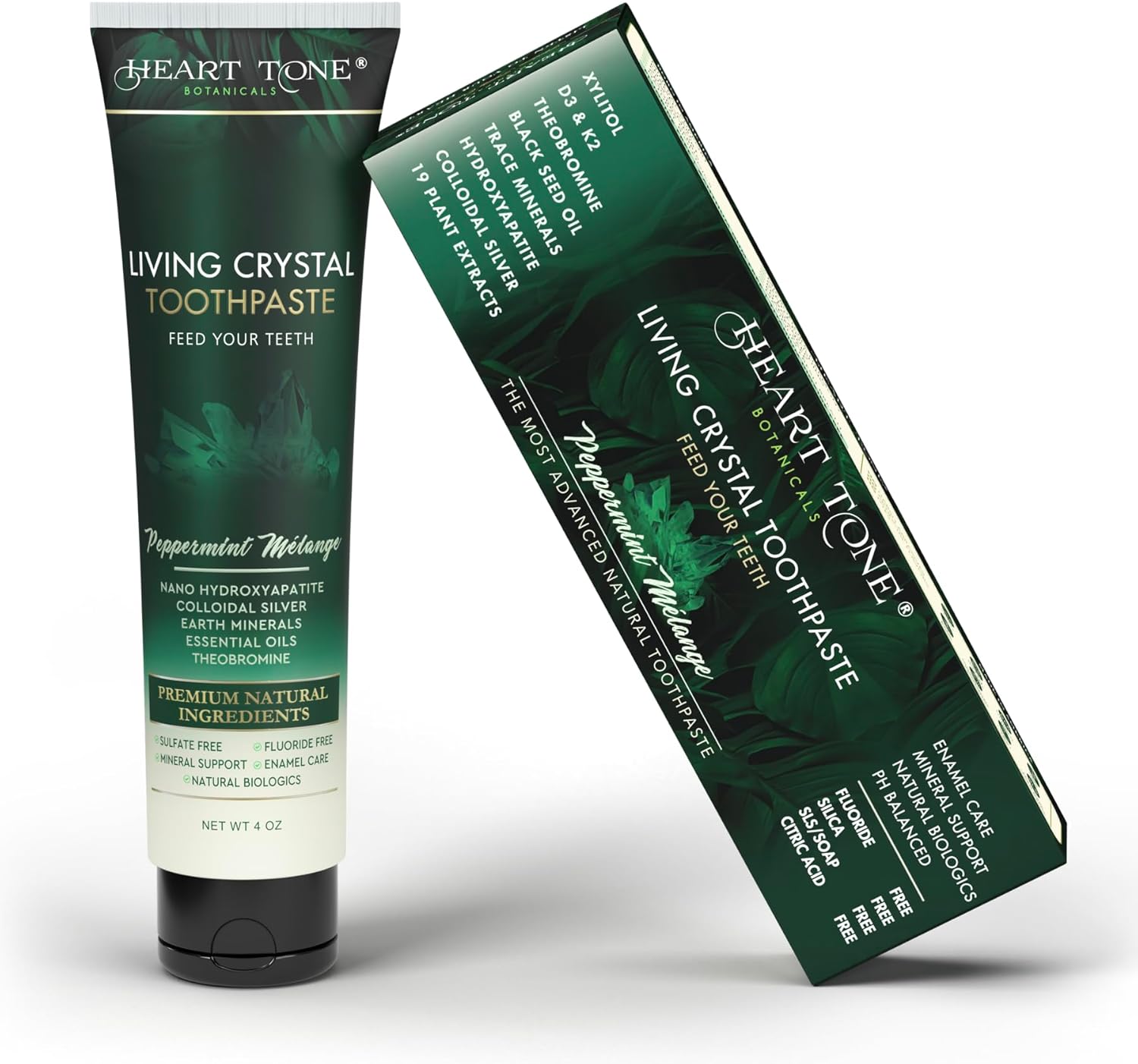
Most people associate cacao with chocolate. But the same plant that gives us dark chocolate also contains theobromine — a naturally occurring compound with a long history of traditional use in oral care.

If you've been searching for a fluoride-free toothpaste that takes a botanical approach to daily oral care, theobromine is an ingredient worth understanding.
What Is Theobromine?

Theobromine is a bitter alkaloid found in cacao beans, tea leaves, and certain other plants. Unlike caffeine — its chemical cousin — theobromine has a gentler character and a long history of use in traditional botanical preparations. In oral care, it appears in fluoride-free formulations as a mineral-compatible ingredient valued for its naturally occurring origins and its compatibility with other botanical and mineral components.
Its relationship with hydroxyapatite — the calcium phosphate mineral that makes up the bulk of tooth enamel — is one of the reasons it has attracted significant attention in fluoride-free oral care formulation.
Theobromine in Traditional Oral Care
Cacao has been used in traditional preparations across multiple cultures for centuries. Theobromine — one of cacao's primary alkaloids — is the specific compound that has drawn attention in modern natural toothpaste formulation.
In a well-formulated toothpaste, theobromine contributes to the overall sensory experience of the formula. It brings a mild, botanical character that complements mint ingredients and is a natural fit for formulations that pair it with colloidal silver, xylitol, and mineral-rich ingredients like hydroxyapatite.
It also has a practical advantage that matters for many families: unlike fluoride, theobromine is non-toxic even if accidentally swallowed — making it a comfortable fit for households transitioning to natural oral care.
"We grow cacao-adjacent botanicals on our own farm because we believe the best oral care comes from nature's own chemistry — not a lab." — Heart Tone Botanicals
Theobromine as a Fluoride-Free Choice
One reason theobromine has earned a place in natural toothpaste is the role it plays in fluoride-free formulations. For those who prefer to avoid fluoride — whether for personal, family, or philosophical reasons — theobromine is one of the mineral-compatible ingredients used in well-formulated alternatives.

There are some meaningful practical differences between fluoride-free and fluoride-based formulas:
- Fluoride carries ingestion warnings, particularly for young children; theobromine does not
- Fluoride-free formulas are often preferred by families, people with fluoride sensitivities, and those committed to a fully botanical routine
- Fluoride-free does not mean less complex — a well-formulated toothpaste can include a full range of traditional mineral and botanical ingredients
- Theobromine, as a naturally occurring compound from cacao, fits the clean-ingredient approach that many natural oral care consumers are looking for
For parents especially, the safety profile makes a difference. Theobromine is safe even if accidentally swallowed — a practical consideration for any household with young children making the switch to natural toothpaste.
Why Theobromine Works Best Alongside Micro-Hydroxyapatite
In a well-formulated fluoride-free toothpaste, theobromine rarely appears alone. It's typically paired with micro-hydroxyapatite — a biocompatible form of calcium phosphate that shares its mineral composition with natural tooth enamel. Together, they form the mineral core of a fluoride-free formula that offers far more ingredient depth than simple mineral substitutions.
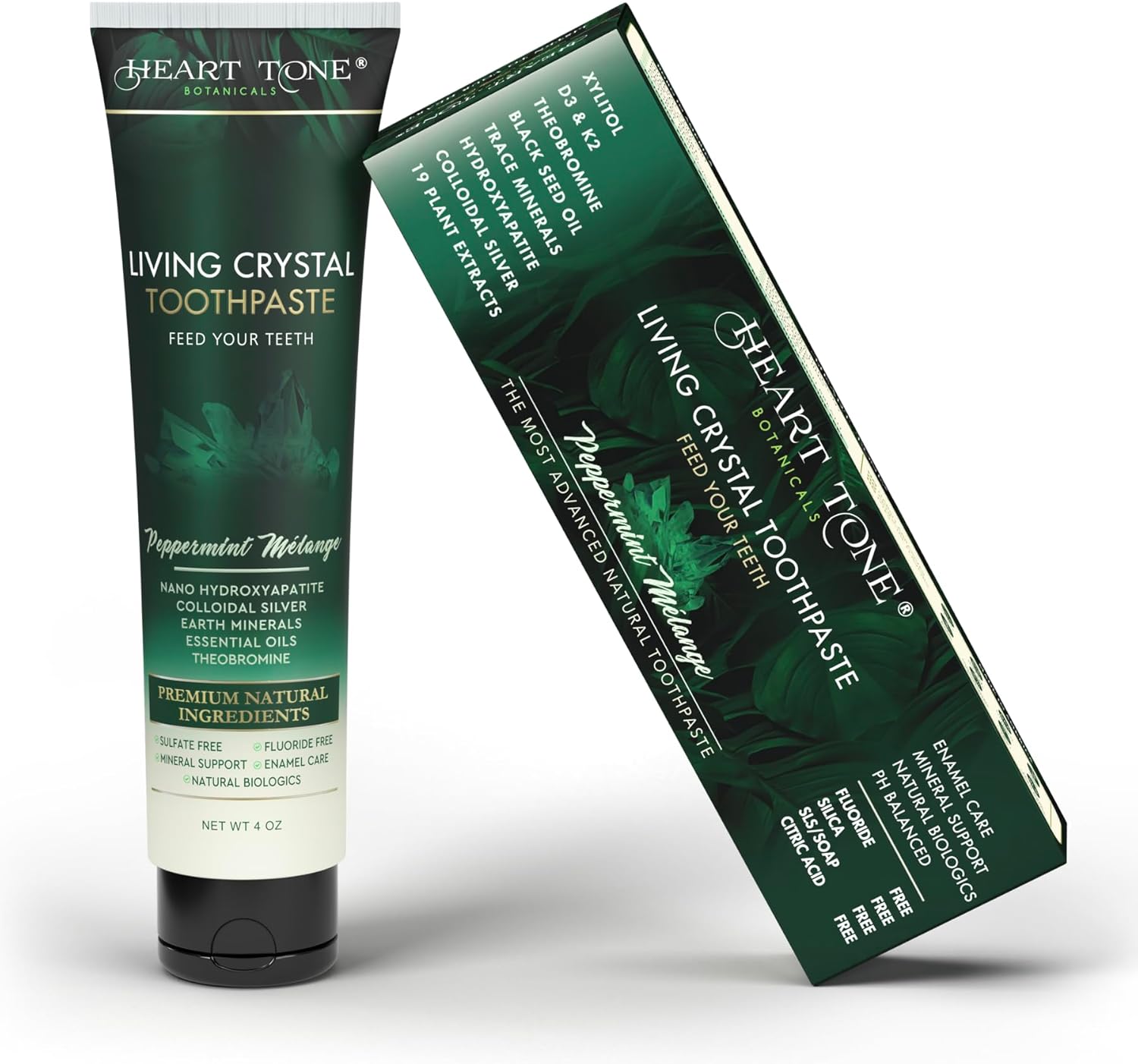
This pairing is why Living Crystal Toothpaste includes both, alongside coconut oil, xylitol, colloidal silver, and farm-grown botanicals — making for one of the more complete fluoride-free formulations available.
What to Look for in a Theobromine Toothpaste
Not all theobromine toothpastes are created equal. Here's what separates a well-formulated product from a marketing gimmick:
- Check the ingredient list — Theobromine should appear alongside other established mineral ingredients like micro-hydroxyapatite, not as a standalone novelty with little else supporting it.
- Avoid SLS and synthetic detergents — Sodium lauryl sulfate can disrupt the mouth's natural moisture balance, working against the gentle character of a botanical formula. Look for clean formulations free of harsh surfactants.
- Look for low abrasion — A toothpaste can have excellent ingredients and still feel harsh if the abrasivity is too high. RDA testing is the standard — anything under 70 is considered low abrasion.
- Demand transparency — Brands that invest in third-party testing stand behind their formulation. Living Crystal Toothpaste scores an RDA of just 35.51 — firmly in the "least abrasive" category.
The Bottom Line
Theobromine isn't a marketing fad — it's a naturally occurring compound from one of nature's most studied plants, with a genuine track record in traditional oral care. When combined with micro-hydroxyapatite in a low-abrasion, fluoride-free formula, it brings a botanical depth to daily oral care that synthetic alternatives simply don't offer.
For those who want to know exactly what's in their toothpaste — and why — theobromine is one of those ingredients that rewards closer attention.

Leave a comment
This site is protected by hCaptcha and the hCaptcha Privacy Policy and Terms of Service apply.