

What Is Bentonite Clay — and Why Is It in Toothpaste?
Bentonite clay is a natural mineral formed from volcanic ash that has been used for centuries in traditional healing practices. In oral care, this remarkable ingredient brings a unique combination of gentle cleansing, mineral delivery, and detoxification that synthetic alternatives simply can't replicate.

If you've been searching for a bentonite clay toothpaste that actually works, here's what the science says about why this ancient mineral deserves a place in your daily oral care routine.
How Bentonite Clay Works in Your Mouth
Bentonite clay carries a strong negative electrical charge. When it comes into contact with positively charged molecules — like heavy metals, toxins, and harmful bacteria — it binds to them and helps draw them away from your teeth and gums.
Think of it as a natural magnet for the things you don't want in your mouth. Research published in the Journal of Antimicrobial Chemotherapy (2019) showed significant antibacterial reduction when clay-based formulations were applied to oral surfaces, while a study in the International Journal of Dental Hygiene (2020) confirmed clay's ability to reduce harmful bacteria without disrupting beneficial oral microbes.
"The best toothpaste ingredients are the ones that clean thoroughly without stripping away what your mouth needs to stay healthy. Bentonite clay does exactly that." — Heart Tone Botanicals
5 Benefits of Bentonite Clay for Your Teeth
1. Gentle, Low-Abrasion Cleaning
Unlike charcoal or baking soda, bentonite clay is a remarkably gentle abrasive. It removes surface stains and plaque without scratching or wearing down enamel. For anyone with sensitive teeth or thinning enamel, this matters. A low RDA (Relative Dentin Abrasivity) score means your toothpaste cleans effectively without causing long-term damage.
2. Natural Mineral Delivery
Bentonite is rich in calcium, magnesium, silica, and other trace minerals that teeth need to stay strong. While it works differently than hydroxyapatite (which directly bonds to enamel), clay creates a mineral-rich environment that supports your mouth's natural remineralization process.
A 2021 study in the Journal of Dental Research found improved mineral content in enamel surfaces treated with clay-containing formulations — suggesting bentonite doesn't just clean, it helps rebuild.
3. pH Balancing
Your mouth's pH plays a critical role in oral health. When pH drops below 5.5 (from sugary foods, acidic drinks, or bacterial activity), enamel begins to demineralize. Bentonite clay is naturally alkaline, helping neutralize acids and keep your oral environment in the safe zone.
This is why clay pairs so well with other alkalizing ingredients like xylitol and coconut oil — together, they create a comprehensive defense against acid erosion.
4. Toxin and Heavy Metal Binding
One of bentonite clay's most studied properties is its ability to adsorb (bind to its surface) toxins and heavy metals. The International Academy of Oral Medicine and Toxicology (IAOMT) published a comprehensive review in 2016 confirming calcium bentonite clay's broad antibacterial and detoxification applications in dentistry.
In practical terms: every time you brush with a clay-based toothpaste, you're actively pulling contaminants away from your teeth and gums.
5. Supports Gum Health
Clay's anti-inflammatory properties can help soothe irritated gums. For anyone dealing with occasional gum tenderness or looking to maintain healthy gum tissue, bentonite provides gentle support without the harsh chemicals found in many conventional gum-care products.
Bentonite Clay vs. Kaolin Clay: What's the Difference?
You'll often see both bentonite and kaolin clay in natural toothpaste formulations. Here's how they compare:

- Bentonite clay: Stronger adsorption properties, higher mineral content, better at binding toxins. Best for deep cleaning and detoxification.
- Kaolin clay: Finer texture, even gentler abrasion. Best for sensitive teeth and polish.
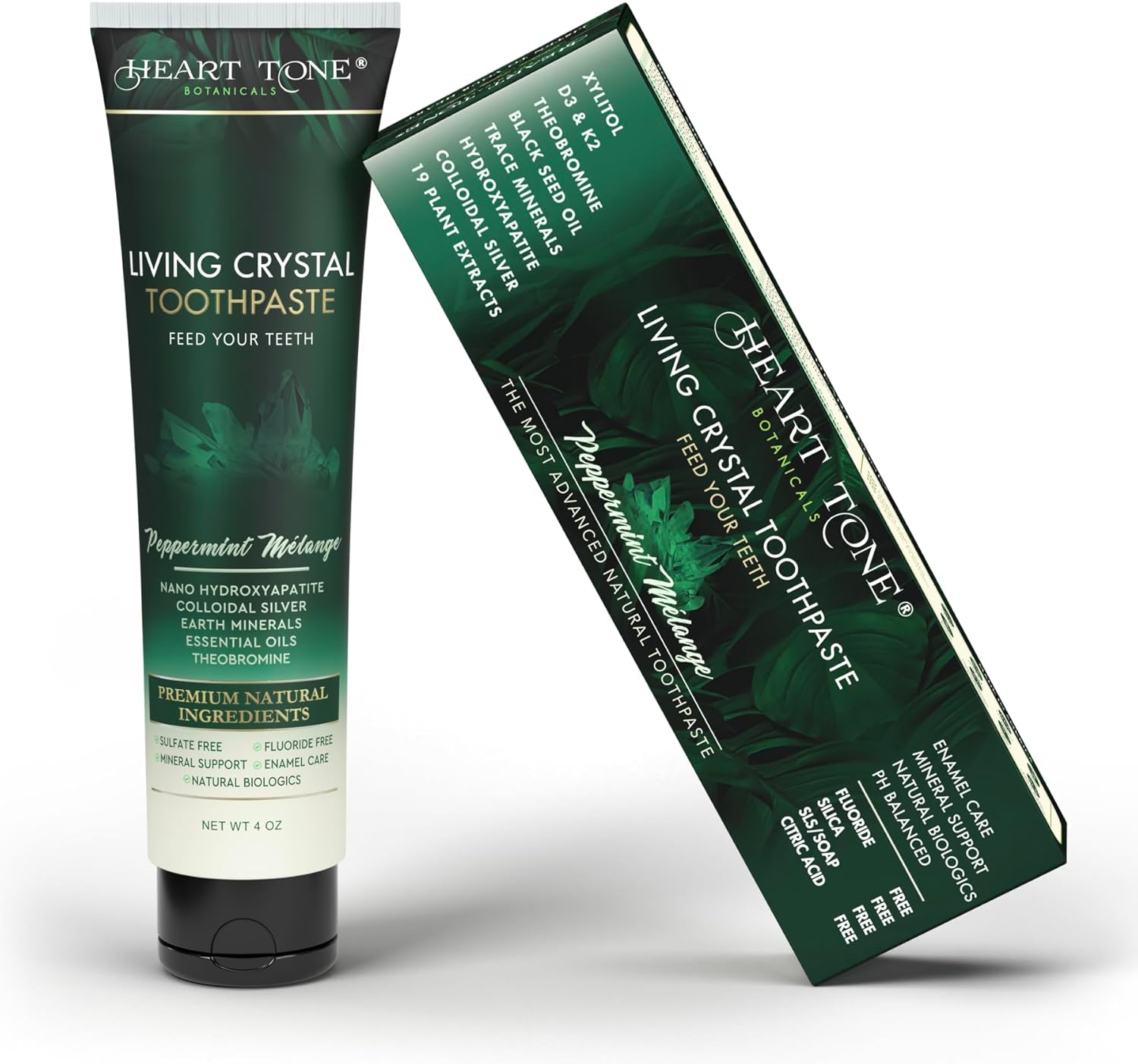
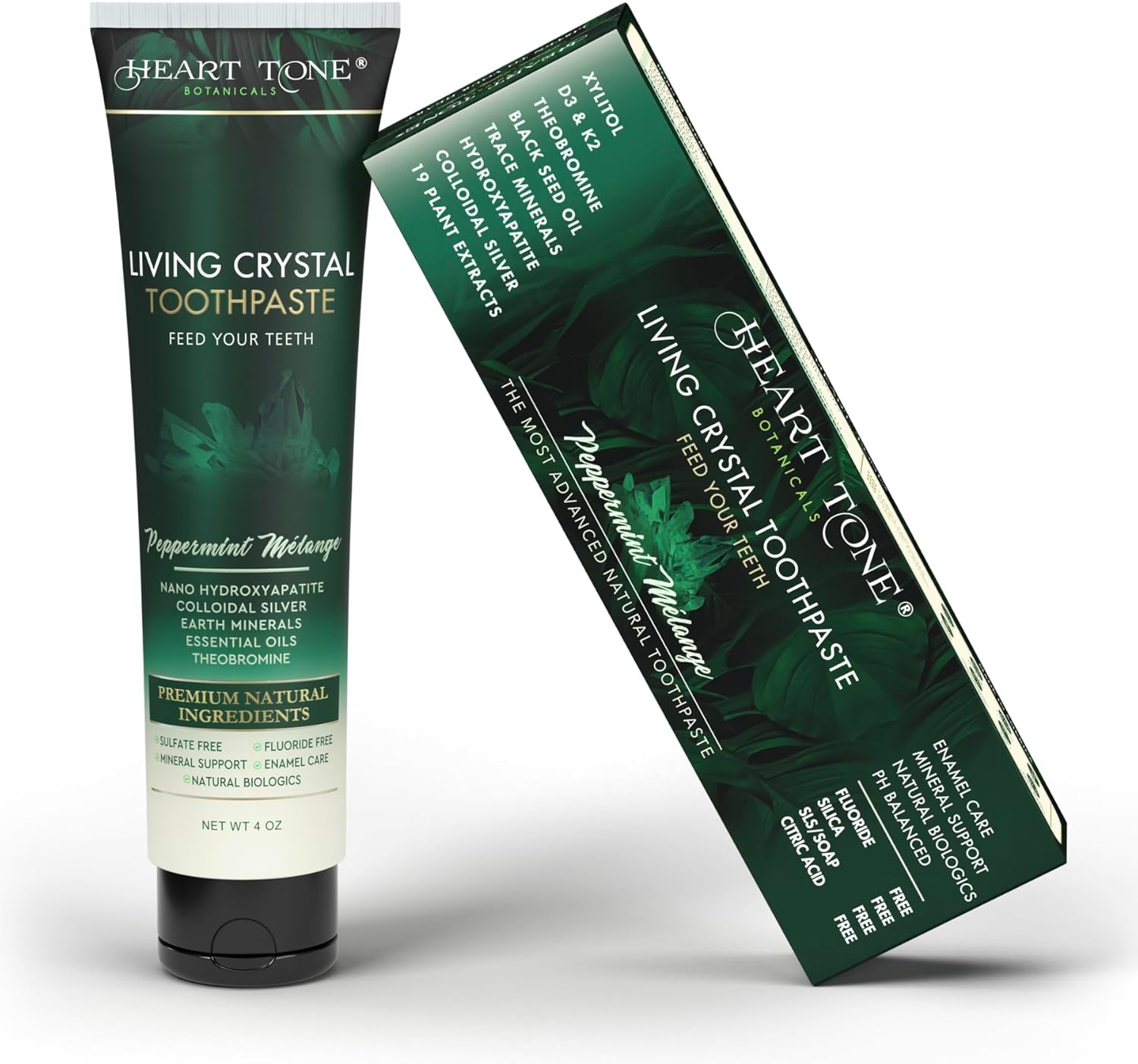
- Together: Many premium natural toothpastes (including Living Crystal Toothpaste) use both clays for a balanced approach — bentonite for its mineral-binding power and kaolin for its ultra-gentle polishing action.
This dual-clay approach is why our RDA score of 35 is so low — the clays work together to clean without scratching.
What to Look For in a Bentonite Clay Toothpaste
Not all clay toothpastes are created equal. Here's what separates the best from the rest:
- Food-grade bentonite clay — industrial-grade clay may contain impurities. Always look for calcium bentonite specifically.
- No SLS or synthetic foaming agents — these can irritate gums and counteract clay's gentle nature. Check our guide on 10 ingredients to avoid in your toothpaste.
- Complementary minerals — the best formulations pair clay with hydroxyapatite, colloidal silver, or other mineral-rich ingredients for multi-layered support.
- Low RDA score — verify the toothpaste has been lab-tested for abrasiveness. An RDA under 70 is considered low; under 40 is ultra-low.
- No artificial flavors or sweeteners — natural mint oils and xylitol are the gold standard.
The Living Crystal Approach: Clay + Micro-Hydroxyapatite + 20 Active Ingredients
Living Crystal Toothpaste combines bentonite and kaolin clays with micro-hydroxyapatite — the same mineral that makes up 97% of your tooth enamel. While the clays gently clean, detoxify, and balance pH, hydroxyapatite fills microscopic enamel gaps and bonds directly to your teeth.
Add in colloidal silver for broad-spectrum antibacterial support, theobromine for enamel strengthening, neem grown on our own farm, and coconut oil for oil-pulling benefits in every brush — and you have a formula where bentonite clay is one star in a full constellation of active ingredients.
Frequently Asked Questions
Is bentonite clay safe for daily use in toothpaste?
Yes. Food-grade calcium bentonite clay has been used safely in oral care for decades. Its low abrasiveness makes it suitable for twice-daily brushing, even for people with sensitive teeth or thin enamel. Look for toothpastes with a verified low RDA score.
Does bentonite clay whiten teeth?
Bentonite clay provides gentle surface-stain removal rather than chemical bleaching. Over time, consistent use can brighten teeth naturally by removing buildup without damaging enamel — a safer approach than peroxide-based whitening treatments.
Can I use bentonite clay toothpaste with braces or dental work?
Bentonite clay toothpaste is generally safe for use with braces, veneers, and other dental work. Its low abrasiveness is actually an advantage — it's less likely to damage brackets or scratch restorations than many conventional toothpastes.
What's better: bentonite clay or activated charcoal toothpaste?
Bentonite clay is generally the better choice. Charcoal can be highly abrasive (RDA scores often exceed 100), which risks enamel damage over time. Bentonite clay provides similar detoxification benefits with significantly lower abrasion. A 2017 systematic review published in the Journal of the American Dental Association cautioned against regular charcoal toothpaste use due to insufficient evidence of safety.
How does bentonite clay compare to fluoride?
They work differently. Fluoride creates a chemical barrier (fluorapatite) on teeth, while bentonite clay provides mineral support and detoxification. Many people choose clay-based toothpastes specifically because they want a fluoride-free alternative that still supports enamel health through natural mineral delivery.
Other Botanicals Working Alongside Bentonite Clay in Living Crystal
Bentonite clay is one piece of a multi-mineral, multi-botanical formula. Living Crystal Toothpaste also features Organic Calendula Flower CO2 extract — a clinically studied botanical with documented reductions in plaque index, gingival inflammation, and periodontal bacteria counts. Together with bentonite's adsorptive cleaning and kaolin's gentle polishing, calendula CO2 adds a targeted anti-inflammatory layer specifically at the gum line.
These ingredients aren't stacked at random. They're designed to cover distinct biological targets — enamel remineralization (hydroxyapatite + theobromine), mineral environment (zinc citrate + zeolite), cleaning (kaolin + bentonite), and gum tissue support (calendula CO2 + colloidal silver) — in a single brush.

Leave a comment
This site is protected by hCaptcha and the hCaptcha Privacy Policy and Terms of Service apply.