

If you've ever felt a stinging sensation after brushing or noticed your mouth feels stripped and dry, sodium lauryl sulfate might be the culprit. SLS is the foaming agent in most conventional toothpastes — and while that bubbly lather feels familiar, it's doing more harm than good for a lot of people.

Here's what the research says about SLS in toothpaste, why going SLS-free matters, and what to look for in a cleaner formula.
What Is Sodium Lauryl Sulfate (SLS)?
Sodium lauryl sulfate is a synthetic surfactant — a chemical that reduces surface tension to create foam. It's used in everything from dish soap to shampoo to industrial cleaning products. In toothpaste, SLS creates that familiar lather that many people associate with a "clean" feeling.
But here's the truth: foam doesn't clean your teeth. Proper brushing technique and gentle abrasives do the actual work. SLS is there for sensation, not function.
Why SLS Is a Problem in Toothpaste
1. It Irritates Soft Tissue
SLS is a known irritant to the delicate mucous membranes inside your mouth. Research published in the Journal of Clinical Periodontology found that SLS-containing toothpastes significantly increased the occurrence of desquamation — peeling of the oral lining. If your gums feel raw or your cheeks sting after brushing, SLS is likely the reason.
2. It's Linked to Canker Sores
Multiple clinical studies have found a connection between SLS and recurrent aphthous ulcers (canker sores). A study in the Journal of Oral Pathology & Medicine showed that participants who switched to SLS-free toothpaste experienced fewer canker sores and faster healing. If you're prone to mouth ulcers, removing SLS from your routine is one of the first things dentists recommend.
3. It Disrupts Your Oral Microbiome
Your mouth is home to hundreds of bacterial species — many of them beneficial. SLS is an indiscriminate surfactant that doesn't distinguish between harmful bacteria and the protective ones your mouth needs. A balanced oral microbiome is essential for fresh breath, healthy gums, and natural cavity resistance.
4. It Can Worsen Dry Mouth
SLS strips away the protective mucous layer that keeps your mouth hydrated. For people who already deal with dry mouth, this compounds the problem — leading to increased bacterial growth, bad breath, and a higher risk of cavities.
5. It Alters Taste Perception
Ever notice that orange juice tastes terrible right after brushing? That's SLS. The surfactant temporarily suppresses your sweet taste receptors while enhancing bitter ones. While this is harmless, it's a reminder that SLS is actively altering the chemistry inside your mouth.
What to Look For in an SLS-Free Toothpaste
Not all SLS-free toothpastes are created equal. Some brands remove SLS but replace it with other synthetic surfactants (like sodium laureth sulfate or cocamidopropyl betaine) that can cause similar issues. Here's what actually matters:
Gentle, Effective Cleaning
Look for natural abrasives that clean without stripping. Bentonite clay and calcium carbonate are excellent options that polish teeth without the harsh scrubbing action of synthetic abrasives. A toothpaste with a low RDA score (under 70) means it's gentle enough for daily use without wearing down enamel.
Remineralization Support
Micro-hydroxyapatite is the gold standard for natural remineralization. It's the same mineral that makes up 97% of your tooth enamel, and it works by filling in microscopic gaps in the enamel surface. Unlike fluoride, hydroxyapatite is biocompatible and safe to swallow — making it ideal for the whole family.
Natural Antibacterial Ingredients
Without SLS foam, you want ingredients that actively support oral health. Colloidal silver provides broad-spectrum antibacterial support. Neem has been used for thousands of years in Ayurvedic oral care. Xylitol starves the bacteria that cause cavities while adding a natural sweetness.

Clean Ingredient List
If you're removing SLS, go all the way. Avoid toothpastes that still contain artificial sweeteners (saccharin, aspartame), synthetic dyes, titanium dioxide, or triclosan. A good rule: if you can't pronounce half the ingredients, keep looking.
"We never put SLS, fluoride, or synthetic detergents in our formulas. Your mouth shouldn't need an industrial cleaner — it needs botanical ingredients that work with your body's natural chemistry." — JD, Heart Tone Botanicals founder
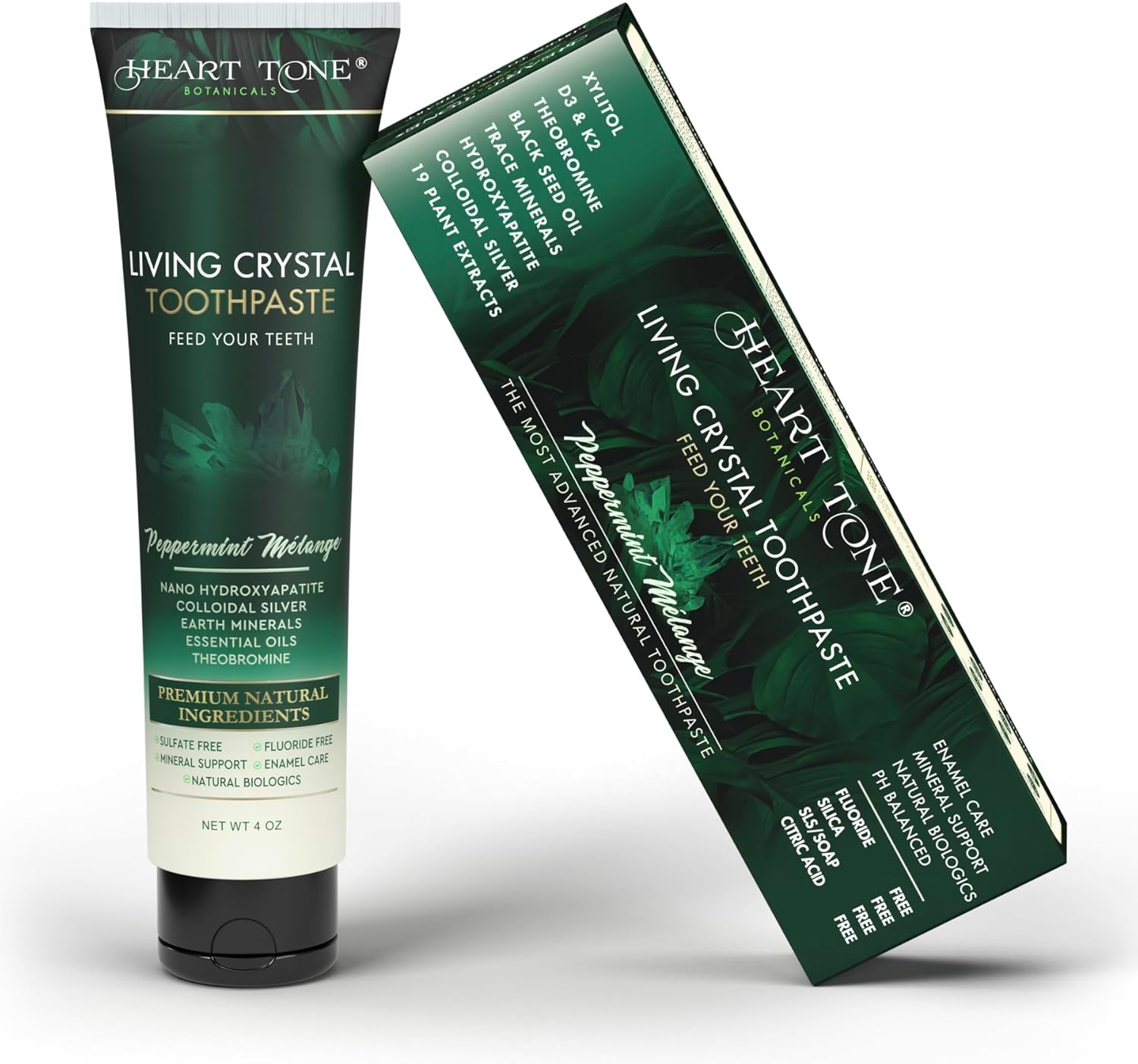
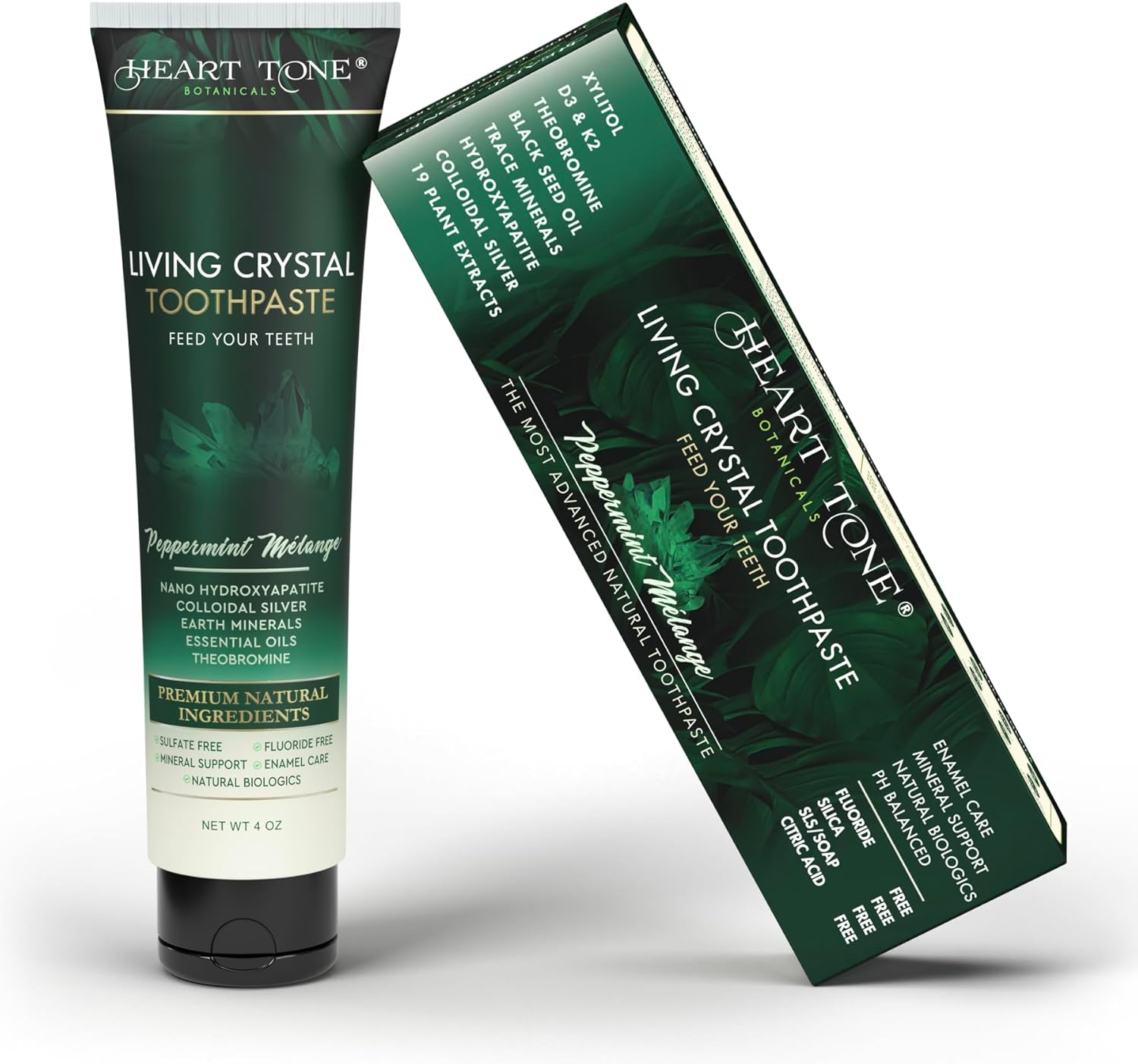
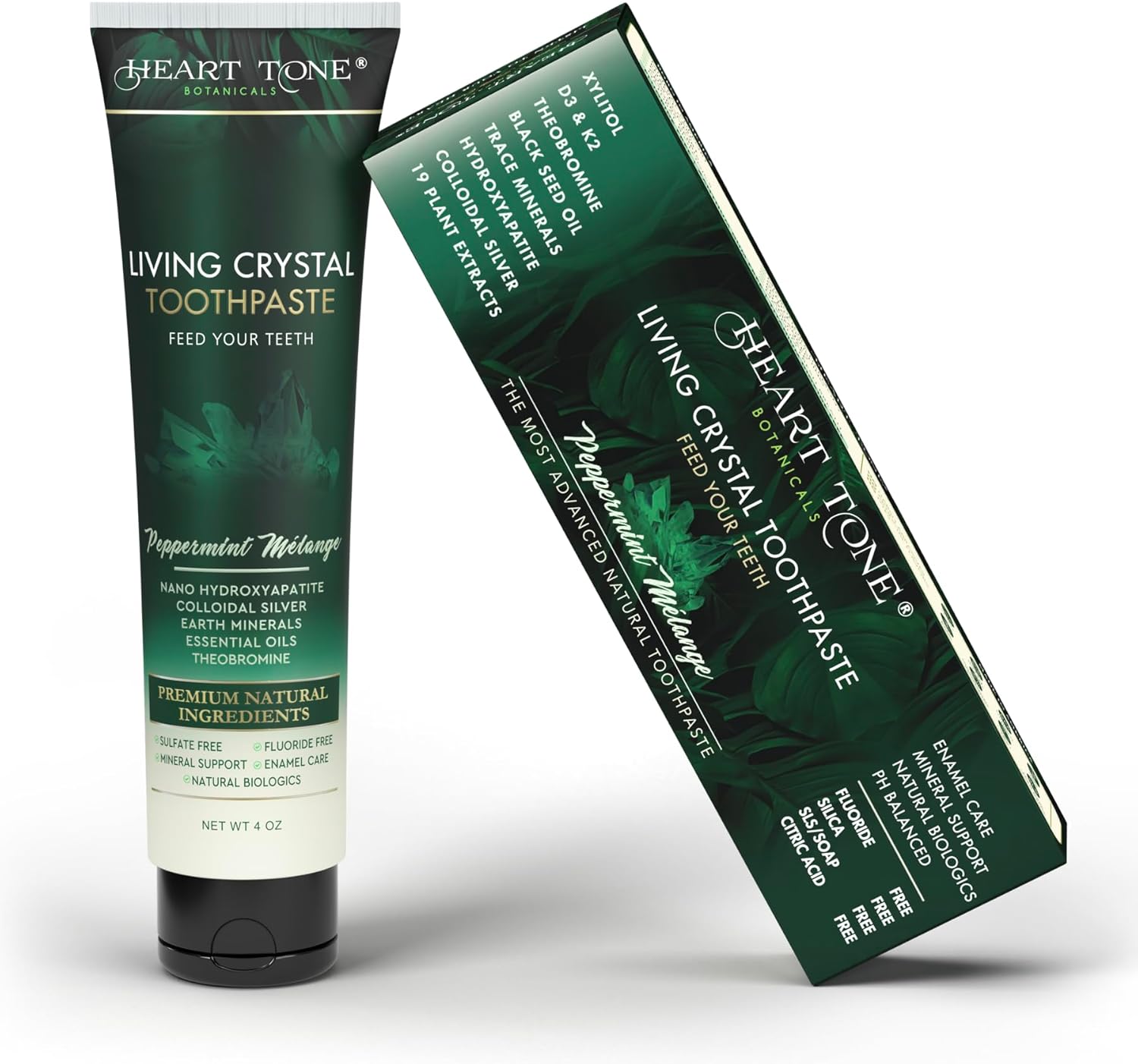
Living Crystal: An SLS-Free Toothpaste Built Different
Living Crystal Toothpaste was formulated from the ground up to be SLS-free — not as a marketing afterthought, but as a core principle. Every ingredient serves a purpose:
- Micro-hydroxyapatite — remineralizes enamel naturally
- Theobromine (from cacao) — supports enamel crystal growth
- Organic coconut oil — antibacterial and moisturizing
- Colloidal silver — broad-spectrum oral care support
- Neem — ancient antibacterial grown on our farm in Vero Beach, FL
- Xylitol — cavity-fighting natural sweetener
With an ultra-low RDA of 35, Living Crystal is one of the gentlest toothpastes available — clinically low-abrasion, safe for sensitive teeth, and effective without a single drop of SLS.
The "No Foam" Adjustment
The biggest hurdle for people switching to SLS-free toothpaste? The lack of foam. We've been conditioned to associate bubbles with clean, but that's just marketing. Your teeth are getting cleaner with proper brushing technique and quality ingredients — not from a surfactant that's also used in car wash soap.
Most people adjust within a week. You'll actually notice your mouth feels better — less dry, less irritated, with a cleaner feeling that lasts longer because your natural oral moisture isn't being stripped away.
Frequently Asked Questions
Is SLS in toothpaste dangerous?
SLS is not classified as dangerous by the FDA, but it is a known irritant. For people with sensitive mouths, canker sores, or dry mouth, removing SLS can make a significant difference in comfort and oral health.
Does SLS-free toothpaste clean as well?
Yes. Clinical research confirms that SLS-free toothpastes clean just as effectively as their foaming counterparts. The cleaning action comes from gentle abrasives and brushing technique, not from foam.
Why do most toothpastes still use SLS?
Cost and consumer expectation. SLS is extremely cheap to manufacture, and decades of marketing have trained consumers to expect foam. As awareness grows about SLS's downsides, more brands are removing it — but many still use it as a filler ingredient.
What's the difference between SLS and SLES?
Sodium laureth sulfate (SLES) is a slightly milder version of SLS, but it goes through an additional chemical process called ethoxylation that can leave trace amounts of 1,4-dioxane, a potential carcinogen. Neither belongs in a clean toothpaste formula.
Can children use SLS-free toothpaste?
Absolutely. SLS-free toothpaste is actually a better choice for children because their oral tissues are more delicate and they're more likely to swallow toothpaste. A formula with micro-hydroxyapatite instead of fluoride is safe if swallowed and effective at protecting developing teeth.

Leave a comment
This site is protected by hCaptcha and the hCaptcha Privacy Policy and Terms of Service apply.