

If you've ever snapped open an aloe leaf and smoothed the cool gel across a sunburn, you already know this plant does something remarkable for skin. Now imagine that same soothing, moisture-rich power built into the soap you use every day.

Aloe vera has been used in skin care for thousands of years — from ancient Egyptian "plant of immortality" remedies to modern clinical dermatology. When it's included in a handcrafted bar soap (instead of just sitting in a bottle on a shelf), it works with every wash to hydrate, calm, and protect your skin in ways that conventional soaps simply can't match.
Here's what the research actually says — and why aloe vera soap deserves a permanent place in your shower.
What Makes Aloe Vera So Good for Skin?
Aloe vera gel contains over 75 bioactive compounds, including:
- Polysaccharides — long-chain sugars that lock moisture into skin cells and form a protective barrier
- Vitamins A, C, and E — antioxidants that neutralize free radicals and support collagen production
- Natural salicylic acid — a gentle exfoliant that unclogs pores without stripping skin
- Enzymes (bradykinase, catalase) — reduce inflammation and support wound healing
- Amino acids and minerals — the building blocks your skin needs to repair and regenerate
When these compounds are preserved in a cold-processed soap (rather than destroyed by high-heat manufacturing), they remain active and bioavailable every time you lather up.
7 Research-Backed Benefits of Aloe Vera Soap
1. Deep Hydration Without the Greasy Feel
A 12-week clinical study published in the Annals of Dermatology found that topical aloe vera significantly increased skin hydration — from 24.3 to 26.8 units — while also improving elasticity. Unlike petroleum-based moisturizers that sit on top of skin, aloe's polysaccharides penetrate the outer layer and draw moisture inward.
For soap, this matters because most conventional bars strip your skin's natural oils. An aloe-enriched bar actually replenishes moisture as it cleanses.
2. Calms Inflammation and Irritation
Aloe vera contains compounds like acemannan and bradykinase that actively reduce redness, swelling, and irritation. Research published in the Journal of the Medical Association of Thailand found aloe vera was as effective as 0.1% triamcinolone acetonide (a prescription steroid cream) for reducing skin inflammation.
If you deal with contact dermatitis, razor burn, or general skin sensitivity, an aloe-based soap provides gentle, anti-inflammatory cleansing that won't make things worse.
3. Supports Acne-Prone Skin
Aloe vera's natural salicylic acid content makes it a gentle acne fighter. It unclogs pores, reduces the bacteria that cause breakouts, and calms the redness that comes with active acne — all without the drying, peeling side effects of synthetic acne washes.
A study in the Journal of Dermatological Treatment confirmed that aloe vera combined with tretinoin was significantly more effective for acne than tretinoin alone, suggesting aloe enhances other active ingredients while reducing their side effects.
4. Accelerates Wound Healing
This is one of aloe's most well-documented benefits. A comprehensive review in the Annals of Plastic Surgery found that aloe vera reduced burn healing time by approximately 9 days compared to conventional treatments. The mechanism: aloe stimulates fibroblast activity (the cells that produce collagen) and increases blood flow to damaged areas.
Using aloe soap on minor cuts, scrapes, or post-shave skin provides consistent, low-level healing support with every wash.
5. Anti-Aging and Collagen Support
A 90-day study on women over 45 found that aloe vera supplementation significantly increased collagen production and reduced wrinkle depth. While that study used oral aloe sterols, topical aloe has also been shown to boost collagen — with ultrasound imaging confirming higher collagen density (59.1 vs. 54.8) in aloe-treated skin.
The combination of vitamins A, C, and E in aloe vera provides antioxidant protection against the UV damage and environmental stress that accelerate skin aging.
6. Natural Antimicrobial Protection
Aloe vera exhibits antimicrobial activity against common skin pathogens including Staphylococcus aureus, Escherichia coli, and Candida albicans. This makes it especially useful in soap, where antimicrobial action during cleansing helps maintain healthy skin flora without the harsh chemicals found in antibacterial soaps (like triclosan, which the FDA banned from consumer wash products in 2016).

7. Soothes Psoriasis and Eczema
A double-blind, placebo-controlled study found that aloe vera cream achieved an 83.3% cure rate for psoriasis plaques, compared to just 6.6% for the placebo group. While soap delivers less concentrated exposure than a leave-on cream, regular washing with aloe-enriched soap provides consistent, gentle support for chronic skin conditions.
Not All Aloe Vera Soaps Are Equal
Here's where things get real: the aloe vera in most commercial "aloe soaps" is a trace ingredient. It's listed last on the label, heavily processed, and diluted to the point of being cosmetically meaningless. The soap base is still made from the same synthetic detergents, artificial fragrances, and preservatives that cause skin problems in the first place.
For aloe to actually work in soap, three things need to be true:
- The aloe must be a primary ingredient — not a marketing afterthought at 0.5% concentration
- The soap must be cold-processed — high-heat manufacturing destroys aloe's delicate enzymes and vitamins
- The aloe should be fresh and minimally processed — freeze-dried or heat-treated aloe loses significant bioactivity
What About Growing Your Own Aloe?
The quality of aloe vera depends enormously on how it's grown. Conventionally farmed aloe often relies on pesticides and synthetic fertilizers that can leave residues in the final product — and those residues end up on your skin.
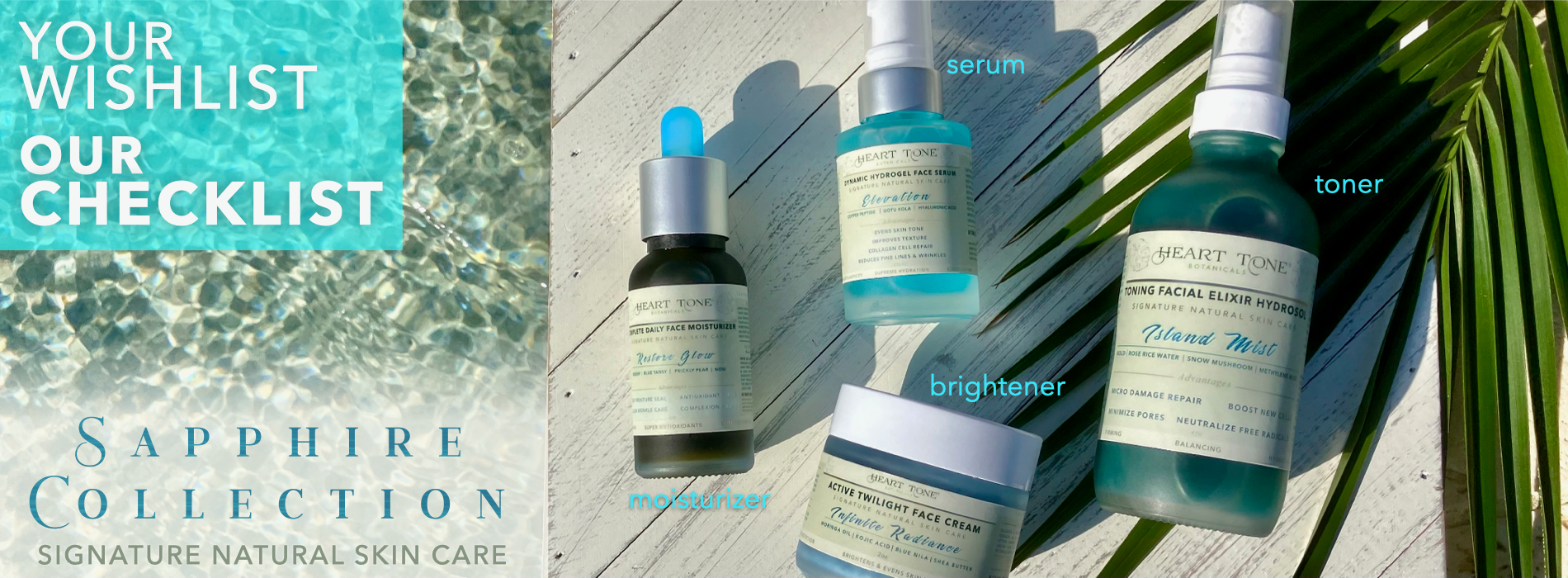
At Heart Tone Botanicals, we grow our own aloe vera on our natural regenerative farm in Vero Beach, Florida. No pesticides. No synthetic fertilizers. Just sun, soil, and care. When we harvest aloe for our Ancient Organic Soap Aloe Fields, it goes from plant to soap within hours — not weeks in a warehouse.
That freshness matters. Research shows that aloe vera gel begins losing bioactive compounds within 24 hours of harvesting unless properly stabilized. Farm-to-bottle soap making eliminates that degradation entirely.
Who Benefits Most from Aloe Vera Soap?
While anyone can benefit from switching to aloe-enriched soap, it's especially valuable for:
- Sensitive skin — aloe's anti-inflammatory properties make it one of the gentlest natural cleansers available
- Dry skin — the polysaccharide-driven hydration addresses the root cause, not just the symptoms
- Acne-prone skin — natural salicylic acid provides gentle, ongoing pore management
- Aging skin — collagen support and antioxidant protection in every wash
- Post-workout or active lifestyles — antimicrobial cleansing without harsh chemicals
- Anyone recovering from minor skin injuries — cuts, scrapes, sunburn, razor burn
How to Get the Most from Your Aloe Vera Soap
- Use warm (not hot) water — hot water strips natural oils and counteracts aloe's moisturizing effects
- Let the lather sit for 30-60 seconds — this gives the aloe's bioactive compounds time to absorb
- Pat dry, don't rub — rubbing removes the thin film of aloe that continues working after you rinse
- Use it consistently — the hydration and anti-inflammatory benefits build over time with regular use
The Bottom Line
Aloe vera soap isn't a gimmick — it's one of the most research-supported natural ingredients in skin care history. The key is choosing a soap where aloe is actually doing the work: cold-processed, freshly sourced, and present in meaningful concentration.
Your skin is your largest organ. It absorbs what you put on it. Choose ingredients that heal, hydrate, and protect — not ingredients you need a chemistry degree to pronounce.
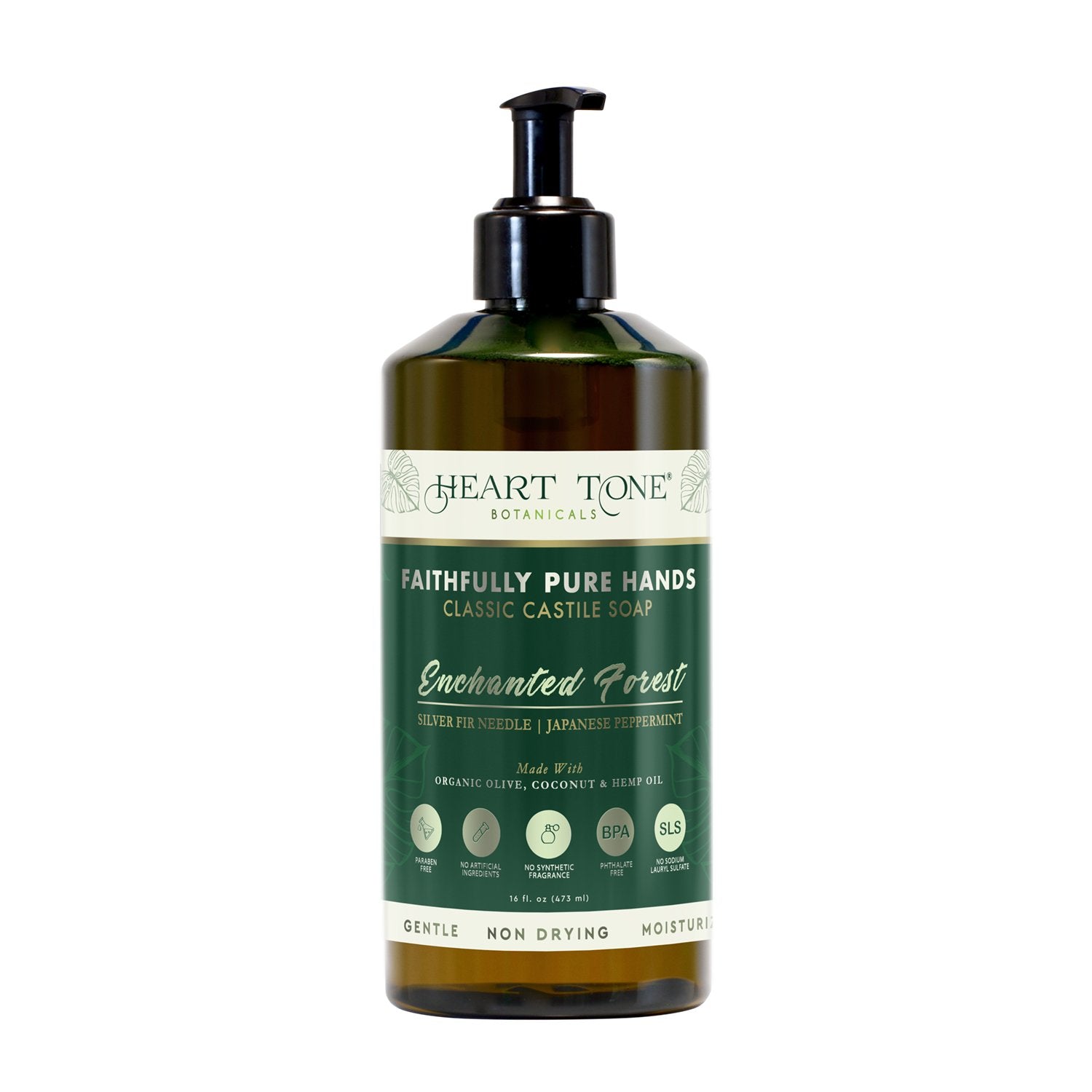
Ready to feel the difference? Try our Ancient Organic Soap Aloe Fields — handcrafted with aloe vera grown on our own pesticide-free farm. Or explore our full collection of natural personal care products, including our Alpha Bar and Coconut Creme soaps.
Frequently Asked Questions
Is aloe vera soap good for sensitive skin?
Yes. Aloe vera is one of the gentlest natural ingredients available for skin care. Its anti-inflammatory compounds (acemannan, bradykinase) actively calm irritation, and clinical research shows it's as effective as prescription steroid creams for reducing skin inflammation — without the side effects. Look for soaps where aloe is a primary ingredient, not a trace additive.
Can aloe vera soap help with acne?
Aloe vera contains natural salicylic acid, which unclogs pores and reduces acne-causing bacteria without the harsh drying effects of synthetic acne washes. Research shows that aloe vera enhances the effectiveness of other acne treatments while reducing their side effects. For best results, use it consistently as part of your daily cleansing routine.
What's the difference between aloe vera soap and regular soap?
Most conventional soaps use synthetic detergents (like sodium lauryl sulfate) that strip your skin's natural moisture barrier. Aloe vera soap — when properly made with real, cold-processed aloe — cleanses while actively hydrating and protecting your skin. The polysaccharides in aloe form a moisture-locking layer that conventional soaps don't provide.
How often should I use aloe vera soap?
Daily use is perfectly safe and recommended. The hydration, anti-inflammatory, and antimicrobial benefits of aloe vera build with consistent use. Use it for your face and body in the shower, and you'll notice softer, more hydrated skin within the first week.

Leave a comment
This site is protected by hCaptcha and the hCaptcha Privacy Policy and Terms of Service apply.