

What Is Colloidal Silver — and Why Is It in Toothpaste?
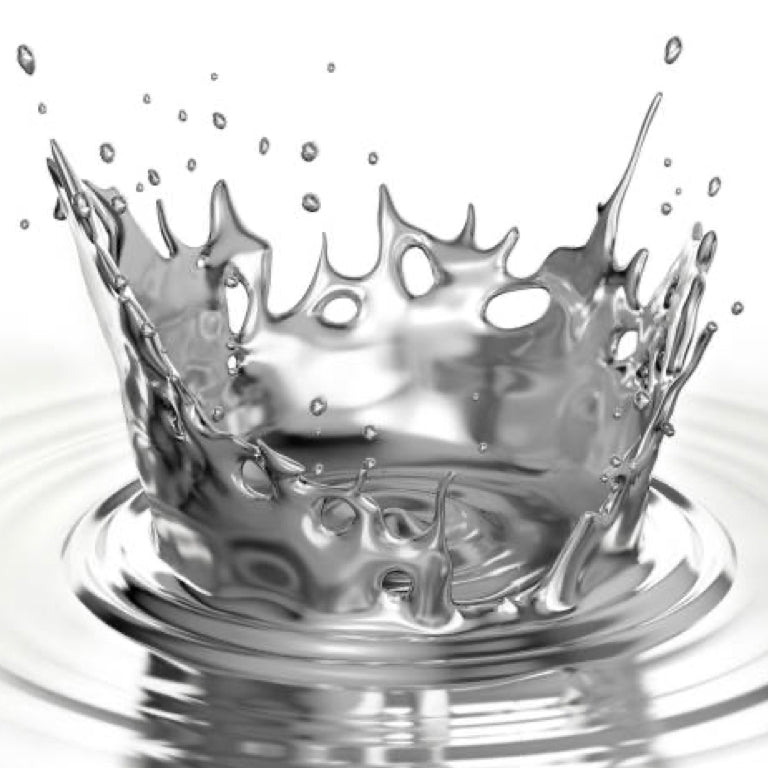
Colloidal silver is a suspension of microscopic silver particles in purified water. It has been used for thousands of years as a natural traditional botanical ingredient — long before modern synthetic oral care products existed. In recent years, researchers have turned their attention to how colloidal silver performs in oral care contexts, studying its character in aqueous oral environments and its compatibility with other botanical ingredients.

Unlike harsh synthetic formulas that can leave the mouth feeling dry and stripped after brushing, colloidal silver contributes a clean, comfortable, non-drying sensation — a character that has made it a trusted botanical mineral in traditional oral care for centuries. That's why it's become a key ingredient in Living Crystal Toothpaste — working alongside micro-hydroxyapatite, theobromine, and xylitol to support a cleaner, more comfortable daily experience.
What Researchers Have Examined
Scientists studying colloidal silver in oral care contexts have focused on several areas of interest. Studies published in peer-reviewed journals have examined how silver particles interact with surfaces in aqueous oral environments, how silver ions behave in saliva, and how colloidal silver compares to conventional oral care ingredients in sensory character and formulation compatibility.
What the research landscape reflects is that colloidal silver is a well-studied ingredient with a meaningful history in traditional oral care — and one that continues to attract scientific attention because of that heritage. Additional research from the Open Dentistry Journal has examined mouthwash containing silver nanoparticles, noting sensory markers consistent with a clean, comfortable oral environment — including salivary pH values close to neutral range, which supports comfortable daily use.
"Silver's botanical character has been recognized for centuries. Modern nanotechnology allows us to work with stable, consistent silver suspensions suited for daily topical use in oral care." — Heart Tone Botanicals
Why Colloidal Silver Belongs in Natural Toothpaste
For anyone seeking a fluoride-free toothpaste that delivers a meaningful daily experience, colloidal silver fills an important role. Here's what it brings to a natural formula:
1. Centuries of Traditional Use
Silver has been part of personal care traditions for millennia. Ancient civilizations stored water and food in silver vessels to preserve freshness. Surgeons historically used silver-coated instruments. Modern medicine still uses silver in wound dressings and catheters. In oral care specifically, silver has appeared in traditional formulations across cultures and centuries — making it one of the oldest documented botanical oral care ingredients still in active use today.
2. Non-Drying, Comfortable Daily Character
Synthetic oral care ingredients like triclosan and chlorhexidine are effective, but they can be harsh — leaving the mouth feeling dry, stripped, or altered in taste with extended use. Colloidal silver's character is gentler, contributing to a fresh, comfortable feeling rather than a chemical one. That's why it pairs well with other gentle botanical ingredients like xylitol and coconut oil.
3. Comfortable Daily Gum-Area Care
Colloidal silver's long history of traditional use along the gumline is part of why it's included in formulas specifically designed for sensitive or easily uncomfortable gums. For anyone managing discomfort or a heightened awareness in the gum area, a toothpaste with colloidal silver offers a gentle botanical approach to daily care — not a treatment, but a consistent, comfortable daily support ingredient.
4. Natural Formula Preservation
Colloidal silver also serves as a natural preservative in toothpaste formulations, helping maintain formula freshness without the synthetic preservatives that would otherwise be required. It's a dual-purpose ingredient — contributing to your daily brushing experience and protecting the formula's botanical integrity.
Colloidal Silver + Micro-Hydroxyapatite: A Meaningful Combination
When colloidal silver is paired with micro-hydroxyapatite, you get a toothpaste that addresses daily cleansing and mineral support simultaneously:
- Colloidal silver contributes its traditional botanical character — gentle, non-drying, compatible with other botanicals
- Micro-hydroxyapatite provides mineral support — filling microscopic surface irregularities, supporting comfortable enamel, and contributing to a mineral-rich daily environment
This is exactly the approach behind Living Crystal Toothpaste. Rather than relying on a single active ingredient, it combines colloidal silver, micro-hydroxyapatite, theobromine, xylitol, zinc citrate, and bentonite clay into a formula where each ingredient supports the others.

What to Look for in a Colloidal Silver Toothpaste
Not all colloidal silver toothpaste is created equal. If you're shopping for one, here's what matters:
- True colloidal silver, not ionic silver — Colloidal silver (particles suspended in liquid) has lower biological interaction potential and better compatibility with human oral tissue than ionic silver salts, according to research on silver formulations
- Low RDA score — A toothpaste's abrasivity matters. Look for an RDA under 70 to keep enamel comfortable while you brush. Our Living Crystal Toothpaste has an RDA of 35
- Complementary mineral ingredients — Colloidal silver works best alongside mineral support like hydroxyapatite and botanicals like xylitol
- No SLS, no parabens, no artificial sweeteners — If the goal is clean oral care, the rest of the formula should match. Check for ingredients to avoid
- Transparent sourcing — Know where the silver comes from and how the product is made
Frequently Asked Questions
Is colloidal silver safe in toothpaste?
Colloidal silver used in toothpaste is present in small concentrations intended for topical oral use — not ingestion. Research confirms that colloidal silver has a favorable profile in oral care concentrations and is compatible with oral tissue. The concern about argyria (skin discoloration) is associated with high-dose oral supplementation over extended periods, not trace amounts in a brush-and-spit toothpaste formula.
Does colloidal silver replace fluoride?
Colloidal silver and fluoride contribute differently to an oral care routine. Fluoride primarily works through enamel chemistry, while colloidal silver brings its traditional botanical character — gentle, non-drying, and compatible with other botanical ingredients. In a well-formulated natural toothpaste, colloidal silver pairs with micro-hydroxyapatite to address both daily botanical care and mineral support — without fluoride.
How does colloidal silver compare to chlorhexidine?
Chlorhexidine is used in clinical oral care contexts for short-term specific applications, but comes with side effects including tooth staining, altered taste, and changes to the oral environment with extended use. Colloidal silver offers a gentler, more botanically aligned daily-use alternative — without those side effects — for people seeking a natural daily oral care experience rather than a clinical intervention.
Can I use colloidal silver toothpaste with braces or dental work?
Yes. Colloidal silver's gentle, non-drying character makes it well-suited for daily use alongside braces, retainers, and other dental appliances — where consistent, gentle daily care along all surfaces is especially important.
The Bottom Line
Colloidal silver isn't a trend — it's a traditional botanical mineral with thousands of years of use and growing scientific interest. In toothpaste, it contributes a gentle, non-drying daily botanical experience, supports the formula's natural freshness, and works in concert with mineral ingredients like micro-hydroxyapatite and theobromine. Combined with plant-based extracts and a clean ingredient panel, colloidal silver is a cornerstone of what makes genuinely natural oral care possible.
Shop Living Crystal Toothpaste →
More Botanical Actives in Living Crystal Toothpaste
Colloidal silver is one of several traditional botanicals in Living Crystal Toothpaste. The formula also includes Usnea lichen (usnic acid) — an ancient botanical with a long history in traditional personal care — and Myrrh CO₂ for traditional oral care character and aromatic depth.
Looking for more ingredient deep-dives? See how kaolin clay works alongside colloidal silver in a complete natural toothpaste formula — and what the RDA difference actually means for your enamel.
Also in the Living Crystal ingredient series: Myrrh in Toothpaste: Ancient Resin, Real Benefits · Zinc Citrate · Zeolite Clinoptilolite
This article now points readers to the current main guide for this topic. Use these links to keep the full colloidal silver oral care topic together:


Leave a comment
This site is protected by hCaptcha and the hCaptcha Privacy Policy and Terms of Service apply.