

If you've been searching for a fluoride-free toothpaste built around alternative oral care ingredients, you've likely come across two that are generating real interest: theobromine and micro-hydroxyapatite (mHAP). Both have cultivated a following among people who prefer to keep their daily routine free of fluoride and synthetic actives — and together, they form the foundation of a distinctive botanical toothpaste experience.

Here's a closer look at what each ingredient is, where it comes from, and why this combination is attracting attention in the natural oral care space.
What Is Theobromine?
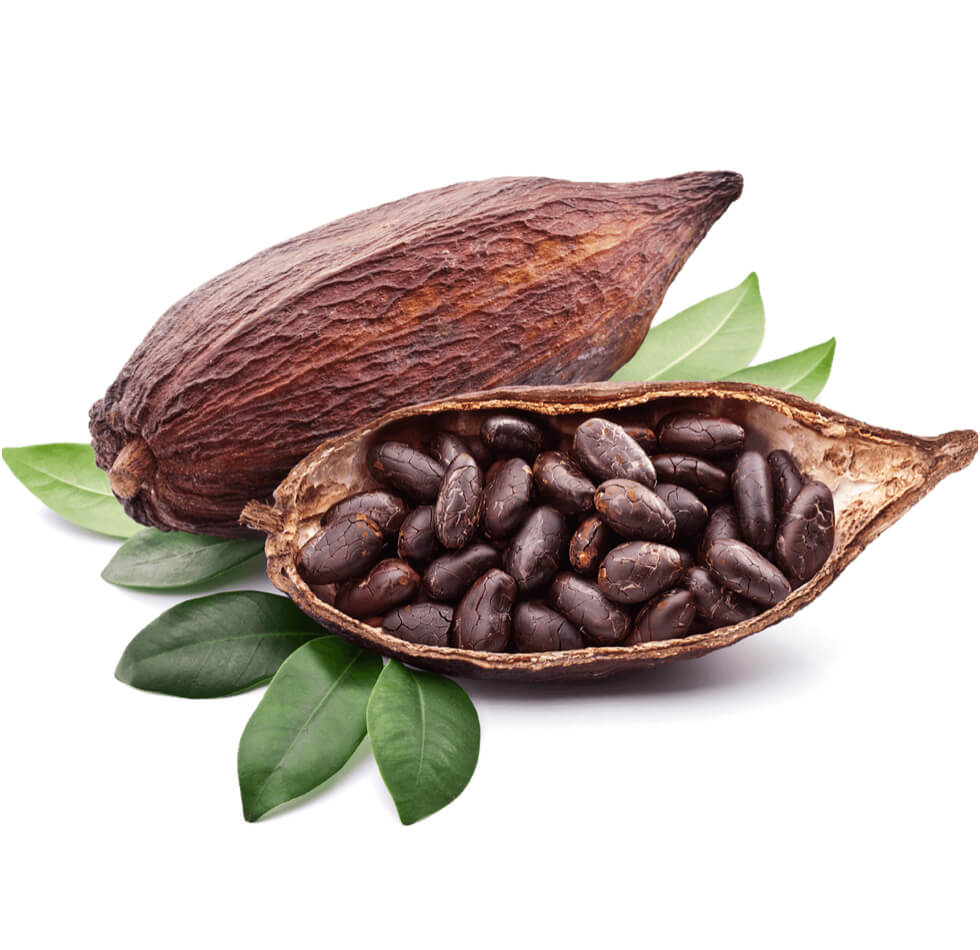
Theobromine is a naturally occurring compound found in cacao beans — the same botanical compound that gives dark chocolate its characteristic subtle bitterness. It has a history of traditional use in oral care contexts, and its plant-derived origin makes it a natural fit for botanical toothpaste formulas.
Theobromine in Natural Oral Care
Theobromine is a methylxanthine alkaloid that occurs naturally in cacao. Its botanical origin and compatibility with mineral-based oral care ingredients have made it a subject of growing interest in fluoride-free formulations — particularly alongside hydroxyapatite.
For people who prefer a daily routine free of fluoride and synthetic dental actives, theobromine offers a plant-derived option with genuine traditional roots. It contributes to a clean, fresh-feeling brushing experience and pairs naturally with the mineral-based ingredients that define this category.
A Botanically Grounded Choice
One reason theobromine resonates with natural oral care enthusiasts is its origin: it's a plant-derived compound with a meaningful place in traditional botanical practice. For those moving away from conventional oral care ingredients, this botanical identity matters — and pairing it with hydroxyapatite creates a fluoride-free formula grounded in both botanical tradition and natural mineral science.
What Is Micro-Hydroxyapatite (mHAP)?
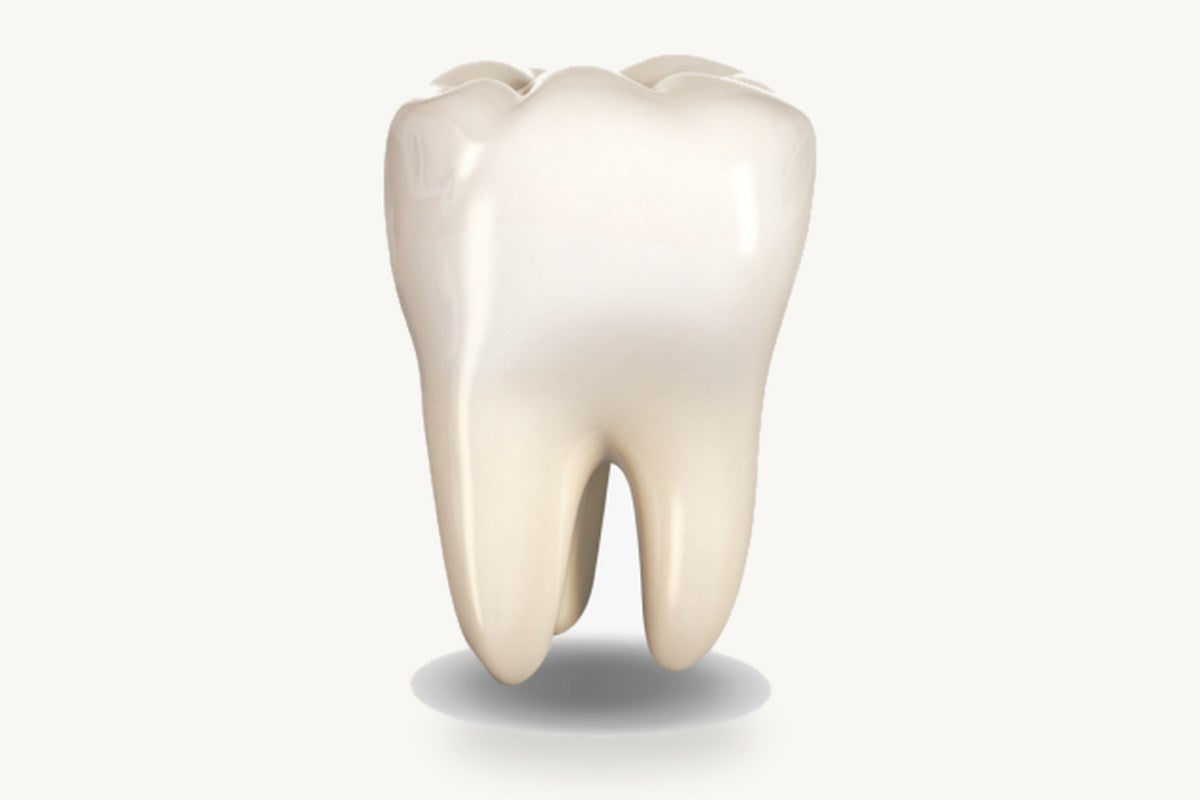
Micro-hydroxyapatite (mHAP) is a biocompatible mineral that mirrors the natural mineral composition of tooth enamel. It's made of calcium phosphate — the same mineral building blocks your teeth are composed of — which has earned it the "biomimetic" designation in natural oral care circles.
How Hydroxyapatite Is Used in Oral Care
Because mHAP shares the mineral structure of tooth enamel, it has become a popular ingredient in natural, mineral-based toothpaste formulas. Users consistently describe a smooth, polished sensation after brushing with hydroxyapatite-based toothpaste — a result of the fine mineral particles at work during brushing.
What makes mHAP a popular choice in natural oral care:
- Gentle and biocompatible — well-tolerated even if accidentally swallowed, making it a comfortable choice for the whole family
- Smooth, clean-feeling brushing experience — the fine mineral particles contribute to a noticeably polished sensation after each use
- Compatible with botanical formulas — pairs naturally with herbal extracts and plant-based ingredients
The Case for Combining Theobromine and Hydroxyapatite
Here's where the combination becomes particularly interesting. Theobromine's is a natural companion to mHAP in fluoride-free formulas. Together, they approach natural oral care from two complementary angles:
- Theobromine — a compound with traditional oral care roots and a profile that pairs well with mineral-based ingredients
- Micro-hydroxyapatite — a biocompatible calcium phosphate mineral that mirrors the natural composition of tooth enamel
This pairing creates a comprehensive fluoride-free oral care formula that draws on both botanical tradition and the natural mineral structure of your teeth — working with your body's own chemistry.

Why This Combination Is Gaining Attention
People drawn to this pairing tend to share a few priorities. They want a toothpaste that delivers a genuinely clean, fresh-feeling brushing experience without fluoride — and they want ingredients they can actually trace to natural sources. Theobromine and hydroxyapatite check those boxes:
- Both are well-tolerated across age groups
- Both bring a level of ingredient intentionality that conventional toothpastes typically don't offer
- Together they leave a smooth, clean-feeling mouth with a genuinely fresh finish
Why Choose Fluoride-Free?
Fluoride remains the most widely used ingredient in conventional toothpaste, but many people prefer to avoid it for personal, health, or philosophical reasons. Common considerations include:
- Preference for natural, biomineral ingredients
- Desire to minimize fluoride exposure in young children, who may swallow toothpaste
- Environmental considerations related to fluoride in water systems
- A general preference for clean-label, botanically grounded personal care
For those committed to a fluoride-free routine, theobromine + hydroxyapatite offers a thoughtful, botanically grounded alternative that doesn't require compromising on the sensation of a clean, fresh mouth.
Heart Tone Botanicals' Approach: Living Crystal Toothpaste
At Heart Tone Botanicals, we've brought together micro-hydroxyapatite, theobromine, colloidal silver, earth minerals, and botanicals into a pH-balanced fluoride-free toothpaste designed for a more intentional daily oral care routine.
Living Crystal Toothpaste features:
- Micro-hydroxyapatite — a biocompatible mineral that mirrors the natural composition of tooth enamel
- Theobromine — a compound with a long tradition in natural oral care
- Colloidal silver and botanicals — for a fresh, clean finish with every brush
- Peppermint Mélange (peppermint, wintergreen, and spearmint) — for a crisp, invigorating brushing experience
This formula brings together botanical tradition and farm-grown craftsmanship — a toothpaste that feels premium and leaves your mouth genuinely clean and fresh.
How to Use Theobromine + Hydroxyapatite Toothpaste
For best results:
- Brush twice daily for 2 minutes
- Let the paste sit on your teeth for 30–60 seconds before rinsing
- Pair with an alcohol-free botanical mouth rinse for a complete oral care ritual
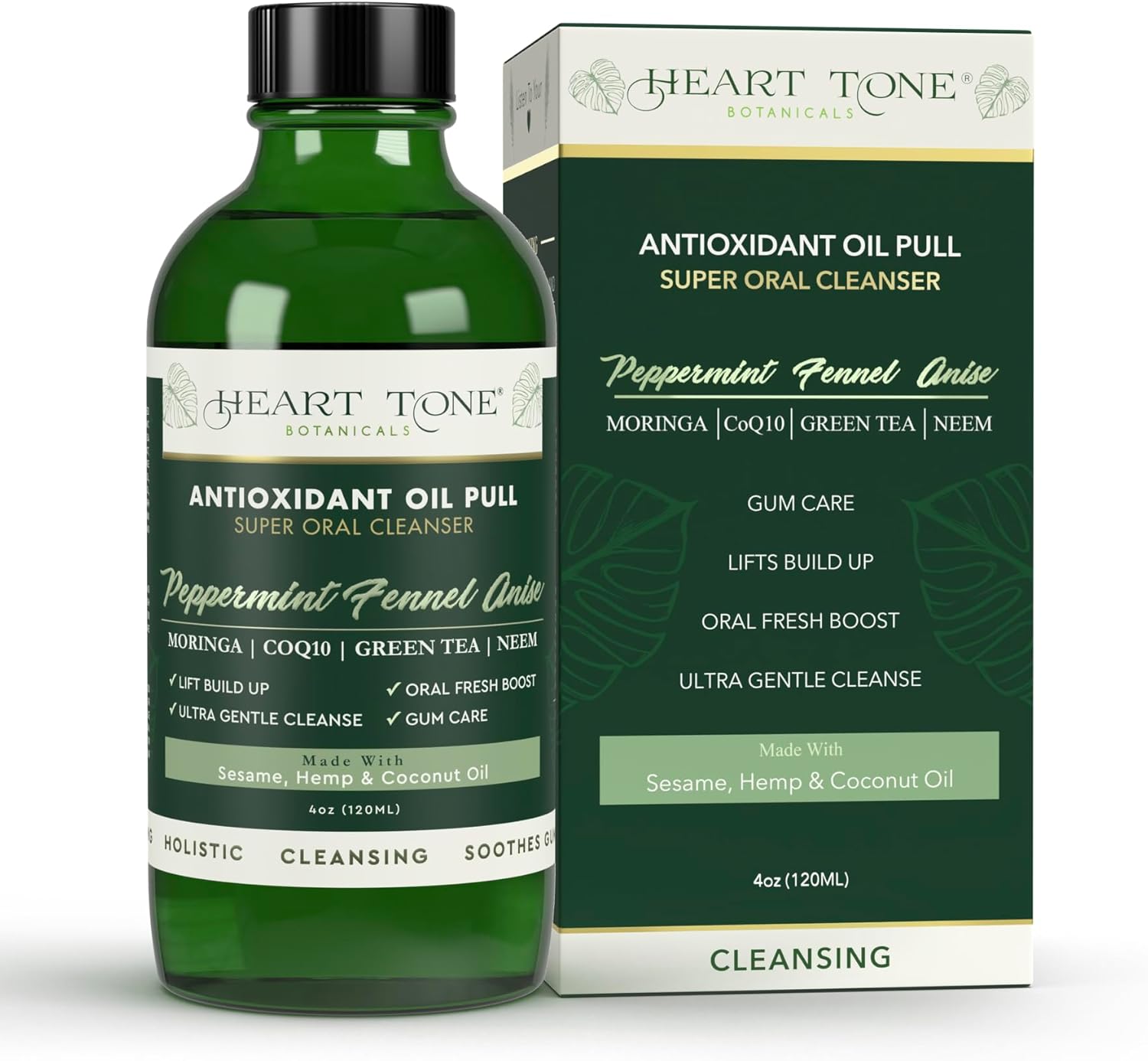
- Consider adding oil pulling 2–3 times per week for a traditional deep-cleansing experience
The Bottom Line
Theobromine and micro-hydroxyapatite represent a genuinely different approach to daily oral care — one grounded in botanical tradition and the natural mineral composition of tooth enamel. Both ingredients are gentle, both are well-tolerated across age groups, and together they deliver a smooth, clean-feeling brushing experience that stands on its own without fluoride.
If you're looking for a fluoride-free toothpaste with botanical integrity and a premium feel, this combination is worth exploring.
Ready to try theobromine and hydroxyapatite for yourself?
👉 Shop Living Crystal Toothpaste
Or explore our full Oral Care collection for a complete natural oral care routine.
Shop the related Heart Tone routine: Living Crystal Toothpaste.

Leave a comment
This site is protected by hCaptcha and the hCaptcha Privacy Policy and Terms of Service apply.