

The Veneer Epidemic: What Nobody Is Telling You Before You File Down Your Teeth
There's a cosmetic dental trend sweeping social media, celebrity culture, and your neighborhood dental spa — and almost no one is talking about the dark side of it.
Dental veneers. The promise: a perfect, camera-ready smile in two appointments. The reality? A permanent, irreversible decision that can leave you fighting bacteria, bad breath, and a lifetime of costly repairs.
This isn't an anti-cosmetic-dentistry rant. It's a conversation that should have happened before you sat down in that chair — and one that still needs to happen for the millions of people considering veneers right now.
What Are Veneers, Really?
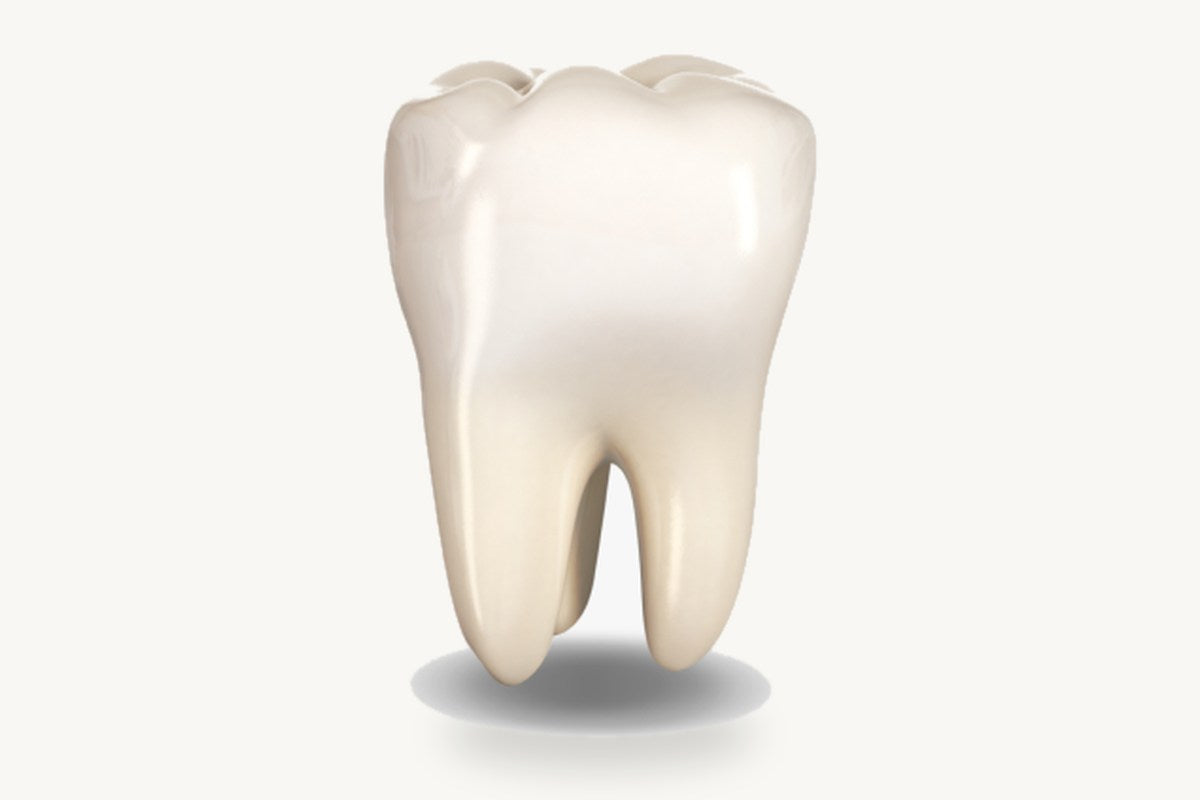
Dental veneers are thin shells — usually porcelain or composite resin — bonded to the front surface of your teeth. To place them, your dentist must first remove a layer of your natural enamel, typically between 0.3 and 0.7 millimeters — about the thickness of a fingernail.
That number sounds small. The consequence is not.
Enamel does not grow back. Ever.
Your enamel is the hardest substance your body produces. Once it's gone, it's gone. The teeth under your veneers are permanently altered — they will require some form of dental restoration for the rest of your life.
This is not a side note in the fine print. This is the veneer procedure itself.
The Dangers Nobody Warned You About
1. There Is No Going Back
This is the most critical fact about veneers — and one that's routinely minimized in consultations. Once your enamel is removed and your teeth are bonded, you are committed to that restoration forever. If a veneer cracks, stains, or fails 10 years from now, you don't get your natural tooth back. You get another veneer. Or a crown. For the rest of your life.
For younger patients especially, this means decades of replacements, each one carrying the risk of additional enamel removal, sensitivity complications, and escalating cost.
2. They Create Bacterial Hiding Spots
Here's where it gets uncomfortable. Even well-placed veneers create microscopic margins — tiny gaps at the edges where the veneer meets your natural tooth and gumline. Over time, these margins become penetrable pockets where bacteria colonize.
Unlike the smooth, continuous surface of a natural tooth, veneers have edges. And edges trap:
- Food particles that feed bacteria
- Plaque biofilm that standard brushing can't fully reach
- Anaerobic bacteria — the kind that thrive without oxygen and produce sulfur compounds
The result? Decay can develop silently underneath or around veneers, invisible until it becomes a serious problem.
3. "Veneer Breath" Is Real — and Relentless
Oral health specialists have a name for it: veneer breath. It's the persistent bad breath that develops when bacteria accumulate in the pockets around veneers and produce volatile sulfur compounds (VSCs) — the same compounds responsible for the most stubborn forms of halitosis.
What makes veneer breath different from ordinary bad breath is how difficult it is to eliminate. The bacteria aren't just on the surface. They're living in marginal gaps that standard brushing and a 30-second mouthwash rinse can't adequately reach.
4. It Forces an Aggressive — and Exhausting — Hygiene Routine
People with veneers often report needing to brush, floss, and rinse far more than twice a day just to manage odor and maintain their investment. We're talking three, four, sometimes five oral hygiene sessions daily.
That's not a sustainable lifestyle. It's a maintenance burden that compounds over years, and one that most patients aren't warned about in advance.
Flossing between veneers requires specific technique to avoid dislodging the bond. Water flossers become near-essential. And even with all of that, bacterial recolonization can happen within hours of cleaning.
5. They Are Enormously Costly — Over and Over
The average porcelain veneer costs $900–$2,500 per tooth. A full set of 8–10 veneers runs $10,000–$25,000. And they're rarely covered by insurance.
But that's just the first investment. Clinical studies show veneer survival rates of around 86–91% at 15–20 years — which sounds reassuring until you do the math: that means 1 in 10 veneers will need replacement within two decades, and the rest will eventually need it too.
Each replacement carries additional cost, the possibility of further enamel removal, and renewed bacterial risk at the new margins.
6. The Sensitivity Problem
With enamel thinned or removed, the underlying dentin — which contains thousands of tiny nerve channels — becomes more exposed. Many veneer recipients report heightened sensitivity to hot, cold, and sweet foods that didn't exist before their procedure.
In some cases, that sensitivity is permanent.
What Makes a Smile Beautiful Is Also What Makes It Yours
Beyond the clinical risks, there's something worth saying about what veneers take away that no one really talks about: the qualities that make your smile yours.
The slight variations, the natural shading, the subtle imperfections that developed over a lifetime — these are what make smiles relatable. Genuinely human. A smile that tells a story. The pursuit of a "perfect" smile can, ironically, produce something that looks less like you and more like everyone else sitting in the same dental spa chair.
Those so-called imperfections? They're actually what make all of us look perfectly human.
Alternatives Worth Knowing Before You Commit
Most of the cosmetic concerns that drive people toward veneers can be addressed with far less invasive approaches. Before any procedure that permanently alters your enamel, these options deserve serious consideration:
Braces — Traditional orthodontics straighten, align, and correct bite issues without touching your enamel at all. For spacing, crowding, and alignment, braces remain the gold standard and the results are genuinely permanent. Invisalign — Clear aligners offer the same alignment outcomes as braces in a nearly invisible format. Removable, comfortable, and reversible if needed. For many cosmetic concerns, this is all you actually need. Professional Whitening — For discoloration and staining — one of the most common reasons people pursue veneers — whitening is highly effective and leaves your enamel completely intact. Results vary by cause of discoloration, but it's almost always worth trying first. A Holistic or Biological Dentist — This is an underutilized option. Holistic and biological dentists specialize in conservative, minimally invasive approaches to cosmetic dentistry. Many offer cutting-edge natural protocols — ozone therapy, a mineral-based ingredient treatments, ceramic bonding — that address cosmetic concerns without the permanent enamel removal traditional veneer procedures require. If you haven't consulted one before committing to veneers, it's worth seeking out.
What Actually Helps: Protecting Your Teeth Naturally
Whether you already have veneers and are fighting the hygiene battle, or you're reconsidering the procedure entirely, the answer isn't more aggressive chemical mouthwash. It's supporting your oral environment with tools that actually help.
Taking Care of the Teeth You Have — With Holistically Advanced Solutions
The best cosmetic dental outcome is the one that keeps your natural teeth healthy, strong, and beautiful for life. And the most powerful thing you can do right now is take your oral care routine seriously — not with harsh chemicals, but with ingredients that actually work with your biology.
Heart Tone Botanicals was built on exactly that premise: botanical, bioactive oral care formulated for people who want results without compromise.

Ozonated Oil Pulling: The Deep Clean Veneers Demand
Oil pulling — the ancient practice of swishing oil through your teeth for 10–20 minutes — is having a modern resurgence, and for good reason. Unlike a 30-second mouthwash rinse, oil pulling gives botanical compounds time and mechanical action to penetrate the marginal gaps that veneers create.
When that oil is ozonated — infused with ozone, one of nature's most powerful active agents — the benefits are amplified significantly.
- Reaches small crevices and marginal gaps that water-based rinses cannot
For veneer wearers specifically, ozonated oil pulling is one of the few tools that addresses the root problem of the gaps around restoration margins. Ten to twenty minutes of contact time delivers what no 60-second rinse can.
How to use it:
- Take about 1 tablespoon of ozonated oil on an empty stomach
- Swish gently through your teeth for 10–20 minutes
- Spit into the trash (not the sink — it will solidify)
- Rinse with water, then complete your normal brushing routine

A Mineral-Based Mouthwash That Works With Your Biology
Conventional mouthwashes — especially alcohol-based formulas — disrupt your oral environment.
Heart Tone Botanicals' Restorative Mouth Rinse is formulated differently. Featuring colloidal silver, aloe vera, and a blend of botanical extracts.
→ Shop our Restorative Mouth Rinse

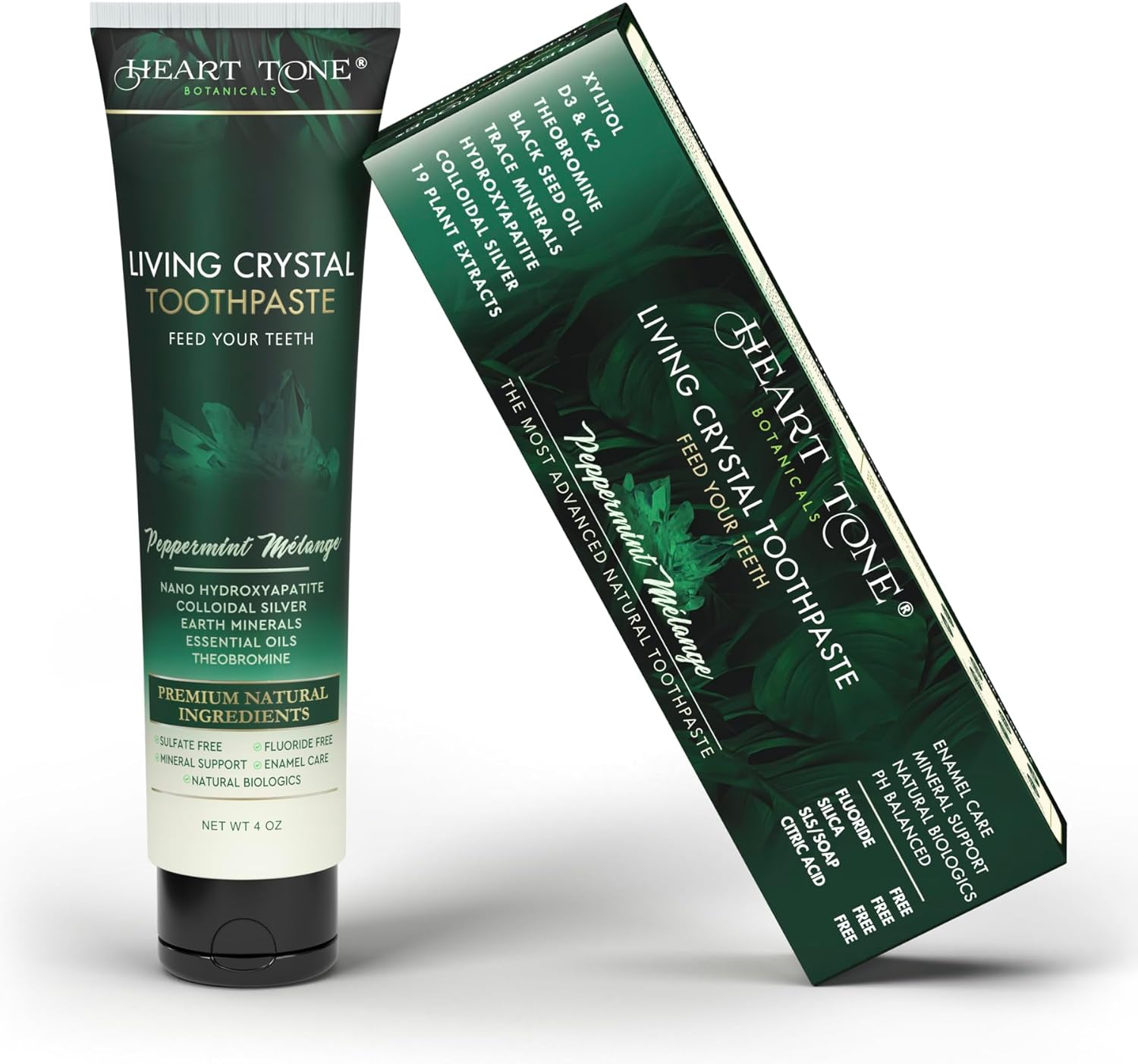
Living Crystal Toothpaste: Enamel-Safe Support for Altered Teeth
If you have veneers, the teeth underneath your restorations still need care. The enamel that remains, the dentin beneath it, and the gumline around your veneers all require a toothpaste that cleans effectively without adding abrasive damage.
Living Crystal Toothpaste carries an RDA (Relative Dentin Abrasivity) score of just 35 — well below the limit of 250, and among the lowest of any toothpaste on the market. For post-veneer teeth that may already be more sensitive and less protected, that gentleness matters. → Shop Living Crystal Toothpaste
The Conversation Worth Having Before It's Too Late
If you're considering veneers, we'd ask you to sit with a few questions first:
- Am I prepared for a lifetime of maintenance? Not just one procedure — but a permanent commitment to more intensive oral hygiene, periodic replacements, and ongoing cost.
- Have I explored conservative alternatives? Teeth whitening, composite bonding, and clear aligners can address many cosmetic concerns without permanently altering healthy enamel.
- Do I understand what "no going back" actually means for me? Especially if you're under 35.
And if you already have veneers and are struggling with veneer breath, or constant hygiene fatigue — know that natural tools exist to help you manage it more effectively.
The Bottom Line
The veneer epidemic isn't going to slow down anytime soon. Social media will keep amplifying the before-and-after transformations, and dental spas will keep booking consultations.
But the conversation about what happens after — the irreversibility, the relentless hygiene demands, and the real lifetime cost — that conversation deserves to be louder.
Natural oral care isn't about rejecting modern dentistry. It's about giving your mouth the tools it was designed to work with: traditional botanicals, mineral support, and practices that work with your biology instead of against it.
Your smile is worth protecting. So are your natural teeth.
Explore our full oral care collection at htbotanicals.com — formulated for people who take their oral health seriously.
Try It in Living Crystal Toothpaste
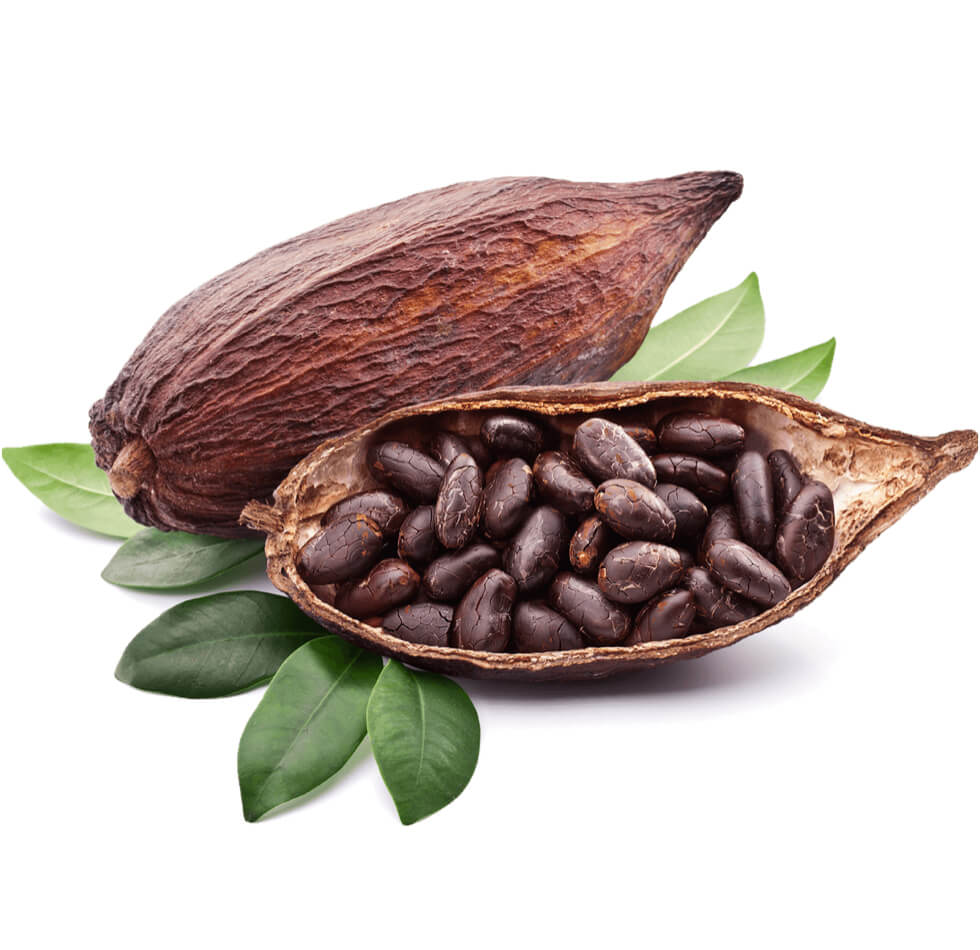
Heart Tone Botanicals' Living Crystal Toothpaste contains hydroxyapatite, theobromine, L-arginine, and colloidal silver alongside a full spectrum of botanical actives — theobromine, hydroxyapatite, zeolite, L-arginine, kaolin clay, colloidal zinc, vitamin K2, and colloidal silver. No SLS, no fluoride, no synthetic fillers. Small-batch crafted in Florida, USA.

Leave a comment
This site is protected by hCaptcha and the hCaptcha Privacy Policy and Terms of Service apply.