

What “Natural” Actually Means on a Skincare Label — and What It Doesn’t
Walk down any beauty aisle and you’ll see the word natural on dozens of products. Soaps, deodorants, toothpastes, serums — nearly everything makes the claim. But here’s what the label doesn’t tell you: in the United States, “natural” has no legal definition in personal care products. The FDA regulates cosmetics for safety, but it does not define or regulate the use of the word “natural” on beauty packaging.
That means any brand can print “natural” on their bottle with no required criteria to meet. Which is exactly why knowing what to look for — beyond the front of the label — matters.
Why the Word “Natural” Doesn’t Do Much on Its Own
Because there’s no federal standard for “natural” cosmetics, the word functions more as marketing positioning than meaningful information. Some products labeled “natural” contain a mostly synthetic formula with a small percentage of botanical extracts added. Others are genuinely formulated from plant-derived and mineral ingredients from root to label.
The same is true for “clean,” “non-toxic,” “green,” and “eco-friendly.” These are marketing terms — not regulatory categories. They can mean anything, or nothing, depending on the brand using them.
The good news: the ingredient list tells you everything the front label doesn’t.
How to Actually Read a Skincare Ingredient Label
Cosmetic ingredients in the U.S. are required to be listed in descending order by weight — the heaviest-concentration ingredients first, the lightest last. This means the first five to ten ingredients on a list are doing most of the formulation work. If those are water, glycerin, and a couple of synthetic preservatives, the botanical ingredients listed near the bottom are likely present in trace amounts.
A few things to look for:
- Where plant-derived ingredients appear in the list — if botanicals show up in the final 10%, they’re a finishing touch, not a core ingredient
- Organic certification markers — some brands include USDA-certified organic ingredients alongside conventional ones; the listing should specify which are organic
- Ingredient transparency — does the brand publish a full ingredient list before purchase? This is a meaningful signal of confidence in the formula
- What the filler ingredients are — synthetic thickeners, artificial colorants, and catch-all “fragrance” entries are worth noting, wherever they fall on the list
The Difference Between “Natural,” “Organic,” and “Clean”
These three terms are often used interchangeably, but they describe different things:
- “Organic” — when used in personal care, this refers to ingredients grown and processed according to USDA organic standards. A product can make certain organic label claims only if it meets specific rules about certified organic content. This is the most regulated of the three terms.
- “Natural” — no regulated definition. Generally understood to mean derived from plant, mineral, or animal sources rather than synthesized in a lab — but any brand can use it freely.
- “Clean” — also unregulated. Typically means formulated without a defined list of ingredients the brand considers undesirable — but that list varies by brand.
A product can be organic-certified, natural in origin, and clean by most standards — or only one of those, or none. The label doesn’t tell you which is true; the ingredient list does.
What “Natural” Can Look Like When a Brand Backs It Up
When a personal care brand is genuinely formulated around botanical and mineral ingredients, it usually shows up in a few consistent ways:
- The base ingredients (first five on the list) are plant-derived oils, plant waters, or mineral-derived ingredients — not synthetic polymer bases as the primary carriers
- The scent comes from essential oils or botanical extracts, listed by their plant name — not from a catch-all “fragrance” or “parfum” entry
- The brand is transparent about what’s in the product before you buy it — full ingredient lists available, nothing hidden behind “proprietary blend”
- The products are free from specific ingredients the brand explicitly chooses to leave out — and they can explain why, not just state it
None of these require a “natural” label claim. They’re observable from the ingredient list itself.
A Word About Fragrance on the Label
One of the most common ways a synthetic ingredient hides inside a “natural” product is under the word “fragrance” or “parfum.” Under current U.S. labeling rules, fragrance formulas are considered trade secrets — which means a single word can represent dozens of synthetic aromatic compounds that don’t have to be disclosed individually.
If a product’s scent comes from botanical sources — essential oils, plant CO2 extracts, botanical hydrosols — those ingredients will be listed by name. You’ll see “Lavandula angustifolia (lavender) essential oil” or “Citrus bergamia (bergamot) essential oil” rather than a generic “fragrance.” This distinction matters, especially for people with sensitivities to synthetic aroma compounds.
For anyone who prefers no scent at all, fragrance-free personal care means neither synthetic fragrance nor added essential oils — a separate and useful category to know about.

The Farm-Grown Difference
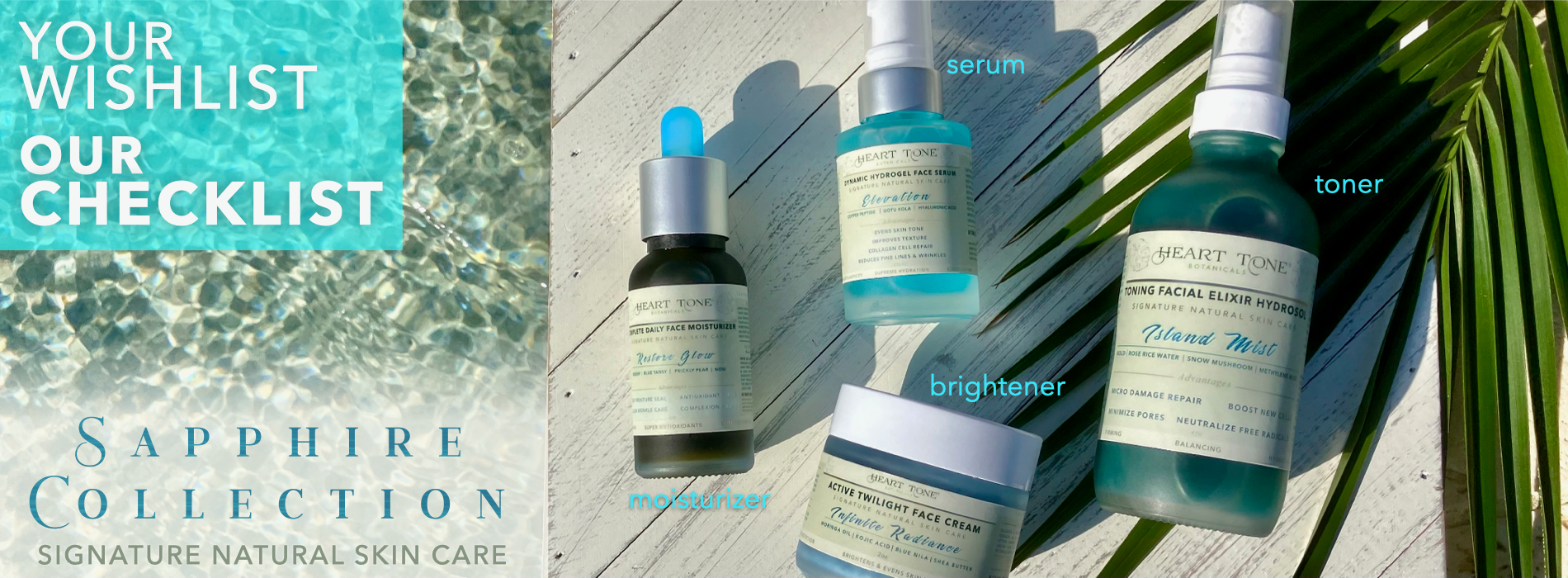
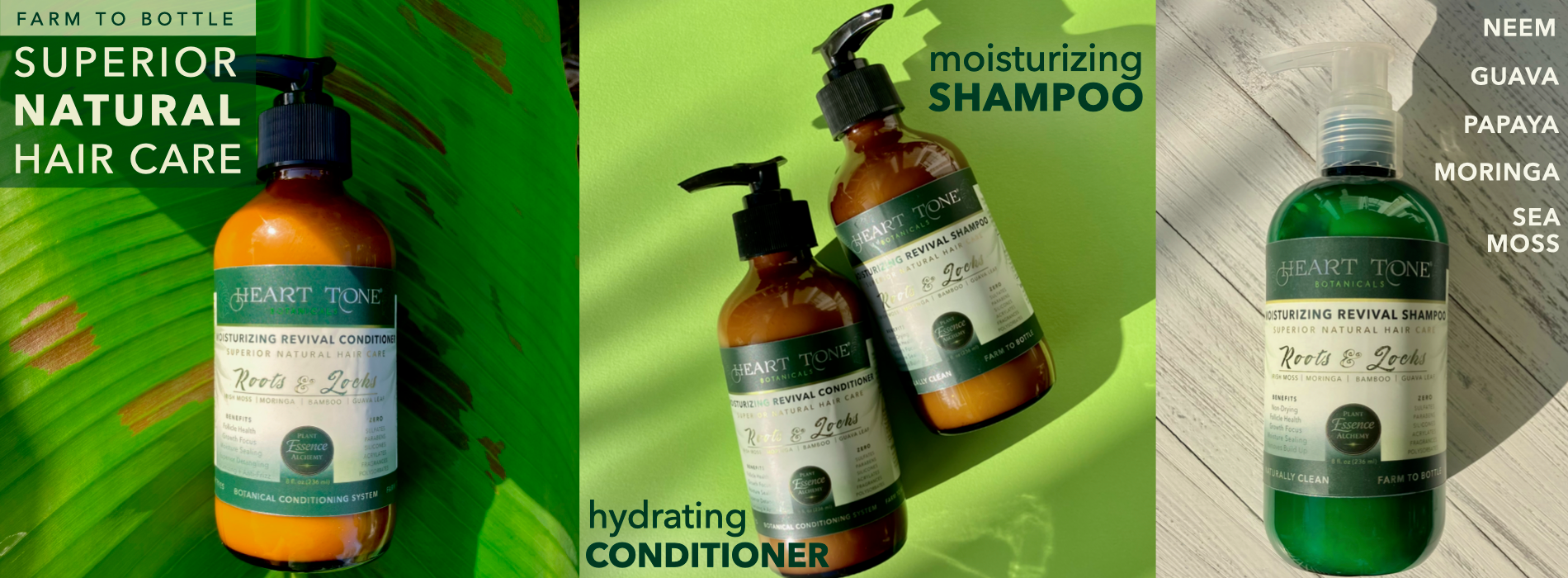
For some natural brands, “farm-grown” goes beyond a marketing phrase. At Heart Tone Botanicals, aloe vera, neem, moringa are grown on the family farm in Vero Beach, Florida — harvested and incorporated into the product line directly. This kind of farm-to-body sourcing means you can trace exactly where those botanicals originated and how they were grown, without having to take the label at face value.
Most skincare botanicals are sourced from ingredient suppliers — which is normal and not inherently a problem. But when a farm actually grows specific plants and those ingredients appear in the finished product, it’s a verifiable claim, not just a printed one.
A Practical Checklist for Shopping Natural Personal Care
If you’re evaluating a product that calls itself “natural,” here’s where to start:
- Flip to the ingredient list first. Don’t let the front label tell the story.
- Identify the base ingredients. What are the first five? Are they plant-derived or mineral-based, or are they synthetic carrier bases?
- Look for specific plant names. Aloe vera leaf juice. Organic coconut oil. Lavender essential oil. Genuine botanical ingredients are listed by their actual names — not hidden under “natural botanical complex.”
- Check for “fragrance” or “parfum.” If you see either, the source of that scent is not disclosed on the label.
- Look for the absence claims that matter to you. Aluminum-free, paraben-free, sulfate-free, fluoride-free — these are more reliably verifiable than “natural” alone.
The Bottom Line
“Natural” is a useful starting point for shoppers who want to move away from synthetic-heavy personal care. But it’s the beginning of the conversation, not the end of it. The ingredient list, sourcing transparency, and what a brand chooses to leave out of their formula are what actually tell the story.
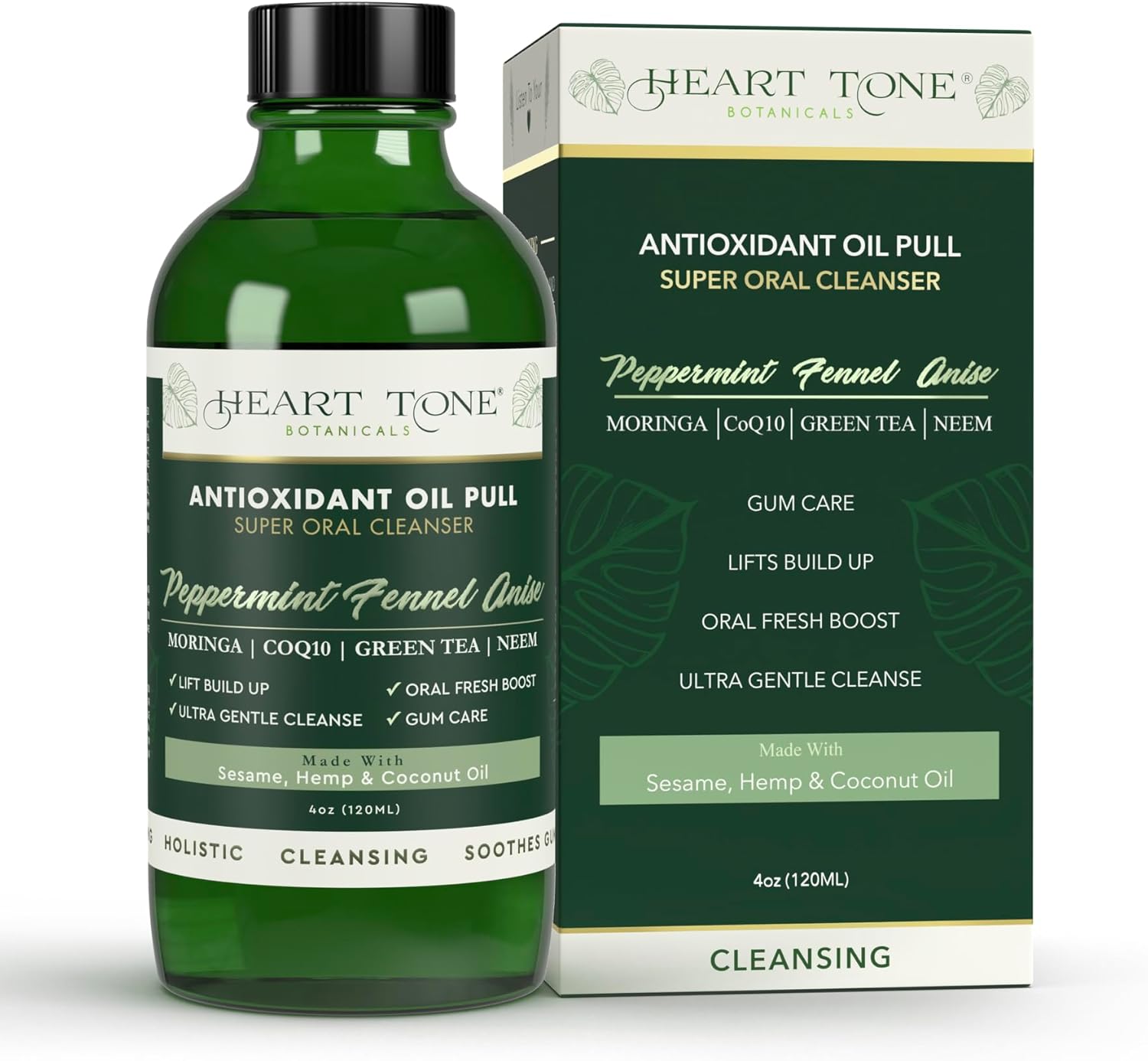
If you’re looking for personal care made with genuine botanical and mineral ingredients — including farm-grown aloe, neem, and moringa — explore the Heart Tone Botanicals line below. Two of the most straightforward places to start:
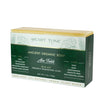
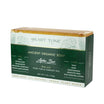
- Ancient Organic Soap — cold-processed with organic oils and farm-grown botanicals, without synthetic fragrance
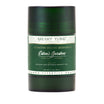
- Bioactive Deodorant — aluminum-free, paraben-free, with elderberry extract and neem in a coconut oil base
You can also browse the full Heart Tone Botanicals collection — every ingredient listed, every product made without synthetic shortcuts.

Leave a comment
This site is protected by hCaptcha and the hCaptcha Privacy Policy and Terms of Service apply.