


Your toothpaste probably contains hydroxyapatite, xylitol, or colloidal silver — but there's one ingredient that most natural oral care brands have completely overlooked: calendula flower CO2 extract.

Calendula (Calendula officinalis) has been used in herbal medicine for centuries as an anti-inflammatory wound healer. In the last decade, clinical research has begun quantifying exactly what it does inside the mouth — and the results are striking.
What Calendula Actually Does in Your Mouth
A randomized clinical trial published in PMC3917203 compared a calendula mouthwash to placebo over six months. Researchers measured three standard clinical markers: plaque index (PI), gingival index (GI), and sulcus bleeding index (SBI). The calendula group showed:
- 93.6% reduction in plaque index
- 88.7% reduction in gingival index
- 86.1% reduction in sulcus bleeding index
That's not a subtle effect. Calendula showed broad antimicrobial activity against 18 strains of periodontal bacteria in vitro — meaning it disrupts the bacteria responsible for gum disease at multiple points in their biology.
"Calendula's anti-inflammatory, antioxidant, immunomodulatory, and wound-healing actions — including accelerating re-epithelialization and collagen maturation — make it one of the more compelling botanicals in modern oral care." — PMC3917203
The Difference Between Calendula Extract and Calendula "Infusion"
Not all calendula in toothpaste is created equal. There are two main delivery forms:
Water-based infusion: Calendula flowers steeped in water or glycerin. Widely used in budget natural formulas. Delivers some flavonoids and phenolic acids but loses volatile compounds during processing.
CO2 supercritical extract: Uses carbon dioxide at controlled pressure and temperature to extract the full lipophilic compound profile — including essential oils, waxes, and high-potency terpenoids — that water-based extraction misses entirely. This is the gold standard for botanical potency, and it's what's used in premium formulas like Living Crystal Toothpaste.
The CO2 extraction method preserves calendula's triterpenoids (oleanolic acid, ursolic acid), flavonoids (isorhamnetin, narcissin), and carotenoids (β-carotene, lutein) — the same compound classes responsible for the clinical effects studied in the research above.
Calendula Toothpaste and Sensitive or Inflamed Gums
One of the most consistent findings across calendula research is its effect on gingival tissue specifically. Unlike broad-spectrum antimicrobials that can disrupt the entire oral microbiome (the way alcohol-based mouthwashes do), calendula appears to selectively inhibit pathogenic periodontal bacteria while supporting the integrity of soft tissue.
This makes it particularly valuable in formulas designed for people who:
- Experience gum bleeding or sensitivity during brushing
- Are in the early stages of gingivitis and want a gentler intervention
- Prefer to avoid harsh synthetic antiseptics like triclosan or chlorhexidine
- Want a toothpaste that supports tissue healing alongside cleaning
Calendula's wound-healing activity — specifically its support for collagen maturation and re-epithelialization — means it may help gum tissue recover from minor mechanical trauma during brushing, rather than simply treating the infection after the fact.
How Calendula Works Alongside Hydroxyapatite and Colloidal Silver
In a well-designed fluoride-free formula, calendula CO2 extract doesn't work alone. It complements the other active ingredients in a specific way:
Hydroxyapatite works on enamel — remineralizing the hard tissue surface of the tooth. Calendula works on the gum tissue — the soft tissue architecture surrounding the tooth. These are two different biological targets, which means they're not redundant. They're complementary.

Colloidal silver provides broad-spectrum antimicrobial coverage across the oral cavity. Calendula provides a targeted anti-inflammatory layer in the gingival sulcus specifically. Again, different targets, different mechanisms — working together.
This is why ingredient stacking in premium natural toothpastes matters. A formula with hydroxyapatite + calendula CO2 + colloidal silver is covering enamel remineralization, gum inflammation, and bacterial control simultaneously — something that single-active formulas can't achieve.
What to Look for in a Calendula Toothpaste
When evaluating a toothpaste with calendula, look for:
- CO2 extract, not infusion — the label should specify "calendula CO2 extract" or "supercritical calendula extract." Generic "calendula" may be water-extracted and lower potency.
- Ingredient position — it should appear in the middle-to-end of the ingredient list, after the base and abrasive agents, indicating it's an intentional active, not a trace.
- Paired with anti-inflammatory botanicals — calendula works best when the overall formula is designed to support gum tissue, not just enamel.
- No SLS — sodium lauryl sulfate (SLS) is a synthetic surfactant that can cause oral mucosal sloughing (tissue peeling) in sensitive users. Pairing SLS with calendula's tissue-healing properties is counterproductive.
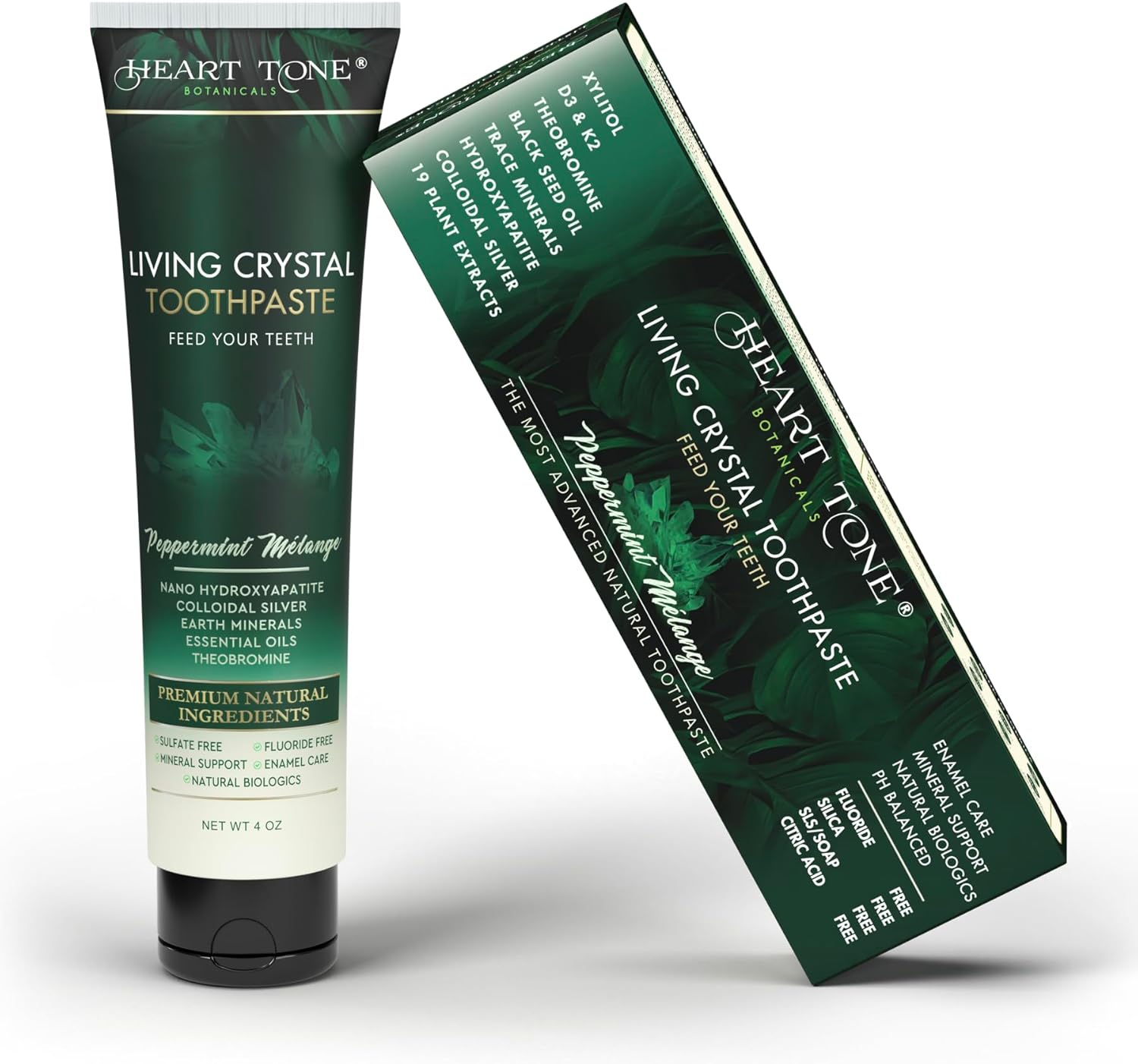
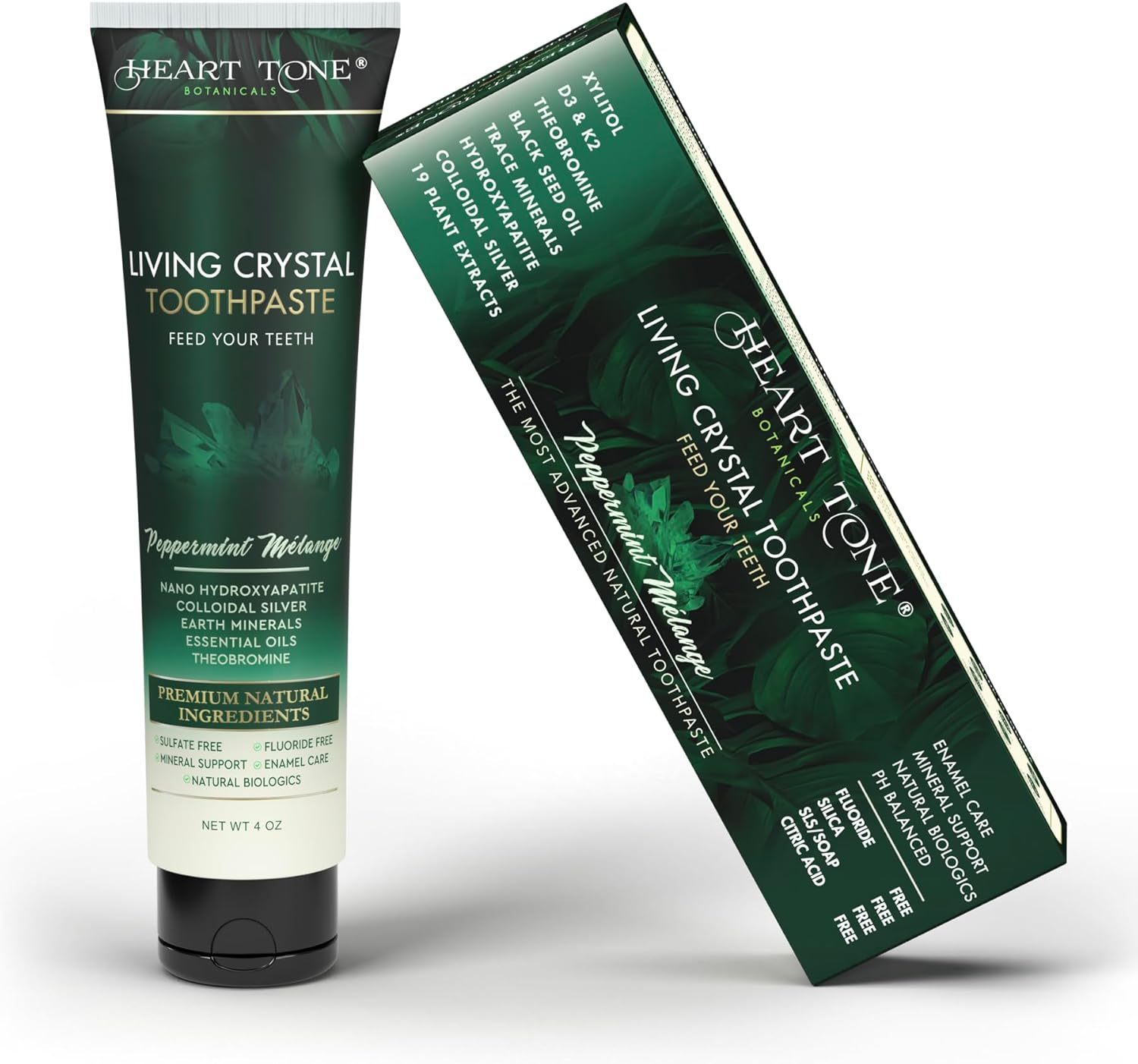
The Living Crystal Toothpaste uses Organic Calendula Flower CO2 as one of its 30+ botanical actives — alongside spherical micro-hydroxyapatite, theobromine, xylitol, zinc citrate, colloidal silver, and zeolite clinoptilolite. No SLS. No fluoride. No synthetic preservatives.
Calendula Toothpaste vs. Calendula Mouthwash: Which Is Better for Gum Health?
The clinical research on calendula has primarily been done using mouthwash formulas, which raises a fair question: does it work as well in toothpaste?
The honest answer is that toothpaste and mouthwash deliver calendula differently. Mouthwash provides extended contact across the full oral cavity. Toothpaste concentrates calendula in the brushing motion — mechanically delivering it into the gingival sulcus (the gap between tooth and gum) where periodontal bacteria colonize.
For gum health specifically, both delivery methods have merit. A toothpaste with calendula CO2 extract ensures that every brushing session delivers the botanical compound directly to where it matters most — the gum line — without requiring an additional rinse step.
If you're dealing with active gingivitis, pairing a natural mouthwash with a calendula toothpaste creates a two-stage gum-support protocol that covers both the mechanical cleaning and the extended-contact antimicrobial phases of oral care.
Frequently Asked Questions About Calendula in Toothpaste
Is calendula toothpaste safe for daily use?
Yes. Calendula has no major contraindications for daily oral use. Individuals with known allergies to the Asteraceae (Compositae) plant family (which includes ragweed, chrysanthemums, and daisies) should exercise caution, but this allergy is uncommon.
Can calendula toothpaste replace fluoride?
Calendula targets gum tissue inflammation and bacterial load — it's not a remineralizing agent in the way hydroxyapatite or fluoride is. In formulas like Living Crystal, calendula works alongside spherical micro-hydroxyapatite (which provides the enamel remineralization), so the formula as a whole covers both functions without fluoride.
Does calendula have a strong flavor?
CO2 calendula extract has a mild, slightly herbaceous-floral scent profile. In a finished toothpaste, it's typically well-masked by peppermint, spearmint, or wintergreen oils. Most users don't notice a distinct calendula flavor — they notice the overall clean finish.
What's the difference between calendula and chamomile in oral care?
Both are Asteraceae botanicals with anti-inflammatory properties, but calendula has a more extensive evidence base specifically for periodontal bacteria inhibition. Chamomile is more commonly used for general oral mucosal irritation. In a premium formula, you'd want calendula for its specific gingival-targeting mechanism.
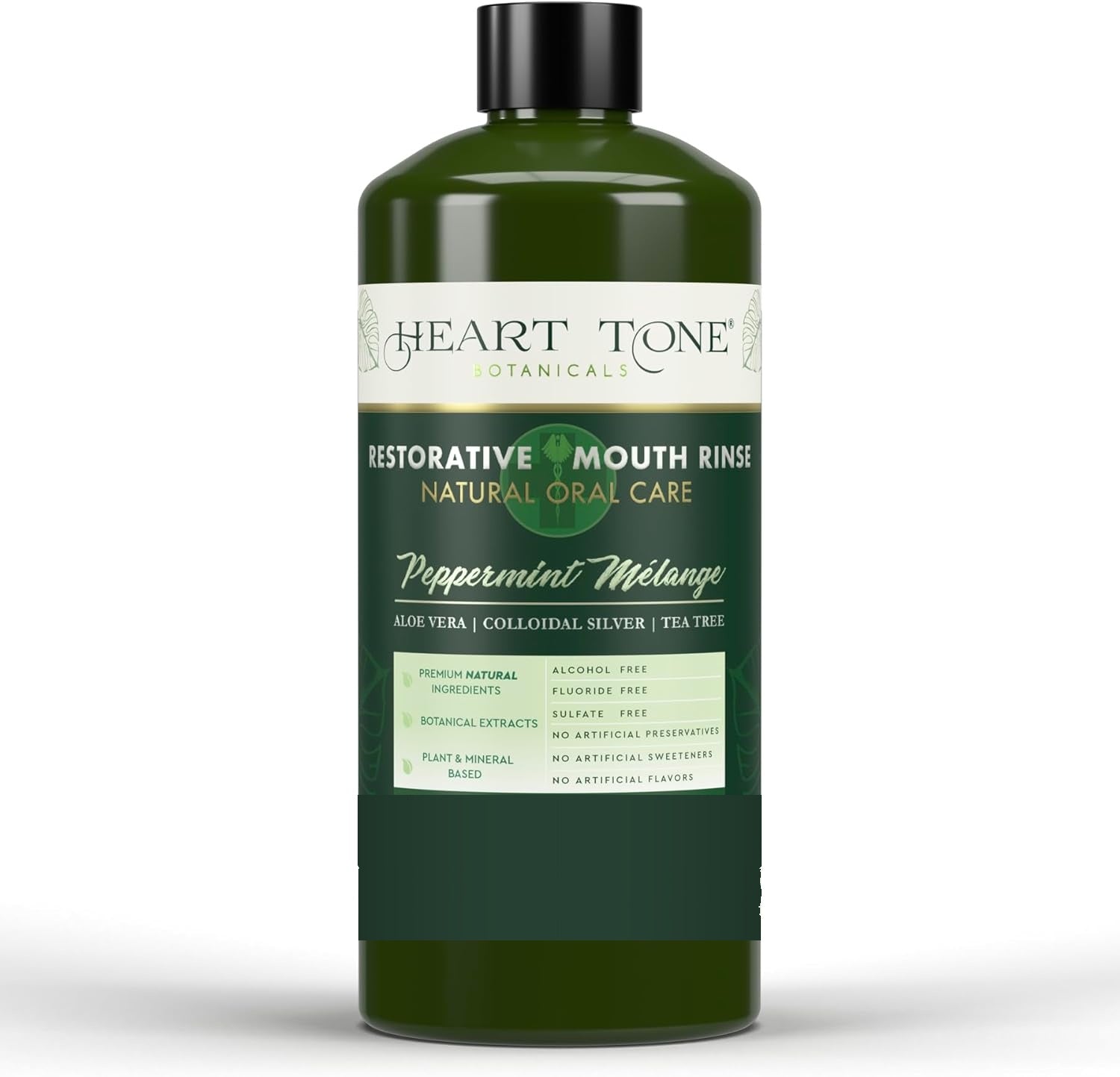
For a complete botanical oral care protocol, pair Living Crystal with our Restorative Mouth Rinse — formulated with 22 botanical extracts including aloe vera, colloidal silver, and peppermint — or explore our full Oral Care collection.

Leave a comment
This site is protected by hCaptcha and the hCaptcha Privacy Policy and Terms of Service apply.