

If you've ever wondered whether coconut oil toothpaste is safe for sensitive teeth -- or whether it actually does anything -- you're not alone. It's one of the most searched questions in natural oral care right now, and the answer is more nuanced than a simple yes or no.

The short version: coconut oil toothpaste is not only safe for sensitive teeth, it may actively help -- but the reason it helps isn't the one most brands are advertising. Let's break down the science.
Why Coconut Oil Shows Up in Natural Toothpaste
Coconut oil's role in oral care goes back centuries to traditional Ayurvedic oil pulling -- the practice of swishing oil to draw out bacteria and support gum health. But what makes it interesting for modern sensitive teeth toothpaste formulas isn't the tradition. It's the chemistry.
Coconut oil is approximately 50% lauric acid, a medium-chain fatty acid with well-documented antimicrobial properties. A 2012 study published in the Journal of Medicinal Food found that lauric acid effectively disrupted bacterial cell membranes -- including Streptococcus mutans, the primary cavity-causing bacterium in the human mouth.
For sensitive teeth, this matters in two ways:
- Lauric acid is gentle. Unlike sodium lauryl sulfate (SLS), the harsh synthetic foaming agent in most conventional toothpastes, coconut oil doesn't strip the oral mucosa or irritate already-sensitized gum tissue. This alone is a major reason people with sensitive teeth report improvement when they switch to SLS-free coconut oil formulas.
- Lauric acid doesn't increase enamel wear. Coconut oil is not abrasive. It has no RDA contribution because it adds zero mechanical abrasion to a formula. In a well-formulated toothpaste, it delivers antimicrobial coverage without any erosive risk -- ideal for teeth where the enamel is already compromised.
Are Coconut Oil Toothpastes Safe for Everyday Use?
Yes -- with one important caveat: the formula matters more than the coconut oil itself.
Coconut oil is inherently safe for daily oral use. The concern isn't with the oil -- it's with what else is in the toothpaste. A coconut oil toothpaste that also contains high-abrasion polishing agents, artificial sweeteners, or SLS isn't actually better than a conventional toothpaste for sensitive teeth. The coconut oil gets outweighed by the rest of the formula.
What to look for in a coconut oil toothpaste for everyday sensitive tooth care:
- Low RDA score -- RDA (Relative Dentin Abrasivity) measures how abrasive a toothpaste is. For sensitive teeth and thin enamel, stay under 70. Under 50 is ideal. This is more protective than any single ingredient.
- SLS-free formula -- Sodium lauryl sulfate is the most common cause of toothpaste-related sensitivity and canker sores. Coconut oil toothpastes should not contain SLS.
- A remineralizing active -- Coconut oil doesn't remineralize enamel. If you're dealing with sensitivity from thin enamel, pair it with a formula that also contains micro-hydroxyapatite (mHAp) or theobromine. These ingredients address the structural cause of sensitivity, not just the symptom.
- Xylitol -- Xylitol is a natural sugar alcohol that actively disrupts S. mutans biofilm through a mechanism called the futile cycle. It pairs cleanly with coconut oil and adds another layer of antimicrobial coverage without any abrasion.
Does Coconut Oil Help with Tooth Sensitivity Specifically?
Here's where the research gets interesting -- and where most natural brands oversimplify.
Coconut oil doesn't block dentinal tubules the way potassium nitrate or arginine does. It doesn't directly desensitize nerve endings. If your sensitivity is from exposed dentin (the porous layer under enamel) due to enamel erosion, receding gums, or aggressive brushing, coconut oil alone won't resolve it.
But it does two things that reduce sensitivity over time:
- It removes the irritant. Lauric acid's antimicrobial action reduces bacterial metabolic acids in the mouth -- the primary driver of enamel demineralization. Less acid exposure over time means less progressive enamel loss, and less exposure of the nerve-rich dentin underneath. This is a slow, cumulative benefit, not an instant numbing effect.
- It replaces the irritant. For people whose sensitivity was worsened by SLS-containing conventional toothpastes, switching to a gentle coconut oil formula removes the ongoing chemical irritation. The sensitivity improvement many people report after switching to natural toothpaste is often at least partially this -- not the coconut oil adding something, but removing something harmful.
"The sensitivity improvement many people report after switching to natural toothpaste is often at least partially this -- not the coconut oil adding something, but removing something harmful."
Coconut Oil Toothpaste vs. Conventional Sensitivity Toothpaste
Conventional sensitivity toothpastes (Sensodyne, Colgate Sensitive, etc.) typically work by one of two mechanisms:
- Potassium nitrate -- Temporarily calms nerve firing inside the tooth
- Stannous fluoride -- Deposits a protective layer over exposed tubules
These work, but they also come with trade-offs: artificial flavors, synthetic preservatives, PEG compounds, and in some formulas, SLS. For daily long-term use, many people find these formulas too harsh or irritating.

A well-formulated coconut oil toothpaste for sensitive teeth trades immediate numbing for a gentler long-term approach. The ingredients that make the biggest difference in this category aren't coconut oil or even hydroxyapatite -- it's the absence of aggressive chemistry paired with real mineral support.
For someone who brushes twice a day, every day for the rest of their life, the gentlest enamel-safe formula available is the better long-term choice. That's the case for coconut oil-based natural toothpastes done well.
What About Coconut Oil Pulling for Sensitivity?
Oil pulling -- swishing pure oil for 10-15 minutes -- is often recommended for sensitivity by natural health communities. The mechanism here is plaque and bacterial biofilm removal through mechanical emulsification, which does reduce the bacterial acid load on enamel over time.
Some people find regular oil pulling genuinely reduces their sensitivity. There's limited randomized trial data on this specifically, but the plaque-reduction evidence is solid, and plaque reduction is directly linked to reduced enamel demineralization. If you're looking to add a supporting practice to your routine, a botanical oil pulling rinse with sesame seed oil, CoQ10, and botanical extracts delivers a more complete formula than plain coconut oil.
The Living Crystal Difference
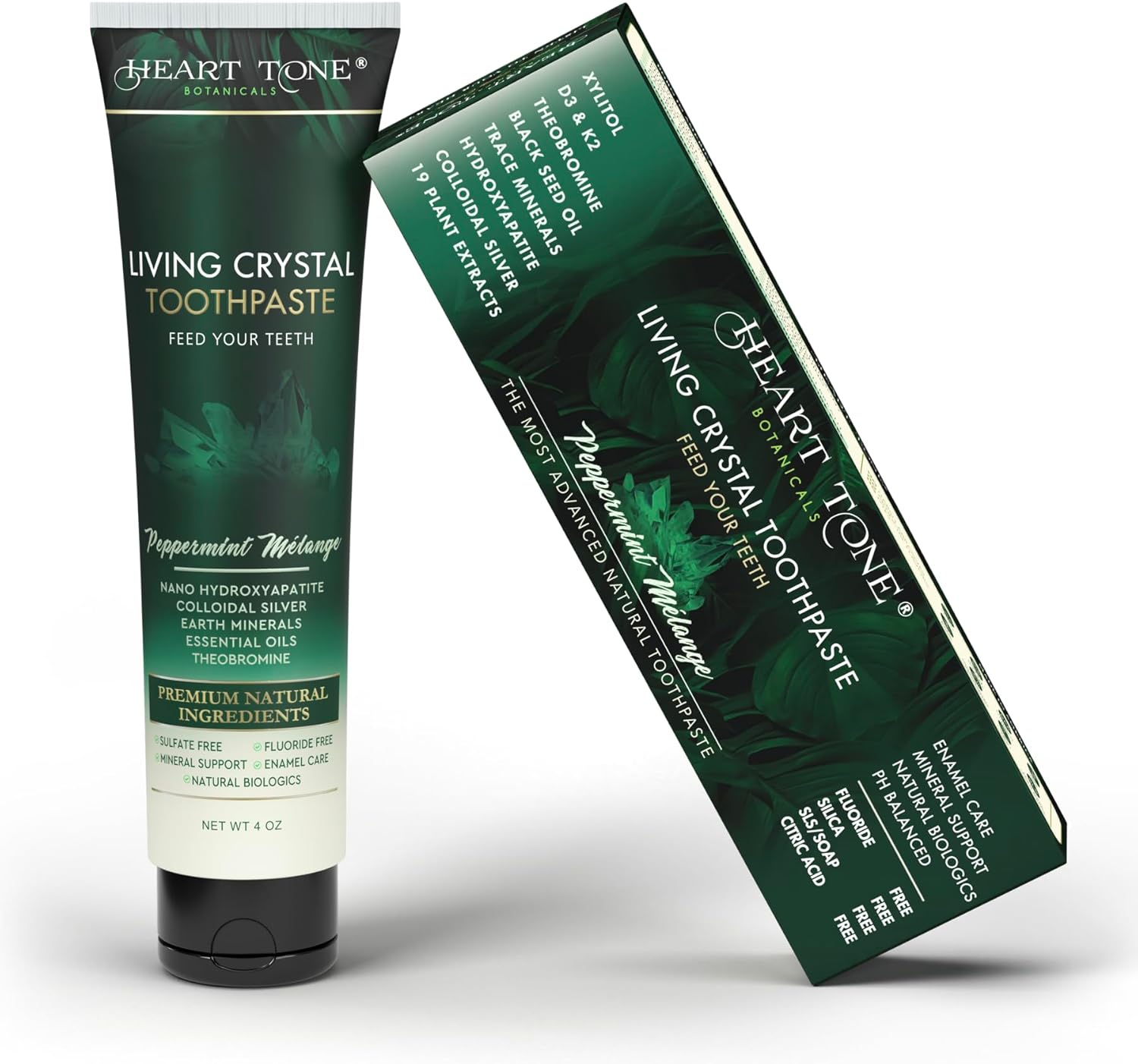
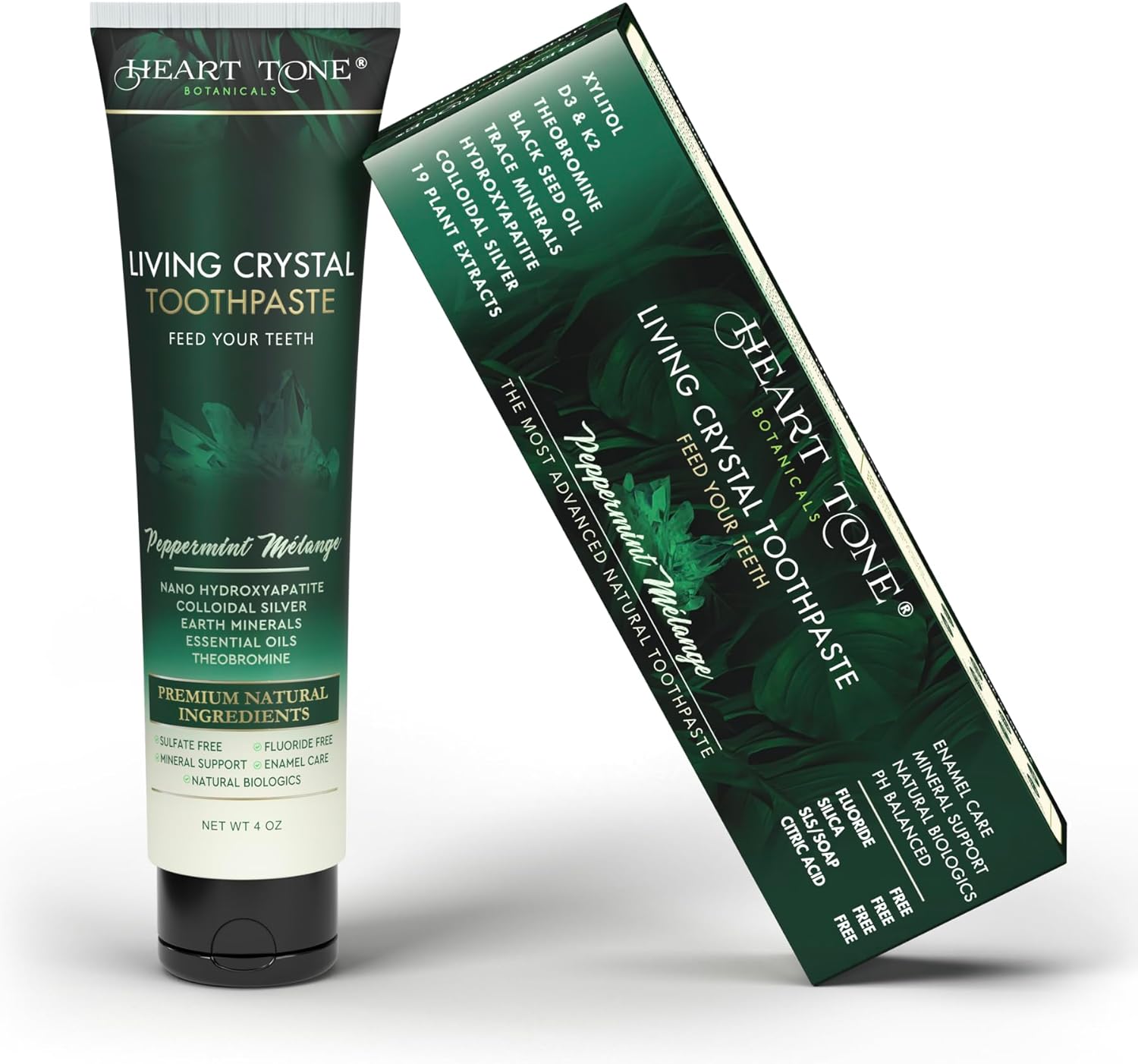
Living Crystal Toothpaste combines organic coconut oil with a full mineral stack designed specifically for people who take enamel health seriously. The formula includes:
- Organic Coconut Oil -- SLS-free, lauric acid-rich base that cleans without stripping the oral mucosa
- Spherical Micro-Hydroxyapatite -- The same mineral that makes up tooth enamel; studied for remineralization at the enamel surface
- Theobromine -- Cacao-derived compound studied for mineral interaction at the enamel surface
- Organic Xylitol -- Disrupts cavity-causing bacteria through the futile cycle mechanism
- Zinc Citrate -- Supports gum tissue and inhibits volatile sulfur compound formation (bad breath)
- RDA Score: 35 -- One of the lowest abrasivity scores in any toothpaste on the market
No SLS. No fluoride. No artificial flavors or preservatives. Formulated for people who want to protect their enamel every day without compromising on clean ingredients.
Shop Living Crystal Toothpaste →
Frequently Asked Questions
Is coconut oil toothpaste safe for everyday use?
Yes. Coconut oil is non-abrasive and gentle enough for daily use. The safety of a coconut oil toothpaste depends more on the full formula -- particularly the abrasive agents included alongside it -- than on the coconut oil itself. Choose a formula with a low RDA score (under 70) and no SLS for the safest daily option.
Can coconut oil toothpaste replace conventional sensitivity toothpaste?
For mild to moderate sensitivity driven by SLS irritation or bacterial acid erosion, a well-formulated coconut oil natural toothpaste can be an effective long-term alternative. For acute nerve sensitivity or significant dentin exposure, consider a formula with L-arginine or hydroxyapatite as well, and consult with a dentist about the underlying cause.
Does coconut oil remineralize teeth?
No -- coconut oil doesn't deposit minerals on enamel. Remineralization requires a mineral-delivery ingredient like hydroxyapatite, fluoride, or theobromine. Coconut oil's role is antimicrobial and emollient, not mineralizing. The best natural toothpastes pair coconut oil with a genuine mineral active for this reason.
Are coconut oil toothpastes effective for everyday use?
Yes, with the caveat that "effective" depends on what you need from a toothpaste. For daily plaque control, breath support, and gentle enamel-safe cleaning, coconut oil toothpastes with xylitol and low-abrasion formulas are genuinely effective. For active cavity treatment or advanced remineralization, supplement with a hydroxyapatite or theobromine-containing formula.
Also in Your Oral Care Routine
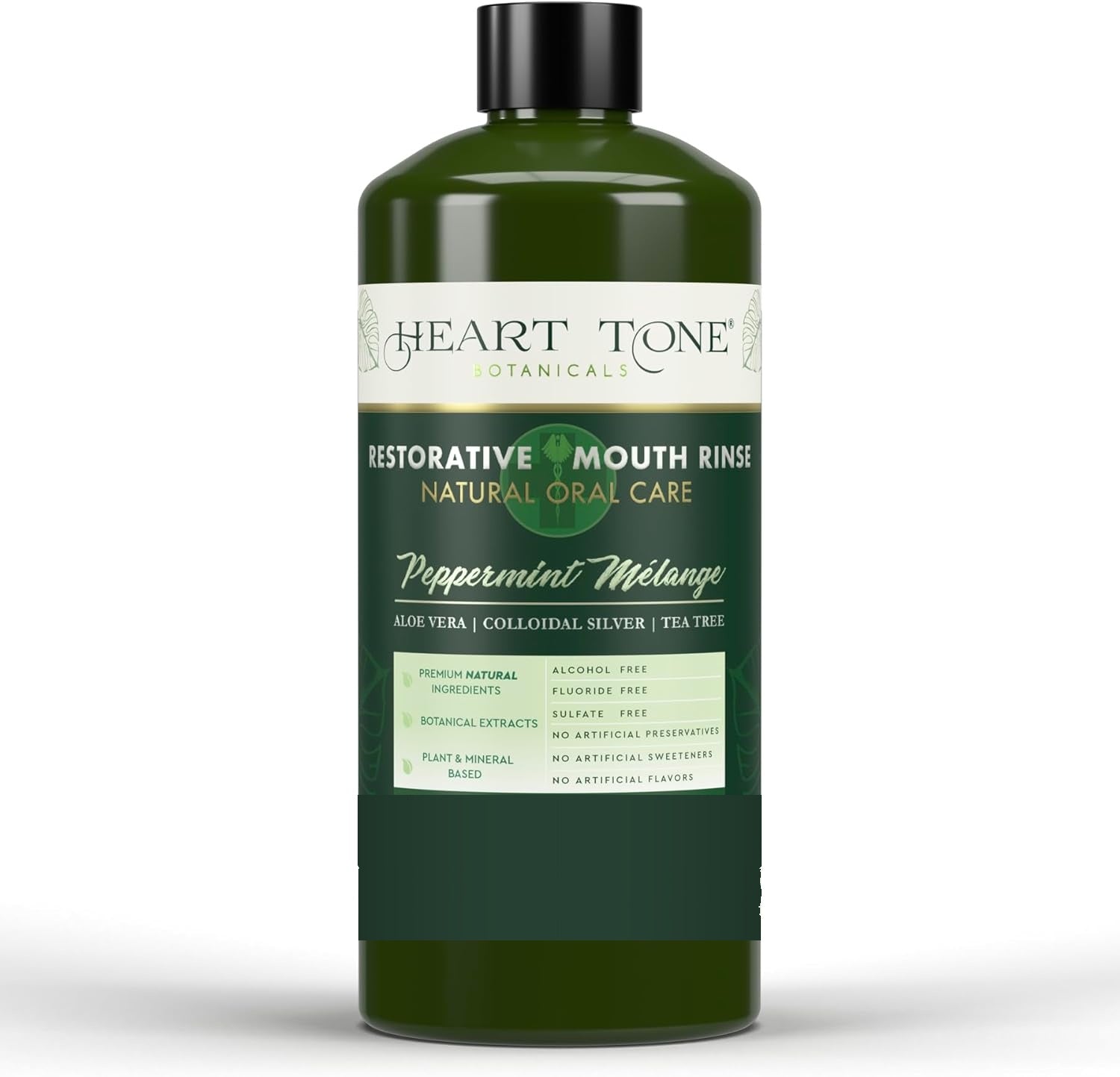
If you're building out a complete sensitive-teeth routine, our Restorative Mouth Rinse pairs well with Living Crystal -- it's an alcohol-free formula built on aloe vera, colloidal silver, and 22 botanical extracts, with no burning, no harsh antiseptics, and no fluoride. Gentle enough for twice-daily use, even on the most reactive oral tissue.
And for more on the ingredient science behind our toothpaste formula:

Leave a comment
This site is protected by hCaptcha and the hCaptcha Privacy Policy and Terms of Service apply.