

If you've ever read the ingredient list on a natural toothpaste and wondered why xylitol shows up near the top, you're not alone. It's a sugar alcohol — but it's in your toothpaste, not your candy bar — and the science behind why it belongs there is more interesting than most people realize.

Xylitol doesn't just add mild sweetness to make brushing more pleasant. It actively interferes with the bacteria that cause cavities, at the cellular level, in ways that most synthetic toothpaste additives don't.
Here's what xylitol actually does in your mouth, why it pairs so well with a mineral-rich fluoride-free formula, and what you should look for when choosing a xylitol toothpaste.
What Is Xylitol?
Xylitol is a naturally occurring sugar alcohol found in birch trees, corn cobs, and many fruits and vegetables. Your body even produces small amounts of it during normal carbohydrate metabolism. It looks and tastes like sugar — but metabolically, it behaves very differently, especially in your mouth.
Unlike table sugar (sucrose), xylitol cannot be fermented by the bacteria in your mouth. That distinction is the entire foundation of its cavity-prevention story.
How Xylitol Fights Cavities: The Futile Cycle
The most significant cavity-causing bacteria in your mouth is Streptococcus mutans. When this bacterium consumes sugar, it produces lactic acid — and that acid is what eats away at your enamel, creating the conditions for decay.
Xylitol disrupts this process in a specific and well-studied way.
When S. mutans encounters xylitol, it takes it up through its normal transport system (called the fructose phosphotransferase system, or PTS). But once inside, the bacterium can't metabolize it. The xylitol molecule gets phosphorylated and then gets stuck — it can't proceed further through the metabolic pathway. This creates what researchers call a "futile cycle": the bacterium wastes energy trying to process xylitol, can't produce acid from it, and eventually experiences metabolic stress and slowed growth.
Xylitol doesn't just stop acid production — it actively burdens the bacteria trying to process it, draining their energy and impairing their ability to thrive in your mouth.
Research published in peer-reviewed dental hygiene literature confirms that regular xylitol exposure reduces S. mutans levels in both plaque and saliva, reduces plaque formation and bacterial adherence, and over time can select for bacterial strains that are less able to colonize tooth surfaces. (PMC5320817, 2017)
What Xylitol Does That Fluoride Doesn't
Fluoride works primarily by incorporating into the enamel structure, making it harder and more acid-resistant. It's a passive defense: it strengthens the surface that bacteria are attacking.
Xylitol takes a more active approach: it goes after the bacteria themselves.
A fluoride-free formula that includes xylitol as an active anti-cavity ingredient is working on two fronts simultaneously — reducing the bacterial population (xylitol) and supporting mineral density at the enamel surface (hydroxyapatite, theobromine). That's a fundamentally different model from conventional toothpaste, and it's why the natural oral care space has increasingly moved toward multi-active mineral and botanical formulas.
More Than Anti-Cavity: Other Xylitol Oral Health Benefits
The research on xylitol goes beyond S. mutans:
- Stimulates saliva production — Saliva is your mouth's built-in defense system. It neutralizes acids, washes away food debris, and provides minerals for enamel remineralization. Xylitol's sweet taste and sugar-alcohol properties encourage saliva flow, especially in people prone to dry mouth.
- Raises oral pH — By blocking acid production from fermentable bacteria, xylitol helps keep your mouth's pH in a more neutral, enamel-safe range.
- Supports early remineralization — A more neutral pH means a better environment for minerals like calcium and phosphate to redeposit onto enamel surfaces. Xylitol doesn't supply these minerals directly, but it sets the stage for remineralizing actives to work more effectively.
- Reduces plaque adhesion — Xylitol makes it harder for bacteria to stick to teeth and to each other, resulting in thinner, less cohesive plaque that's easier to remove with brushing.
- May reduce gingival inflammation — Some reviews note a potential anti-inflammatory effect on gum tissue, supporting overall oral health.
Why Xylitol Works Better in a Mineral-Rich Formula
Xylitol's job is to reduce the bacterial pressure on your enamel. But for your enamel to actually recover and maintain density, it needs mineral support — and that's where a complete formula matters.
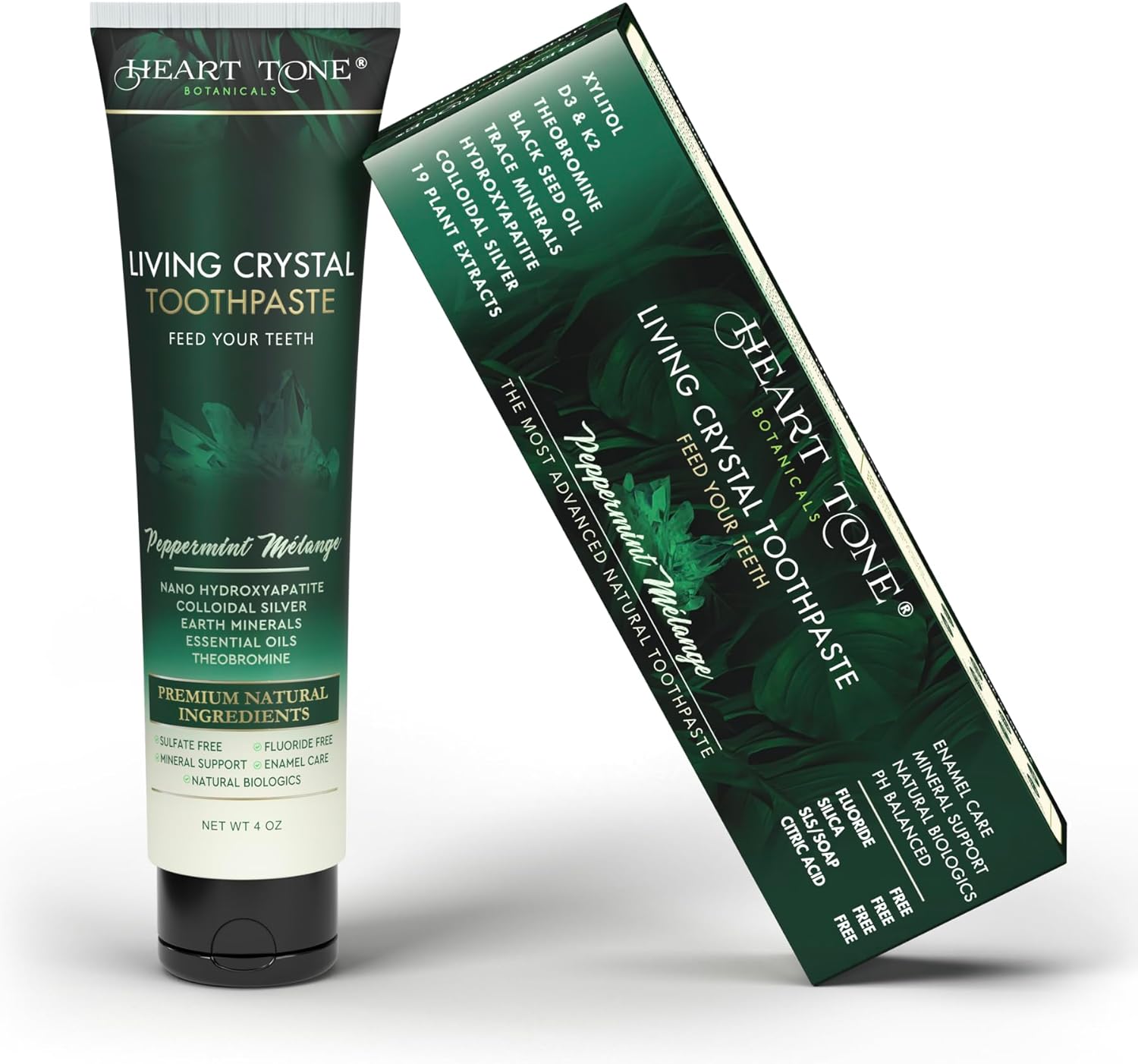
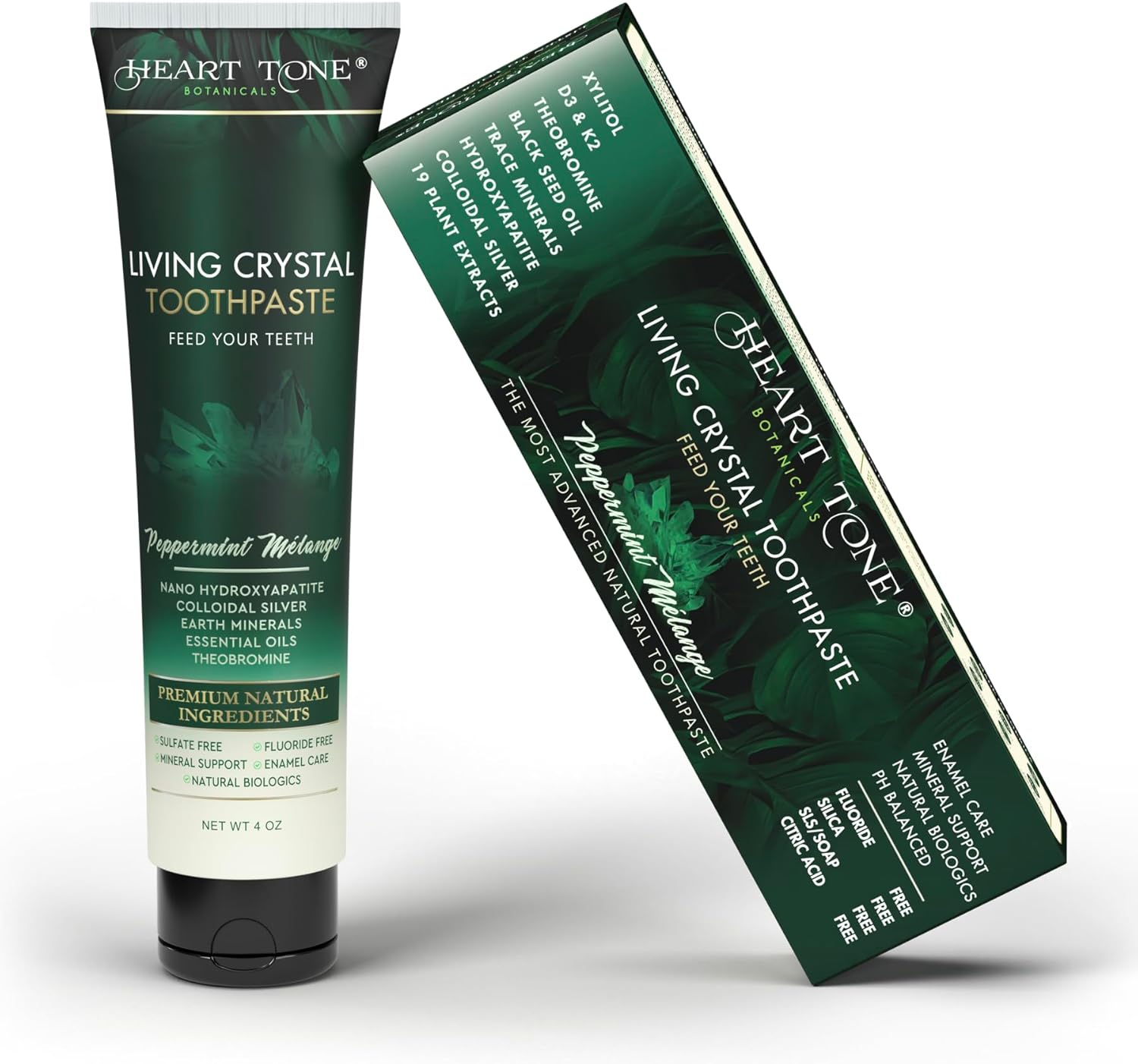
In Living Crystal Toothpaste, xylitol works alongside:
- Spherical micro-hydroxyapatite (mHAp) — the same mineral that makes up tooth enamel, delivering calcium and phosphate directly to the enamel surface
- Theobromine — a cacao-derived compound studied for its ability to support mineral uptake in enamel structure
- Zinc Citrate — supports a balanced oral microbiome, inhibits plaque bacteria, and neutralizes volatile sulfur compounds that cause bad breath
- Colloidal Silver — broad-spectrum antimicrobial support, working in parallel with xylitol against cavity-causing bacteria
- Kaolin Clay and Bentonite Clay — gentle natural abrasives that polish the surface and help bind toxins and debris without damaging enamel
Xylitol creates the bacterial conditions that allow these mineral actives to do their job. It's not an isolated ingredient — it's a critical part of a synergistic formula.
How to Choose a Xylitol Toothpaste
Not all xylitol toothpastes are created equal. When evaluating a formula, here's what to look for:
1. Xylitol near the top of the list
Ingredient lists are ordered by concentration. If xylitol appears near the bottom after a long list of synthetic ingredients, it's likely a trace amount — not enough to have a meaningful anti-cavity effect. Look for it in the top third of the ingredient list.
2. Organic xylitol when possible
Xylitol can be derived from corn (which may be GMO) or from non-GMO sources like birch. Organic certification provides the clearest guarantee of clean sourcing.
3. No fermentable sugars in the same formula

Maltose, glucose, or high-sugar flavoring agents can partially offset xylitol's anti-cavity effect by feeding the bacteria xylitol is trying to suppress. A clean fluoride-free formula shouldn't include these.
4. Paired with mineral actives, not just flavor
Xylitol is an anti-cavity agent, not a remineralizer. For a complete formula, it should be paired with mHAp, theobromine, or calcium phosphate compounds that actually deliver mineral support to enamel.
The best xylitol toothpaste doesn't just use xylitol for sweetness — it uses it as an active anti-cavity ingredient alongside minerals that support enamel recovery.
Xylitol and the Oral Microbiome
One of the underappreciated aspects of xylitol research is what happens to the bacterial population over time. Long-term xylitol exposure selects against the most aggressive, adherent strains of S. mutans. The strains that survive are less able to colonize tooth surfaces and more likely to be shed into saliva rather than forming stable plaque.
This is meaningfully different from how alcohol-based mouthwashes work. Alcohol is indiscriminate — it kills both harmful and beneficial bacteria. Xylitol is selective: it specifically disadvantages the acid-producing, enamel-eroding species while leaving the broader oral microbiome relatively intact.
For people who care about their oral microbiome — not just short-term fresh breath — xylitol is one of the most evidence-aligned anti-cavity ingredients available without fluoride.
How Much Xylitol Do You Need?
Most clinical research on xylitol efficacy looks at total daily exposure. The general consensus is that meaningful anti-cavity effects are seen at approximately 5–10 grams of xylitol per day across all sources (gum, lozenges, toothpaste). Toothpaste alone typically delivers a fraction of this, which is why using xylitol-rich toothpaste twice daily matters — you're building up consistent daily contact that cumulatively reduces S. mutans counts over time.
The sweet spot for toothpaste is a formula where xylitol is present at high enough concentration to have a genuine anti-cavity effect, not just a sweetener trace — and where you're using it consistently enough to see microbial population shifts over weeks and months.
The Bottom Line on Xylitol Toothpaste
Xylitol works. The research is consistent: regular xylitol exposure reduces cavity-causing bacteria, lowers plaque formation, raises oral pH, and supports the conditions for remineralization to occur.
It's not a substitute for brushing, and in a fluoride-free formula it works best when combined with mineral actives like micro-hydroxyapatite and theobromine. But as a core ingredient in a complete natural oral care routine, xylitol earns its place — not as a sweetener, but as a functional anti-cavity agent that goes to work the moment you start brushing.
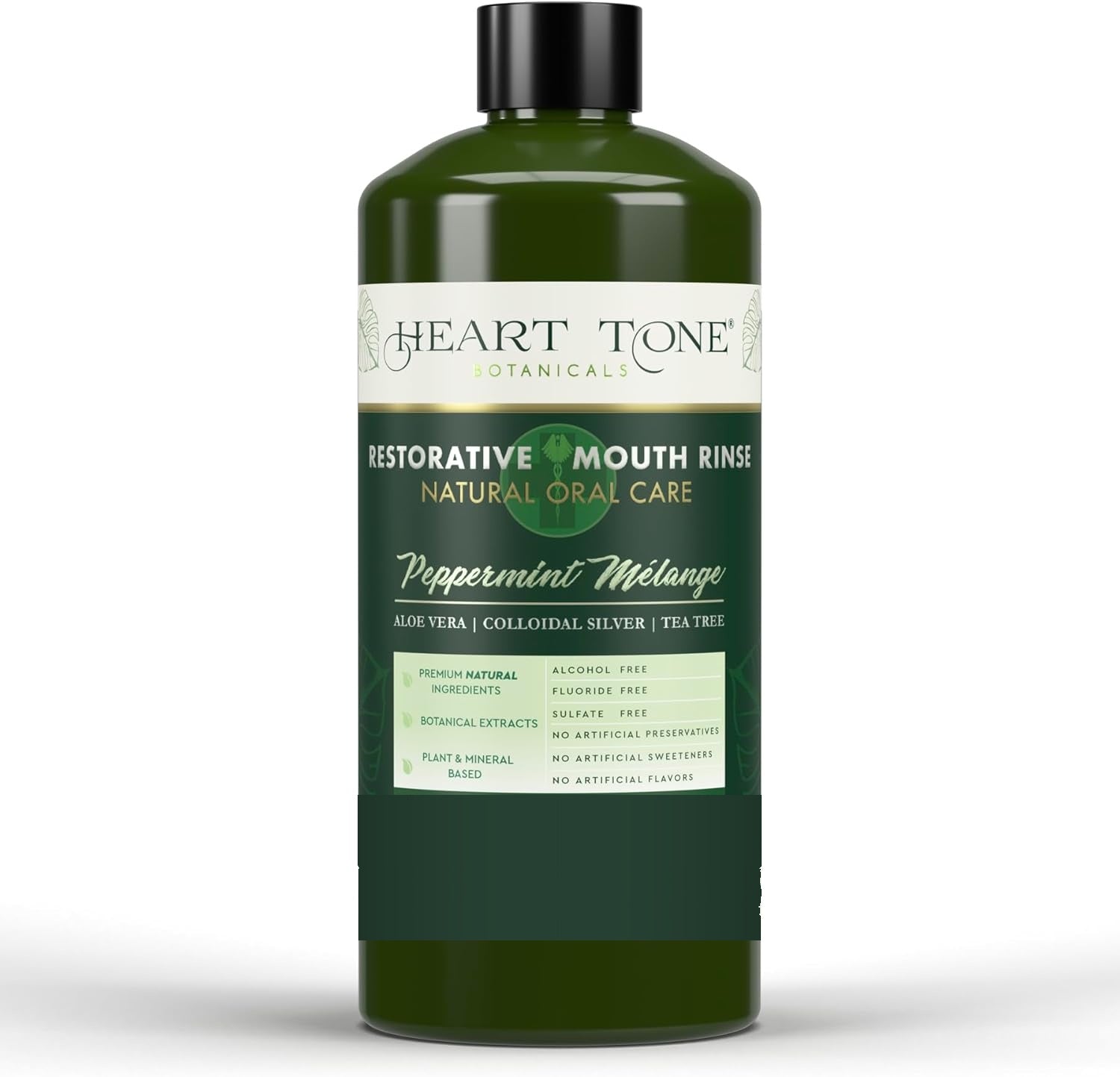
If you're looking for a fluoride-free toothpaste that uses xylitol the right way — as an active ingredient alongside a full mineral stack — Living Crystal Toothpaste was formulated with exactly that in mind. Round out your routine with the Restorative Mouth Rinse and complete the oral care system.
Frequently Asked Questions
Is xylitol safe in toothpaste?
Yes. Xylitol is GRAS (Generally Recognized as Safe) by the FDA, widely used in dental hygiene products, and has an extensive safety record in human studies. The amounts used in toothpaste are very small and not swallowed in significant quantities during normal brushing.
Does xylitol really prevent cavities without fluoride?
Xylitol reduces cavity-causing bacteria, lowers acid production, and supports a healthy oral pH — all of which help prevent cavities. In fluoride-free formulas, it's most effective when paired with mineral actives like micro-hydroxyapatite that support enamel remineralization.
What's the difference between xylitol and sorbitol in toothpaste?
Both are sugar alcohols used as sweeteners in oral care, but xylitol has significantly more evidence for anti-cavity effects. Sorbitol is primarily used as a humectant and sweetener; it doesn't have the same documented mechanism against S. mutans.
Is organic xylitol better?
Organic xylitol confirms non-GMO sourcing and pesticide-free processing. For a toothpaste marketed as natural, organic xylitol (from birch or certified corn sources) is the cleaner choice.

Leave a comment
This site is protected by hCaptcha and the hCaptcha Privacy Policy and Terms of Service apply.