

Zinc Citrate in Toothpaste: What This Mineral Does for Gums, Breath, and Plaque
Zinc citrate might be the most underrated ingredient in natural toothpaste. While colloidal silver and hydroxyapatite get all the attention, zinc citrate quietly does some of the heaviest lifting — controlling bad breath at the source, protecting gum tissue, and inhibiting the plaque bacteria that lead to cavities and gingivitis. If it's in your toothpaste, you want to know why it's there. If it's not, you might want to reconsider your formula.

What Is Zinc Citrate, and Why Is It in Natural Toothpaste?
Zinc is an essential trace mineral already present in your saliva, tooth enamel, and gum tissue. Zinc citrate is simply zinc bound to citric acid — a form that dissolves well in water-based formulas, making it highly bioavailable for oral tissues. Because it's a naturally occurring mineral rather than a synthetic compound, it fits easily into clean-label, fluoride-free formulas without compromising the ingredient philosophy.
Unlike masking agents that cover up bad breath temporarily, zinc citrate neutralizes volatile sulfur compounds (VSCs) — the actual molecules responsible for odor — at the molecular level.
That's the first thing that sets it apart. Most conventional breath-freshening agents work by covering up odor. Zinc works by binding the sulfur compounds produced by oral bacteria and rendering them inert. The effect can last several hours after brushing — which is why you'll find it in premium natural formulas designed to perform all day, not just for the first ten minutes after you brush.
Five Ways Zinc Citrate Supports Oral Health
1. Reduces Plaque Bacteria Without Disrupting Your Microbiome
Zinc salts interfere with the metabolic processes of the specific bacteria — most notably Streptococcus mutans — that drive plaque formation and acid production. What makes zinc particularly useful in a natural formula is its selectivity: it suppresses pathogenic bacteria without decimating the beneficial microorganisms that support a healthy oral environment.
This is a meaningful distinction. Harsh antibacterial ingredients like triclosan (once common in conventional toothpaste) don't distinguish between helpful and harmful bacteria. Zinc works more precisely, which aligns with the growing understanding that oral health is really about microbiome balance, not total bacterial elimination.
2. Supports Gum Health and Reduces Bleeding
Clinical research on 2% zinc citrate toothpastes has shown measurable improvements in gingival index scores — a measure of gum inflammation — along with reduced gum bleeding after consistent use. The mechanism is twofold: zinc inhibits the bacteria associated with gingivitis and periodontitis, while also acting as a mild anti-inflammatory in gum tissue.
If you're someone who notices occasional gum sensitivity or bleeding when flossing, the zinc citrate in your toothpaste is actively working on that problem every time you brush.
3. Fights Bad Breath by Neutralizing Sulfur Compounds
Bad breath (halitosis) is primarily caused by anaerobic bacteria in the mouth breaking down proteins and releasing volatile sulfur compounds — hydrogen sulfide, methyl mercaptan, and others. Zinc ions bind directly to these sulfur molecules through a chemical reaction, rendering them non-volatile (and therefore odorless) before they can reach the air.
Studies show good oral substantivity for zinc — meaning it continues to work from saliva and tooth surfaces for hours after you spit and rinse. Some formulations demonstrate zinc activity in saliva for up to 12 hours post-brushing.
4. Inhibits Tartar Formation
Tartar (calculus) forms when mineral deposits from saliva crystallize onto tooth surfaces. Zinc citrate helps interrupt this process by modifying the crystal growth of calcium phosphate deposits — essentially keeping the surface of your teeth smoother and less hospitable to the biofilm that eventually mineralizes into tartar. Less tartar means less gum irritation and a cleaner feeling between professional cleanings.
5. Partners With Hydroxyapatite for Enamel Resilience
Zinc naturally occurs in tooth enamel — it can partially substitute for calcium in the hydroxyapatite crystal structure, and this substitution actually makes enamel more acid-resistant. In a formula that already contains micro hydroxyapatite like Living Crystal Toothpaste, zinc citrate acts as a complementary enamel support: hydroxyapatite remineralizes the surface while zinc reinforces the crystal structure's resistance to demineralization from dietary acids.
Zinc doesn't replace fluoride — but in a fluoride-free formula, it does meaningful work to reduce acid damage and support enamel resilience through a completely different mechanism.
What "Good Substantivity" Actually Means for You
Substantivity is a technical term for how long an ingredient remains active in the oral cavity after you've rinsed it out. Many ingredients wash away quickly; others bind to soft tissues and tooth surfaces and continue working.

Zinc citrate has excellent oral substantivity — it adsorbs to enamel and mucosal surfaces and continues releasing zinc ions into the oral environment for hours. This means your morning brush still has zinc working in your mouth during your commute, your first meetings, and your mid-morning coffee. It's not a one-and-done effect.
Why You'll Find Zinc Citrate in Natural Formulas Specifically
Natural toothpaste formulators face a constraint that conventional brands don't: they can't rely on synthetic antimicrobials, sodium lauryl sulfate for foaming action, or fluoride for cavity protection. Every ingredient needs to pull double or triple duty.
Zinc citrate earns its place because it covers several functions at once: antimicrobial, anti-inflammatory, anti-tartar, and breath-neutralizing — all from a single mineral with a clean safety profile and a track record in oral health research going back decades.
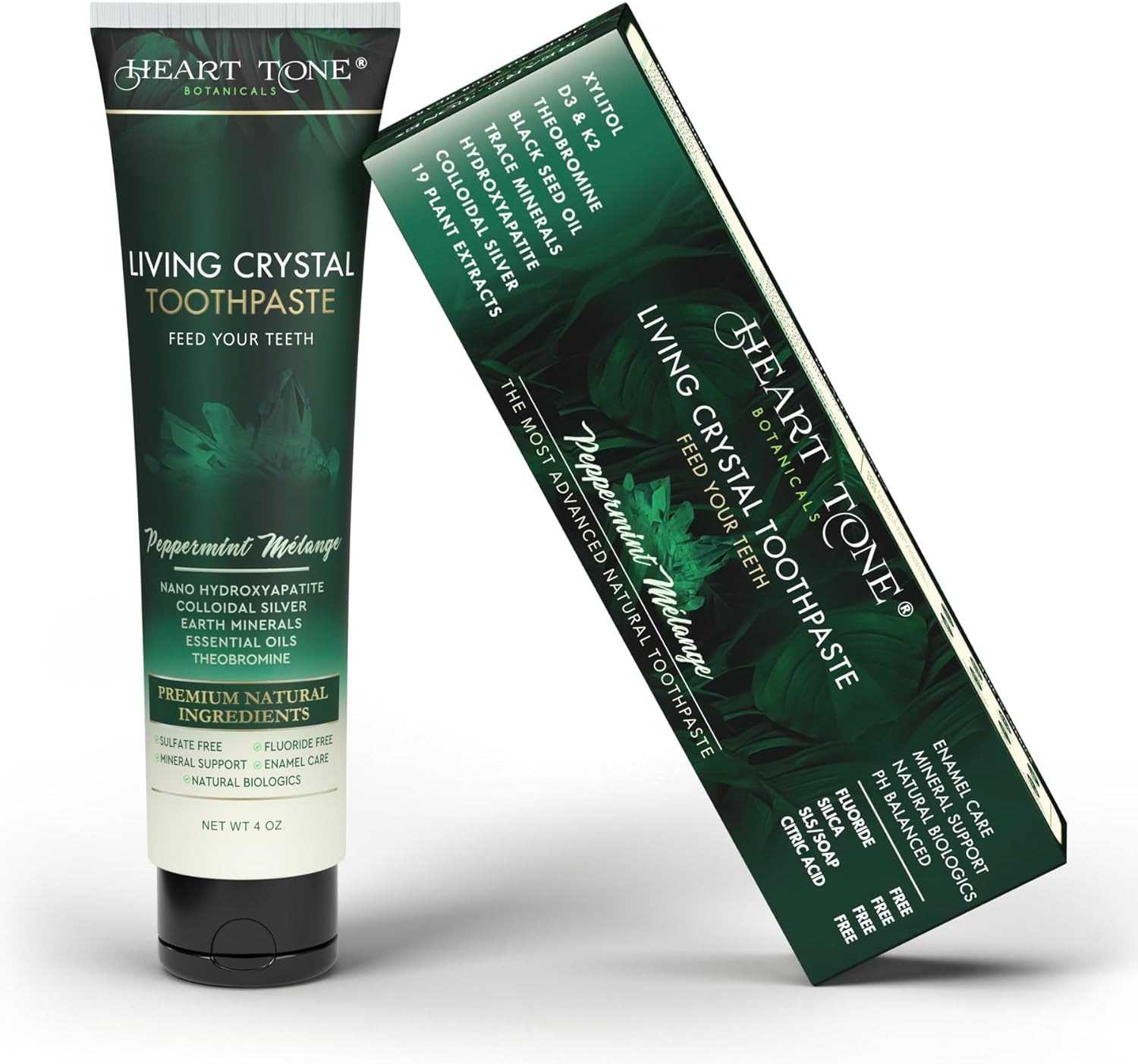
In Living Crystal Toothpaste, zinc citrate works alongside colloidal silver (broad antimicrobial), micro hydroxyapatite (remineralization), theobromine (enamel strengthening), kaolin clay (gentle polishing), and xylitol (cavity prevention) — a multi-mechanism formula where each ingredient addresses a different aspect of oral health rather than depending on one active to do everything.
How to Know If Your Toothpaste Is Working
You probably won't feel zinc citrate doing its job — and that's actually the point. The best oral care ingredients work continuously and quietly. What you will notice over time is reduced gum sensitivity, less bleeding when you floss, breath that stays fresher longer, and cleaner-feeling teeth between brushings. Those are zinc's fingerprints.
If you're managing early gingivitis, dealing with persistent bad breath despite good hygiene habits, or looking for a fluoride-free formula that still has clinical-grade active ingredients, zinc citrate is an ingredient worth seeking out on your label.
Pair It With a Complete Oral Care Routine
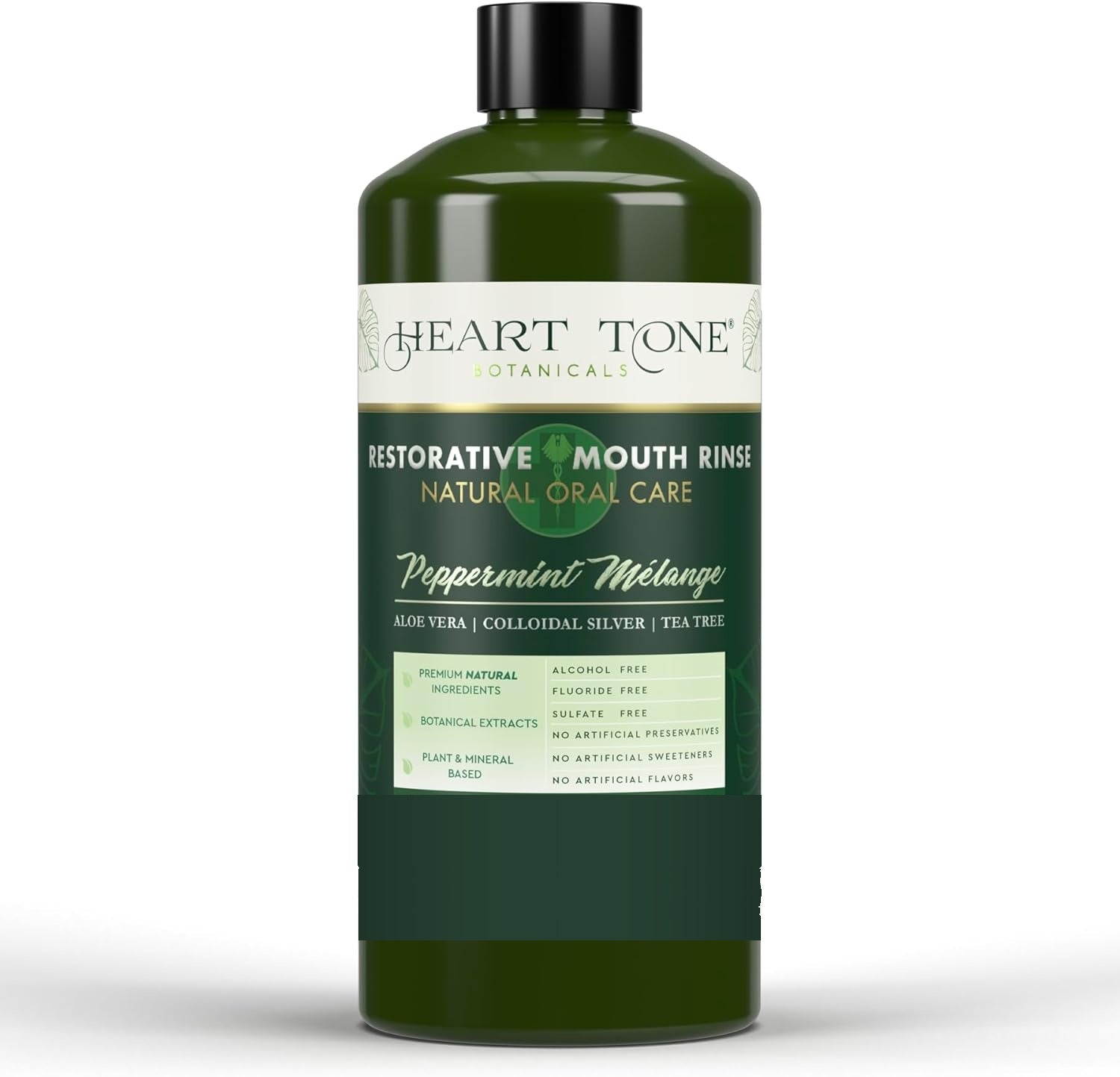
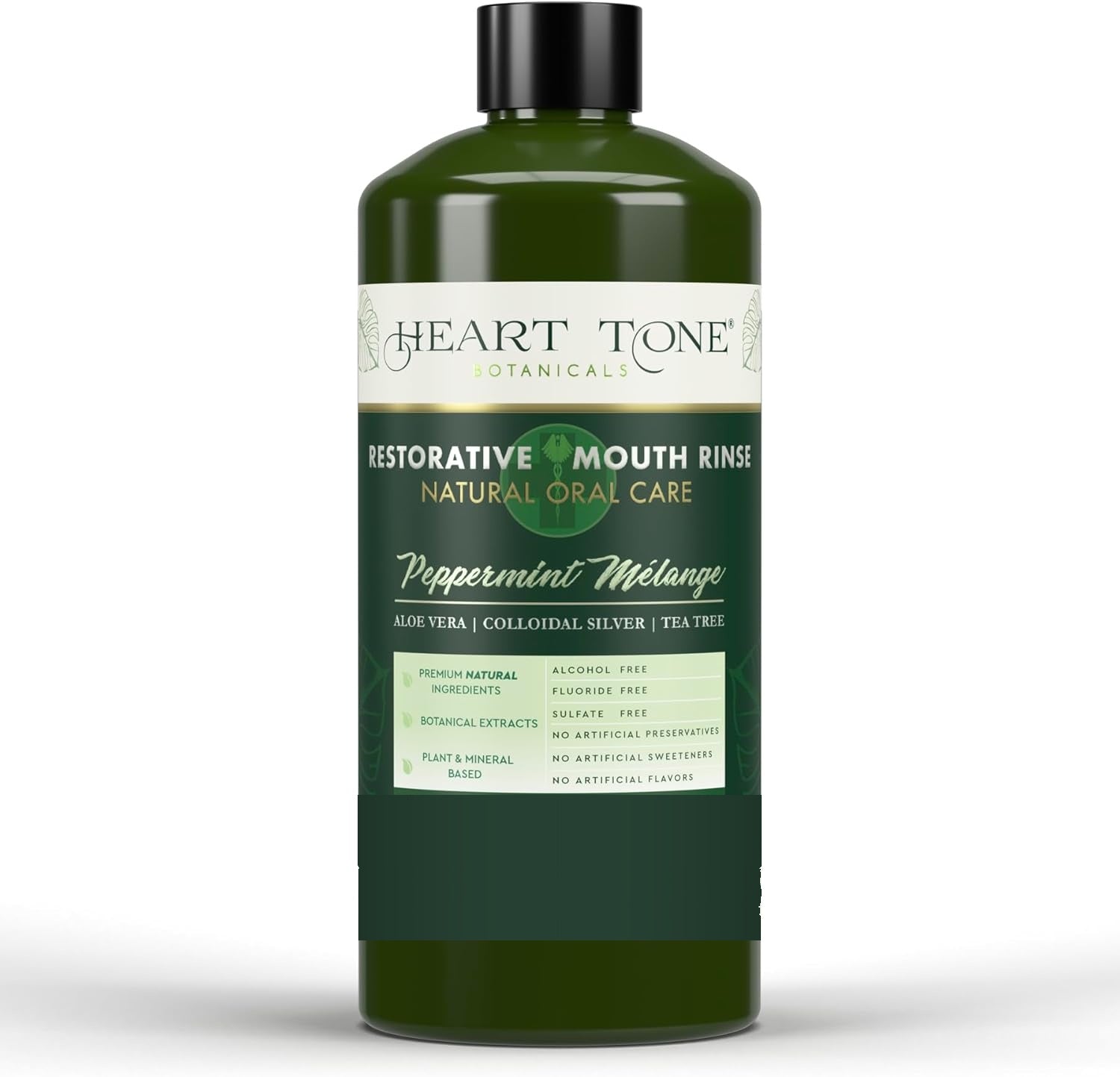
For full-mouth support, consider pairing a zinc citrate toothpaste with a rinse that reinforces the same antimicrobial work. The Restorative Mouth Rinse combines colloidal silver, aloe vera, xylitol, and zinc (colloidal zinc) in a formula designed to complement rather than compete with the toothpaste — covering the areas brushing doesn't fully reach.
And if you're interested in taking your oral detox further, oil pulling with CoQ10 works at the gumline and between teeth where both toothbrush and rinse have limited contact — particularly useful before brushing as a first-step loosening of bacterial biofilm.
For more on how individual ingredients in natural toothpaste work, see our guides on colloidal silver in toothpaste and kaolin clay's role in gentle whitening.
The Bottom Line on Zinc Citrate
Zinc citrate isn't flashy, but it's one of the most well-researched mineral actives in oral care. It controls bad breath at the molecular level, supports gum health, inhibits plaque bacteria without disrupting microbiome balance, reduces tartar formation, and works for hours after you've rinsed. In a fluoride-free formula, it's not an optional add-in — it's doing essential work.
Look for it on the label. If your toothpaste has it, your gums and your breath are both better for it.
Try It in Living Crystal Toothpaste
Heart Tone Botanicals' Living Crystal Toothpaste contains colloidal zinc alongside a full spectrum of botanical actives — theobromine, hydroxyapatite, zeolite, L-arginine, kaolin clay, colloidal zinc, vitamin K2, and colloidal silver. No SLS, no fluoride, no synthetic fillers. Small-batch crafted in Vero Beach, FL.

Leave a comment
This site is protected by hCaptcha and the hCaptcha Privacy Policy and Terms of Service apply.