

Xylitol Mouthwash: What This Birch-Derived Sweetener Actually Does for Your Teeth
Xylitol mouthwash has become one of the most searched terms in natural oral care — and for good reason. While most people associate xylitol with sugar-free gum, this birch-derived sweetener plays a surprisingly powerful role in a daily mouth rinse. If you're looking for a fluoride-free mouthwash that does more than just freshen breath, xylitol is the ingredient worth understanding.

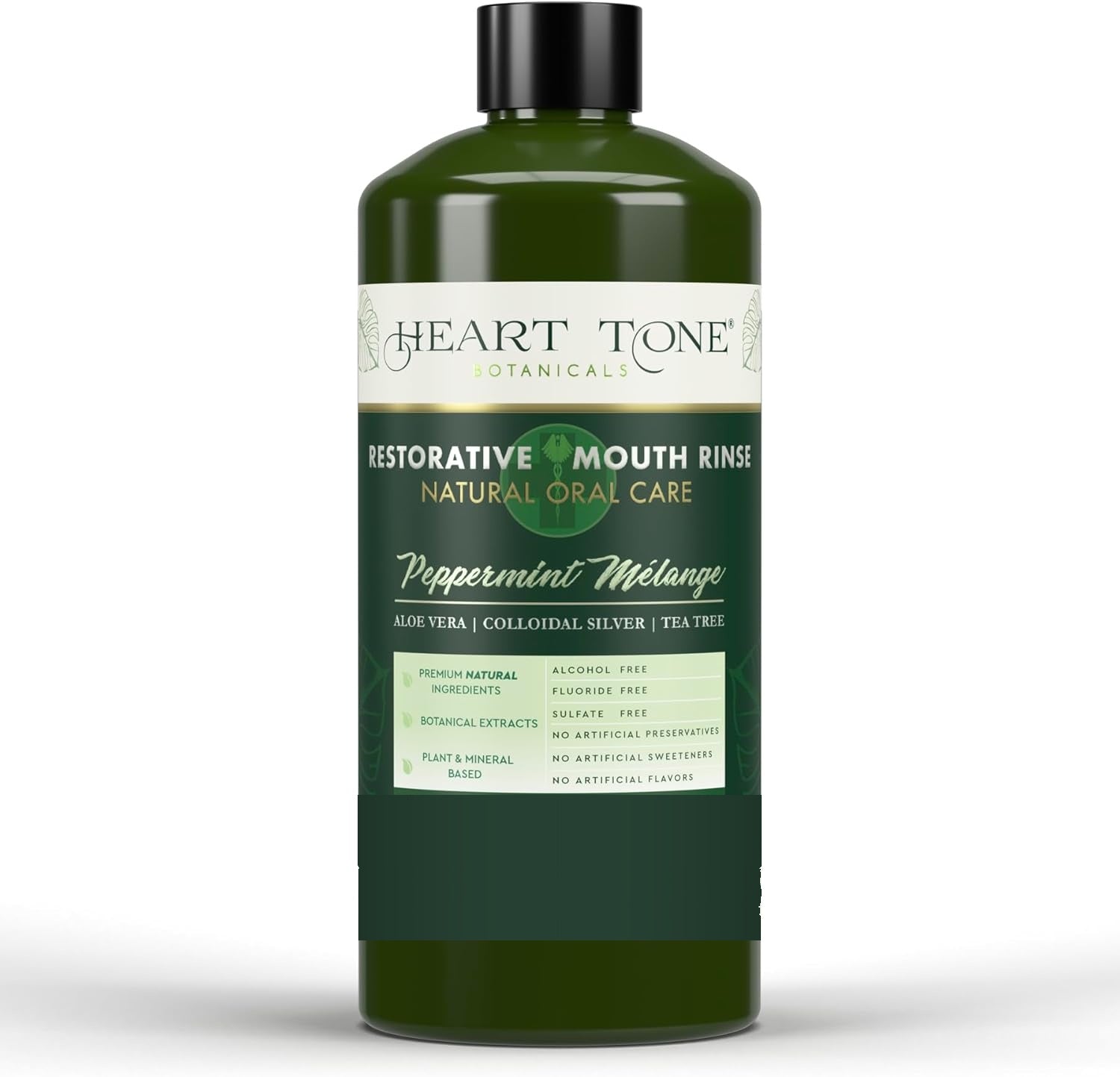
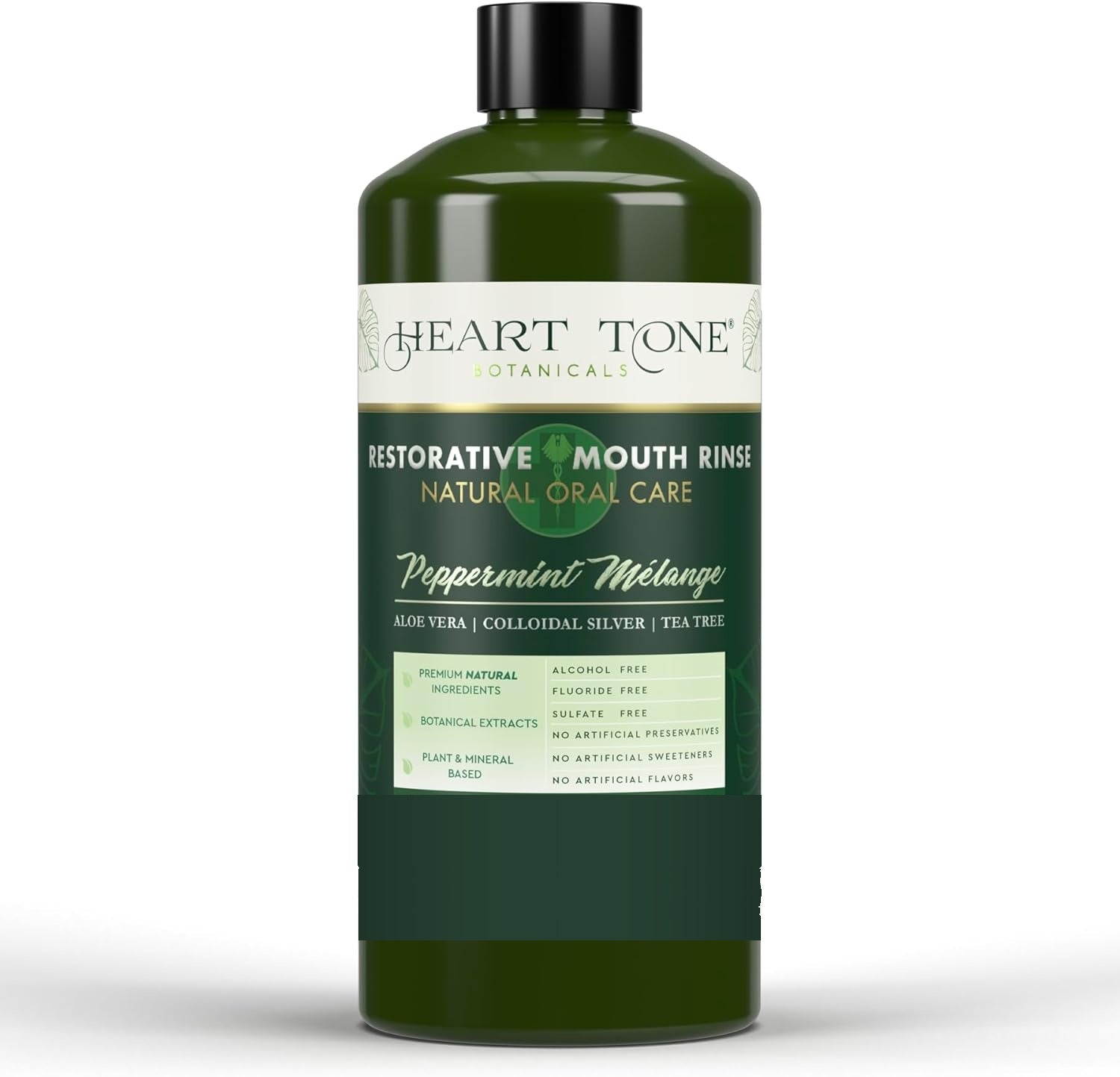
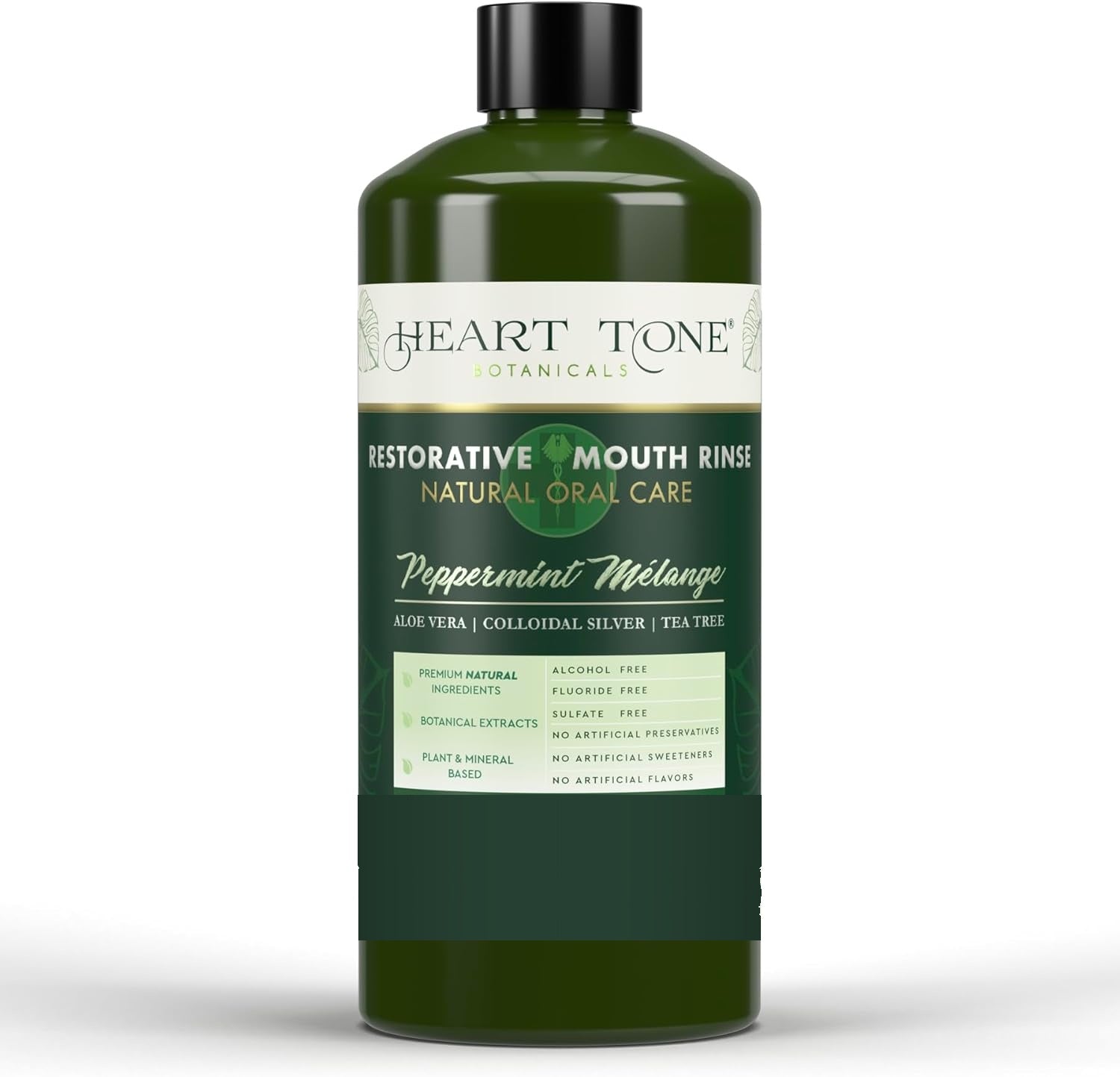
At Heart Tone Botanicals, xylitol is one of 22 botanical ingredients in our Restorative Mouth Rinse — and it's also a key ingredient in our Living Crystal Toothpaste. Here's everything you need to know about what it actually does.
What Is Xylitol?
Xylitol is a naturally occurring sugar alcohol found in many plants — most commonly extracted from birch wood or corn cobs. It looks and tastes almost identical to table sugar, but it behaves very differently in your mouth. And that difference is the entire point.
Unlike regular sugar, xylitol cannot be fermented by the bacteria in your mouth. That makes it remarkable in an oral care context.
The bacteria most responsible for tooth decay — primarily Streptococcus mutans — feed on regular sugars and produce acid as a byproduct. That acid is what erodes enamel over time. When those bacteria encounter xylitol, they attempt to metabolize it the same way — but they can't. The process stalls, no acid is produced, and the bacteria eventually starve.
Why Xylitol in a Mouthwash (Not Just Gum)?
You've likely seen xylitol in sugar-free gums and mints for years. But xylitol in mouthwash delivers a different kind of exposure — one that many oral health researchers consider more effective than gum alone.
Here's why:
- Full-mouth coverage. A rinse reaches every surface — the backs of teeth, the gumline, under the tongue, and deep between molars — places gum simply can't reach.
- Longer contact time. When you swish for 30–60 seconds, xylitol has extended contact with tooth surfaces and the bacteria living in plaque.
- Synergy with other ingredients. In a well-formulated botanical mouthwash, xylitol doesn't work alone. In our Restorative Mouth Rinse, it's paired with colloidal silver, colloidal zinc, aloe vera, and 18 additional botanicals — each contributing a different dimension of oral care.
What the Research Says About Xylitol and Oral Health
The science behind xylitol in oral care is well-established and spans decades. Key findings from clinical research:
- Regular xylitol use has been shown to reduce S. mutans counts in saliva, which directly correlates with lower cavity risk over time.
- Xylitol stimulates saliva production — and saliva is your mouth's primary natural defense against bacteria and acid. More saliva means better mineral delivery to tooth surfaces.
- Studies suggest xylitol may help reduce plaque accumulation when used consistently in rinse or gel form.
- For those prone to dry mouth, xylitol-containing rinses are widely recommended because they improve salivary flow without the burning sensation of alcohol-based products.
It's worth noting that xylitol's benefits are dose- and frequency-dependent. Research generally points to consistent daily use — not occasional — as the key to meaningful results. A rinse used morning and evening means your mouth encounters xylitol twice daily, which is exactly the kind of regular exposure that accumulates into real change.
Xylitol vs. Alcohol-Based Mouthwash: What's the Difference?
Most commercial mouthwashes use alcohol (ethanol) as the primary antiseptic. The logic: alcohol kills bacteria. The problem: it kills indiscriminately.
Your mouth harbors both harmful and beneficial bacteria — a complex ecosystem that keeps inflammation, bad breath, and decay in check when balanced. Alcohol-based mouthwashes disrupt that balance. The burning sensation isn't just uncomfortable; it's a signal that you're stripping your mouth's natural lining and altering its microbiome. Many people using alcohol mouthwashes daily report increased dry mouth, rebound bad breath, and heightened sensitivity over time.
A xylitol mouthwash works with your oral biology rather than against it. Instead of indiscriminately killing bacteria, xylitol selectively starves the ones most responsible for decay. The beneficial bacteria that help maintain a healthy pH and a balanced microbiome remain intact.
The goal of a truly natural mouthwash isn't to sterilize your mouth — it's to shift the bacterial balance toward health without causing collateral damage.
What to Look for in a Xylitol Mouthwash
Not all xylitol mouthwashes are created equal. Here's what separates a genuinely functional formula from one that just has xylitol on the label:
1. Xylitol as a Meaningful Ingredient, Not a Trace Addition
Some brands list xylitol near the bottom of their ingredient list — present in small enough quantities to be functionally irrelevant. Look for formulas where xylitol is listed among the primary active ingredients, not as an afterthought.

2. Alcohol-Free Base
If a mouthwash contains alcohol, xylitol's work is being undone by the formula itself. The whole point of choosing xylitol is to support a balanced oral environment — alcohol makes that impossible.
3. Complementary Botanicals
Xylitol works best in combination. Look for supporting ingredients like:
- Colloidal silver — for its traditional role in natural oral care
- Aloe vera — for its soothing and pH-balancing properties
- Colloidal zinc — to complete the mineral profile and support a healthy oral environment
- Essential oils (clove, tea tree, peppermint) — naturally antibacterial botanicals that add both function and flavor
4. No Artificial Sweeteners or Dyes
Saccharin, sucralose, and artificial dyes have no place in a natural mouthwash. If xylitol is the sweetener, nothing synthetic should be sharing the formula.
How We Use Xylitol in HTB's Restorative Mouth Rinse
Our Restorative Mouth Rinse uses birch-derived xylitol as part of a 22-ingredient botanical formula. The full lineup includes farm-grown aloe vera (from our biodynamic farm in Vero Beach, FL), colloidal silver, colloidal zinc, myrrh, neem, clove, tea tree, and a layered mint blend — peppermint, spearmint, cornmint, and wintergreen.
The xylitol works at the bacterial level. The aloe and zinc work at the tissue and mineral level. The colloidal silver brings its traditional botanical history. Together, they form a rinse that covers more ground than anything built around alcohol and artificial antiseptics.
And because it's alcohol-free, it doesn't burn. It doesn't dry. It leaves your mouth feeling genuinely clean — not chemically stripped.
Xylitol in Toothpaste: The Complete Protocol
If you're using a xylitol mouthwash, pairing it with a xylitol toothpaste creates a more complete oral care approach. Our Living Crystal Toothpaste also contains birch-derived xylitol, alongside spherical hydroxyapatite, theobromine, zinc citrate, bentonite clay, and 30+ additional farm-grown botanical extracts.
The combination means xylitol exposure during both brushing and rinsing — the kind of consistent, twice-daily use that the research points to as most effective.
For a complete natural oral care routine, consider pairing the Mouth Rinse with Living Crystal Toothpaste and our Ozonated Oil Pull for an oil pulling step. Each product addresses a different layer of oral health — and together, they form a protocol built entirely from botanicals, with zero synthetic chemistry.
Is Xylitol Safe for Daily Use?
Yes — xylitol has a long safety record in human oral care and is approved for use in food and personal care products worldwide. At the concentrations used in oral care products, it presents no known concerns for regular daily use in adults.
One note: xylitol is toxic to dogs. Keep xylitol-containing products stored away from pets, and rinse and spit rather than swallowing.
The Bottom Line
Xylitol mouthwash earns its place in natural oral care because it works at the source — disrupting the bacterial processes that cause decay — rather than masking symptoms with alcohol and artificial flavor. When it's part of a well-formulated botanical rinse, it amplifies the work of every other ingredient in the formula.
If you're building a fluoride-free, alcohol-free oral care routine that supports real long-term dental health, xylitol belongs in your daily rinse.
Related reading: Spherical vs. Rod-Shaped Hydroxyapatite: Which Form Is Safer? | Colloidal Silver Mouthwash: What It Is and Why It Works | Fluoride-Free Mouthwash: What to Look For

Leave a comment
This site is protected by hCaptcha and the hCaptcha Privacy Policy and Terms of Service apply.