

Kaolin Clay Toothpaste: Why This Gentle Clay Belongs in Natural Oral Care
Kaolin clay has been used for centuries in skincare — but its role in natural toothpaste is one of the best-kept secrets in oral care. If you've ever wondered why your natural toothpaste feels so smooth and leaves your teeth looking noticeably cleaner without the harsh scrubbing sensation, kaolin clay is likely why.

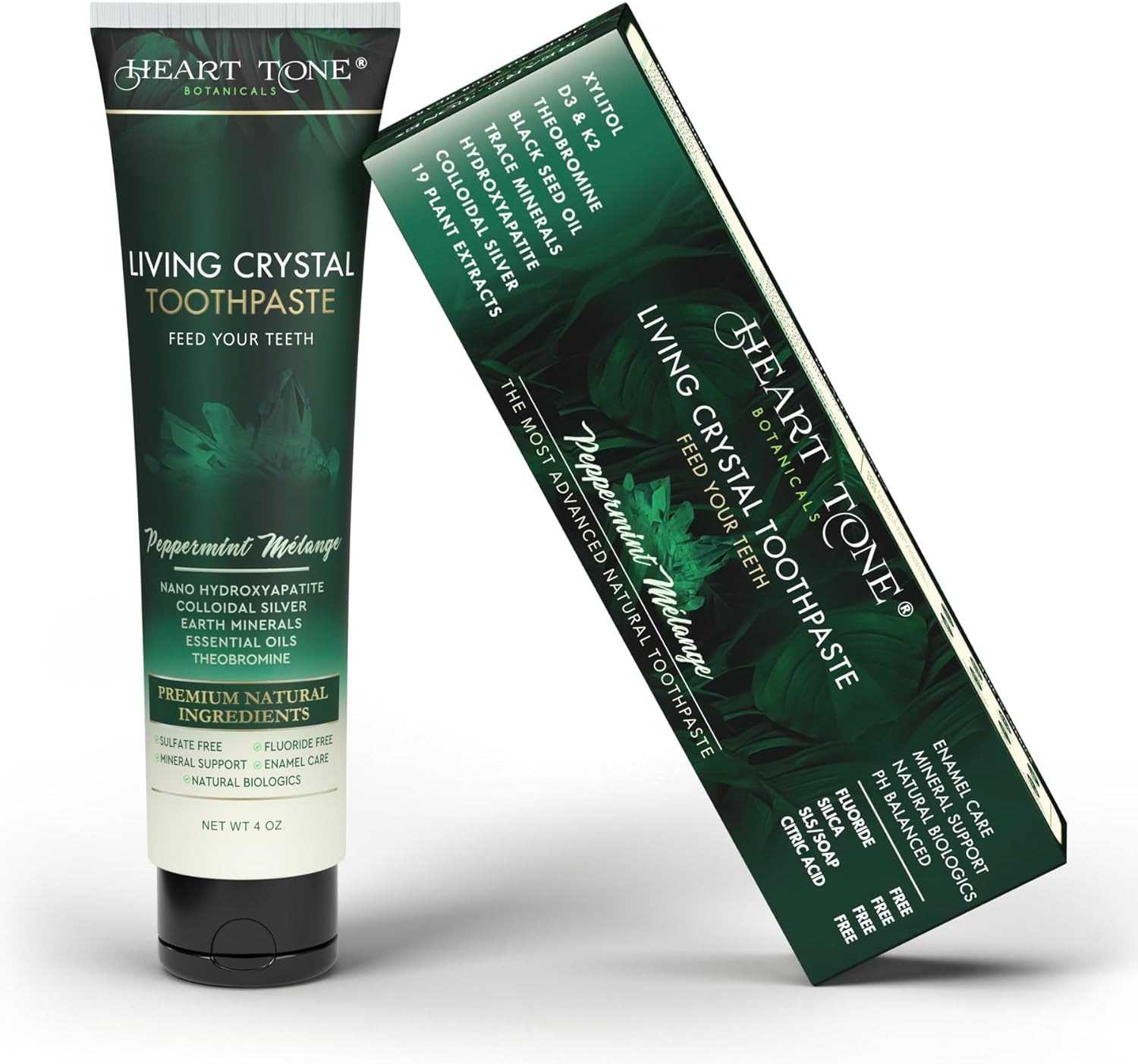
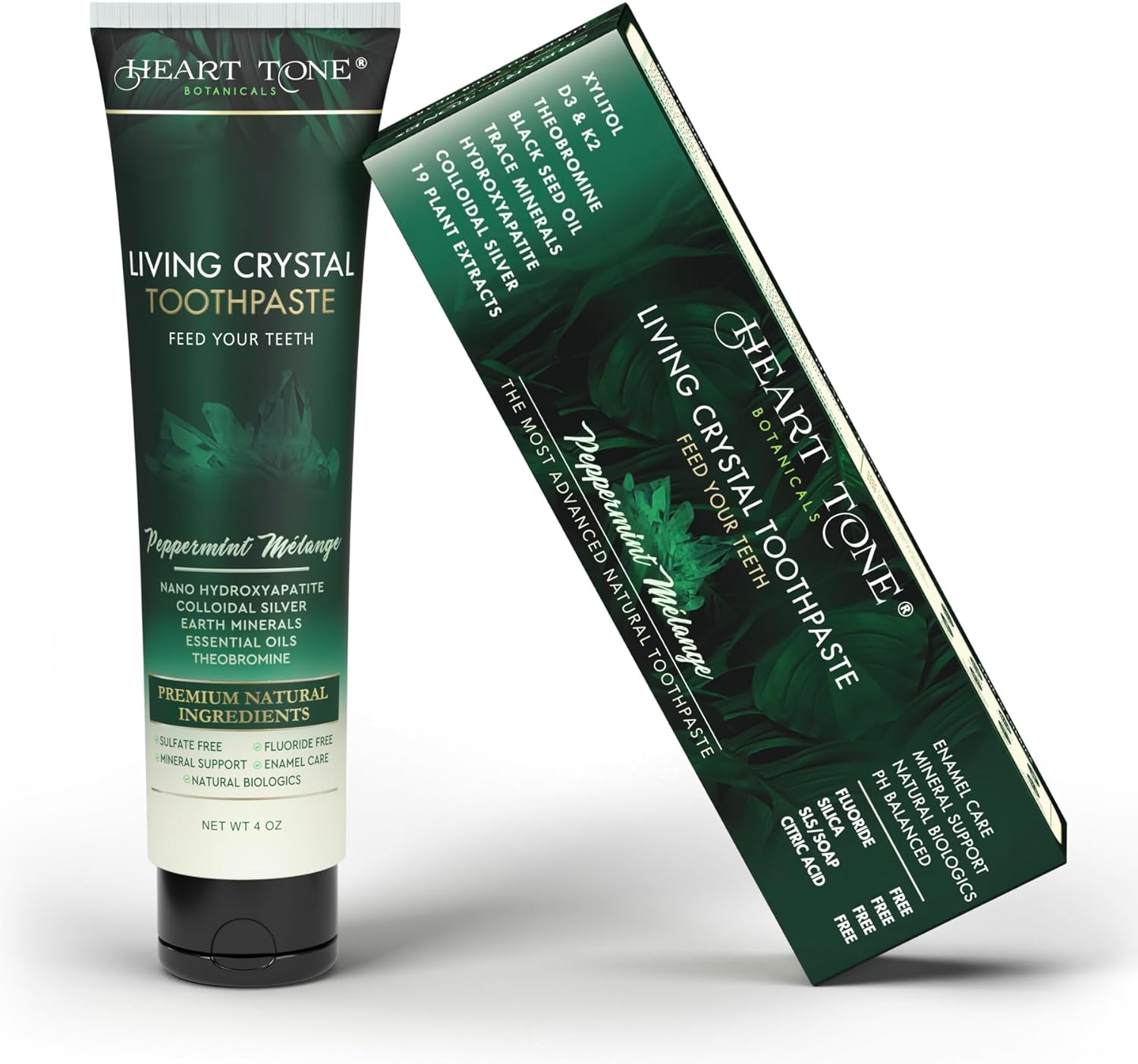
It's one of the key ingredients in Living Crystal Toothpaste — and understanding what it actually does can help you make smarter choices about everything you put in your mouth.
What Is Kaolin Clay?
Kaolin (also called white clay or China clay) is a naturally occurring soft mineral — aluminum silicate — formed from the weathering of feldspathic rocks over millions of years. It's finely milled, white, and exceptionally gentle compared to other abrasives used in toothpaste.
In cosmetics, kaolin has long been trusted to draw out impurities without stripping. In oral care, it serves a parallel purpose: gentle mechanical cleaning that removes surface stains and plaque without aggressive enamel wear.
What Kaolin Clay Does in Toothpaste
1. Gentle Whitening Through Polishing, Not Bleaching
Most "whitening" toothpastes work in one of two ways: abrasion (scrubbing stains off) or oxidation (bleaching intrinsic color). Kaolin clay belongs firmly in the first camp — and that's a good thing for long-term enamel health.
Kaolin's fine particle structure polishes the enamel surface, removing extrinsic stains from coffee, tea, and food without the aggressive grinding that high-RDA abrasives produce. The result is a cleaner, brighter surface that reflects light more evenly — which is what makes teeth appear whiter after consistent use.
Kaolin whitening is gradual and cumulative. After a few weeks of daily use, most people notice their teeth look cleaner and feel smoother — not because the paste changed the color of their enamel, but because it removed the film of staining that dull it.
2. Low RDA — Safer for Daily Use
RDA (Relative Dentin Abrasivity) is the scientific standard for measuring how hard a toothpaste is on your teeth. Low-RDA pastes (under 70) are considered the safest for daily use, especially for people with sensitive teeth, gum recession, or enamel wear concerns.
Kaolin clay, when properly formulated, contributes to a low-RDA formula. Compare this to conventional whitening pastes that often sit in the 100–150+ range — technically FDA-compliant, but significantly more aggressive on enamel over time.
For anyone who brushes twice daily, every day, for decades — that difference adds up.
3. Smooth Feel and Natural Polish
One of the most noticeable things about kaolin-based toothpastes is the feel. The paste glides rather than grates. That smooth, silky texture isn't accidental — it's the kaolin creating a fine polishing action that leaves enamel surfaces slicker and more even after brushing.
That's also why kaolin pairs so well with other ingredients that have different jobs — like remineralizing or antibacterial agents — without interfering with their function.
Why Kaolin Works Better With Other Ingredients
Kaolin clay doesn't work in isolation — its real strength is as a foundation for a multi-ingredient formula. In Living Crystal Toothpaste, kaolin is combined with ingredients that do things kaolin alone cannot:
- Micro Hydroxyapatite (Spherical): The remineralizing agent. Hydroxyapatite fills in microscopic surface damage in enamel, supporting strength and reducing sensitivity. Kaolin cleans the surface; hydroxyapatite rebuilds it.
- Colloidal Silver: Antimicrobial support. Silver ions disrupt the environment bacteria need to form plaque biofilm. Clean surface + disrupted biofilm = meaningfully fresher mouth.
- Zinc Citrate: Clinically studied for tartar control and reducing bacterial adhesion. Works alongside kaolin's mechanical cleaning to keep buildup from re-forming quickly.
- Bentonite Clay: A companion clay that adds mild detoxifying and absorptive properties to the formula, helping draw out surface impurities while kaolin does the polishing work.
- Xylitol: A sugar alcohol that creates an inhospitable environment for Streptococcus mutans — the primary cavity-causing bacteria. Sweetens the paste naturally while pulling antibacterial duty.
- Theobromine: The natural fluoride alternative found in cacao. Supports enamel remineralization through a different pathway than hydroxyapatite, giving the formula two remineralizing mechanisms.
This is why the ingredient list matters — not just whether a paste contains kaolin, but what it's working with.

Kaolin Clay vs. Other Toothpaste Abrasives
Understanding where kaolin fits against other common abrasives helps put it in context:
- Calcium Carbonate: Similar gentleness profile to kaolin, low RDA when well-formulated. Common in natural toothpastes. Less polishing action than kaolin.
- Baking Soda (Sodium Bicarbonate): Low RDA, pH-raising, mild. Good for plaque but not the smoothest texture and can feel gritty.
- Hydrated Silica: The most common abrasive in conventional pastes. RDA varies dramatically by particle size and concentration — can be low or very high. The ingredient most associated with abrasive toothpaste wear concerns.
- Kaolin Clay: Fine mineral, low RDA, smooth texture, gentle polishing action. Pairs naturally with other clay ingredients and botanical formulas.
Is Kaolin Clay Toothpaste Right for You?
Kaolin clay toothpaste is an especially strong fit if you:
- Have sensitive teeth or gum recession and need a gentler abrasive
- Want gradual whitening without the harshness of high-RDA whitening pastes
- Prefer mineral-based, naturally sourced ingredients over synthetic abrasives
- Are looking for a toothpaste where every ingredient has a defined, intentional role
It's not the right fit if you're looking for rapid, dramatic whitening — kaolin's results are real but gradual. For intrinsic discoloration, you'll need professional treatment.
What to Look for in a Kaolin Clay Toothpaste
Not all kaolin toothpastes are equal. Here's what actually matters on the label:
- Kaolin listed first or second in abrasives — signals it's the primary cleaning agent, not a trace add-in for marketing
- A remineralizing agent — hydroxyapatite or fluoride — because kaolin cleans but doesn't rebuild enamel on its own
- No unnecessary harshness — avoid pastes that pair kaolin with high-silica loads or aggressive whitening chemicals that undo the gentleness benefit
- Xylitol or a comparable antibacterial — cleaning the surface without addressing bacterial activity is only half the job
The Living Crystal Toothpaste formulation checks all four: kaolin as the primary mineral abrasive, spherical micro-hydroxyapatite for remineralization, colloidal silver and zinc citrate for antimicrobial support, and xylitol throughout.
The Bottom Line
Kaolin clay is one of the most underappreciated ingredients in natural oral care. It brings gentle, consistent mechanical cleaning without the enamel trade-offs of harsher abrasives — and it creates the textural foundation that makes the rest of a thoughtful formula work better.
In an era when most conventional toothpastes load up on silica abrasives to deliver instant whitening at the expense of long-term enamel health, kaolin represents a different philosophy: clean gently, every day, and let the rest of the formula do the heavier lifting.
That's the approach behind Living Crystal Toothpaste — and it's why the ingredient list reads more like a mineral apothecary than a chemistry experiment.
Want to go deeper on one key ingredient? The antimicrobial science behind colloidal silver in toothpaste explains exactly how silver ions work at the cellular level — and what peer-reviewed research actually shows.
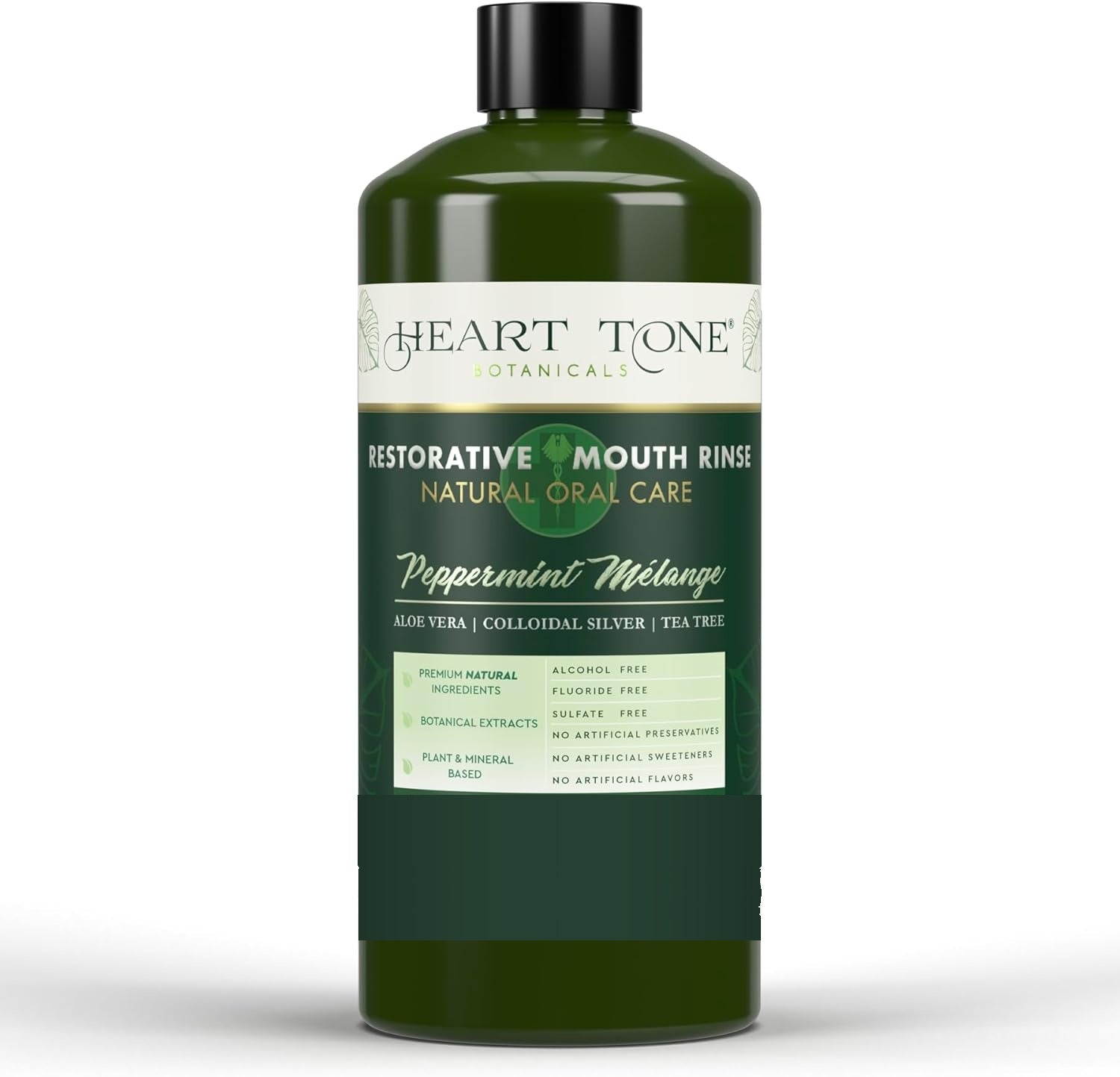
Also in the oral care collection: Restorative Mouth Rinse — colloidal silver + aloe vera for a complete daily rinse. And why CoQ10 oil pulling rounds out a next-level oral care routine.
Try It in Living Crystal Toothpaste
Heart Tone Botanicals' Living Crystal Toothpaste contains kaolin clay alongside a full spectrum of botanical actives — theobromine, hydroxyapatite, zeolite, L-arginine, kaolin clay, colloidal zinc, vitamin K2, and colloidal silver. No SLS, no fluoride, no synthetic fillers. Small-batch crafted in Vero Beach, FL.

Leave a comment
This site is protected by hCaptcha and the hCaptcha Privacy Policy and Terms of Service apply.