

Alcohol-based mouthwashes have dominated drugstore shelves for decades, but there's a growing shift toward alcohol free mouthwash—and for good reason. While alcohol rinses promise fresh breath and germ-killing power, they come with hidden downsides that can actually harm your oral health over time.

If you've been using alcohol-based mouthwash and wondering why your mouth feels dry, your gums irritated, or your breath isn't staying fresh as long as you'd like, it might be time to make the switch.
Why Alcohol Is Added to Mouthwash
Alcohol (typically ethanol) serves two purposes in conventional mouthwashes:
- Antimicrobial action: Alcohol kills bacteria on contact, which is why it's marketed for fighting plaque and bad breath.
- Solvent: It helps dissolve other ingredients like menthol and essential oils, ensuring they mix evenly.
Sounds effective, right? The problem is that alcohol doesn't discriminate—it kills both harmful and beneficial bacteria, disrupting your mouth's delicate microbiome.
The Hidden Downsides of Alcohol-Based Mouthwash
1. Dry Mouth (Xerostomia)
Alcohol is a desiccant—it dries out your mouth by evaporating saliva. Saliva is your mouth's natural defense system: it neutralizes acids, washes away food particles, and delivers minerals that repair enamel.
When your mouth is dry, bacteria thrive. Ironically, the very thing you're using to fight bad breath may be creating an environment where odor-causing bacteria multiply faster.
People with chronic dry mouth are at higher risk for:
- Cavities and tooth decay
- Gum disease
- Persistent bad breath
- Mouth sores and ulcers
2. Gum and Tissue Irritation
Alcohol can irritate the delicate tissues inside your mouth, especially if you already have sensitive gums, canker sores, or gum disease. The burning sensation you feel when rinsing? That's not "cleaning"—it's inflammation.
Over time, this irritation can contribute to receding gums and increased sensitivity.
3. Disrupted Oral Microbiome
Your mouth is home to hundreds of bacterial species—some harmful, many beneficial. Alcohol-based mouthwashes wipe out this balance indiscriminately, which can lead to:
- Oral thrush (yeast overgrowth)
- Increased plaque formation (when bad bacteria rebound faster than good bacteria)
- Weakened natural defenses against infection
4. Potential Link to Oral Cancer (in Heavy Users)
While the evidence is still debated, some studies suggest that long-term, frequent use of high-alcohol mouthwashes may increase the risk of oral cancer—particularly in smokers and heavy drinkers. The mechanism may involve alcohol acting as a solvent that allows carcinogens to penetrate oral tissues more easily.
Most dentists agree: if you're using mouthwash 2-3 times daily for years, an alcohol-free formula is the safer choice.
The Benefits of Alcohol Free Mouthwash
Switching to an alcohol free mouthwash offers several key advantages:
1. Gentle on Gums and Tissues
No burning, no irritation. Alcohol-free formulas are ideal for people with:
- Sensitive gums or teeth
- Canker sores or mouth ulcers
- Gum disease (gingivitis or periodontitis)
- Dry mouth conditions
2. Supports Saliva Production
Without alcohol's drying effect, your mouth can maintain healthy saliva flow—which means better breath, stronger enamel, and a healthier oral environment overall.
3. Targets Bacteria Without Disrupting Balance
Modern alcohol-free mouthwashes use botanical antimicrobials like neem, tea tree oil, and sage. These ingredients selectively target harmful bacteria while leaving beneficial microbes intact.

4. Longer-Lasting Freshness
Because alcohol-free rinses don't dry out your mouth, they actually provide longer-lasting fresh breath. Dry mouth = more bacteria = more odor. Keeping your mouth hydrated keeps it fresher.
5. Safe for Daily Use
Unlike alcohol rinses, which can be harsh with frequent use, alcohol-free mouthwashes are gentle enough for multiple daily uses without side effects.
"The best mouthwash doesn't burn—it balances. Alcohol-free formulas protect your oral microbiome while still fighting plaque and bad breath."
What to Look for in an Alcohol Free Mouthwash
Not all alcohol-free mouthwashes are created equal. Here's what to prioritize:
- Botanical antimicrobials: Look for neem, tea tree oil, sage, or peppermint oil—not just flavoring agents.
- pH-balancing: A balanced pH supports enamel health and discourages acid-loving bacteria.
- Free of artificial dyes and flavors: These add no therapeutic value and may irritate sensitive mouths.
- Fluoride-free (optional): Many people prefer fluoride-free oral care for cleaner ingredient lists.
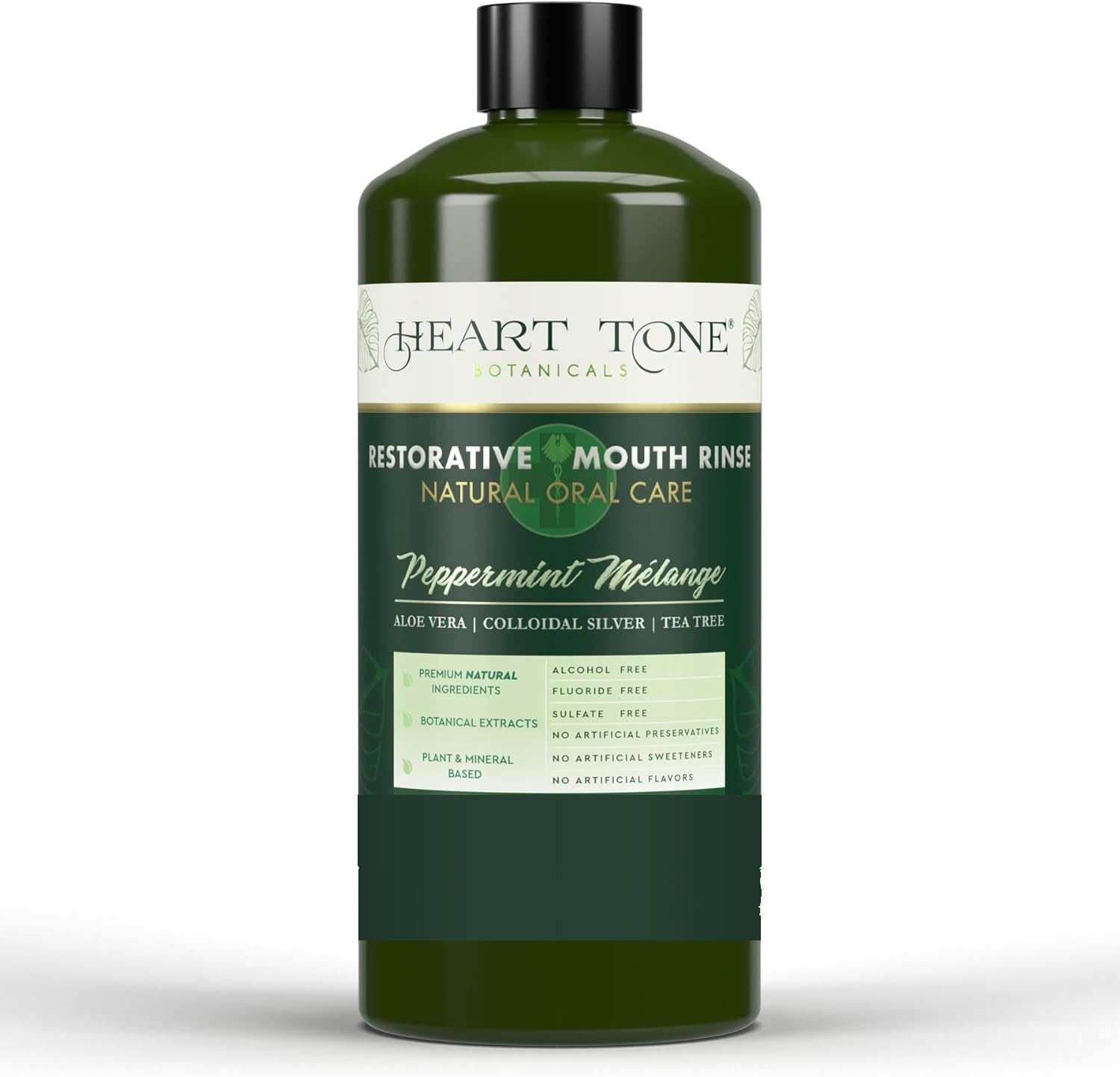
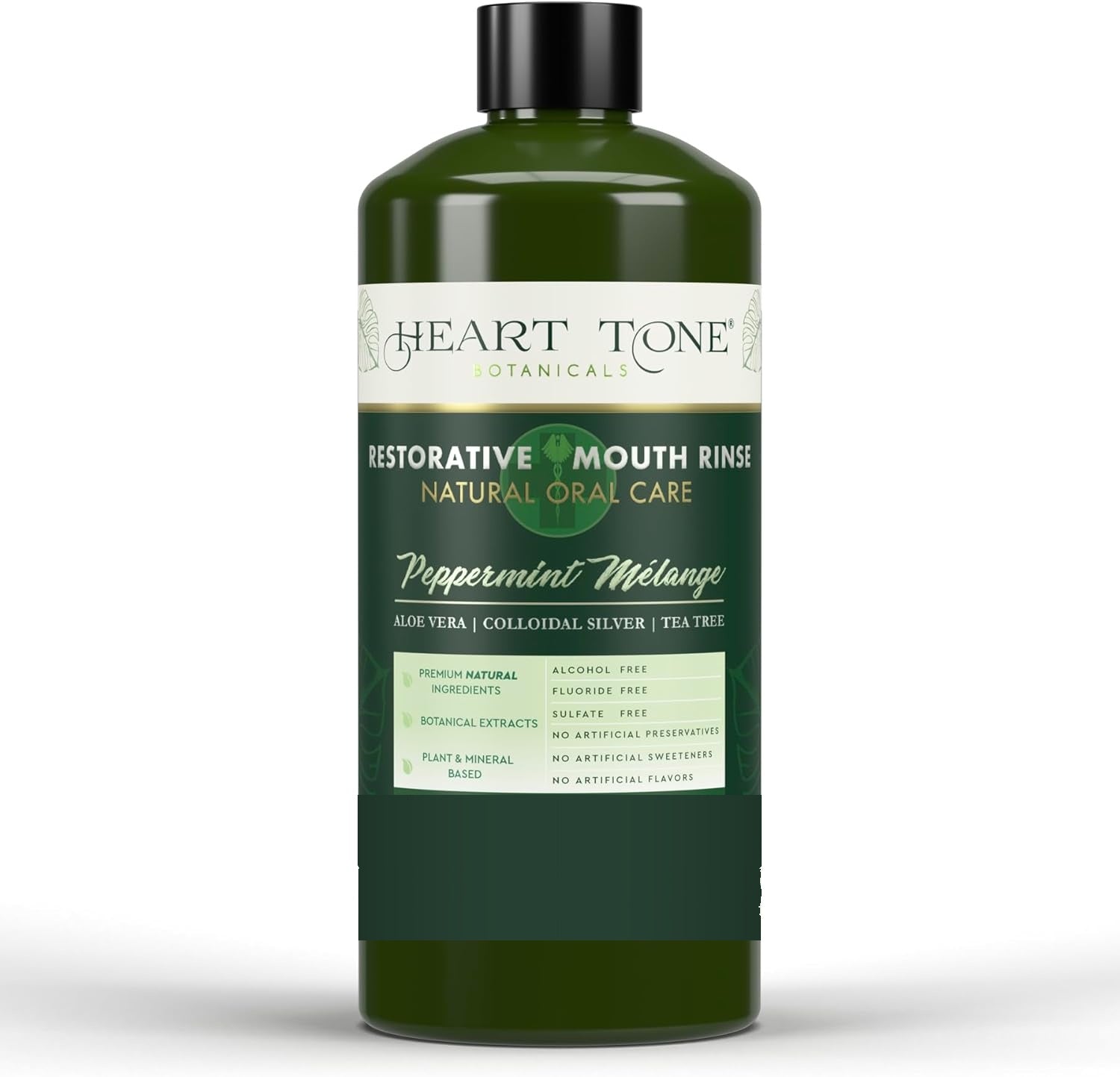
Our Recommendation: Restorative Mouth Rinse
Heart Tone Botanicals' Restorative Mouth Rinse was formulated to deliver all the benefits of conventional mouthwash—without the alcohol, artificial additives, or harsh chemicals.
What's inside:
- Neem extract: A powerful antimicrobial used in Ayurvedic medicine for centuries
- Peppermint oil: Fresh breath + antibacterial support
- Aloe vera: Soothes gums and hydrates dry mouth
- Alcohol-free: Gentle enough for sensitive gums, effective enough for daily use
Whether you're dealing with gum sensitivity, dry mouth, or just want a cleaner oral care routine, this rinse delivers results without compromise.
Alcohol Free vs. Alcohol-Based: Side-by-Side
| Feature | Alcohol-Based | Alcohol-Free |
|---|---|---|
| Kills bacteria | Yes (indiscriminately) | Yes (selectively) |
| Dries out mouth | Yes | No |
| Irritates gums | Often | Rarely |
| Fresh breath duration | Short (dry mouth rebounds) | Longer (maintains moisture) |
| Safe for sensitive mouths | No | Yes |
| Daily use safe? | Questionable | Yes |
FAQs: Alcohol Free Mouthwash
Does alcohol-free mouthwash kill bacteria as effectively as alcohol-based?
Yes—when formulated with proven antimicrobials like neem, tea tree oil, or chlorhexidine (in prescription rinses). The difference is that botanical antimicrobials are more selective, preserving beneficial bacteria while targeting harmful strains.
Will my breath stay fresh without alcohol?
Absolutely. In fact, alcohol-free mouthwash often provides longer-lasting freshness because it doesn't dry out your mouth. Dry mouth creates an environment where odor-causing bacteria thrive.
Is alcohol-free mouthwash safe for kids?
Yes—alcohol-free formulas are much safer for children, who may accidentally swallow mouthwash. Always supervise young children and choose kid-safe, fluoride-free options.
Can I use alcohol-free mouthwash if I have gum disease?
Definitely. In fact, it's recommended. Alcohol can irritate already-inflamed gum tissue. Alcohol-free rinses with neem, aloe vera, or tea tree oil soothe inflammation while still fighting bacteria.
How often should I use alcohol-free mouthwash?
Most dentists recommend rinsing twice daily—after brushing in the morning and before bed. Because alcohol-free formulas are gentle, they're safe for daily use without side effects.
The Bottom Line
Alcohol-based mouthwashes promise quick results, but they come with long-term downsides: dry mouth, gum irritation, and a disrupted oral microbiome. Alcohol free mouthwash offers a gentler, more sustainable approach—one that supports your mouth's natural defenses instead of stripping them away.
Whether you're dealing with sensitivity, dry mouth, or just want cleaner ingredients, making the switch is one of the easiest upgrades you can make to your oral care routine.
Ready to ditch the burn? Try Heart Tone Botanicals' Restorative Mouth Rinse—alcohol-free, botanical-powered, and formulated for real results. Shop our natural oral care collection today.

Leave a comment
This site is protected by hCaptcha and the hCaptcha Privacy Policy and Terms of Service apply.