

Green Tea Oil Pulling: What the EGCG Catechin Brings to Your Oral Routine
Green tea has shaped oral care traditions across East Asia for more than a thousand years. Long before clinical researchers began isolating specific compounds, practitioners of Traditional Chinese Medicine and Japanese tea ceremony culture noticed something: communities that consumed tea regularly often had noticeably fresh breath and healthy teeth. The leaf itself, Camellia sinensis, became a staple in natural wellness — and eventually found its way into modern botanical oral care formulas as a concentrated extract.
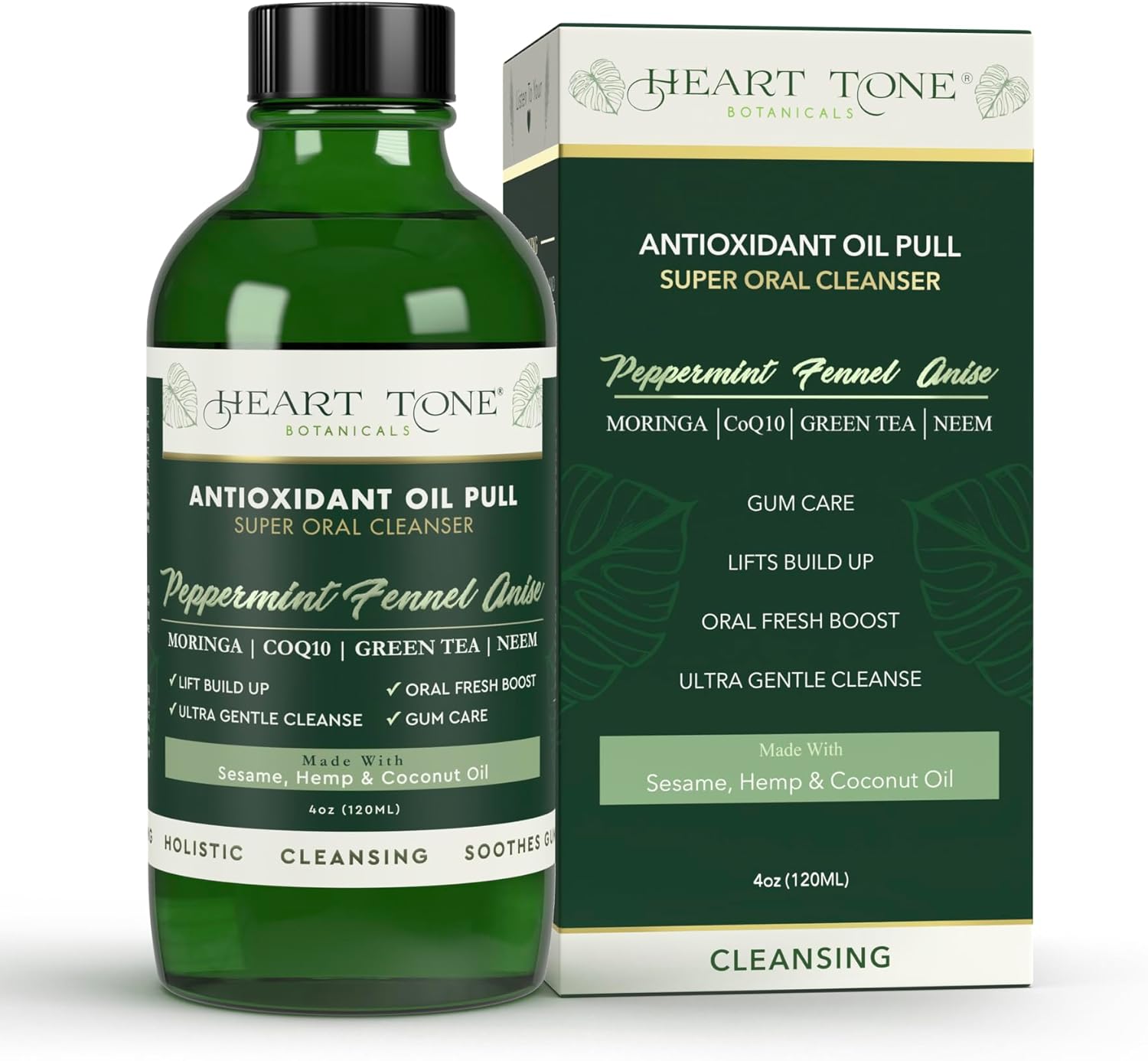
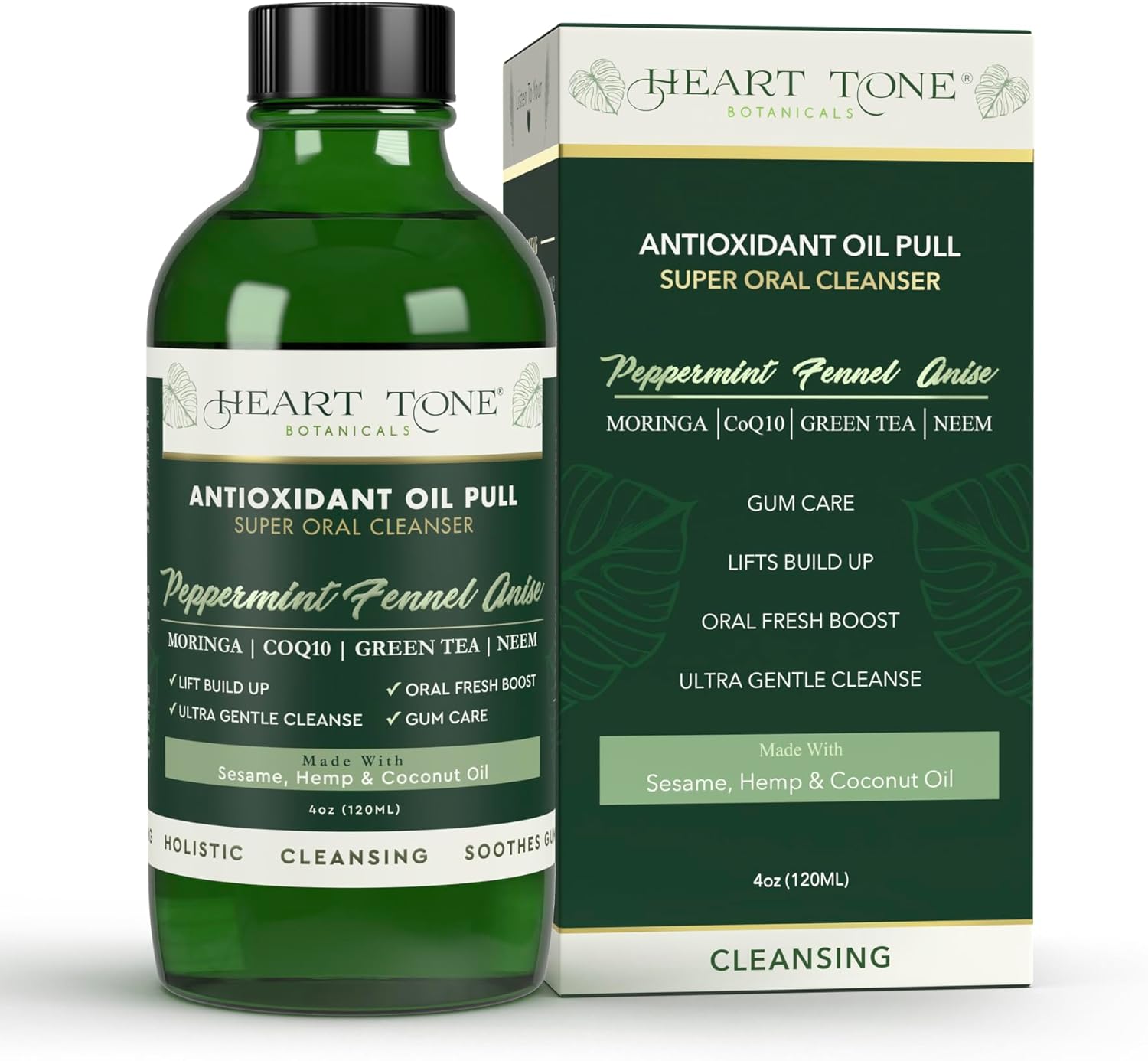
Our Antioxidant Oil Pull includes green tea as one of its 12 premium plant extracts — alongside myrrh, manuka, tea tree, turmeric, and licorice root — layered into an antioxidant-rich sesame seed oil base. Here's why this particular leaf has earned its place in a botanical oil pulling routine.
What Is Green Tea Extract in an Oil Pulling Formula?
Green tea extract is drawn from the dried, unoxidized leaves of Camellia sinensis. Unlike black tea, which undergoes a fermentation process that transforms its compound profile, green tea retains its full complement of polyphenols — most notably a class of compounds called catechins.
The primary catechin in green tea is epigallocatechin gallate, commonly abbreviated as EGCG. EGCG is the most studied polyphenol in the tea plant and is responsible for much of the botanical character that makes green tea extract distinctive in natural formulas. In its extracted form, green tea concentrate has a slightly astringent, gently vegetal quality — a counterpoint to the warming resins and sweet-spiced botanicals that round out a multi-extract oil pulling blend.
When concentrated green tea extract is incorporated into an oil-based formula like our Antioxidant Oil Pull, it brings both the sensory depth of the tea plant and the full botanical profile of a carefully processed leaf extract.
The Botanical Story: 1,000 Years of Tea in Oral Wellness
The relationship between tea and oral health is older than modern dentistry. In Tang Dynasty China (618–907 AD), tea was recommended as a mouth rinse after meals. Japanese Buddhist monks who introduced the tea ceremony in the 12th century described chewing tea leaves as a practice that supported a clean, fresh feeling in the mouth. Ayurvedic texts that predate the modern era mention Camellia preparations alongside oil pulling as complementary rituals.
In traditional East Asian botanical wellness, the tea plant was the starting point — not an afterthought. It was a daily ritual ingredient, not a supplement.
Modern botanical formulators honor this history by including concentrated green tea extract in formulas where its compound profile contributes to a complex, layered botanical experience. The Antioxidant Oil Pull builds on that tradition by combining green tea with other historically significant botanicals — myrrh from the Middle East, manuka from New Zealand, turmeric from South Asia — creating a single ritual that draws from multiple botanical wellness lineages.
What EGCG Contributes to an Oil Pulling Blend
EGCG is a polyphenol — a class of plant compounds defined by their complex ring structures and their tendency to bind readily with proteins and lipids. In a sesame oil base, green tea catechins integrate into a fat-soluble matrix, interacting with the other botanical extracts in ways that can subtly shift the sensory character of the finished formula.
From a formulation standpoint, green tea extract in an oil base contributes:
- Astringency — the characteristic mouth-puckering quality of polyphenols, which creates a clean, contracting sensation on oral tissue
- Depth of flavor — a mildly grassy, gently bitter note that balances the sweeter botanical elements (fennel, anise, peppermint) in the Antioxidant Oil Pull's flavor profile
- Antioxidant character — EGCG is one of the most potent polyphenolic antioxidants found in any commonly consumed plant, which is part of why it pairs naturally with CoQ10 and resveratrol in an antioxidant-positioned oral care ritual
The result is an oil pulling experience that feels genuinely complex — not a single-note peppermint rinse, but a botanical layering that shifts throughout the swishing process as different extracts release into the oil matrix.
Oil Pulling + Green Tea: Why the Combination Works Ritually
Oil pulling's Ayurvedic roots position it as a kavala graha — a gargling practice meant to draw impurities from the mouth while bathing oral tissue in therapeutic oils. The selection of oils and botanical additions was always intentional, not random. Sesame oil was the preferred base because of its stability and its warm, deeply nourishing sensory quality in the mouth.
Adding a leaf extract with 1,000 years of oral wellness history to a sesame oil pulling base is a natural continuation of that botanical logic. The traditional practitioner wasn't thinking about isolated compounds — they were building a sensory and botanical experience. That's exactly what the Antioxidant Oil Pull is doing: combining botanicals from different traditions into a single, grounded daily ritual.
The practice is simple:
- Take 1 tablespoon of Antioxidant Oil Pull first thing in the morning, before eating or drinking
- Swish gently for 5–15 minutes — no need to gargle or work hard
- Spit into the trash (not the sink — oil will coat pipes over time)
- Rinse with water, then continue with your oral care routine
How to Build Your Botanical Oil Pulling Routine
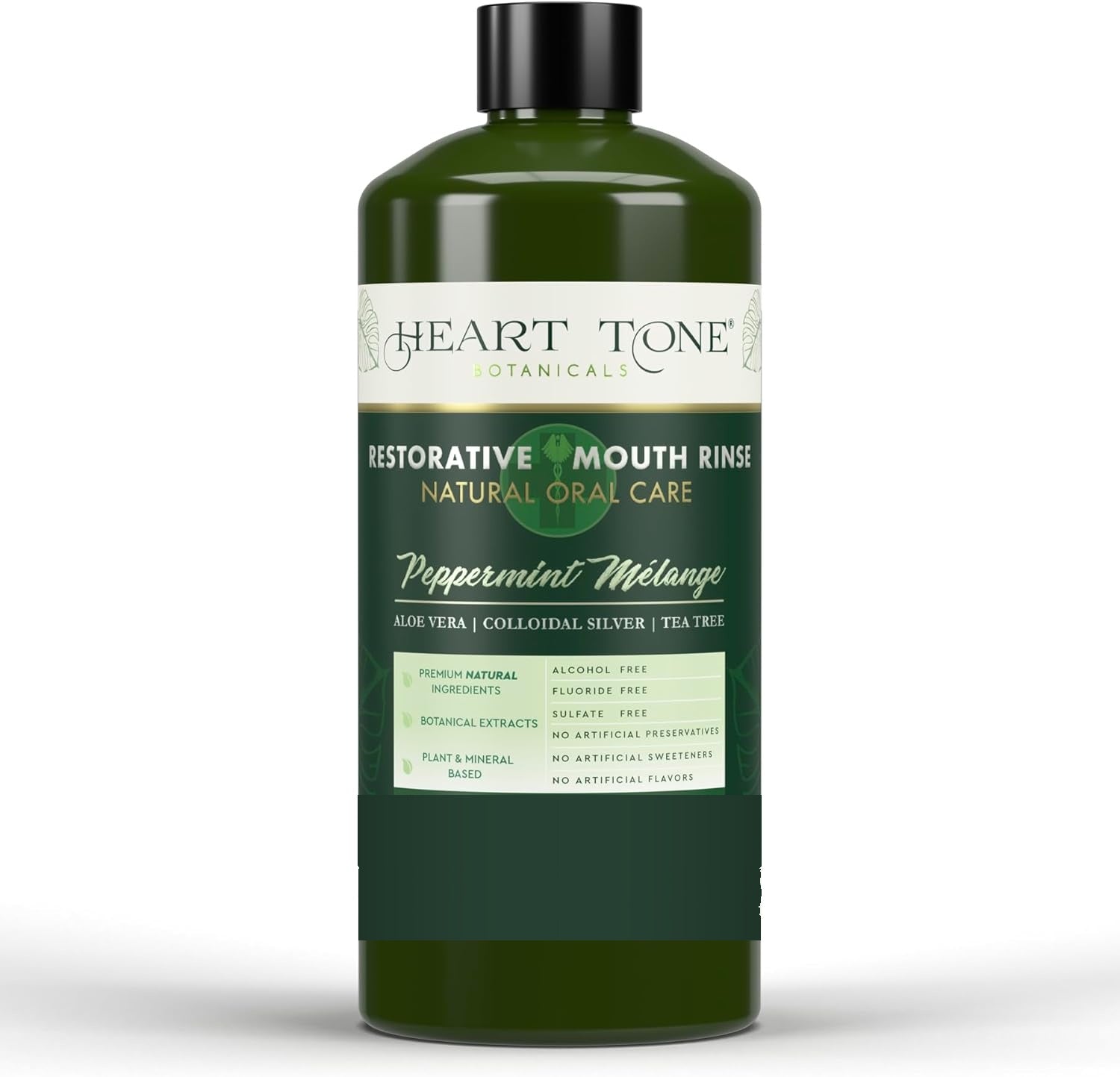
The Antioxidant Oil Pull works best as the first step in a complete oral care ritual. Follow it with Living Crystal Toothpaste — a fluoride-free formula built on spherical hydroxyapatite, theobromine, and 30+ farm-grown botanical extracts — and finish with the Restorative Mouth Rinse, which layers colloidal silver, myrrh CO2, licorice root CO2, and a botanical mint blend for a genuine botanical close to the routine.
Or try the ozone-infused version: the Ozonated Oil Pull uses the same sesame seed oil base and 12-extract botanical canvas, but with O₃-infused oil for an elevated oil pulling experience. Both the Antioxidant and Ozonated formulas contain green tea extract as part of the same curated botanical blend.
If you're new to oil pulling, explore our complete guide: Oil Pulling: What This Ancient Practice Actually Feels Like (And How to Work It Into Your Morning).
Why Botanical Extracts, Not Just Base Oil
A plain sesame oil pull is valuable — it's the Ayurvedic classic for good reason. But the Antioxidant Oil Pull is built on the idea that the botanical canvas matters. Twelve plant extracts, each with its own botanical heritage and sensory contribution, create an oil pulling experience that plain sesame cannot replicate.
Green tea brings the East Asian perspective. Myrrh brings the ancient Middle Eastern resin tradition. Manuka brings the New Zealand mono-floral botanical character. Together, they make oil pulling feel less like a home remedy and more like a genuine botanical ritual — the kind of morning practice you'll actually want to keep.
100% plant-based. No synthetic additives. Made by hand in Vero Beach, FL — on the same biodynamic farm where the aloe, moringa, and neem are grown.

Leave a comment
This site is protected by hCaptcha and the hCaptcha Privacy Policy and Terms of Service apply.