

If you have ever opened a bottle of natural mouthwash and noticed a sharp, slightly medicinal note underneath the mint, there is a good chance you were smelling tea tree oil — Melaleuca alternifolia. It is one of those ingredients that tends to hide in the bottom half of an INCI list, but its presence in a botanical formula is anything but accidental.

Looking for an alcohol-free daily mouth rinse?
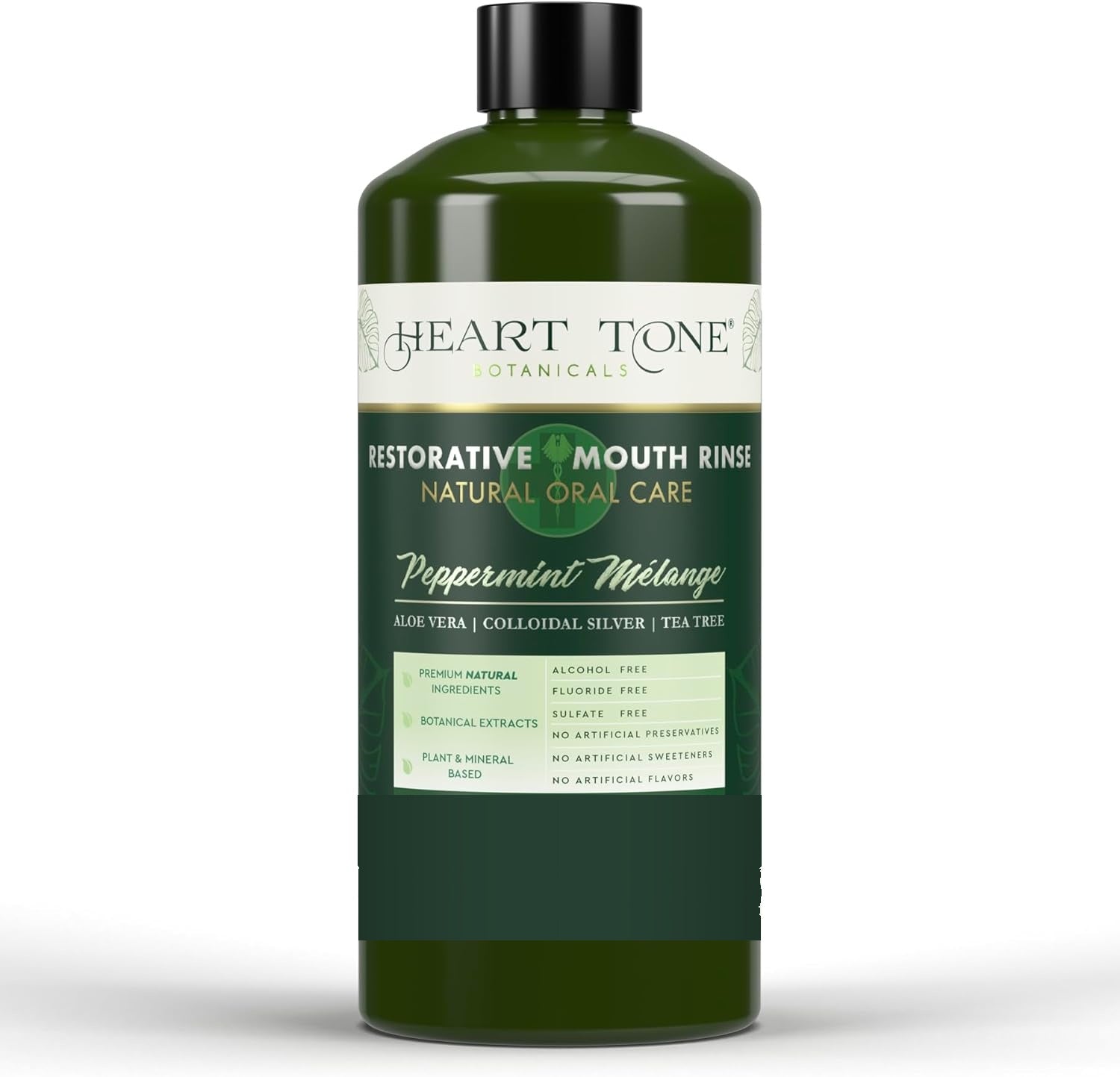
Restorative Mouth Rinse is a clean-feeling botanical rinse with colloidal silver, farm-grown aloe, xylitol, and peppermint. No alcohol burn, no fluoride, no artificial flavors.
Tea tree essential oil is one of the most studied botanical extracts in the world, and it has been part of oral care formulas for decades. This post looks at what it is, where it comes from, what researchers have examined about its botanical profile, and why you will find it in a natural mouthwash alongside colloidal silver, aloe vera, and licorice root CO2.
What Is Melaleuca Alternifolia?
Melaleuca alternifolia is a small tree native to the coastal wetlands and swampy lowlands of northeastern New South Wales, Australia. It belongs to the Myrtaceae family — the same botanical family as eucalyptus, clove, and allspice. The common name "tea tree" is a colonial-era term that dates to early Australian explorers who used the leaves to brew a spiced tea as a vitamin C substitute on long voyages. It has nothing to do with the Camellia sinensis tea plant.
For thousands of years, Aboriginal Australians — particularly the Bundjalung people of northeastern New South Wales — used the leaves of the Melaleuca tree in traditional wellness practices. The most common recorded method was crushing or bruising the leaves and inhaling the aromatic vapors, or creating a poultice from crushed leaves. These traditional uses long predate the isolation of the essential oil in the 20th century.
The essential oil itself is obtained by steam distillation of the leaves and terminal branches of the Melaleuca alternifolia plant. The result is a pale yellow to nearly colorless oil with a distinctive sharp, camphoraceous aroma — warm, medicinal, with a slight woodsy undertone that many people associate with a clean, fresh sensation.
The Botanical Profile: What Is Inside Tea Tree Oil?
Tea tree essential oil is a complex mixture of over 100 different compounds, but its character is largely defined by a class of molecules called monoterpenes and sesquiterpenes. The dominant compound is terpinen-4-ol, which typically makes up 30–48% of the oil in high-quality preparations. Terpinen-4-ol is what gives tea tree its characteristic sharp, medicinal quality.
Other notable components include:
- γ-Terpinene — contributes to the sharp, fresh top note
- α-Terpinene — another warming monoterpene
- 1,8-Cineole (eucalyptol) — related to eucalyptus, adds a cooling quality; good-quality tea tree oil keeps this compound low (ideally under 15%) to minimize skin sensitivity
- p-Cymene — a naturally occurring aromatic hydrocarbon with a mild, warm character
- α-Terpineol — a floral-herbaceous sesquiterpene that softens the sharper notes
The International Organization for Standardization (ISO 4730) sets quality standards for tea tree oil that specify minimum terpinen-4-ol levels and maximum 1,8-cineole levels — a benchmark that distinguishes genuine, high-quality Melaleuca extract from cheaper alternatives.
Tea tree essential oil contains over 100 identified compounds, with terpinen-4-ol as the primary active constituent in quality-grade preparations — the compound that gives the oil its characteristic sharp, medicinal aroma.
Tea Tree in Natural Mouthwash: What the Research Has Examined
Researchers have examined tea tree oil extensively in oral health contexts. Much of the interest comes from the botanical's long traditional use history and its well-characterized compound profile.
Studies published in the Journal of Ethnopharmacology have documented the traditional Bundjalung uses and explored the phytochemical basis for the botanical's historical applications. Dental researchers have included tea tree oil in formulation studies for alcohol-free rinses, typically examining how it interacts with other botanical actives and how its aromatic properties affect palatability and compliance.
One thing the research consistently shows: tea tree oil's effects are highly concentration-dependent and solubility-dependent. It is a lipophilic compound — it dissolves in fats, not in water — which is why it works differently when dissolved in an oil-based pulling formula versus a water-based rinse. In an oil pulling formula like the Antioxidant Oil Pull, the oil medium allows full dissolution. In a water-based mouthwash, emulsifying agents are needed to keep it distributed throughout the formula.
This distinction matters: the same essential oil behaves differently depending on what it is dissolved in, and formulators choose the delivery medium deliberately.
Tea Tree in HTB's Oral Care Formulas
Tea tree essential oil (Melaleuca alternifolia) appears in three of HTB's oral care products:
- Restorative Mouth Rinse — a water-based alcohol-free mouthwash where tea tree is one of 22 botanical actives, including colloidal silver, aloe vera, licorice root CO2, myrrh CO2, xylitol, and peppermint
- Living Crystal Toothpaste — where it contributes to the botanical aromatic profile alongside clove CO2, cinnamon bark, wintergreen, and myrrh CO2
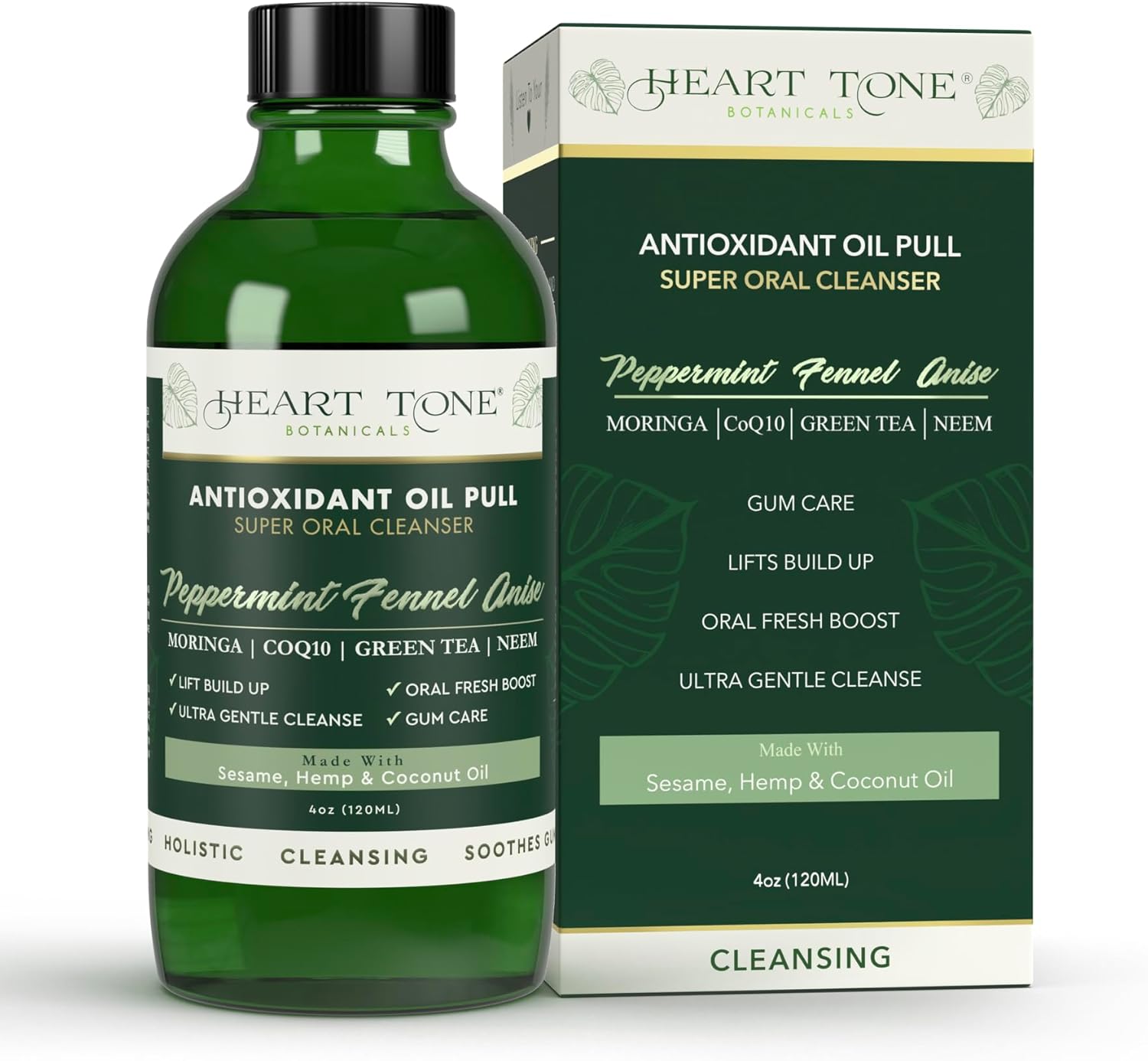
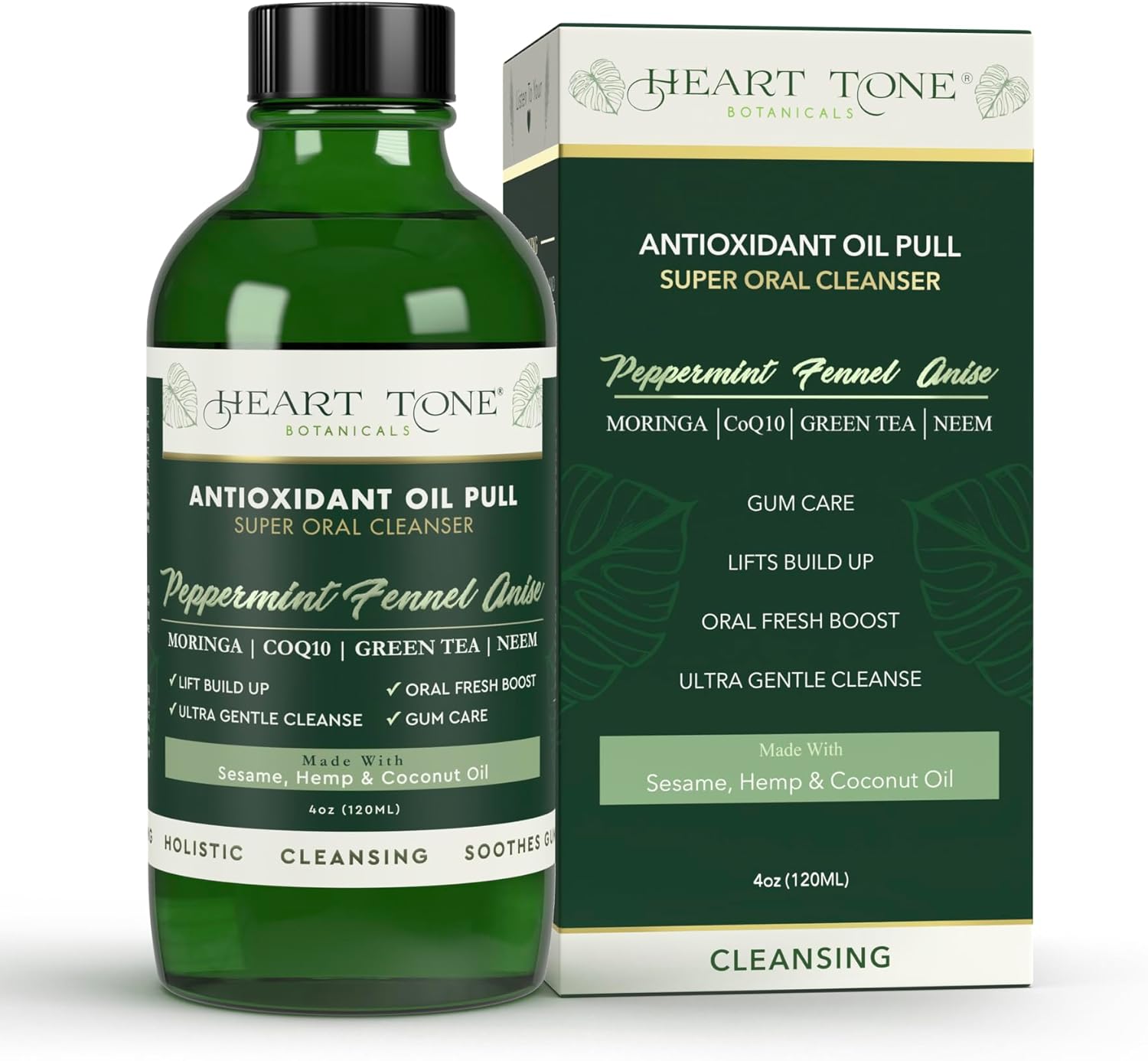
- Antioxidant Oil Pull — an oil-based formula where the lipophilic nature of tea tree is fully at home, alongside sesame seed oil, CoQ10, manuka oil, turmeric, and licorice root extract
In the Restorative Mouth Rinse, tea tree appears in the INCI list after rhatany root — making it a mid-list ingredient that contributes to the botanical depth of the aromatic profile. It works alongside peppermint, spearmint, wintergreen, and cornmint to create a layered mint sensation with a clean, slightly medicinal finish.
Why Tea Tree Belongs in a Botanical Mouthwash
Most commercial mouthwashes rely on alcohol (ethanol) as the primary active carrier — it is inexpensive, evaporates quickly, and gives that familiar burning sensation that many people associate with "working." But alcohol-free formulas require a different approach to building a complete aromatic and functional botanical profile.
Tea tree essential oil contributes several things to an alcohol-free formula:
- Botanical depth — it adds a layer of complexity that prevents the formula from tasting like diluted peppermint
- Traditional heritage — Melaleuca alternifolia has one of the longest documented botanical wellness traditions in the southern hemisphere
- Aromatic character — the terpinen-4-ol base provides a sharp, clean note that most people immediately recognize as "herbal oral care"
- Formula compatibility — it blends well with licorice root CO2, myrrh CO2, and colloidal silver, which all have their own distinct aromatic and botanical profiles
An alcohol-free mouthwash earns its sensation not from the burn of ethanol, but from the layered complexity of botanical extracts. Tea tree essential oil is one of the botanicals that does the most sensory work at low concentrations.
What to Look for in a Tea Tree Mouthwash
If you are considering a natural mouthwash that includes tea tree essential oil, here is what to look for:
- Verified INCI listing — the Latin name should appear as Melaleuca alternifolia on the ingredient label, not just "natural essential oil blend"
- Alcohol-free formula — tea tree oil does not require alcohol to be effective; if a formula includes both, the alcohol may be masking lower botanical concentrations
- Multi-botanical formula — tea tree works best as part of a layered botanical system, not as a standalone active. Look for colloidal silver, aloe vera, licorice root CO2, myrrh CO2, or rhatany root alongside it
- No artificial sweeteners or synthetic colors — most natural tea tree mouthwashes that are worth using are also free of other synthetic additives
Building a Natural Oral Care Routine with Tea Tree
Tea tree essential oil is one of those botanicals that works best as part of a daily ritual rather than an occasional use product. If you are building a natural oral care routine:
- Morning: Brush with a botanical toothpaste containing tea tree oil alongside hydroxyapatite, xylitol, and colloidal silver — two minutes, consistent pressure
- Post-brush rinse: Swish with an alcohol-free mouthwash that includes tea tree, aloe vera, and colloidal silver — 60 seconds
- Weekly or 2-3x per week: Oil pulling with an antioxidant oil formula that contains tea tree alongside sesame seed oil, CoQ10, and licorice root — 5-10 minutes on an empty stomach
The combination of a botanical toothpaste, alcohol-free mouthwash, and oil pulling routine gives you three different delivery mechanisms — two water-based rinses that clean and freshen, and one oil-based treatment that provides a deeper botanical experience.
Ready to Build a Complete Botanical Oral Routine?
Our Restorative Mouth Rinse includes tea tree essential oil alongside 21 other botanicals — alcohol-free, fluoride-free, and designed for daily use.
Shop Restorative Mouth Rinse →Frequently Asked Questions
Is tea tree oil safe to use in a mouthwash daily?
Tea tree essential oil used in formulated oral care products is safe for daily use as directed. The key is "formulated" — in a properly diluted mouthwash or toothpaste, the concentration is appropriate for daily contact with oral tissue. Undiluted tea tree oil should never be swallowed and is not appropriate for direct application in the mouth without a carrier formula.
What does tea tree mouthwash taste like?
The taste depends on what else is in the formula. In a multi-botanical mouthwash like HTB's Restorative Mouth Rinse, the dominant sensation is a layered mint (peppermint, spearmint, wintergreen, cornmint) with a clean, slightly herbal undertone from the tea tree. The overall experience is fresh with a mild medicinal quality — similar to walking through an Australian coastal scrubland.
Is tea tree mouthwash better than alcohol-based mouthwash?
They address different goals. Alcohol-based mouthwashes burn because ethanol desiccates oral tissue on contact — that sensation is not "clean," it is dehydration. Alcohol-free botanical mouthwashes like those containing tea tree essential oil are designed for comfortable daily use without the drying effect of ethanol. For people with dry mouth, sensitive tissue, or those who rinse after brushing, alcohol-free is generally the more comfortable choice.
Can I use tea tree oil pulling and tea tree mouthwash together?
Yes — they serve different purposes. Oil pulling works via a lipophilic mechanism: the oil mechanically disrupts biofilm as you swish, and the botanical actives are delivered in a fat-soluble medium. A water-based mouthwash delivers a different set of water-soluble botanical compounds. Using both in your routine simply means you are delivering botanicals via two different delivery mechanisms, which is why some people do oil pulling in the morning and mouthwash after brushing.
Browse the full oral care collection to build your botanical routine: Oral Care Collection →
Shop the related Heart Tone routine: Restorative Mouth Rinse.

Leave a comment
This site is protected by hCaptcha and the hCaptcha Privacy Policy and Terms of Service apply.