


Oil pulling has roots in Ayurvedic tradition going back thousands of years — but the botanical formulas used in modern oil pulling practice extend far beyond that tradition. Among the most distinctive additions to today's botanical oil pull formulas is resveratrol: a stilbene polyphenol with a long history in East Asian botanical practice and a chemical structure uniquely suited to an oil-based delivery medium.
Here's what it is, where it comes from, and why it appears in a botanical oil pulling formula.
What Is Resveratrol?
Resveratrol is a stilbene polyphenol — a naturally occurring plant compound in a chemical class distinct from the flavonoids (like EGCG from green tea or catechins from cocoa) and terpenoids (like curcumin from turmeric). Stilbenes are phytoalexins: compounds plants produce as a defensive response, typically in reaction to stress, fungal challenge, or environmental pressure.
Its chemical name is 3,5,4’-trihydroxystilbene. It exists in two geometric forms: trans-resveratrol (the biologically active isomer) and cis-resveratrol. Trans-resveratrol is the form found in the highest concentrations in plant material and the form most commonly referenced in botanical formulations. Its molecular structure features two phenol rings connected by an ethylene bridge — a hallmark of the stilbene class that distinguishes it chemically from flavonoids, which share a fused three-ring structure.
Resveratrol was first chemically isolated in 1940 by Japanese researcher Michio Takaoka from white hellebore (Veratrum grandiflorum), a plant historically used in traditional Japanese botanical preparations. It was later identified in grape skins, and its presence in red wine made it one of the most studied botanical polyphenols of the late twentieth century.
Where Does Resveratrol Come From?
The primary botanical sources of resveratrol include:
Japanese knotweed (Polygonum cuspidatum) — Known in Japanese as itadori and in Traditional Chinese Medicine as hǔzhàng (tiger cane), Japanese knotweed root is the most concentrated natural botanical source of trans-resveratrol. In traditional East Asian botanical practice, preparations from the root were used as part of broader seasonal wellness routines — not as an isolated extract, but as part of whole-plant preparations blended with other botanicals. Today, Japanese knotweed root extract is the predominant botanical source for resveratrol used in modern formulations.
Grape skin extract (Vitis vinifera) — The skins of red grapes contain resveratrol as part of a broader polyphenol complex that includes quercetin, anthocyanins, and procyanidins. Grape vine preparations have been part of Mediterranean and Middle Eastern botanical tradition for centuries, and Vitis vinifera appears in both Ayurvedic and Unani botanical texts under various preparations.
Mulberry (Morus species) — The white mulberry (Morus alba), widely used in Traditional Chinese Medicine (TCM), contains resveratrol alongside other stilbenes, particularly in the root bark (sang bai pi) and fruit skin. It is one of the most documented botanical sources of resveratrol in the Chinese materia medica.
Peanut skin (Arachis hypogaea) — Peanut skins contain notably high concentrations of resveratrol among commonly cultivated plants, far higher per gram than the peanut flesh itself. Peanut skin extract has recently attracted botanical formulation interest as a concentrated stilbene source.
What distinguishes stilbenes chemically is their two-ring structure connected by an ethylene bridge — a geometry that differs from the fused three-ring flavonoid scaffold and gives stilbenes their characteristic fat-solubility profile.
Why an Oil Carrier Suits Resveratrol
One of the most compelling aspects of resveratrol as an oil pulling ingredient is its solubility chemistry: resveratrol is fat-soluble, not water-soluble.
Most botanical polyphenols — including the flavonoid family (quercetin, EGCG, catechins) — are hydrophilic, meaning they dissolve readily in water-based carriers and are effective in teas, water-based rinses, and aqueous extracts. Resveratrol's stilbene structure makes it significantly more lipophilic: it is more stable and more evenly distributed in a fat or oil environment than in water.
An oil pulling formula — typically built on a sesame seed oil or coconut oil base — provides exactly the lipid-rich carrier environment where oil-soluble compounds like resveratrol are most chemically stable and most evenly distributed throughout the formula. When you swish an oil-based formula, the lipid medium coats oral surfaces and carries oil-compatible botanical compounds across the full reach of the swish.
This is why sesame seed oil — a fat-rich, naturally stable carrier — has been the traditional Ayurvedic foundation for oil pulling for over 3,000 years: the oil medium itself is the delivery mechanism for fat-compatible botanical material. Including a fat-soluble polyphenol like resveratrol is chemically aligned with that delivery logic.
CoQ10 (ubiquinone) — the other highlighted antioxidant compound in the Antioxidant Oil Pull formula — is also a fat-soluble molecule. The two compounds share a lipophilic chemistry that makes an oil-based formula a natural home for both.
Resveratrol in Botanical Tradition
In traditional East Asian botanical medicine, Japanese knotweed preparations were used as part of complex multi-herb formulations — not isolated as single-ingredient actives, but as one strand in a layered botanical blend. The compound wasn't named "resveratrol" by traditional practitioners; the plant was used whole, with its full spectrum of stilbenes, anthraquinones (including emodin), and flavonoids working together.
In contemporary botanical formulation, this complexity is often honored by including resveratrol as part of a broader polyphenol canvas rather than as a standalone active. It appears alongside flavonoids, terpenoids, and other stilbene-class compounds — the way it exists in nature.
In the Japanese knotweed root, for example, resveratrol is found alongside its glycoside precursor polydatin (resveratrol-3-O-glucoside), which the plant produces first and converts enzymatically to free resveratrol under certain conditions. When botanical formulators use a whole-plant knotweed extract, they often preserve this full stilbene complex rather than isolating trans-resveratrol alone.
What's in the Antioxidant Oil Pull Formula
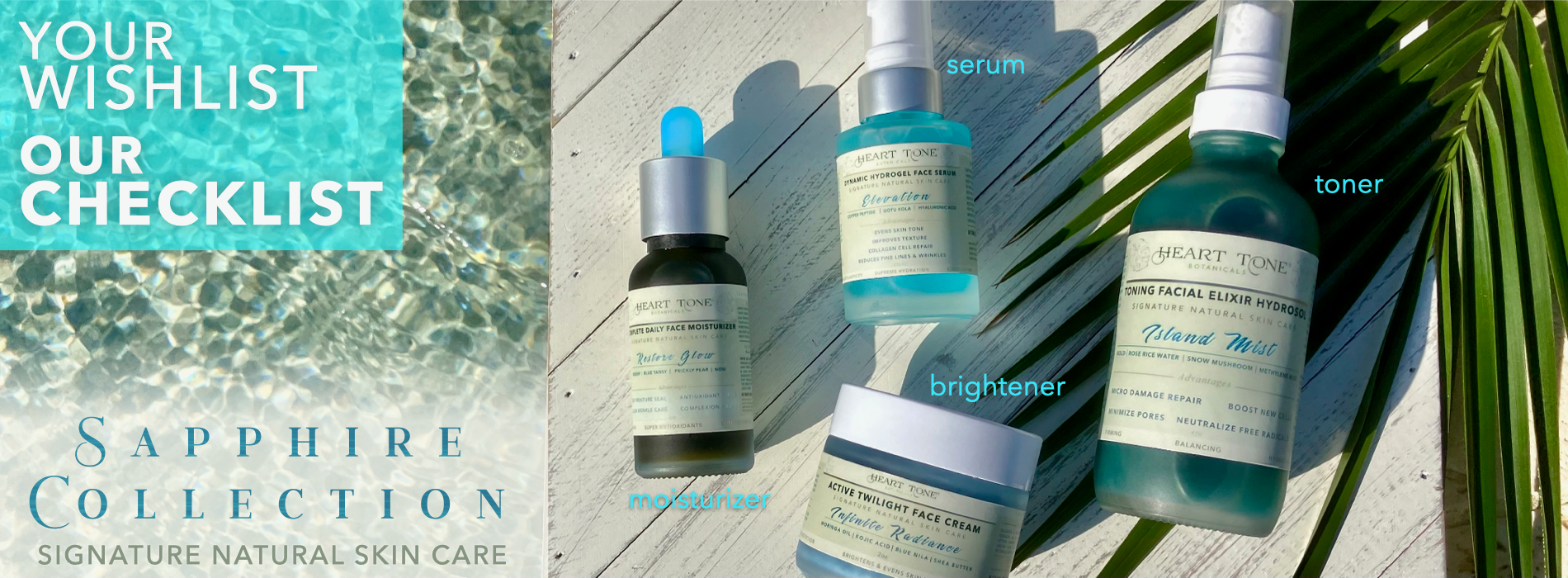
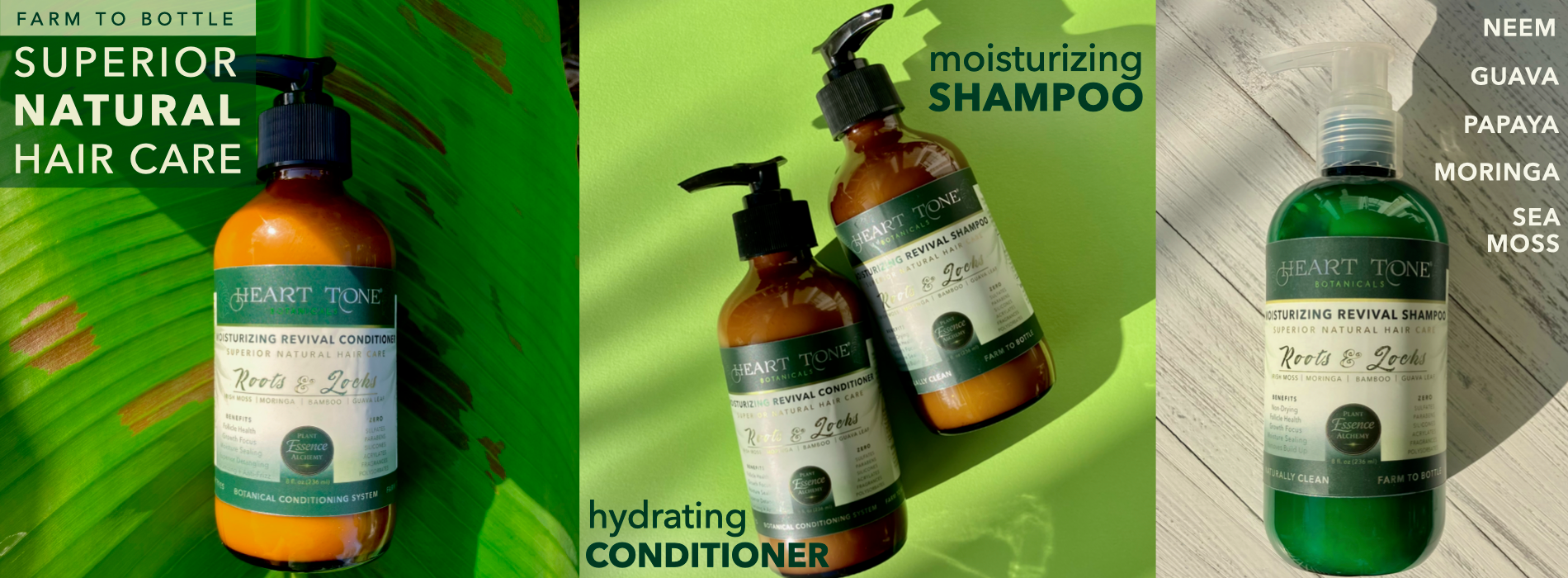
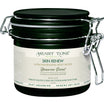
The Antioxidant Oil Pull from Heart Tone Botanicals features resveratrol as one of two highlighted antioxidant actives, paired with CoQ10 (ubiquinone) — both fat-soluble compounds suited to the formula's sesame seed and coconut oil base.
The full botanical extract profile includes 12 plant-based extracts: myrrh, manuka oil, green tea extract, turmeric oil, licorice root, sea buckthorn berry, pomegranate seed, moringa seed oil, camellia seed oil, hemp seed oil, oregano essential oil, and birch essential oil — alongside resveratrol and CoQ10. Each extract brings its own botanical tradition and compound class to the formula.
The Ozonated Oil Pull shares a similar botanical architecture, with the addition of ozone-infused sesame seed oil — a formulary innovation that applies ozone technology to the Ayurvedic oil pulling tradition.
Both formulas reflect the same philosophy: no single compound does all the work, and no single tradition defines the practice. Resveratrol is one thread in a botanical canvas that draws from Ayurveda, East Asian botanical medicine, Mediterranean botanical tradition, and contemporary plant chemistry.
The Botanical Canvas Series
Previous articles in this Antioxidant Oil Pull Botanical Canvas series have explored the formula's other plant extracts:
- Turmeric and curcumin in oil pulling
- Sea buckthorn berry extract in oil pulling
- Pomegranate seed extract in oil pulling
- Manuka oil in oil pulling
- Green tea extract (EGCG catechins) in oil pulling
Resveratrol continues this series as the stilbene polyphenol thread — the fat-soluble, plant-defense compound whose chemistry makes an oil-based formula a particularly natural home.
How to Use
Oil pulling with a botanical formula is a simple morning ritual:
- Take 1–2 teaspoons of the Antioxidant Oil Pull first thing in the morning, before eating or drinking.
- Swish gently for 5–15 minutes. The oil mixes with saliva and the volume increases slightly.
- Spit into a trash can (not the sink — oil can solidify and cause clogs over time).
- Rinse your mouth with water, then continue your regular oral care routine.
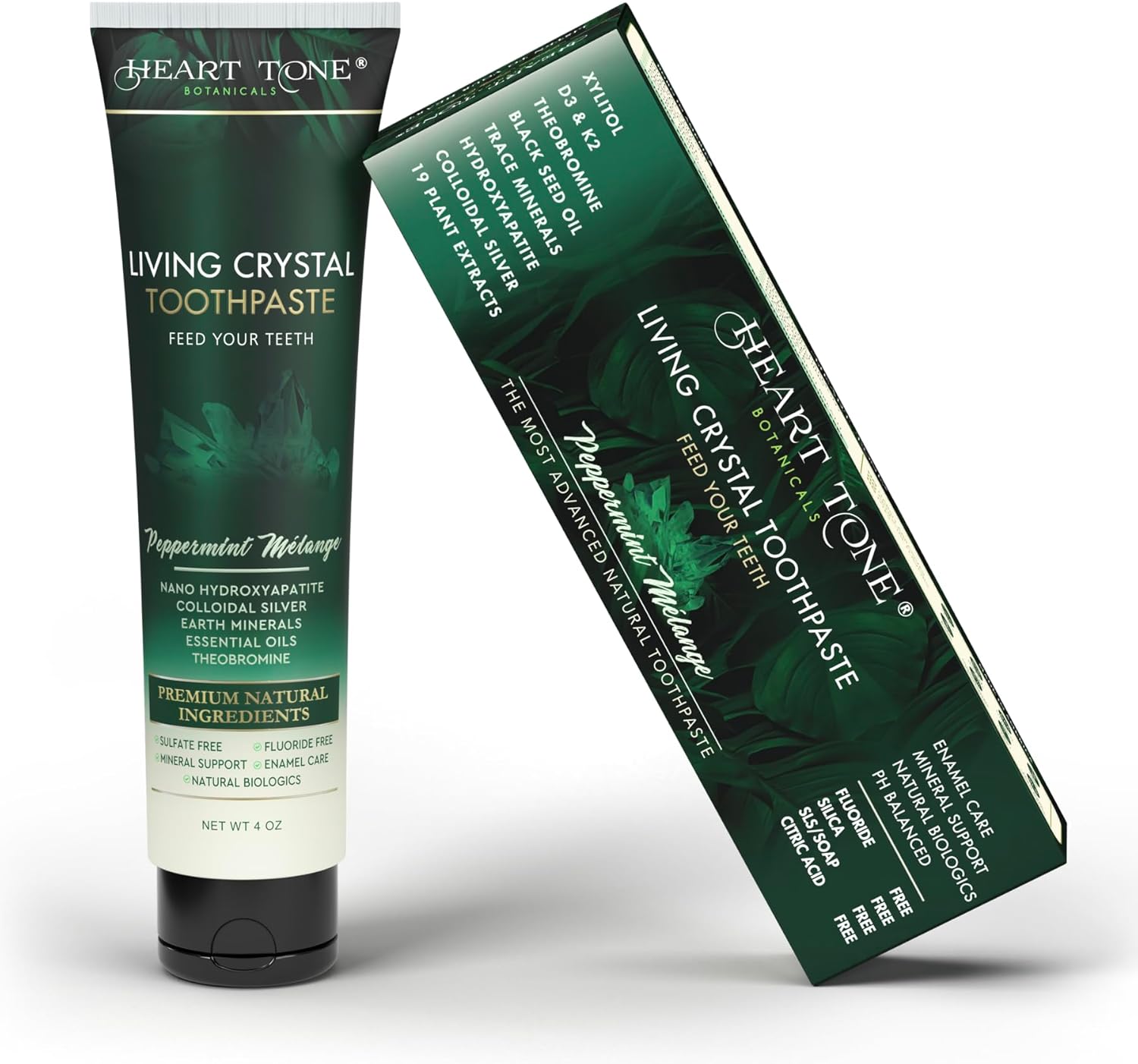
Pair with Living Crystal Toothpaste and Restorative Mouth Rinse for a complete botanical oral care practice.
Heart Tone Botanicals products are formulated with botanical ingredients. These statements have not been evaluated by the Food and Drug Administration. This product is not intended to diagnose, treat, cure, or prevent any disease.


Leave a comment
This site is protected by hCaptcha and the hCaptcha Privacy Policy and Terms of Service apply.