

Receding gums affect over 50% of adults over age 30. While mouthwash alone can't reverse gum recession, the right formula can slow progression, reduce inflammation, and create conditions for healthier gum tissue.

Here's what to look for in a mouthwash for receding gums — and which ingredients actually make a difference.
What Causes Receding Gums?
Gum recession happens when gum tissue pulls back from the tooth, exposing more of the tooth root. Common causes include:
- Gum disease (gingivitis/periodontitis) — bacterial infection damages gum tissue
- Aggressive brushing — hard bristles and excessive pressure wear away gums
- Poor oral hygiene — plaque buildup irritates and inflames gum tissue
- Smoking — reduces blood flow to gums and slows healing
- Genetics — some people have naturally thinner gum tissue
- Teeth grinding — puts excessive force on gums and bone
Most conventional mouthwashes focus on killing bacteria with alcohol or harsh antimicrobials. But receding gums need more than bacterial control — they need inflammation reduction, tissue support, and gentle daily care.
What to Look for in Mouthwash for Receding Gums
1. Anti-Inflammatory Ingredients
Inflammation drives gum recession. Look for ingredients that actively soothe irritated tissue:
Aloe Vera — Research published in the Ethiopian Journal of Health Sciences (2016) found aloe vera mouthwash reduced gingival inflammation as effectively as chlorhexidine, without side effects like tooth staining or altered taste.
Chamomile Extract — A 2015 study in the Journal of Oral Science showed chamomile reduced gum inflammation and bleeding in patients with gingivitis.
Calendula — This botanical has been used in wound healing for centuries. Research shows it reduces inflammation and supports tissue repair.
2. Colloidal Silver
Colloidal silver is a suspension of tiny silver particles in water. Studies show it has broad-spectrum antimicrobial properties while being gentle enough for daily use.
A 2019 study in PMC found colloidal silver effectively reduced oral bacterial load without disrupting the oral microbiome balance — critical for gum health.
How it works: Silver ions prevent bacteria from reproducing without the harsh effects of alcohol or synthetic antimicrobials.
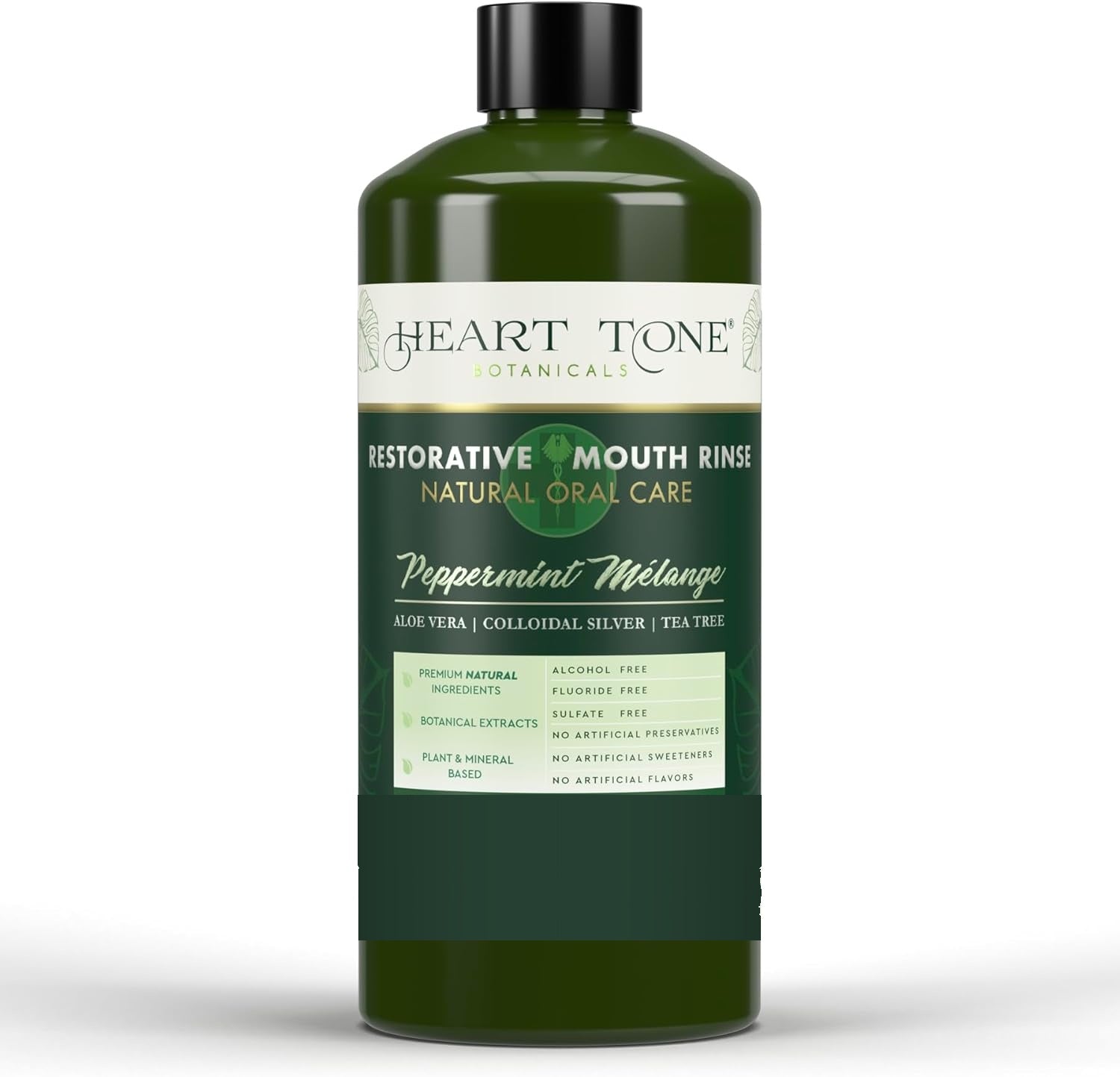
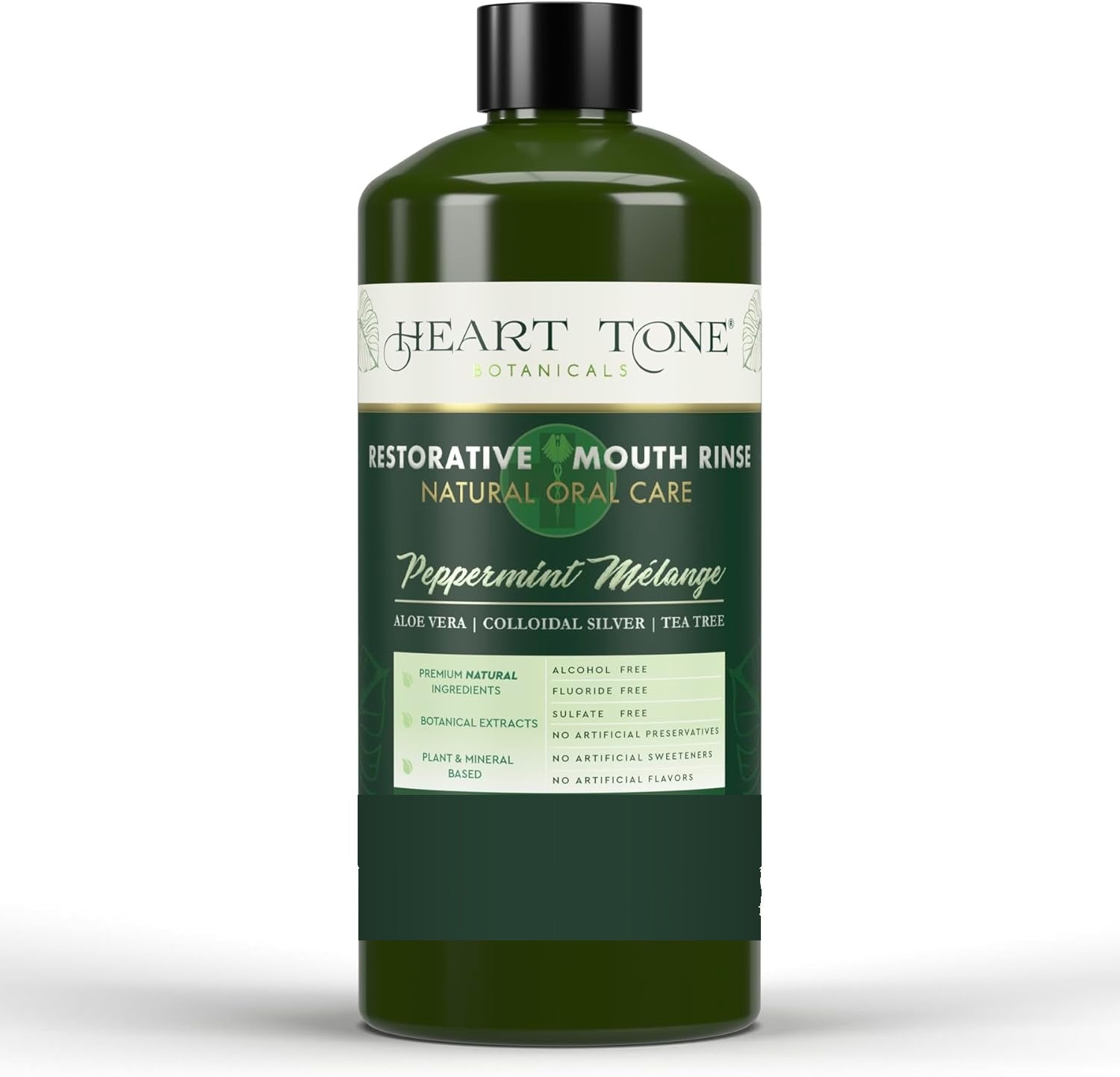
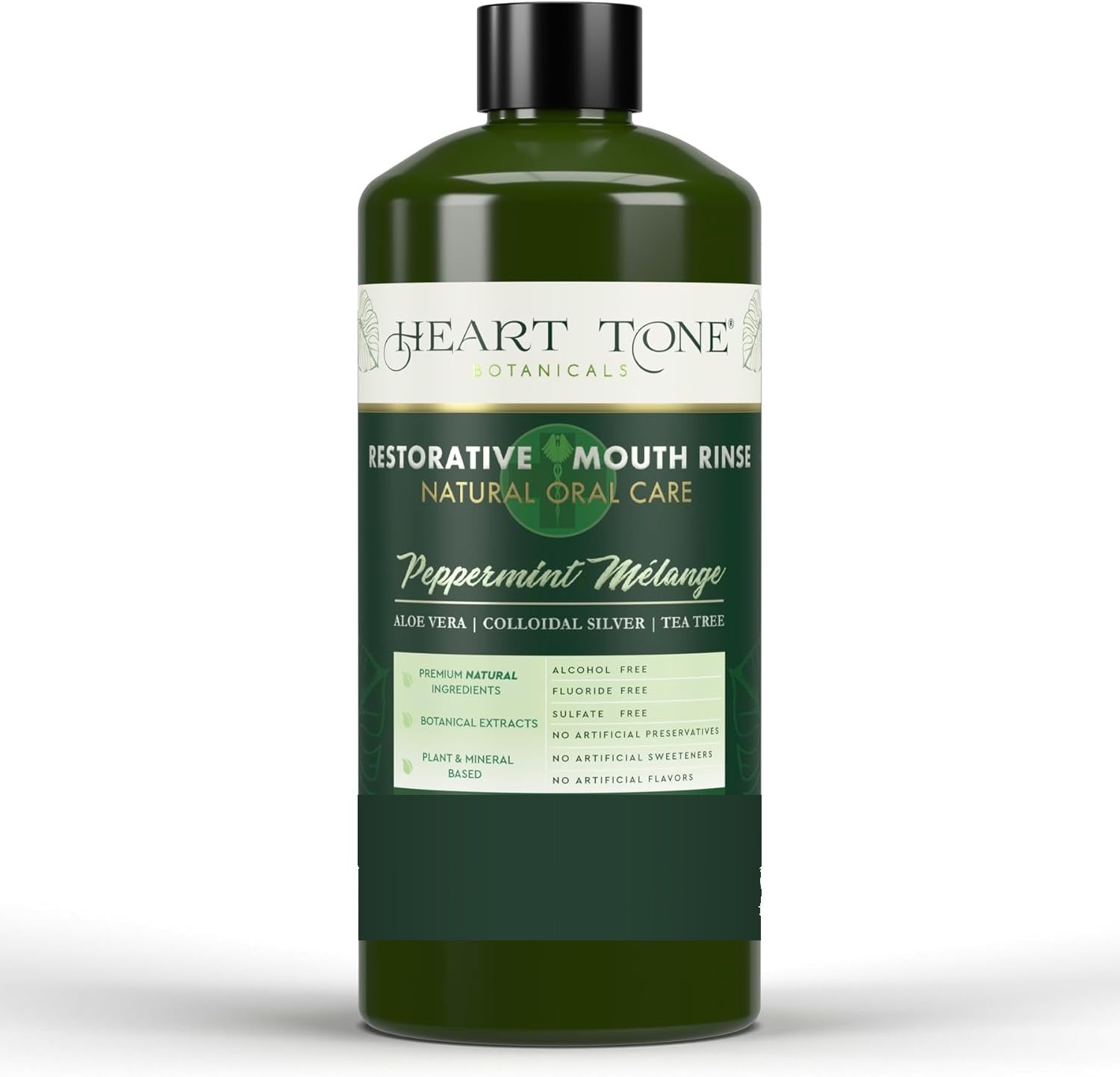
Our Restorative Mouth Rinse uses colloidal silver as a primary active ingredient for gentle, daily bacterial control.
3. Essential Oils (But Not Just Any Oils)
Not all essential oils are created equal for gum health. Research-backed options include:
Peppermint Oil — Menthol has natural antimicrobial and anti-inflammatory properties. A 2013 study in the Journal of Clinical Dentistry showed peppermint oil inhibited bacteria associated with gum disease.
Tea Tree Oil — A 2020 review in Clinical Oral Investigations found tea tree oil reduced gingival inflammation and bleeding in patients with chronic gingivitis.
Clove Oil — Contains eugenol, a compound with analgesic and antimicrobial effects. Research shows it reduces gum inflammation and pain.
4. Coenzyme Q10 (CoQ10)
CoQ10 is an antioxidant that supports cellular energy production. Research published in the Journal of Periodontology found CoQ10 supplementation improved gum health and reduced pocket depth in patients with periodontal disease.
Some natural mouthwashes include CoQ10 for tissue support and healing.
5. Xylitol
Xylitol is a natural sugar alcohol that bacteria can't metabolize. Research in the Journal of the American Dental Association shows xylitol prevents bacterial adhesion to teeth and gums, reducing plaque formation.
Bonus: Xylitol stimulates saliva production, which naturally cleanses and protects gum tissue.
What to Avoid in Mouthwash for Receding Gums
Alcohol
Most commercial mouthwashes contain 15-30% alcohol. While alcohol kills bacteria, it also:
- Dries out gum tissue — Healthy gums need moisture. Dry gums are more prone to irritation and recession.
- Disrupts the oral microbiome — Kills beneficial bacteria along with harmful strains
- Increases sensitivity — Exposed tooth roots are already sensitive; alcohol makes it worse
- May worsen gum disease — Research in Oral Oncology suggests long-term alcohol mouthwash use may increase oral cancer risk
Better alternative: Alcohol-free formulas with colloidal silver or essential oils.
Sodium Lauryl Sulfate (SLS)
SLS is a foaming agent that creates the "sudsy" feeling in many mouthwashes. But research shows SLS:
- Strips away the protective mucous layer in your mouth
- Worsens canker sores
- Can irritate already-sensitive gum tissue
Artificial Colors and Sweeteners
Blue dye #1, saccharin, and other synthetic additives have no therapeutic benefit for gum health. Some may even irritate sensitive gum tissue.

Better alternative: Natural sweeteners like xylitol or stevia, no artificial dyes.
Hydrogen Peroxide (In High Concentrations)
While diluted hydrogen peroxide can help with gum inflammation, high concentrations (above 3%) can damage gum tissue and delay healing. If using hydrogen peroxide, stick to very diluted solutions and don't use daily.
How to Use Mouthwash for Receding Gums
- Brush first — Remove plaque and food particles so the mouthwash can reach bacteria
- Use a soft-bristle toothbrush — Hard bristles worsen recession
- Swish gently for 30-60 seconds — No aggressive swishing; receding gums are already irritated
- Don't rinse with water afterward — Let the active ingredients stay on your gums
- Use twice daily — Morning and night for consistent anti-inflammatory support
Does Mouthwash Actually Help Receding Gums?
Mouthwash alone cannot reverse gum recession. Once gum tissue has receded, it doesn't grow back without surgical intervention (gum grafting).
But the right mouthwash can:
- Slow or stop further recession by reducing inflammation
- Support healing of irritated gum tissue
- Prevent bacterial infections that worsen gum disease
- Reduce gum bleeding and sensitivity
A 2018 study in the Journal of Contemporary Dental Practice found that natural mouthwash with essential oils and aloe vera reduced gingival inflammation and improved gum attachment over 12 weeks.
Other Steps to Support Gum Health
Mouthwash is one piece of the puzzle. For receding gums, also:
- Use a soft-bristle toothbrush and gentle pressure — Most people brush too hard
- Floss daily — Gently, without snapping the floss into gums
- Try oil pulling — Research shows oil pulling reduces bacteria and inflammation. Our Antioxidant Oil Pull is botanically enhanced for extra benefits.
- Quit smoking — Smoking is one of the biggest risk factors for gum disease
- See a periodontist — If recession is severe, you may need professional deep cleaning or gum grafting
Frequently Asked Questions
Can mouthwash stop gum recession?
Mouthwash alone cannot reverse recession that has already occurred — that requires professional treatment. However, the right mouthwash can slow progression by reducing inflammation and bacterial load at the gum line. Think of it as daily maintenance, not a cure.
How often should I use mouthwash for receding gums?
Once or twice daily is ideal — after brushing in the morning and before bed. Avoid rinsing immediately after brushing so you don't wash away the minerals your toothpaste deposited on enamel.
Does aloe vera help receding gums?
Yes — multiple peer-reviewed studies show aloe vera reduces gingival inflammation and supports healthier gum tissue. It also helps with a common side-effect of receding gums: bad breath. Learn more in our guide on aloe vera for bad breath.
Is it safe to use alcohol-free mouthwash every day?
Yes. Alcohol-free, botanical formulas are well-suited for daily long-term use. Unlike alcohol-based rinses that can cause mucosal irritation and dryness with daily use, alcohol-free options like our Restorative Mouth Rinse are designed for every-day care.
What ingredients should I avoid in mouthwash if I have receding gums?
Avoid: alcohol (dries and irritates), SLS/sodium lauryl sulfate (can irritate gum tissue), high concentrations of hydrogen peroxide (damages soft tissue with daily use), and artificial dyes. These are common in conventional rinses but counterproductive for gum health.
The Bottom Line
The best mouthwash for receding gums is:
- Alcohol-free — Alcohol dries out gums and worsens sensitivity
- Anti-inflammatory — Aloe vera, chamomile, calendula, or CoQ10
- Antimicrobial but gentle — Colloidal silver or essential oils (peppermint, tea tree)
- Free from SLS and artificial additives
- Includes xylitol — Prevents bacterial adhesion and stimulates saliva
Avoid harsh alcohol-based rinses, high-concentration hydrogen peroxide, and anything with SLS or artificial dyes.
Our Restorative Mouth Rinse combines colloidal silver, aloe vera, peppermint oil, and botanicals in an alcohol-free formula designed for gentle daily care — perfect for sensitive gums.
Ready to support your gum health naturally? Shop Oral Care
For a deeper look at what botanical ingredients like colloidal silver, myrrh, and licorice root do for gum tissue, read our guide: Natural Mouthwash for Gum Disease: What Your Gums Actually Need.
---
All Heart Tone Botanicals products are handcrafted from farm-grown ingredients in Vero Beach, Florida. No synthetic additives, no compromises.
For a deeper look at what goes into a clean formula, read our guide on natural mouthwash ingredients — what each active botanical does and what to avoid on the label.
Heart Tone Botanicals' Restorative Mouth Rinse is formulated with aloe vera, colloidal silver, and botanical botanicals — no alcohol, no artificial additives. Specifically crafted for gentle daily use, including for those managing gum sensitivity.
The Ingredients Most Worth Looking For
If you're searching for the best mouthwash for receding gums, the ingredient list matters more than the brand. Here's what to prioritize — and why each one matters specifically for gum tissue health:
- Colloidal silver — nano-particle silver with documented antimicrobial activity against Porphyromonas gingivalis and Streptococcus mutans, two of the primary bacteria associated with periodontal inflammation and gum recession progression.
- Aloe vera — farm-grown aloe in a mouthwash delivers acemannan polysaccharides that directly soothe inflamed gingival tissue and support wound healing at the gum line.
- Myrrh CO2 extract — myrrh has been used in traditional medicine as a gingival tonic for centuries, and in vitro research supports its antibacterial and anti-inflammatory activity at the gum-tissue interface.
- Xylitol — shifts the oral pH in a direction unfavorable to acid-producing bacteria without alcohol's drying and tissue-disrupting effects.
- Peppermint, spearmint, wintergreen essential oils — do real antimicrobial work in the oral cavity alongside providing freshness, unlike synthetic flavoring agents with no functional benefit.
Learn more about the full science behind colloidal silver in mouthwash, how aloe vera supports oral health, and what research says about colloidal silver for gums and teeth specifically.

Leave a comment
This site is protected by hCaptcha and the hCaptcha Privacy Policy and Terms of Service apply.