


Natural Mouthwash for Bad Breath: What Actually Works
Bad breath (halitosis) affects up to 50% of adults at some point. While conventional mouthwashes mask the problem with synthetic fragrances and harsh alcohol, natural mouthwash addresses the root causes without disrupting your oral microbiome.
Here's what to look for in a natural mouthwash for bad breath — and why some ingredients work better than others.
#
What Causes Bad Breath?
Bad breath usually comes from:
1. Bacterial overgrowth — sulfur-producing bacteria on the tongue and gums2. Dry mouth — reduced saliva flow allows bacteria to thrive
- 3. Food particles — trapped debris between teeth
- 4. Gum disease — inflammation creates pockets where bacteria collect
- 5. Poor oral hygiene — buildup of plaque and biofilm
Most commercial mouthwashes use alcohol to kill bacteria indiscriminately. This creates a short-term fix but disrupts the balance of beneficial bacteria, often making breath worse over time.
Natural mouthwash takes a different approach: support the oral microbiome while targeting odor-causing bacteria.
#
Key Ingredients in Natural Mouthwash for Bad Breath
##
1. Colloidal Silver
Colloidal silver is a suspension of tiny silver particles in water. Research shows silver has broad-spectrum antimicrobial properties while being gentle enough for daily use.
A 2019 study published in PMC found that colloidal silver effectively reduced oral bacterial load without the side effects of alcohol-based rinses.
How it works: Silver ions disrupt bacterial cell walls, preventing reproduction of odor-causing bacteria without wiping out beneficial strains.
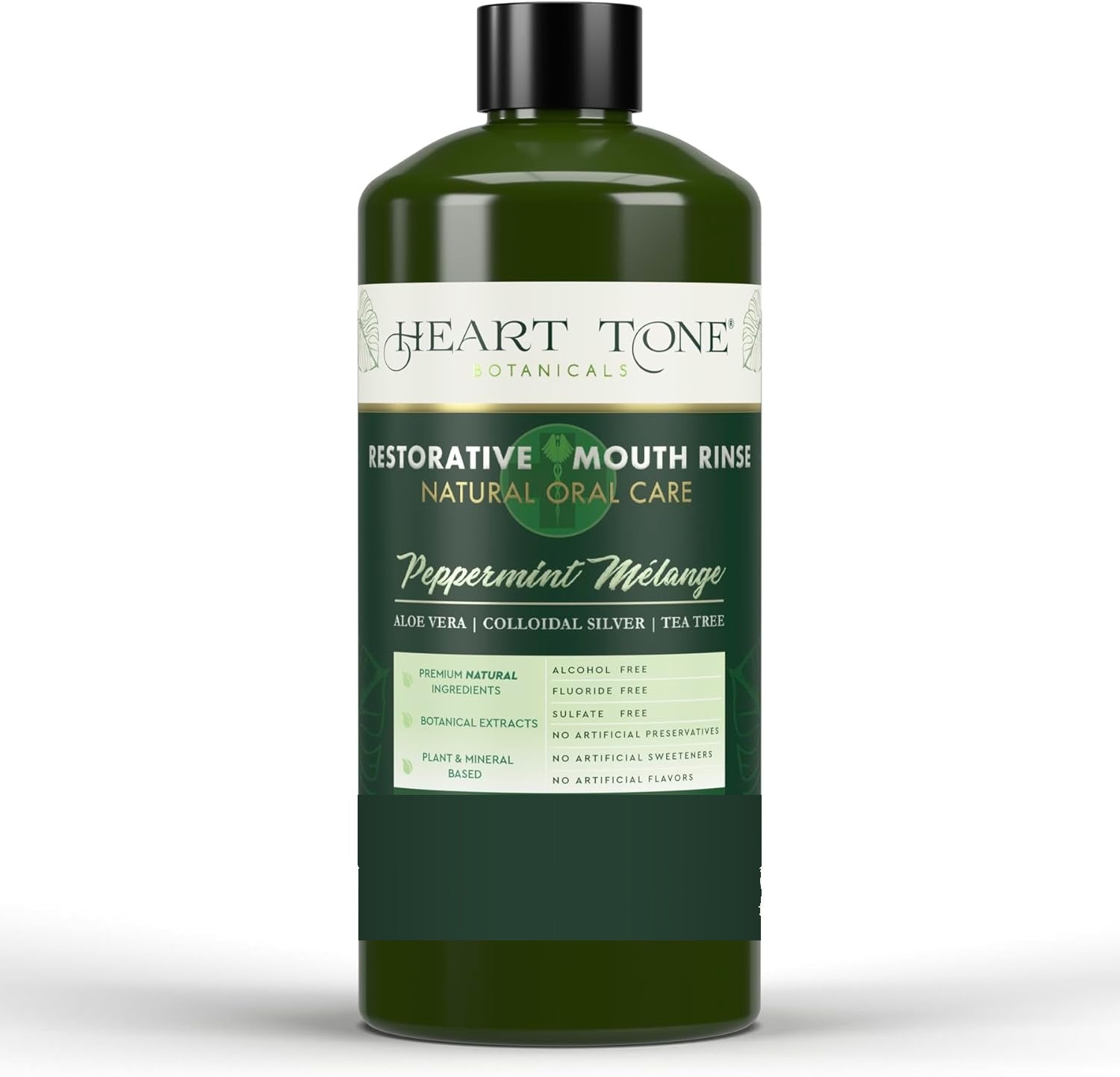
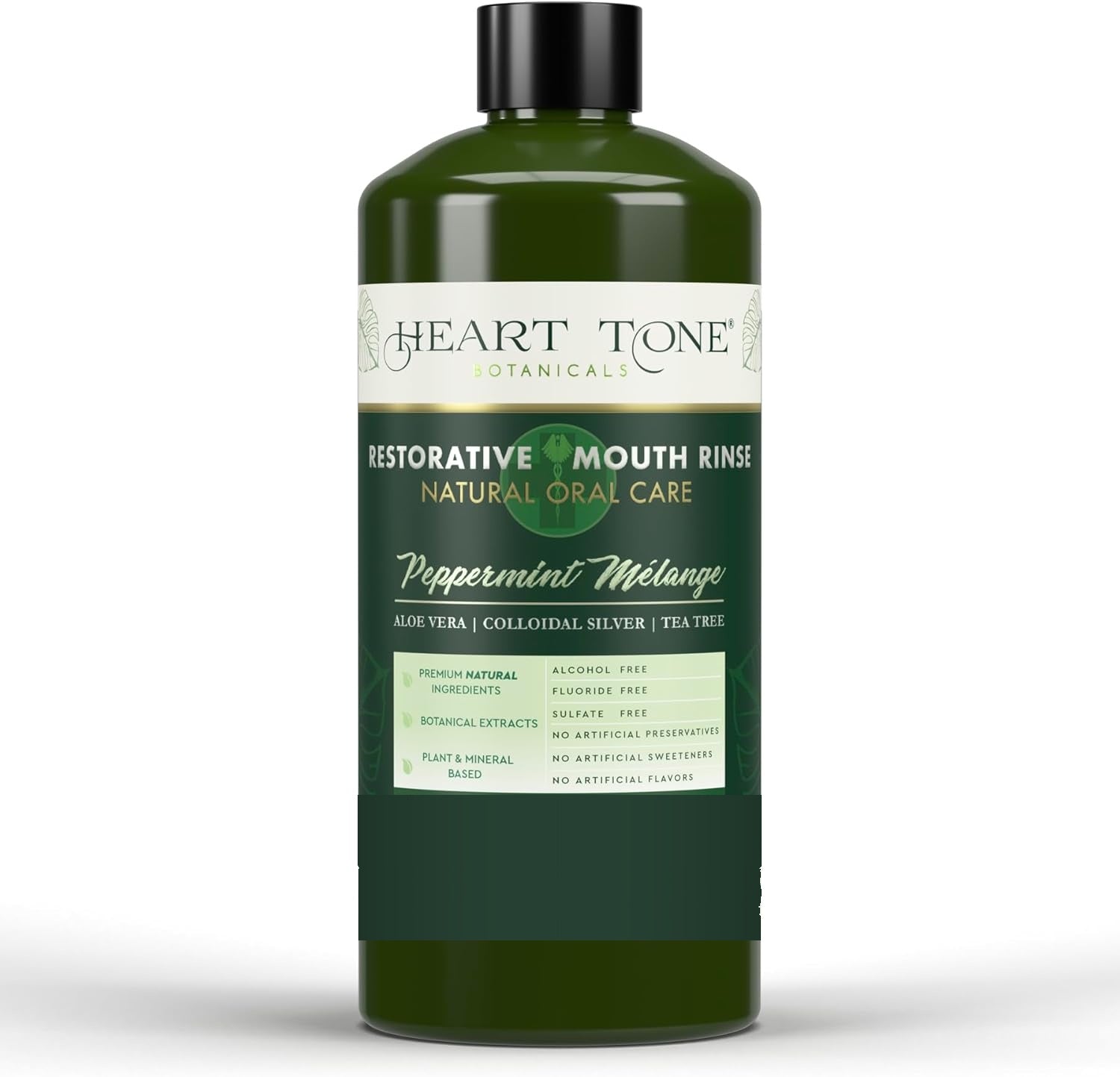
Our Restorative Mouth Rinse uses colloidal silver as a primary active ingredient.
##
2. Peppermint Oil
Peppermint oil provides more than fresh flavor. Menthol, the primary compound in peppermint, has natural antimicrobial properties.
A 2013 study in the Journal of Clinical Dentistry showed peppermint oil inhibited growth of Streptococcus mutans and other bacteria associated with halitosis.
Bonus: Peppermint stimulates saliva production, which naturally cleanses the mouth and prevents dry mouth — a major contributor to bad breath.
##
3. Aloe Vera
Aloe vera is known for skin care, but it's equally beneficial for oral health. Research shows aloe vera has anti-inflammatory and antimicrobial effects in the mouth.
A 2016 study in the Ethiopian Journal of Health Sciences found that aloe vera mouthwash was as effective as chlorhexidine (a prescription antimicrobial) at reducing plaque and gingivitis, without the side effects.
How it works: Aloe soothes irritated gums, reduces inflammation, and creates an environment where odor-causing bacteria struggle to thrive.
##
4. Xylitol
Xylitol is a natural sugar alcohol derived from birch bark. Unlike regular sugar, xylitol reduces bacterial activity in the mouth.
Research published in the Journal of the American Dental Association shows xylitol prevents bacteria from adhering to teeth and producing the acids that cause decay and odor.
How it works: Bacteria can't metabolize xylitol, so it starves odor-causing strains while leaving beneficial bacteria intact.
##
5. Tea Tree Oil
Tea tree oil is a potent antimicrobial that's been used in oral care for centuries. Studies show it's particularly effective against Porphyromonas gingivalis, a bacteria linked to gum disease and chronic bad breath.
A 2020 review in Clinical Oral Investigations found tea tree oil reduced volatile sulfur compounds (VSCs) — the main cause of bad breath — more effectively than alcohol-based rinses.
#
What to Avoid in Mouthwash for Bad Breath
##
Alcohol
Most commercial mouthwashes contain 15-30% alcohol. While alcohol kills bacteria, it also:

- Dries out your mouth (increasing bad breath over time)
- Disrupts the oral microbiome
- Can irritate sensitive gums
- May increase risk of oral cancer with long-term use (per research in Oral Oncology)
Better alternative: Alcohol-free natural mouthwash with colloidal silver or essential oils.
##
Artificial Dyes
Blue dye #1, green dye #3, and other synthetic colors have no therapeutic benefit. They're purely cosmetic.
Some research links synthetic dyes to allergic reactions and oral irritation.
##
Sodium Lauryl Sulfate (SLS)
SLS is a foaming agent that creates the "sudsy" feeling in many mouthwashes. But it's also a known irritant that can:
- Strip away the protective mucous layer in your mouth
- Worsen canker sores
- Contribute to dry mouth
Better alternative: Natural surfactants like castile soap base or no foaming agent at all.
##
Synthetic Sweeteners
Saccharin, aspartame, and sucralose are common in "sugar-free" mouthwash. While they don't feed bacteria like sugar does, research suggests artificial sweeteners may disrupt the gut microbiome — and emerging evidence shows the oral and gut microbiomes are deeply connected.
Better alternative: Xylitol or stevia.
#
How to Use Natural Mouthwash for Best Results
1. After brushing and flossing — Remove food particles first so the mouthwash can reach bacteria
- 2. Swish for 30-60 seconds — Give the active ingredients time to work
- 3. Don't rinse with water afterward — Let the botanicals stay on your teeth and gums
- 4. Use twice daily — Morning and night for consistent bacterial control
#
Does Natural Mouthwash Actually Work for Bad Breath?
Short answer: Yes, when formulated correctly.
A 2018 study in the Journal of Contemporary Dental Practice compared natural mouthwash (with essential oils and aloe vera) to chlorhexidine. Both reduced VSCs and improved breath quality, but the natural formula had fewer side effects and better long-term results.
The key is consistency. Natural mouthwash supports your oral microbiome over time rather than nuking everything at once.
#
What About Oil Pulling?
Oil pulling is another natural approach for bad breath. Swishing coconut oil or sesame oil for 10-20 minutes pulls bacteria and toxins from the mouth.
Research shows oil pulling reduces Streptococcus mutans and volatile sulfur compounds. It's a great complement to natural mouthwash, especially in the morning.
Try our Antioxidant Oil Pull for a botanically-enhanced oil pulling experience.
#
The Bottom Line
Bad breath is often a sign of bacterial imbalance, not a hygiene failure. Natural mouthwash works by:
- Targeting odor-causing bacteria without disrupting beneficial strains
- Supporting saliva production (dry mouth makes breath worse)
- Soothing inflammation that creates pockets for bacteria to hide
Look for alcohol-free formulas with colloidal silver, peppermint oil, aloe vera, and xylitol. Avoid synthetic dyes, SLS, and artificial sweeteners.
Our Restorative Mouth Rinse combines all of these botanicals in a farm-crafted formula — fresh peppermint flavor, no harsh chemicals, and a crisp finish that lasts.
Ready to try natural mouthwash? Shop Oral Care →
---
All Heart Tone Botanicals products are handcrafted from farm-grown ingredients in Vero Beach, Florida. No synthetic additives, no compromises.

Leave a comment
This site is protected by hCaptcha and the hCaptcha Privacy Policy and Terms of Service apply.