

Why Bad Breath Keeps Coming Back — And What Aloe Vera Does About It
Bad breath is one of the most common — and most misunderstood — oral health concerns. Most people reach for a minty mouthwash, feel fresh for an hour, and then wonder why the problem returns. The truth is that most conventional mouthwashes mask bad breath rather than address its root cause. That's where aloe vera changes the conversation.

Aloe vera for bad breath isn't a folk remedy or wellness trend. There's a growing body of research showing that this ancient botanical works on the actual biology behind halitosis — and it does it without alcohol, synthetic chemicals, or the harsh disruption that conventional rinses cause.
What Actually Causes Bad Breath
Before we get to aloe vera, it helps to understand what you're actually dealing with. Chronic bad breath — clinically called halitosis — is caused primarily by volatile sulfur compounds (VSCs): hydrogen sulfide, methyl mercaptan, and dimethyl sulfide. These gases are produced by anaerobic bacteria that live in the back of your tongue, between your teeth, and in the pockets of your gums.
These bacteria thrive in low-oxygen environments. When your mouth gets dry — which happens during sleep, after caffeine, or when you're dehydrated — the bacteria population surges and VSC production spikes. This is why morning breath is universal, and why coffee drinkers often notice it mid-afternoon.
Alcohol-based mouthwashes kill bacteria temporarily but also dry out the mouth, which creates the ideal environment for the same bacteria to repopulate even faster. You're essentially treating the symptom while worsening the cause.
How Aloe Vera Addresses Halitosis Differently
Aloe vera works on bad breath through three distinct mechanisms:
1. Antimicrobial Activity Against VSC-Producing Bacteria
Aloe vera contains a range of bioactive compounds — including anthraquinones, saponins, and polysaccharides — that have demonstrated inhibitory effects on common oral pathogens. A peer-reviewed study published in the Journal of Indian Society of Periodontology found that an aloe vera-based mouthwash was comparable in effectiveness to chlorhexidine (a prescription-strength antibacterial) in reducing plaque and bacterial load — without the side effects of taste disruption and staining that chlorhexidine is known for.
2. Moisturizing and Saliva-Supporting Properties
Aloe vera's high mucopolysaccharide content makes it a natural humectant — it retains moisture and helps maintain a hydrated oral environment. Since dry mouth is the primary amplifier of bad breath, using an aloe-containing rinse supports the conditions that keep bacterial populations in check naturally. More saliva means more natural antimicrobial action from your own body's defenses.
3. Anti-Inflammatory Support for Gum Tissue
Gum disease is a secondary but significant driver of bad breath. Inflamed, bleeding gum tissue creates an environment where VSC-producing bacteria concentrate. Aloe vera's well-documented anti-inflammatory compounds — including acemannan, the primary bioactive polysaccharide — support healthier gum tissue, which reduces the bacterial load at the gum line.
"Aloe vera's benefit for oral health comes not from one compound but from its synergistic botanical complexity — anti-inflammatory, moisturizing, and antimicrobial properties working together in a way that no single synthesized ingredient replicates."
Aloe Vera vs. Standard Mouthwash: What the Research Shows
A 2011 study in the General Dentistry journal compared aloe vera mouth rinse to a standard commercial fluoride rinse over four weeks. The aloe group showed equivalent reductions in plaque and Streptococcus mutans counts — a key cavity-causing bacteria — without any adverse effects. Another study published in the Ethiopian Journal of Health Sciences found aloe vera juice "showed effectiveness comparable to the commercial mouthwash without the associated side effects."
What's notable is what aloe vera didn't do in these studies: it didn't increase dryness, it didn't cause mucosal irritation, and it didn't disrupt the broader oral microbiome the way alcohol-based rinses often do.
What to Look For in an Aloe Vera Mouthwash
Not all aloe vera mouthwashes are created equal. Here's what separates a genuinely effective formula from one that simply adds "aloe" to the ingredient list for marketing purposes:

- Alcohol-free base — Alcohol defeats the purpose of aloe's moisturizing benefit. Look for water-based formulas.
- Aloe near the top of the ingredient list — Ingredient lists are ordered by concentration. If aloe is listed near the bottom, it's present in trace amounts only.
- No artificial sweeteners or synthetic preservatives — These can irritate the mucosal lining and offset aloe's anti-inflammatory benefit.
- Complementary botanicals — Herbs like peppermint, colloidal silver, or aromatic plant extracts work synergistically with aloe to support a cleaner oral environment.
How Heart Tone Botanicals Uses Aloe Vera in Oral Care
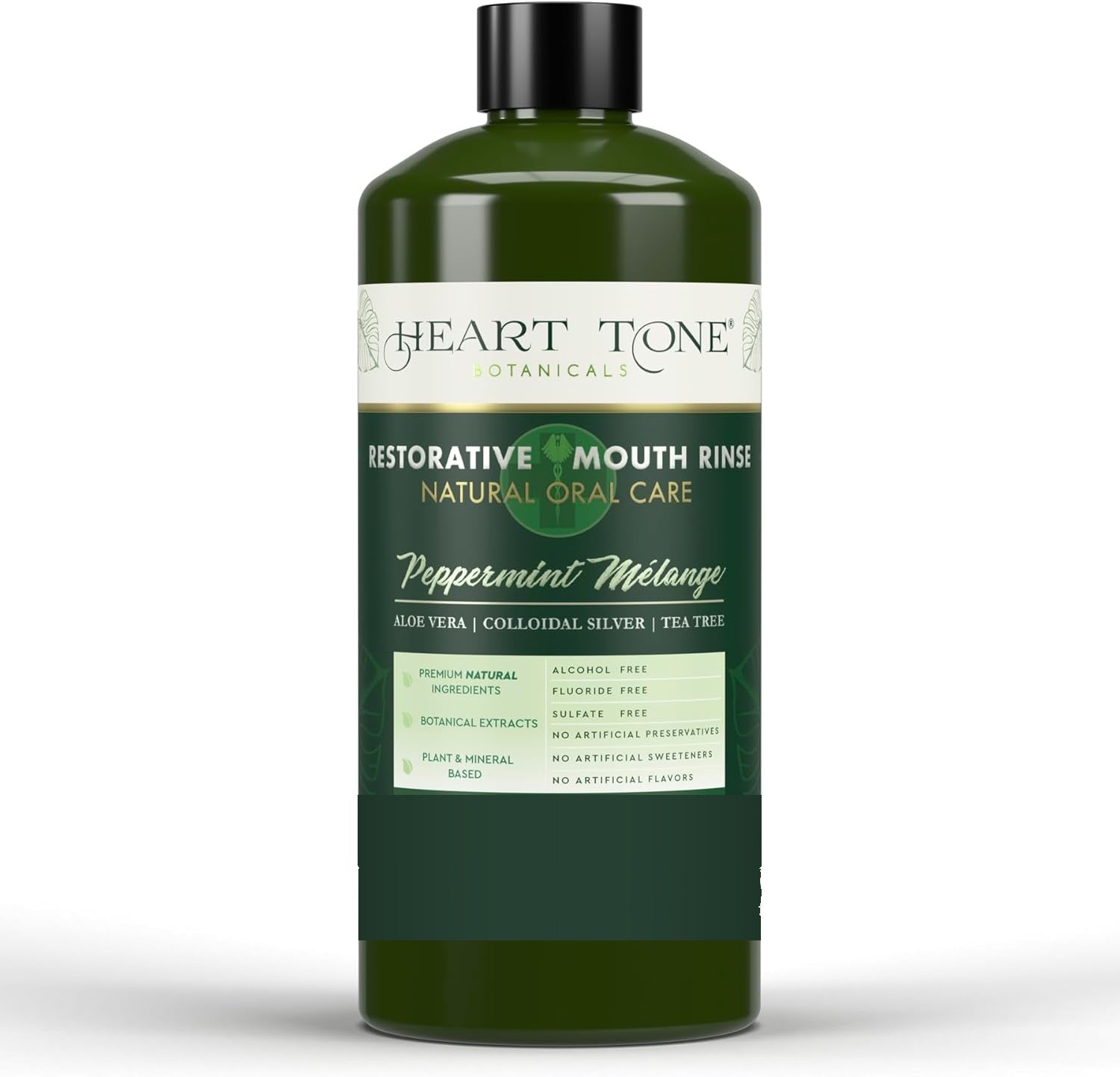
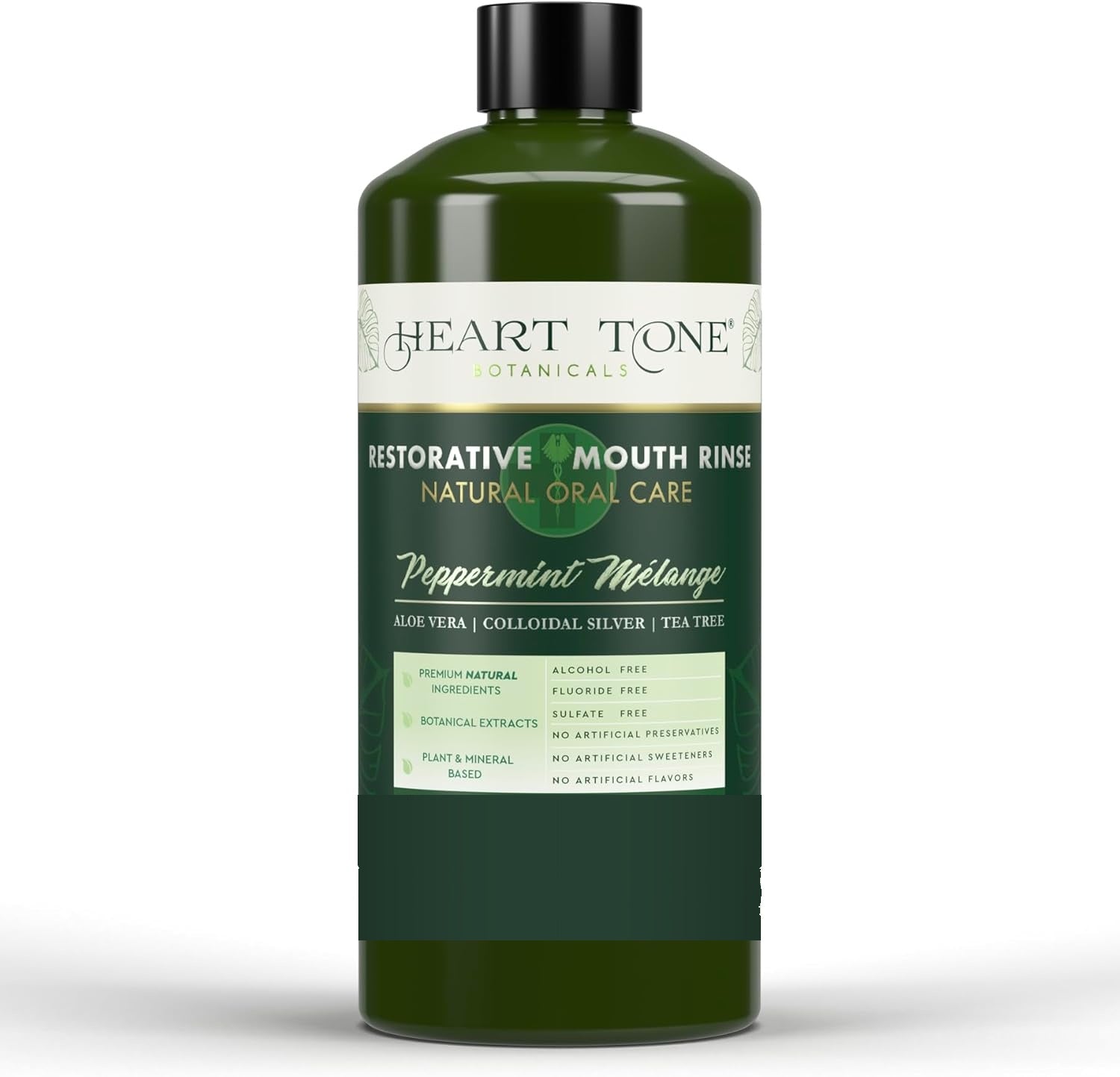
At Heart Tone Botanicals, we grow aloe vera on our own farm in Vero Beach, Florida — pesticide-free, heirloom-strain plants that we've been tending for years. The aloe that goes into our Restorative Mouth Rinse comes directly from that harvest, not from a commercial extract supplier.
Our mouth rinse is alcohol-free by design. The formula combines aloe vera with colloidal silver and aromatic botanical herbs in a pH-balanced, water-based rinse that freshens breath by supporting the oral environment — not by scorching it. It's designed for daily use, including for people who have found that conventional mouthwash leaves their mouth feeling dry or irritated.
If you're new to the rinse, start with one to two uses daily — morning and before bed — for at least two weeks. Most people notice a meaningful difference in how their breath holds throughout the day, particularly the morning breath they experience after sleeping.
Pairing Aloe Vera Mouthwash with a Complete Routine
For best results, aloe vera mouthwash works as part of a complete oral care routine rather than a standalone fix. The most effective daily sequence:
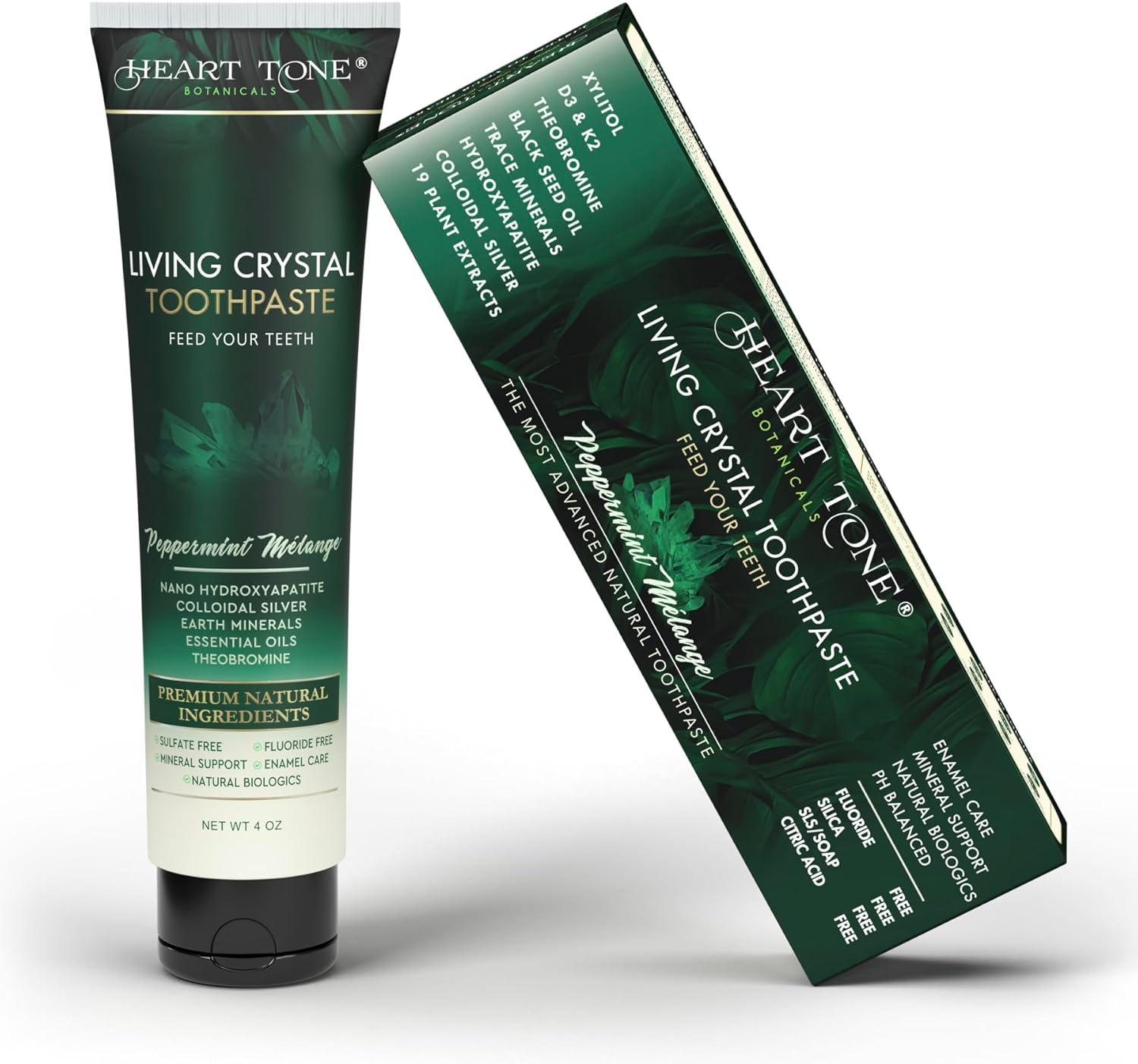
- Brush with a gentle, low-abrasion toothpaste — our Living Crystal Toothpaste uses micro-hydroxyapatite and theobromine to remineralize enamel while the colloidal silver supports a balanced oral microbiome
- Floss to remove interdental debris where anaerobic bacteria concentrate
- Rinse with our aloe-based mouth rinse to coat the oral mucosa, support gum tissue, and leave lasting botanical freshness
- Stay hydrated — water remains the single best thing you can do for chronic bad breath outside your oral care routine
This sequence addresses bad breath at every level: physical removal of debris, enamel support, and botanical maintenance of the oral environment.
Common Questions About Aloe Vera for Bad Breath
Can I just use raw aloe vera on my teeth?
You can, but it's not as effective as a formulated rinse. Raw aloe gel doesn't distribute evenly through the mouth, and it lacks the complementary botanicals and proper pH balance that make a formulated mouthwash more effective. It also doesn't taste great on its own.
How long until I see results with aloe vera mouthwash?
Most people notice fresher breath within the first few days, but the real benefit — reduced bacterial load and less morning breath — typically takes one to two weeks of consistent daily use to become noticeable. The anti-inflammatory effects on gum tissue can take three to four weeks to build.
Is aloe vera mouthwash safe for daily use?
Yes. Unlike chlorhexidine or alcohol-based rinses, which carry usage warnings for extended daily use, aloe vera mouthwash is well-tolerated for daily long-term use. It doesn't cause staining, doesn't disrupt taste perception, and doesn't contribute to antibiotic resistance.
Does aloe vera whiten teeth?
Aloe vera is not a whitening agent in the clinical sense. It doesn't bleach enamel. However, by supporting a cleaner oral environment and reducing stain-contributing bacterial load, some people find their teeth look cleaner over time. Don't expect dramatic whitening — that's not what aloe does.
The Bottom Line
Aloe vera for bad breath works — and the mechanism is sound. It moisturizes rather than drying, it supports the oral microbiome rather than scorching it, and it brings genuine anti-inflammatory benefit to gum tissue. Combined with a botanical, alcohol-free mouthwash formula, it's one of the most rational choices you can make for chronic halitosis.
The key is consistency and quality. Look for aloe that's real, concentrated, and paired with ingredients that support rather than contradict its benefits.
If you're ready to try a genuinely botanical approach, our Restorative Mouth Rinse is a good place to start — or explore our full oral care collection to build a routine that works from the ground up.

Leave a comment
This site is protected by hCaptcha and the hCaptcha Privacy Policy and Terms of Service apply.