

Colloidal silver has been used in medicine for over a century. Before antibiotics, it was the go-to antimicrobial for wound care, infections, and even oral health. Today it's making a quiet return — this time in natural toothpaste and mouthwash formulas designed to support healthy gums without the chemical load of conventional oral care.

But does it actually work for your gums and teeth? Here's what the research shows, and how we use it in our formulas.
What Is Colloidal Silver?
Colloidal silver is a suspension of tiny silver particles in liquid — typically distilled water. The particles are measured in nanometers, small enough to interact with microbial cell walls on contact. It has been studied extensively for its antimicrobial activity, including against bacteria commonly associated with gum disease and tooth decay.
Unlike prescription antimicrobials, colloidal silver doesn't require a specific biological target. It works through direct ionic contact, which is why researchers have found it effective against a broad spectrum of oral pathogens.
What the Research Says About Colloidal Silver and Oral Health
Several peer-reviewed studies have examined colloidal silver's role in oral care:
Antibacterial activity against S. mutans and P. gingivalis. These are two of the most studied bacteria in oral health. Streptococcus mutans is the primary driver of tooth decay; Porphyromonas gingivalis is strongly linked to periodontal (gum) disease. Studies in the Journal of Nanobiotechnology and BioMed Research International have documented colloidal silver's effectiveness against both.
Biofilm disruption. Dental plaque is a biofilm — a structured community of bacteria that adheres to tooth surfaces and below the gumline. Research shows that silver nanoparticles can disrupt biofilm formation, which is critical for gum health. Biofilm disruption is why conventional dentistry uses chlorhexidine — but that comes with staining and altered taste. Colloidal silver offers a gentler alternative without those side effects.
Anti-inflammatory support. Some research suggests silver nanoparticles may help modulate the inflammatory response in gum tissue. Chronic gum inflammation is the hallmark of gingivitis and the gateway to more serious periodontal disease.
"The antimicrobial properties of silver have been known for centuries. Modern nanotechnology has allowed us to harness those properties in stable, safe, effective concentrations for daily use." — summary of findings across multiple peer-reviewed publications
How Colloidal Silver Works in Toothpaste vs. Mouthwash
The delivery method matters.
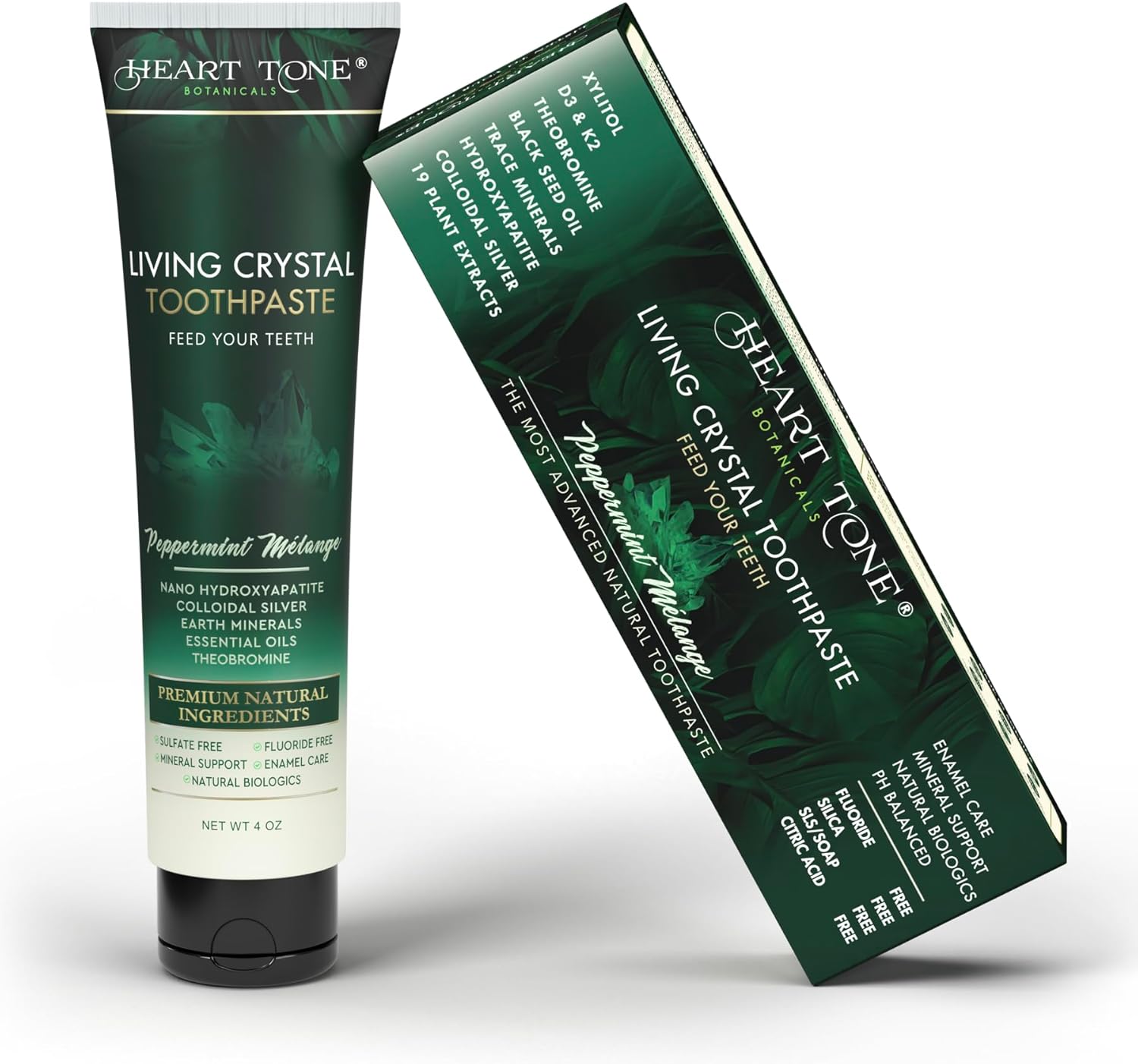
In toothpaste, colloidal silver gets mechanical help. Brushing creates friction that moves the silver particles across tooth surfaces and into the gumline, where bacteria congregate. Our Living Crystal Toothpaste pairs colloidal silver with nano-hydroxyapatite and myrrh for a complete remineralizing and antimicrobial approach.
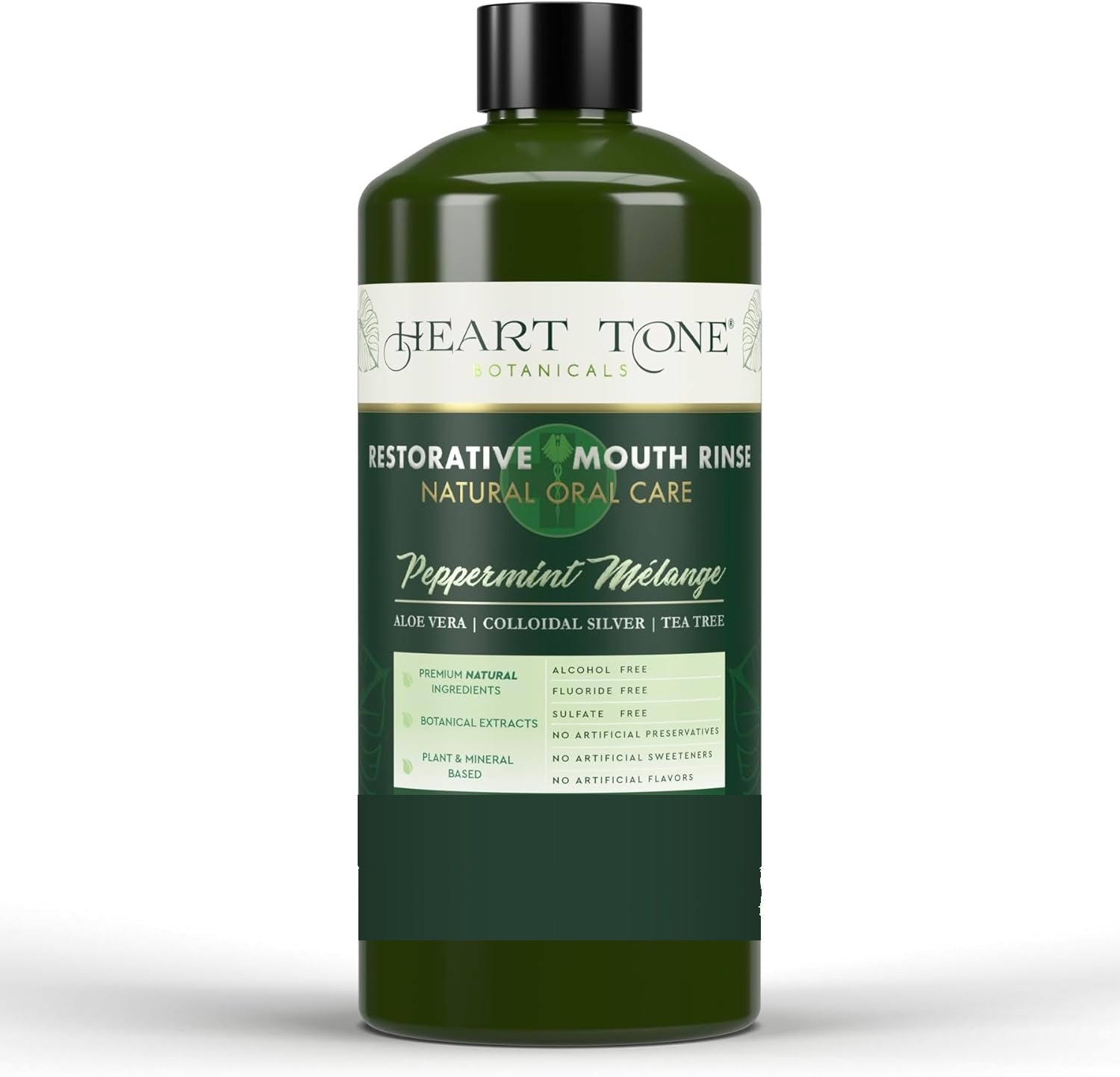
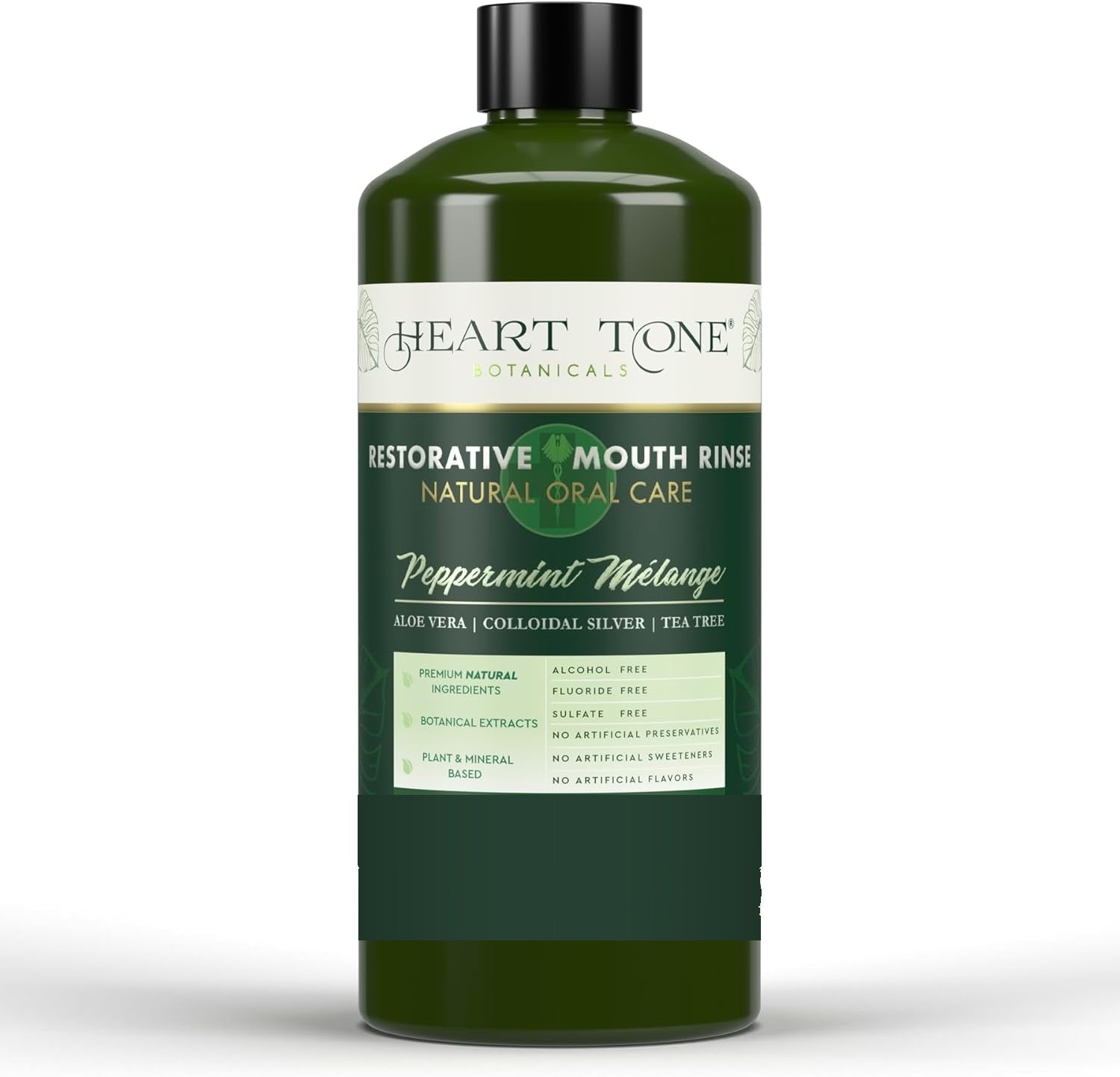
In mouthwash, colloidal silver reaches areas your toothbrush can't — deep between teeth, around the back molars, and below the gumline in existing periodontal pockets. Holding the rinse for 30–60 seconds allows direct contact with gum tissue. Our Restorative Mouth Rinse combines colloidal silver with myrrh and neem — both traditionally used antimicrobial botanicals — for a full-spectrum gum rinse.
Using both together creates overlapping coverage: mechanical scrubbing with the brush, then liquid penetration with the rinse.

The Gum Health Connection: Why Bacteria Below the Gumline Matter
Most oral care products are designed for the tooth surface. But gum disease starts below the gumline — in the sulcus, the small pocket between your tooth and gum tissue. When harmful bacteria colonize this space and form biofilm, the resulting infection triggers inflammation, bleeding, and eventually bone loss.
Conventional treatments include prescription chlorhexidine rinses and scaling procedures. These work, but they're reactive — deployed after the problem develops. The case for colloidal silver mouthwash is preventive: regular use can reduce the bacterial load in that sulcus before the cycle of inflammation begins.
For people already managing receding gums or early periodontal concerns, this kind of consistent, gentle antibacterial support may help slow progression — not replace professional care, but work alongside it.
What to Look for in a Colloidal Silver Oral Care Product
Not all colloidal silver products are the same. Three things to check:
1. Particle size. Smaller particles (10–20 nm range) have more surface area relative to their mass, which makes them more effective at ionic contact.
2. Concentration. Most effective oral care applications use 10–25 ppm (parts per million). Very high concentrations are unnecessary; very low concentrations may be ineffective.
3. What else is in the formula. Silver works best as part of a system. Pairing it with other botanicals — myrrh's astringent tannins, neem's nimbidin compounds, hydroxyapatite's remineralization — creates a synergistic formula that covers more of the spectrum of oral health needs.
The Bottom Line
Colloidal silver has a real scientific basis for its use in oral care. It's antimicrobial, biofilm-disrupting, and supported by a growing body of research specifically related to the bacteria that cause gum disease and tooth decay. It's not magic, and it works best as part of a complete, consistent oral hygiene routine.
If you're looking for a natural alternative to chlorhexidine — or just want to add meaningful antibacterial support to your daily brushing — colloidal silver toothpaste and mouthwash are worth a serious look.
Try the Heart Tone Oral Care System
Our Living Crystal Toothpaste pairs colloidal silver with nano-hydroxyapatite, myrrh, and neem for a complete daily formula. Our Restorative Mouth Rinse delivers colloidal silver, myrrh, and neem in a rinse that reaches where your brush cannot.
Related reading: Colloidal Silver in Toothpaste: What the Research Says | Best Mouthwash for Receding Gums

Leave a comment
This site is protected by hCaptcha and the hCaptcha Privacy Policy and Terms of Service apply.