

Oil Pulling vs. Mouthwash: Which Is Better for Your Oral Health?
You've probably heard of both. But if you're trying to build a natural oral care routine that actually works, you're going to have to choose — or figure out how to use both strategically. Oil pulling and mouthwash serve overlapping but distinct purposes, and understanding the difference can mean the real difference between a clean mouth and a truly healthy one.

This guide breaks down exactly how each approach works, what the research says, and how to combine them for maximum benefit using genuinely natural formulas.
What Is Oil Pulling, and How Does It Work?
Oil pulling is an ancient Ayurvedic practice that involves swishing a tablespoon of oil — typically sesame, coconut, or a botanical blend — around your mouth for 5 to 20 minutes. The theory is elegantly simple: as you swish, the oil picks up bacteria, debris, and toxins through a combination of mechanical action and the oil's natural affinity for lipid-based bacterial membranes.
Modern research supports several of its claimed benefits. A 2017 review in the Journal of Traditional and Complementary Medicine found that oil pulling with sesame oil significantly reduced counts of Streptococcus mutans — a primary driver of tooth decay — comparable to chlorhexidine mouthwash. Other studies have shown reductions in gum bleeding, plaque index scores, and halitosis markers after consistent use.
What makes oil pulling distinct is the thoroughness of its mechanical action. Swishing for 10–15 minutes means every surface of your teeth, every crevice along the gumline, and the soft tissue of your cheeks all get coated and cleaned. No commercial mouthwash is rinsed for that long.
What Is Mouthwash Actually Doing?
Most people use mouthwash as a 30-second breath refresher. But a well-formulated natural mouthwash does considerably more than that — it delivers active botanical compounds to every surface in your mouth simultaneously, including the back of the throat, the soft palate, and the tongue dorsum (the top surface, where much of bad breath actually originates).
The key difference from oil pulling is the delivery mechanism. Water-based mouthwash rinses are thinner and faster-acting — they penetrate subgingival pockets (the space between tooth and gumline) more easily than oils and disperse throughout the oral cavity in seconds. They're also more practical for daily use: 30–60 seconds is sustainable twice a day, even on busy mornings.
However, not all mouthwashes are created equally. Conventional alcohol-based formulas like Listerine create the impression of clean through burning sensation — but that burn disrupts the oral microbiome, strips protective mucus, and can actually worsen dry mouth over time. For people managing gum sensitivity, receding gums, or oral microbiome imbalance, alcohol-based mouthwash can make things worse.
"A mouthwash that burns isn't cleaning — it's damaging. True oral health comes from supporting the oral ecosystem, not nuking it."
The Real Comparison: Oil Pulling vs. Natural Mouthwash
| Factor | Oil Pulling | Natural Mouthwash |
|---|---|---|
| Time required | 10–20 minutes | 30–60 seconds |
| Mechanism | Mechanical + lipid binding | Botanical delivery + rinsing |
| Gumline penetration | Moderate | High (water-based) |
| Tongue/throat coverage | Excellent | Excellent |
| Sustained fresh breath | Moderate | High |
| Ideal time of use | Morning, fasted | Morning and night |
| Ease of daily use | Moderate (time commitment) | Very easy |
| Supports oral microbiome | Yes (natural oils) | Depends on formula |
Colloidal Silver in Mouthwash: Why It Changes the Equation
When comparing botanical mouthwash to oil pulling specifically, the active ingredients in the rinse matter enormously. Standard "natural" mouthwashes often rely on diluted essential oils that rinse away in seconds. But colloidal silver — suspended nanoparticles of silver in purified water — has a fundamentally different action.

Colloidal silver interacts with bacterial cell membranes in a way that research suggests disrupts their function without the harsh selectivity of antibiotics. It's non-acidic, leaves no burning residue, and doesn't evaporate on contact. A colloidal silver mouthwash continues acting on oral surfaces after you've swallowed and moved on with your morning.
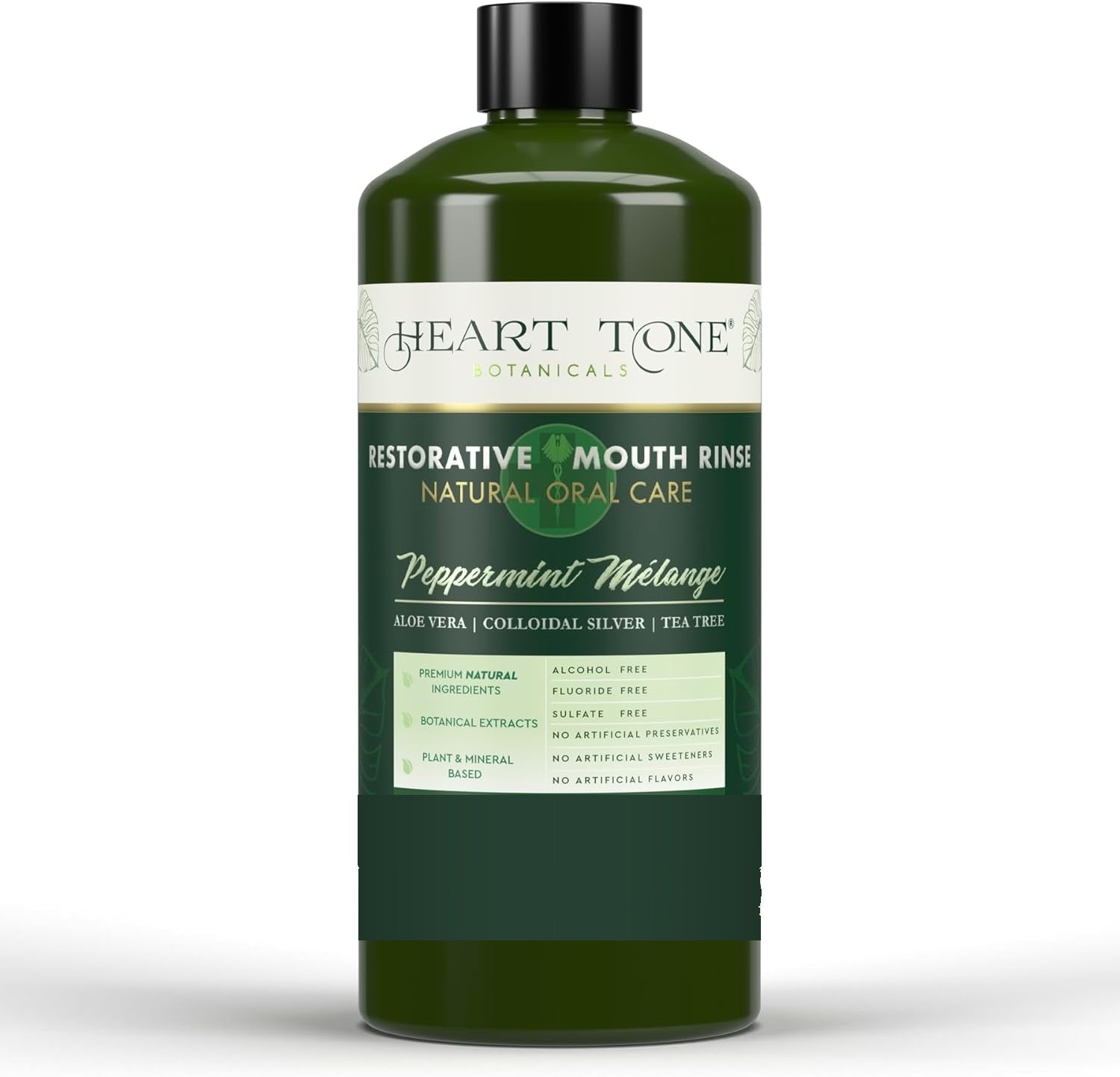
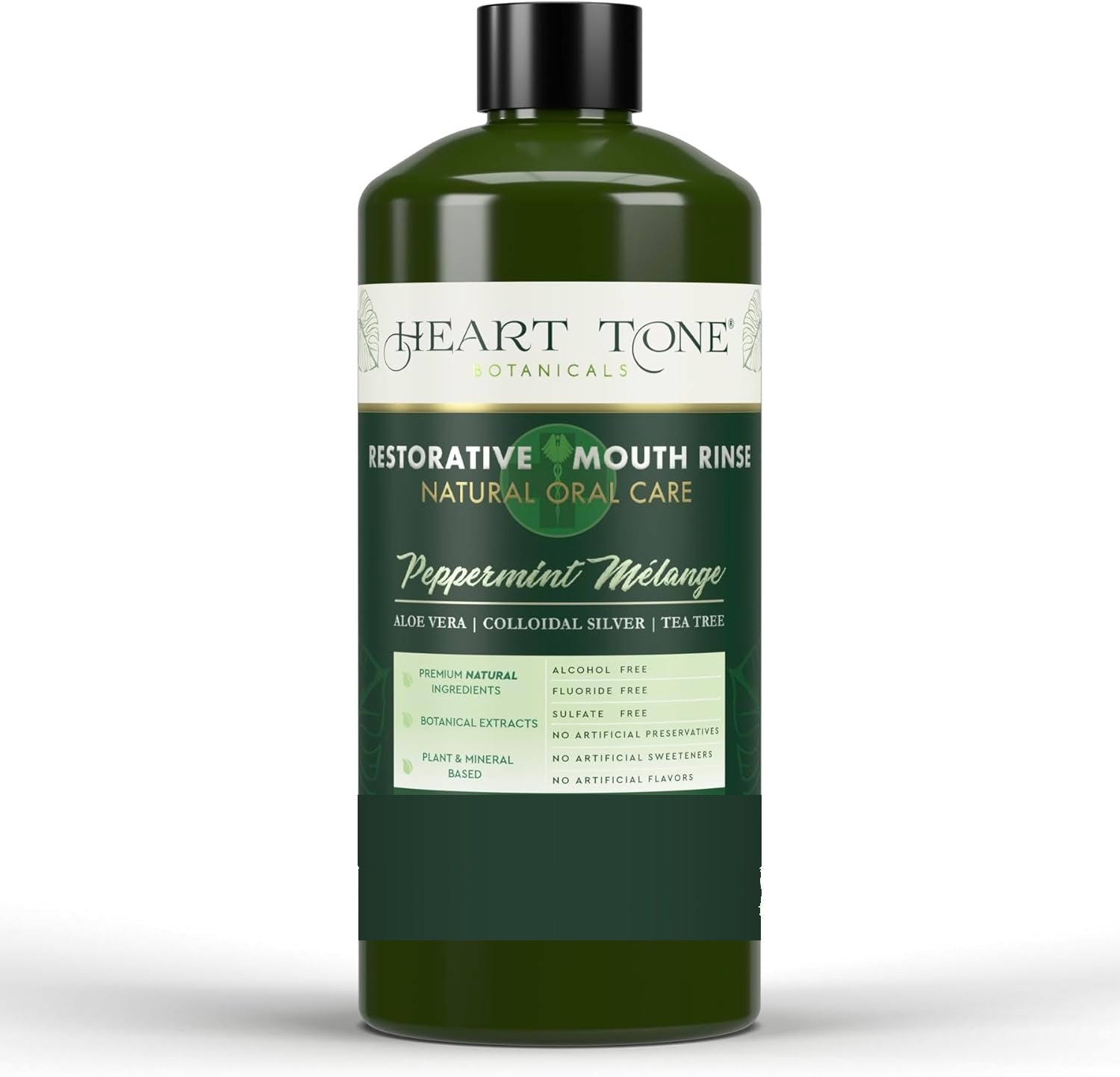
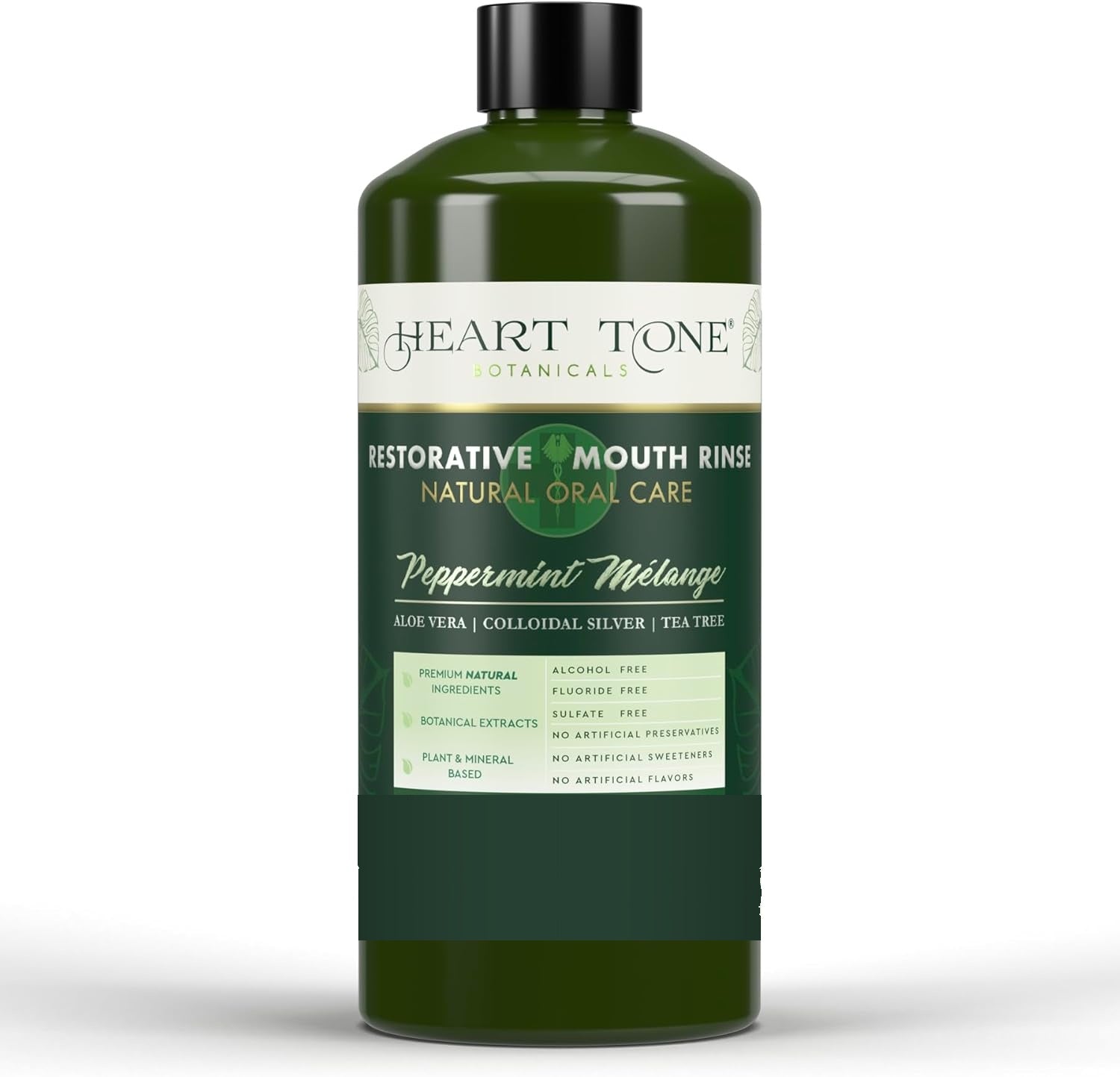
This is why our Restorative Mouth Rinse leads with colloidal silver as its primary active ingredient — paired with colloidal zinc, farm-grown aloe vera, and 19 additional botanical extracts including licorice root, peppermint, spearmint, wintergreen, xylitol, and natural foaming agents from desert yucca and quillaja. It's not a single-note rinse. It's 22 ingredients working together in a water-based formula that reaches everywhere quickly.
What About Oil Pulling? When Does It Win?
Oil pulling earns its place in the routine for its mechanical thoroughness and its role in the fasted morning state. Before you've eaten or drunk anything, your mouth has its highest overnight bacterial load. Oil pulling — done first thing, before toothbrushing — intercepts that load mechanically, before you swallow or introduce food.
The best oil pulling formulas add botanical extracts to enhance the base oil's action. Our Antioxidant Oil Pull uses antioxidant-rich sesame seed oil as its base and layers in CoQ10, resveratrol, myrrh, manuka, green tea, turmeric, tea tree, and licorice root — 12 premium plant extracts that give the oil pulling ritual genuine active botanical density beyond what a plain coconut oil swish provides. The peppermint-fennel-anise flavor also makes the 10-15 minute duration dramatically more bearable.
The Verdict: Use Both — In the Right Order
You don't have to pick one. The smarter approach is to treat them as complementary tools with different timing:
- Morning (fasted): Oil pull for 10–15 minutes first. This intercepts overnight bacterial load mechanically before anything else enters your mouth.
- After brushing (morning): Rinse with a colloidal silver mouthwash. The water-based formula penetrates gumline pockets and delivers botanical actives to the areas the oil couldn't reach as efficiently.
- Evening: Brush, then rinse with mouthwash again. Oil pulling at night is optional — some people do it, but the fasted morning window is where it's most impactful.
This layered approach — mechanical oil-based cleansing followed by botanical water-based delivery — gives you the benefits of both methods without overlap or redundancy.
What to Look for in Each Product
Oil Pulling:
- Sesame or coconut oil base (both supported by research)
- Additional botanical extracts — not just plain oil
- No synthetic additives, dyes, or artificial flavors
- Pleasant enough flavor that you'll actually do it for 10+ minutes
Mouthwash:
- Alcohol-free (alcohol strips the oral microbiome and causes dry mouth)
- Colloidal silver or comparable active botanical ingredient
- Multiple botanicals — look for aloe, xylitol, essential oils at minimum
- No artificial colors, SLS, or parabens
- Fluoride-free if you prefer natural remineralization approaches
The Bottom Line
Oil pulling and mouthwash aren't competitors — they're partners in a complete oral care system. Oil pulling excels at thorough mechanical cleansing with its slow, full-mouth contact time. Botanical mouthwash excels at rapid botanical delivery, gumline penetration, and sustained freshness throughout the day. Used together in the right sequence, they cover every angle of natural oral health that brushing alone misses.
If you're choosing just one to start: a colloidal silver mouthwash is easier to sustain daily and delivers meaningful botanical activity in under a minute. Add oil pulling when you're ready to take your routine to the next level.
→ Shop Restorative Mouth Rinse — 22 botanicals, colloidal silver, alcohol-free
→ Shop Antioxidant Oil Pull — CoQ10, resveratrol, 12 plant extracts
→ Learn more: What is colloidal silver mouthwash?

Leave a comment
This site is protected by hCaptcha and the hCaptcha Privacy Policy and Terms of Service apply.