

What Fluoride-Free Mouthwash Actually Does (And What to Look For Instead)
Most mouthwash bottles list fluoride as a featured ingredient. But a growing number of people — from parents reading labels to adults rethinking long-term supplement intake — are asking a simple question: do I actually need fluoride in my mouthwash?

The short answer is no. Here's what the research says, what fluoride-free mouthwash does instead, and what ingredients you actually want to see on the label.
Why People Are Choosing Fluoride-Free Mouthwash
Fluoride has a real track record in cavity prevention, particularly in toothpaste used twice a day. But mouthwash is a different calculation. You swallow a small amount with every rinse. For adults with an otherwise clean diet and good brushing habits, many dentists acknowledge the marginal benefit of additional fluoride in rinse form is minimal — while the exposure adds up over years.
That's not fringe thinking. The European Food Safety Authority and several Nordic dental boards have issued guidance suggesting fluoride supplementation should be targeted, not layered across every oral care product simultaneously.
Beyond fluoride, conventional mouthwash formulas often include alcohol (which dries out mucous membranes and disrupts oral microbiome balance), artificial dyes, and synthetic antiseptics like cetylpyridinium chloride that kill bacteria indiscriminately — beneficial species included.
The goal of a good mouthwash isn't to sterilize your mouth. It's to support the environment that naturally keeps harmful bacteria in check.
What Does Fluoride-Free Mouthwash Use Instead?
The best fluoride-free formulas replace synthetic actives with botanical ingredients that work with your oral biology rather than against it. Here's what to look for:
Colloidal Silver
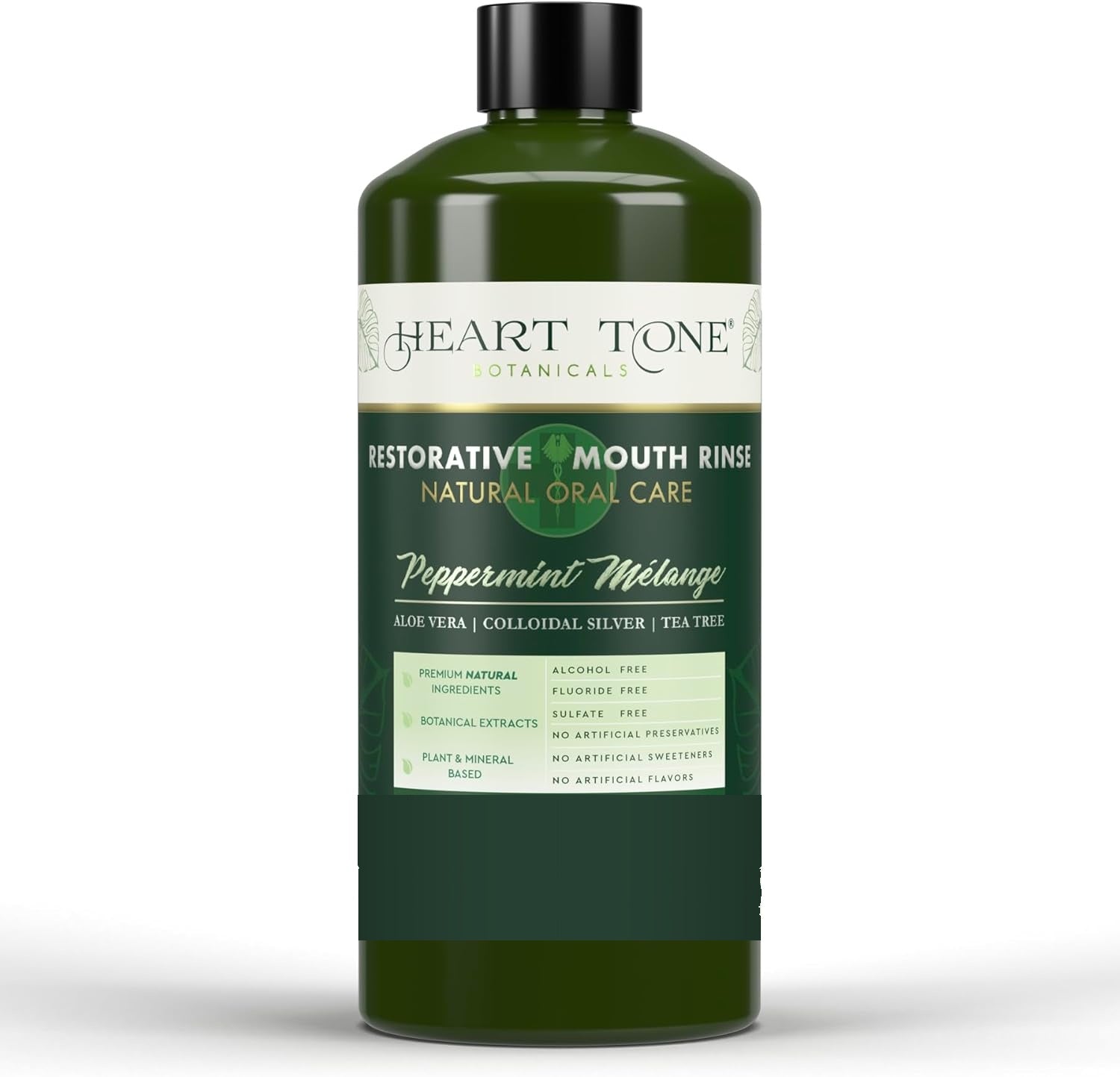
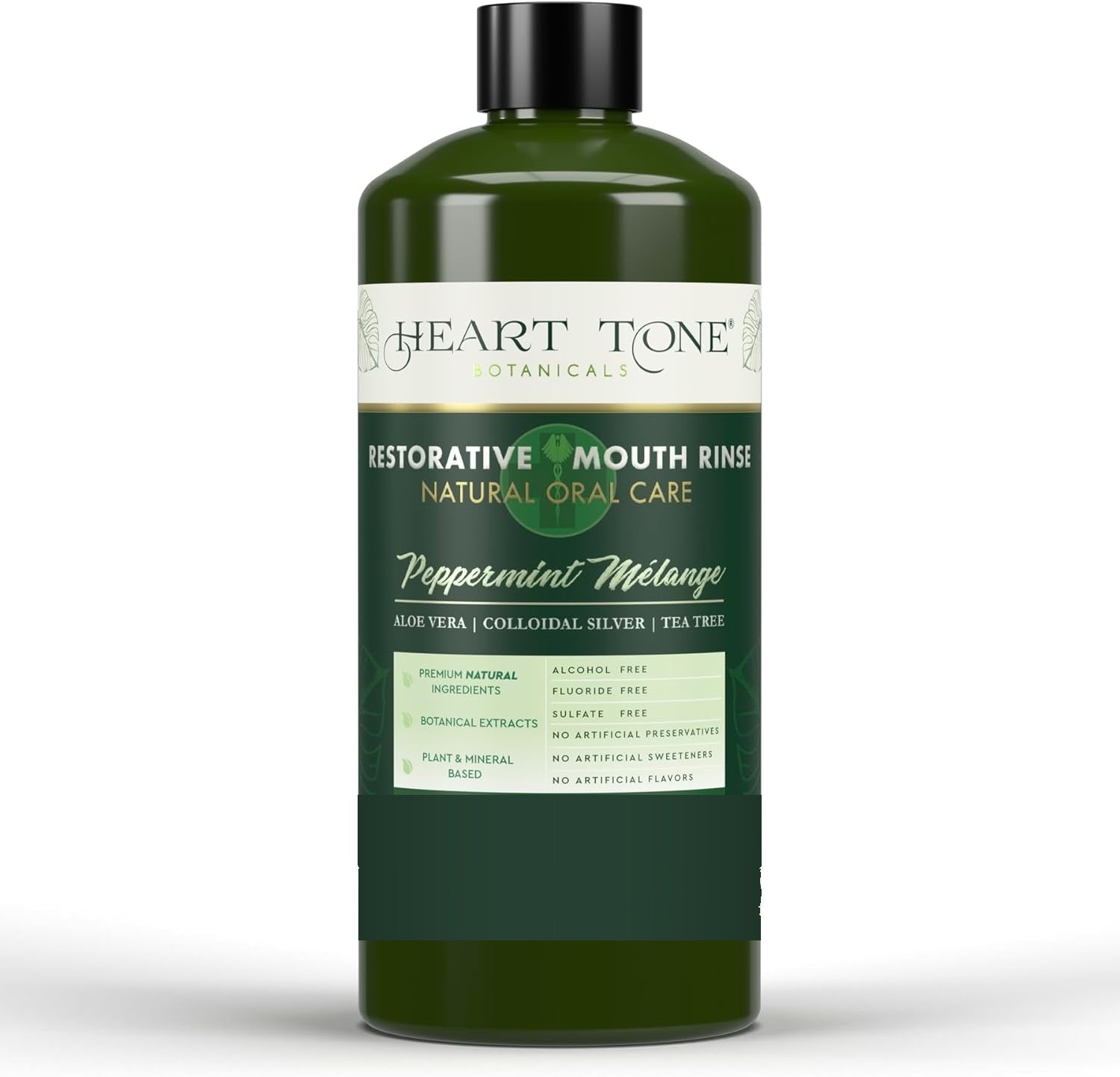
One of the most studied natural antimicrobials in oral care, colloidal silver has been used for generations in botanical formulations. Unlike broad-spectrum synthetic antiseptics, it selectively targets harmful microbes without stripping the oral microbiome. It's the backbone of our Restorative Mouth Rinse — not a marketing ingredient, but the lead active in the formula.
Colloidal Zinc
Zinc is a well-established ingredient in gum health research. It's effective at reducing volatile sulfur compounds (the primary cause of bad breath) and supports tissue integrity in the gum line. Paired with colloidal silver, it delivers a mineral rinse that addresses both freshness and oral environment balance.
Xylitol
Birch-derived xylitol is one of the few natural ingredients with a genuine clinical record for cavity prevention. It works differently from fluoride — rather than hardening enamel, it makes the oral environment inhospitable for S. mutans (the primary cavity-causing bacteria), which cannot metabolize xylitol the way it does sugar. Many fluoride-free toothpaste brands have shifted to xylitol as their primary cavity-prevention mechanism.
Aloe Vera
Aloe vera leaf juice has demonstrated anti-inflammatory and antimicrobial properties in peer-reviewed oral care studies. For people dealing with gum sensitivity, canker sores, or post-dental irritation, aloe provides genuine soothing action — not just the perception of it.
Botanical Mint Oils
Peppermint, spearmint, cornmint, and wintergreen are more than flavoring. Their essential oil constituents (menthol, carvone, methyl salicylate) have documented antimicrobial activity against oral pathogens. Combined with menthol crystals, they produce lasting freshness through actual botanical activity — not synthetic cooling agents.

The 22-Ingredient Difference
Most "natural" mouthwashes list three or four plant extracts behind a conventional synthetic base and call it botanical. The Restorative Mouth Rinse was built differently: 22 botanical ingredients, no alcohol, no fluoride, no synthetic fragrance.
The full formula includes yucca schidigera and quillaja saponaria as natural foaming agents (replacing SLS), acacia gum and guar gum for smooth texture, licorice root CO2 extract, and farm-grown aloe vera from Heart Tone Botanicals' biodynamic farm in Vero Beach, Florida.
The result is a rinse that leaves your mouth feeling restored rather than stripped — which is what most people switching from conventional mouthwash describe after the first week.
Is Fluoride-Free Mouthwash Right for You?
If you're brushing twice a day with a fluoride toothpaste and your cavity history is stable, adding more fluoride via a daily rinse provides diminishing returns for most adults. If you have active decay, a dry mouth condition, or your dentist has specifically prescribed a high-fluoride rinse, follow that guidance.
For everyone else: the more interesting question is what else your mouthwash is doing — or undoing — to your oral environment. Alcohol-based rinses suppress salivary flow. Synthetic antiseptics disrupt the microbiome. Artificial dyes and preservatives add chemical load with no benefit.
A well-formulated fluoride-free mouthwash with active botanical ingredients isn't a compromise. It's a step up.
How to Switch
Transitioning from a conventional mouthwash is straightforward:
- Week 1–2: Some people notice their mouth feels "different" — less numb, more natural. That's the absence of alcohol and synthetic cooling agents. It normalizes quickly.
- Week 2–4: Oral microbiome begins to rebalance. Many people report fresher breath that lasts longer because the formula isn't killing beneficial bacteria.
- Ongoing: Use morning and evening as part of your regular routine. The botanical actives are most effective with consistent daily use.
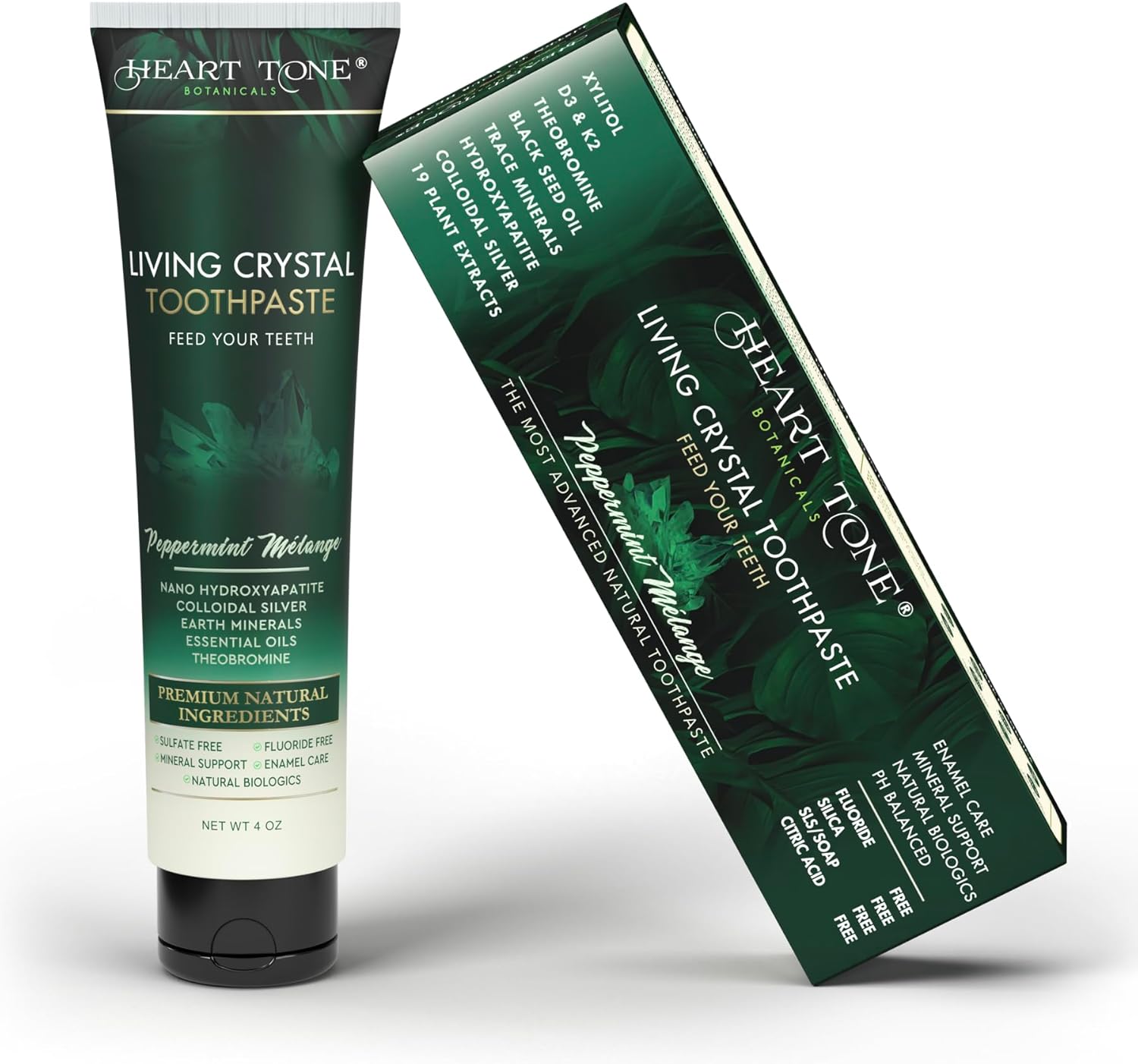
If you're also reconsidering your toothpaste, our Living Crystal Toothpaste pairs naturally with the Restorative Mouth Rinse — both are built on colloidal silver and designed to complement each other as a complete fluoride-free oral care system.
The Bottom Line
Fluoride-free mouthwash works — when the formula is built around ingredients that actually do something. Colloidal silver, xylitol, aloe vera, and botanical mint oils aren't substitutes for fluoride; they're a different (and for many people, better) approach to oral health.
The question isn't whether to skip fluoride. It's whether your mouthwash is doing real work, or just giving you a burning sensation and calling it clean.

Leave a comment
This site is protected by hCaptcha and the hCaptcha Privacy Policy and Terms of Service apply.