

Colloidal silver shows up in natural oral care products, wellness communities, and dental research — but does it actually do anything for cavities? And if so, how?

This post covers what the research says about colloidal silver and tooth decay, how it works at the microbial level, and what role it plays in a fluoride-free oral care routine.
What Causes Cavities — The Biology First
Cavities don't start with sugar. They start with bacteria.
Specifically, Streptococcus mutans and Lactobacillus species colonize the tooth surface, metabolize dietary sugars into acids, and it's those acids that demineralize enamel. A cavity is the visible endpoint of a process that begins with biofilm — a sticky bacterial matrix that clings to teeth between brushings and meals.
This matters because: anything that disrupts that bacterial environment before demineralization occurs has potential to reduce cavity formation. And that's where colloidal silver enters the conversation.
What Colloidal Silver Is (and Isn't)
Colloidal silver is a suspension of silver particles — typically nano-scale — in purified water. The bioactive component is silver ions (Ag⁺), which are released as the particles interact with aqueous environments like saliva.
It's distinct from ionic silver solutions, silver protein compounds, and the old-fashioned colloidal silver preparations that made early headlines for argyria (skin discoloration from misuse). Modern, properly formulated colloidal silver at oral-care concentrations is a different category — and is used in hospital wound care, medical coatings, and yes, oral health products.
What the Research Says About Silver and Oral Bacteria
Multiple published studies have examined silver nanoparticles (AgNPs) in the context of oral bacteria. Here's what they consistently show:
1. Silver ions disrupt bacterial cell membranes
Silver ions bind to sulfur-containing proteins in bacterial cell walls, disrupting membrane integrity and interfering with cellular respiration. This mechanism is effective against gram-positive bacteria — the category that includes S. mutans, the primary cavity-causing organism.
2. Inhibition of S. mutans biofilm formation
A 2012 study published in Nanomedicine found that silver nanoparticles significantly inhibited S. mutans biofilm formation at concentrations well below cytotoxic levels. Reduced biofilm = reduced acid production = reduced enamel demineralization.
3. Silver diamine fluoride (SDF) — the established dental application
The most widely accepted dental use of silver is in silver diamine fluoride (SDF), now FDA-cleared in the US and widely used to arrest active cavities — particularly in pediatric dentistry. SDF combines silver's antimicrobial action with fluoride's remineralizing properties.
While colloidal silver lacks the fluoride component of SDF, the silver mechanism (antimicrobial disruption of decay-causing bacteria) is shared. The difference is that colloidal silver in daily oral care is a preventive tool, not an arresting agent for established decay.
4. Antifungal activity relevant to oral health
Silver also shows activity against Candida albicans — the organism responsible for oral thrush. For people prone to fungal overgrowth (often associated with antibiotic use, dry mouth, or immune compromise), this is a meaningful secondary benefit of colloidal silver in a daily rinse.
Can Colloidal Silver Prevent Cavities?
Directly? The research doesn't make that claim for daily-use concentrations in mouthwash or toothpaste.
But the mechanism is real: reduce the bacterial load that produces enamel-attacking acid, and you reduce cavity risk. Colloidal silver's documented antimicrobial activity against S. mutans gives it a plausible role in cavity prevention — as part of a complete oral care routine, not as a standalone intervention.

Think of it the way you'd think of xylitol: xylitol doesn't remineralize enamel, but it disrupts S. mutans metabolism so effectively that it demonstrably reduces cavity incidence in clinical trials. Colloidal silver works differently (membrane disruption vs. metabolic interference) but targets the same upstream bacterial problem.
What Colloidal Silver Won't Do
It's worth being precise here:
- It won't fill a cavity. Established decay needs professional treatment — full stop.
- It won't remineralize enamel. That's the job of hydroxyapatite, calcium phosphate, and proper saliva buffering.
- It's not a replacement for brushing. Mechanical removal of biofilm remains essential.
The value of colloidal silver in oral care is in the antimicrobial environment it helps maintain — reducing the population of cavity-causing bacteria that your toothbrush can't fully reach.
How It Fits Into a Fluoride-Free Routine
For people choosing to skip fluoride, the question becomes: what do you use to compensate?
Fluoride's value is dual: it's antimicrobial (inhibits bacterial enzymes) and it supports remineralization (by forming fluorapatite). A fluoride-free routine needs to address both functions separately:
- Remineralization: Spherical micro-hydroxyapatite (mHAp), the same mineral your enamel is made of, is the best-studied fluoride-free remineralizing agent.
- Antimicrobial: This is where colloidal silver, xylitol, and botanical actives like theobromine and neem play a supporting role.
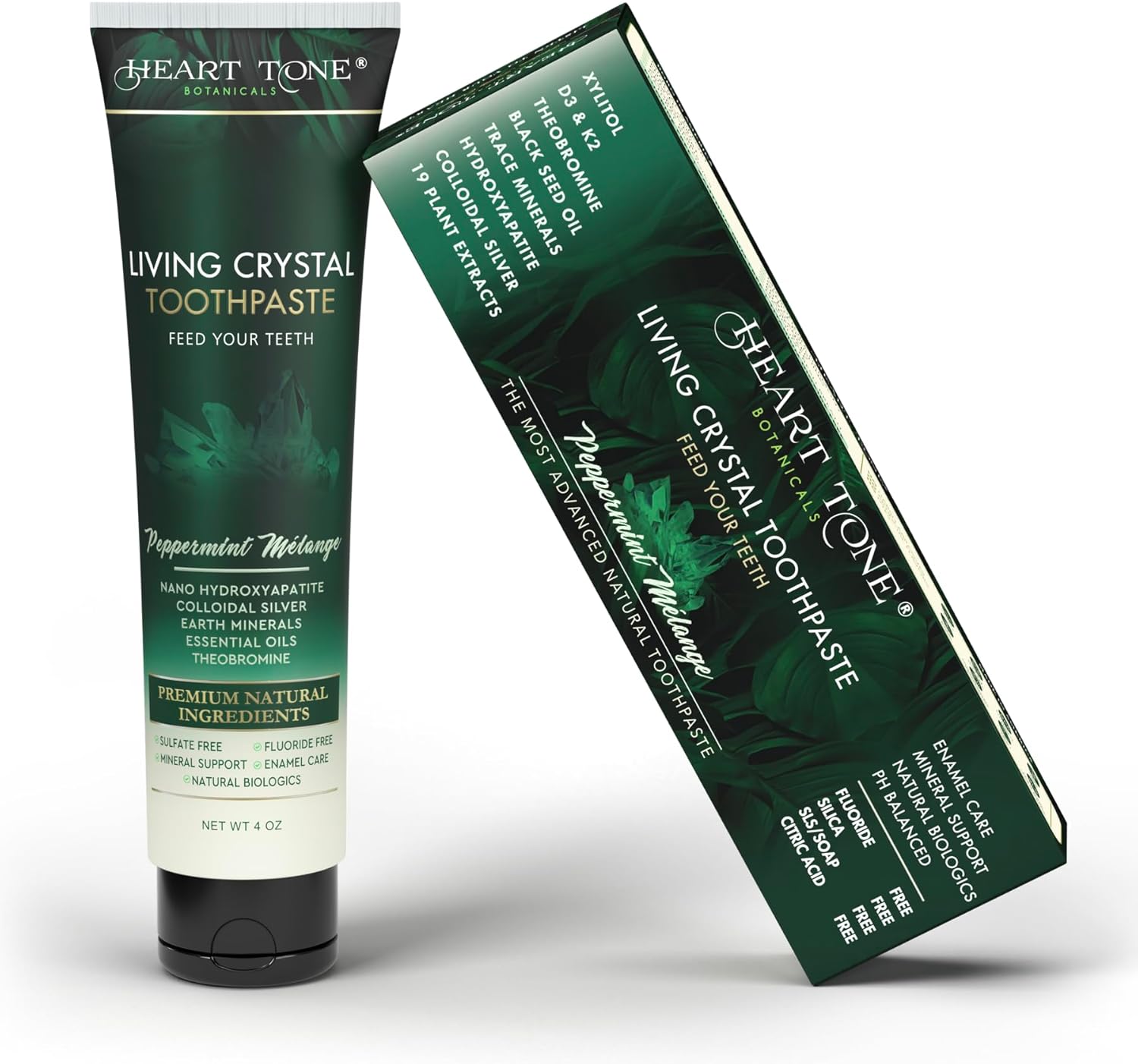
Living Crystal Toothpaste combines colloidal silver with spherical mHAp, theobromine, xylitol, and zeolite in one formula — covering both sides of what fluoride does, without it.
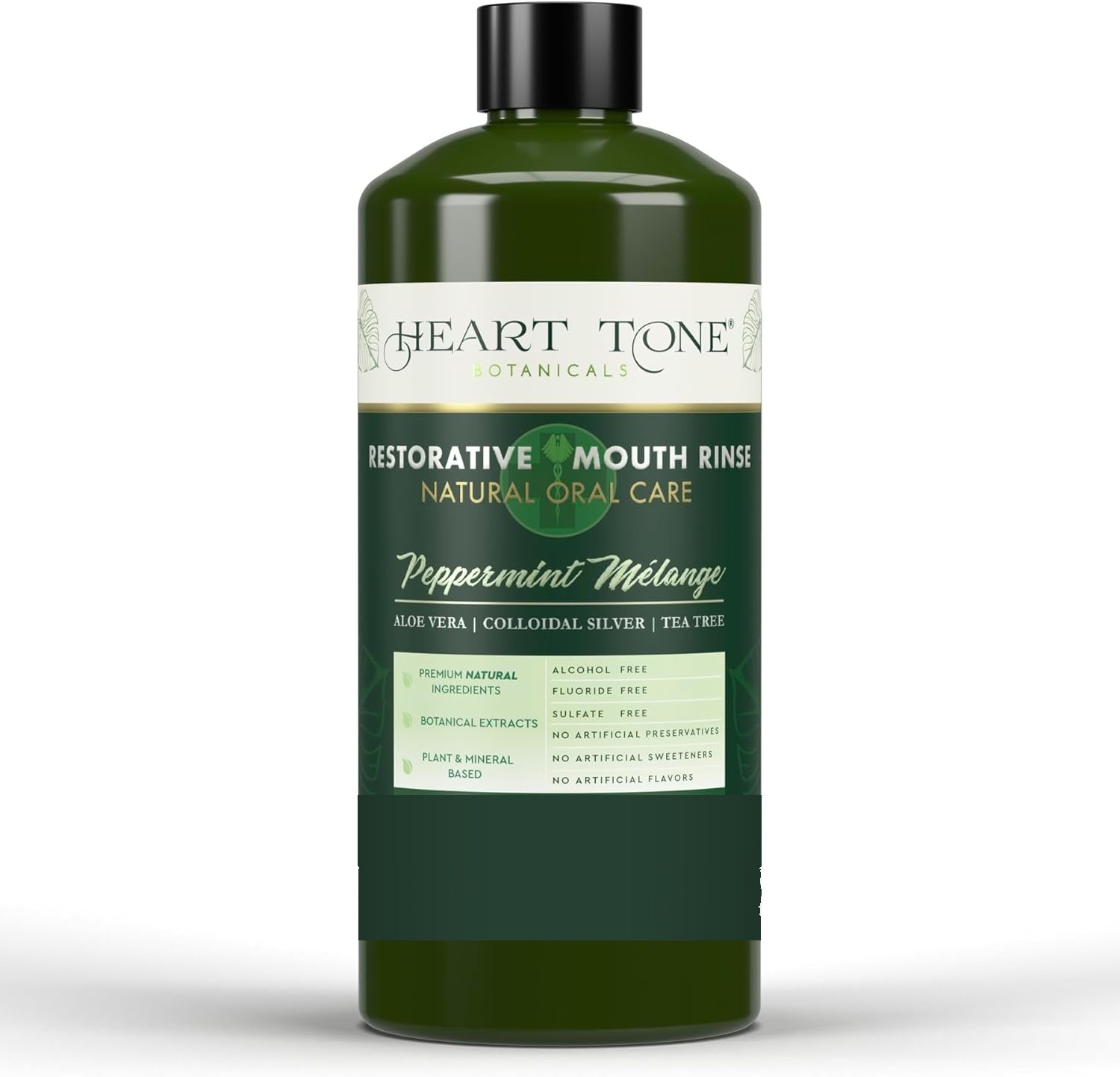
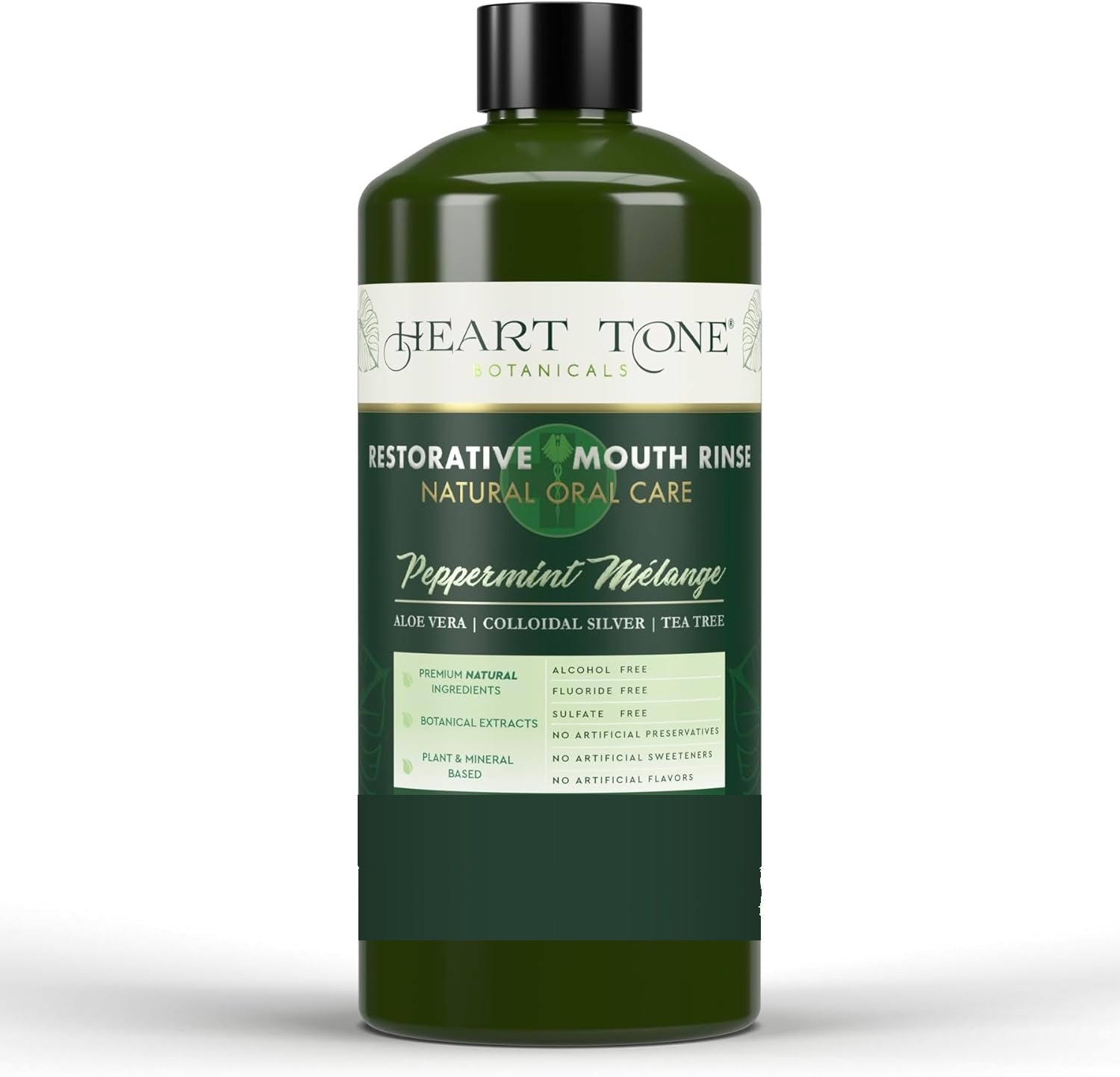
For a mouthwash that leads with colloidal silver, the Restorative Mouth Rinse uses 22 botanical ingredients built around a colloidal silver base — with colloidal zinc as a synergistic partner. Together they create a mineral rinse environment that supports the work your toothpaste starts.
Is Colloidal Silver Safe in Oral Care?
At the concentrations used in quality oral care products — and used topically, not swallowed in large amounts — colloidal silver is considered safe. The argyria concerns that made headlines involved people consuming large quantities of ionic silver solutions over extended periods. That's a different use case entirely.
The FDA has not approved colloidal silver as a drug for internal use. But as a topical oral care ingredient used in rinse-and-spit applications, it occupies the same regulatory space as xylitol, essential oils, and botanical extracts — a functional ingredient in a cosmetic/oral care product, not a drug claim.
The Bottom Line
Colloidal silver doesn't reverse cavities. But the research supports its role as an antimicrobial that disrupts the bacterial environment cavities need to form — particularly against Streptococcus mutans, the primary cavity-causing organism.
As part of a complete fluoride-free oral care routine — alongside micro-hydroxyapatite, theobromine, and xylitol — colloidal silver addresses one of the key functions fluoride would otherwise handle: keeping the oral bacterial population in check.
The best cavity prevention isn't one ingredient. It's a daily environment that's inhospitable to the bacteria that cause decay. Colloidal silver is one piece of that.
If you're building a fluoride-free routine and want to understand the full ingredient stack, start with how colloidal silver works in toothpaste — and the full breakdown of Living Crystal's mineral formula.
→ See Living Crystal Toothpaste
→ See Restorative Mouth Rinse

Leave a comment
This site is protected by hCaptcha and the hCaptcha Privacy Policy and Terms of Service apply.