

Witch hazel has a long history in herbal medicine — but what happens when you put it in your mouth? People searching "can you use witch hazel as mouthwash" are asking a genuinely reasonable question. Witch hazel is astringent, antimicrobial, and plant-derived. On the surface, it sounds like a natural fit for oral care.

The reality is more nuanced — and once you understand what witch hazel actually does (and doesn't do) for your mouth, you'll have a clearer picture of what a truly functional botanical mouthwash looks like.
What Is Witch Hazel, and Why Do People Try It as Mouthwash?
Witch hazel (Hamamelis virginiana) is a shrub native to North America, and its bark and leaves have been used in traditional herbal medicine for centuries. The distilled liquid extract — the kind you find in most stores — contains tannins, flavonoids, and polyphenols that give it notable astringent and anti-inflammatory properties.
Topically, witch hazel is well-established. It's used for minor skin irritation, bruising, and as an aftershave or toner. Its ability to temporarily tighten tissue and reduce surface inflammation makes it popular in natural skincare.
When people wonder whether witch hazel works as a mouthwash, they're usually reaching for one of those same effects: tightening swollen gum tissue, reducing inflammation, or clearing bacteria from the oral cavity.
The logic isn't wrong — but the application needs a closer look.
Does Witch Hazel Have Antimicrobial Properties?
Yes, to a degree. Witch hazel has demonstrated antimicrobial activity in laboratory settings, particularly against gram-positive bacteria. The tannins in witch hazel can disrupt bacterial cell membranes and inhibit their activity at sufficient concentrations.
However, most commercially available witch hazel is heavily diluted — and the distillation process removes many of the active polyphenols that drive its antimicrobial effects. Store-bought witch hazel is typically 14% or less tannin content, diluted in water and often preserved with alcohol.
For routine oral use, this is worth knowing: the antimicrobial punch you're counting on may not survive dilution and formulation.
Is Witch Hazel Safe to Use in the Mouth?
Here's where the conversation gets important. Most herbalists and oral health practitioners advise caution with regular witch hazel rinsing, for a few reasons:
- Alcohol content — Many witch hazel extracts contain isopropyl alcohol or ethanol as preservatives. Alcohol-based mouthwashes are a known contributor to oral dryness, altered taste, and disrupted oral microbiome balance. If you're using witch hazel as a mouthwash to avoid the alcohol in conventional rinses — check the label carefully first.
- Tannin astringency — The astringency that makes witch hazel effective on skin can be irritating to delicate oral tissues, especially with repeated use. Gum tissue is more sensitive than cheek or forehead skin.
- No fluoride or proven remineralizers — Using witch hazel as a full mouthwash replacement means skipping whatever active ingredients your mouthwash would otherwise provide. For people concerned about enamel health or mineral support, this is a notable gap.
Short-term or occasional use — like dabbing diluted witch hazel on a canker sore or gum irritation — is generally considered safe. The concern is using it as a daily oral rinse replacement without considering what you're trading off.
What Herbalists Traditionally Recommend for Oral Care Instead
Witch hazel's closest botanical relatives in traditional oral herbalism are plants that address similar goals — astringency, gum support, antimicrobial action — but with a stronger track record specifically for oral use.
Two that come up repeatedly in herbal oral care traditions are rhatany root (Krameria triandra) and myrrh resin (Commiphora myrrha).

Rhatany root is a South American botanical with high tannin content — higher than witch hazel — and has been used in European herbal pharmacopoeias specifically for gum care. Unlike witch hazel, rhatany has a documented history of oral application, with traditional use for gingival support and strengthening loose or inflamed gum tissue.
Myrrh CO2 extract has a 5,000-year track record in oral medicine, from ancient Egyptian dental remedies to Ayurvedic toothpastes. Its resin contains terpenoids and sesquiterpenes that support gum health and oral microbiome balance — and it's formulated specifically for oral use across many traditional systems.
If you're exploring witch hazel because you want a more herbal, astringent oral rinse — these two botanicals are where the real oral care tradition lives.
What a Genuinely Botanical Mouthwash Contains
The herbs that show up in serious botanical mouthwash formulas aren't random. They're selected for specific roles in oral health — and the best formulas layer multiple mechanisms rather than relying on a single astringent ingredient.
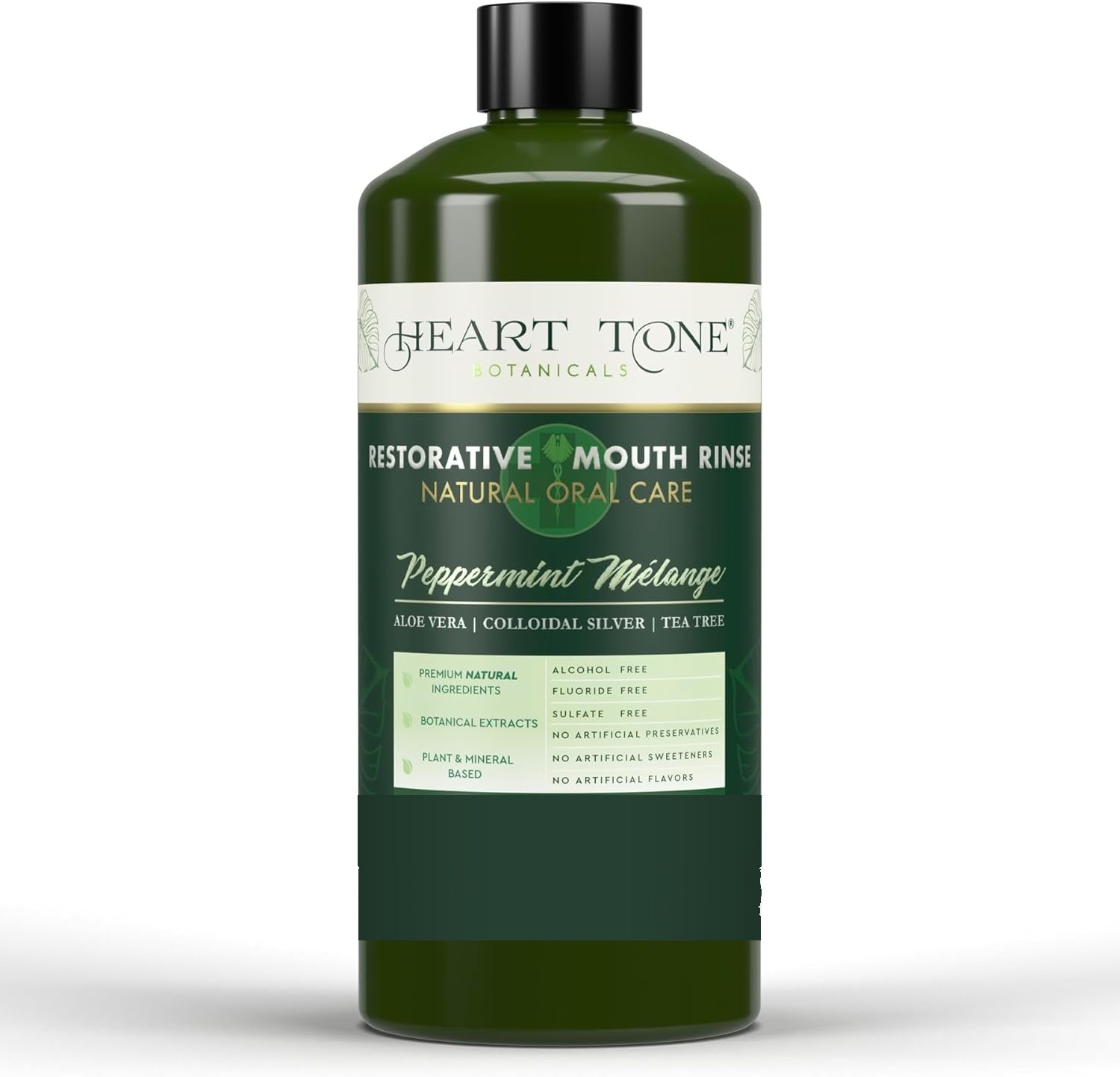
At Heart Tone Botanicals, the Restorative Mouth Rinse was built on 22 botanical ingredients with exactly this philosophy: each ingredient earns its place. The formula includes:
- Colloidal Silver — the backbone of the formula, used in natural oral care for centuries as a botanical mineral active
- Farm-grown Aloe Vera — soothing, pH-supporting, grown on the biodynamic Heart Tone farm in Vero Beach, FL
- Rhatany Root — the traditional oral astringent, included specifically for its gum-support heritage
- Myrrh CO2 — ancient resin, CO2-extracted for full-spectrum botanical potency
- Licorice Root CO2 — soothing oral herb with roots in Chinese and Ayurvedic medicine
- Peppermint, Spearmint, Cornmint & Wintergreen — a layered mint mélange for genuine freshness (not synthetic fragrance)
- Tea Tree Essential Oil — widely used botanical in natural wellness formulas
- Colloidal Zinc — mineral support, partnered with colloidal silver for a complete mineral rinse
- Xylitol — birch-derived, oral-environment supporting
No alcohol. No SLS. No synthetic antiseptics. Just a full-spectrum botanical formula designed around what traditional oral care herbalism actually reached for.
If you want astringent, antimicrobial, and botanical — rhatany root and myrrh in a properly formulated mouthwash is what herbalists actually used. Witch hazel was for your face.
So Can You Use Witch Hazel as Mouthwash?
Technically, yes — an occasional rinse with diluted, alcohol-free witch hazel extract is unlikely to cause harm. Some people use it as a short-term remedy for gum swelling or minor oral irritation, and there's a reasonable botanical rationale for that.
As a daily mouthwash replacement? It's not the strongest choice. The formulation challenges (alcohol, tannin dilution, lack of oral-specific actives) mean you'd likely get better results from a mouthwash built on botanicals with a genuine oral care heritage.
If you're moving away from conventional antiseptic rinses toward something plant-based and functional, the better path is a formula that uses the botanicals herbalists actually developed for the mouth — rhatany, myrrh, licorice root, colloidal silver — not a skincare astringent repurposed as a rinse.
That's exactly what the Restorative Mouth Rinse was formulated to be.
→ Read: Best Mouthwash for Receding Gums — Natural Ingredients That Help
→ Read: Colloidal Silver Mouthwash — What It Does and How to Choose One
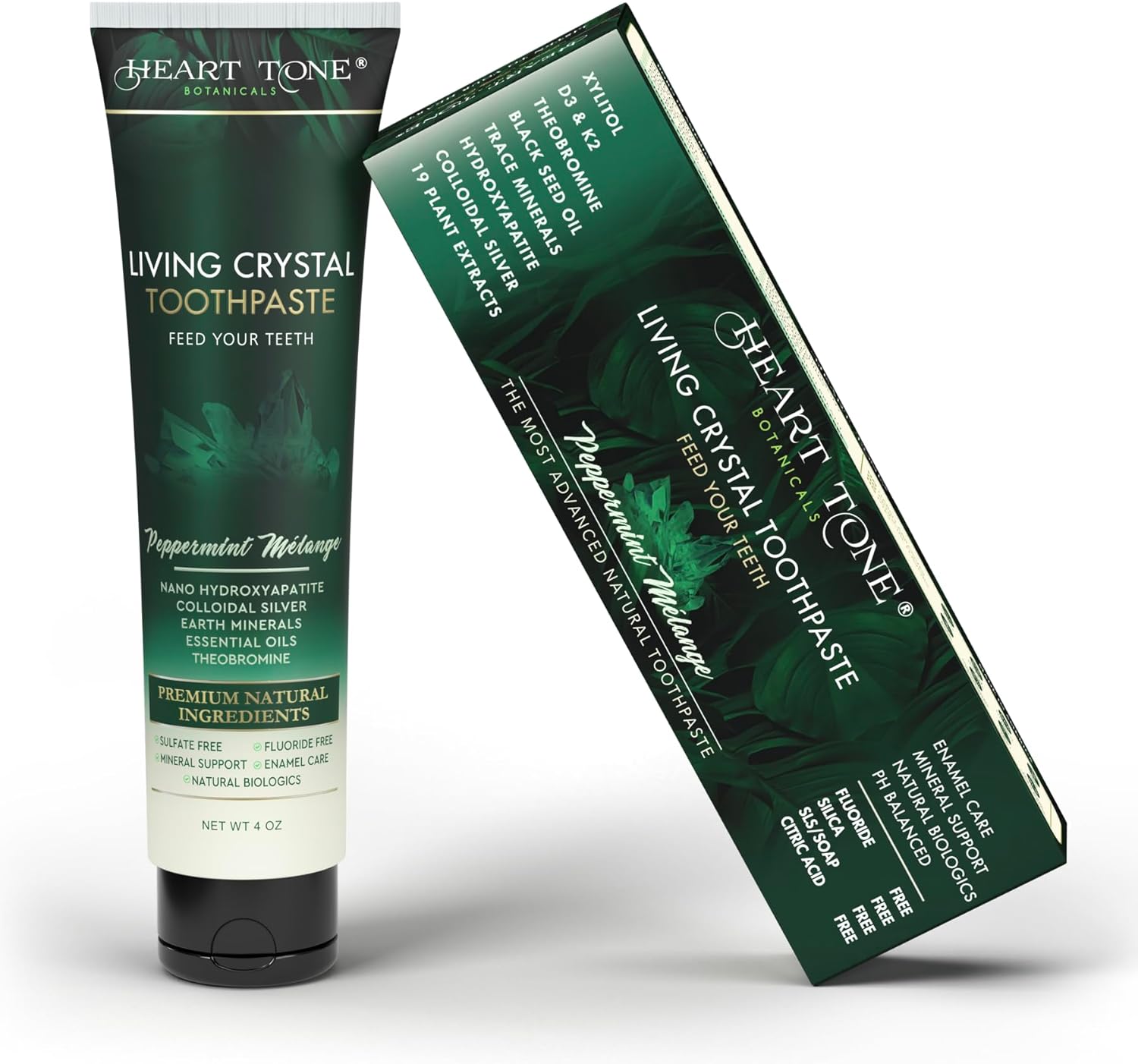
→ Shop the Full Oral Care Collection

Leave a comment
This site is protected by hCaptcha and the hCaptcha Privacy Policy and Terms of Service apply.