

Most mouthwashes look clean on the outside — "fresh," "natural," "gentle." But flip the bottle around and you'll find alcohol, artificial sweeteners, synthetic dyes, and preservatives you can't pronounce.

If you're looking for a mouthwash with truly natural ingredients — one that freshens breath, supports gum health, and skips the harsh chemistry — here's exactly what to look for, and why each ingredient earns its place.
Why Natural Mouthwash Ingredients Matter
Your mouth is a living ecosystem. Alcohol-based rinses and harsh antiseptics don't discriminate — they wipe out the beneficial bacteria that protect your teeth and gums alongside the harmful ones. Over time, this can contribute to dry mouth, rebound bacteria growth, and tissue irritation.
Natural mouthwash ingredients work differently. They target problem bacteria and soothe inflamed tissue without stripping your oral microbiome bare.
The goal isn't sterilization. It's balance — reducing harmful bacteria while supporting the conditions where healthy tissue can thrive.
The Core Natural Mouthwash Ingredients Worth Knowing
1. Aloe Vera
Aloe vera is one of the most well-studied botanical ingredients in oral care. Research published in the Journal of Indian Society of Periodontology found aloe vera gel to be as effective as chlorhexidine (a prescription-strength rinse) in reducing Streptococcus mutans — one of the primary bacteria behind tooth decay and gum disease.
In a mouthwash, aloe vera does three things:
- Soothes inflamed gum tissue
- Provides antimicrobial action without alcohol
- Helps retain moisture — critical for people prone to dry mouth
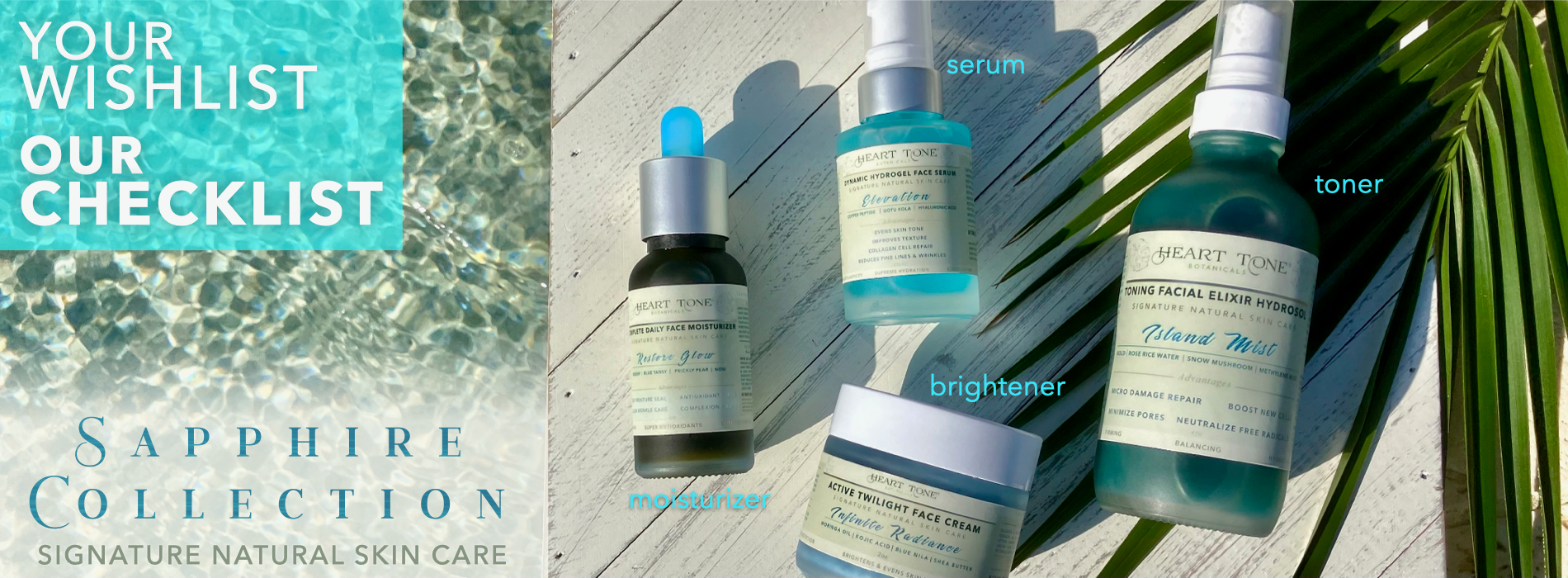
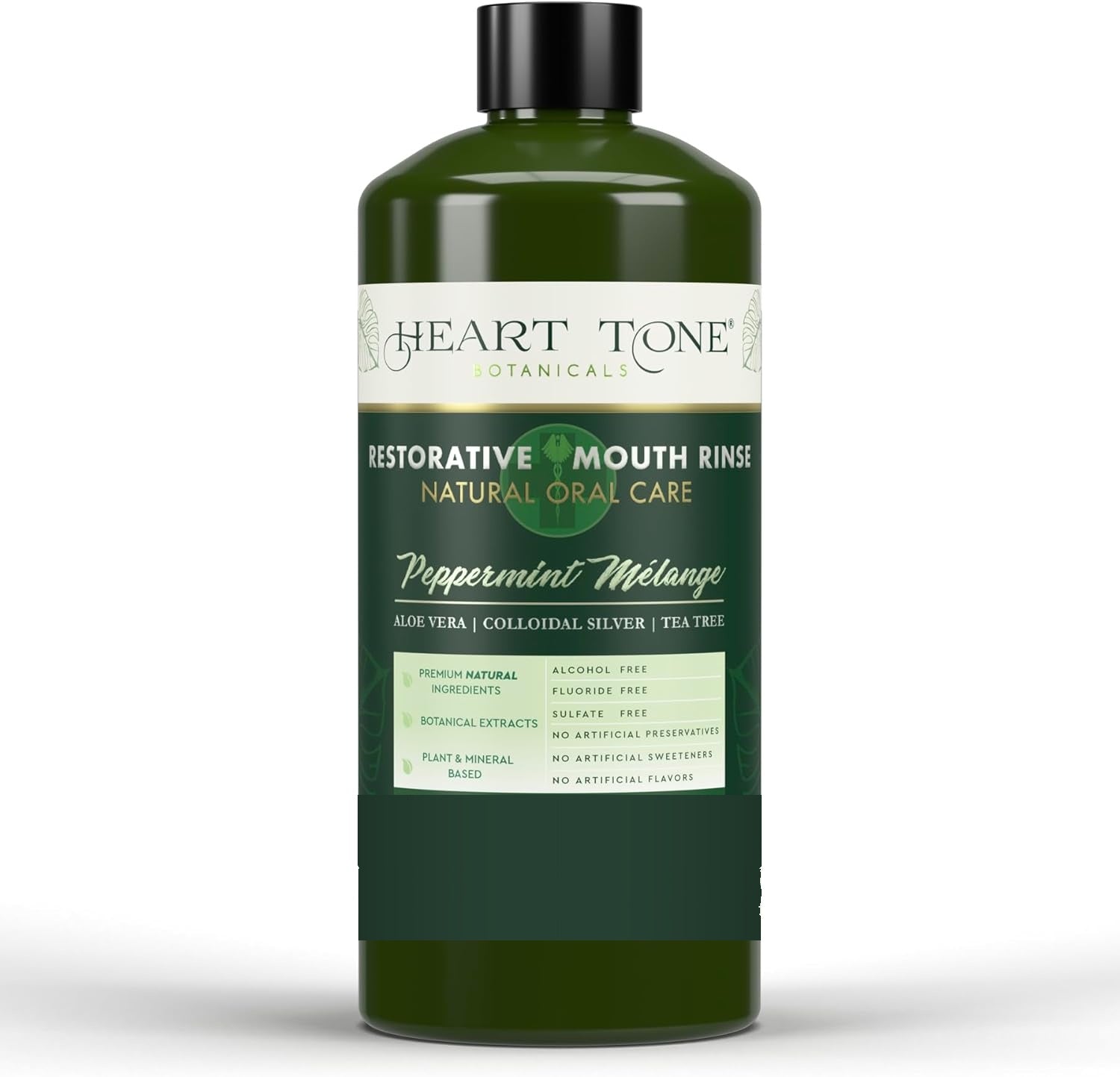
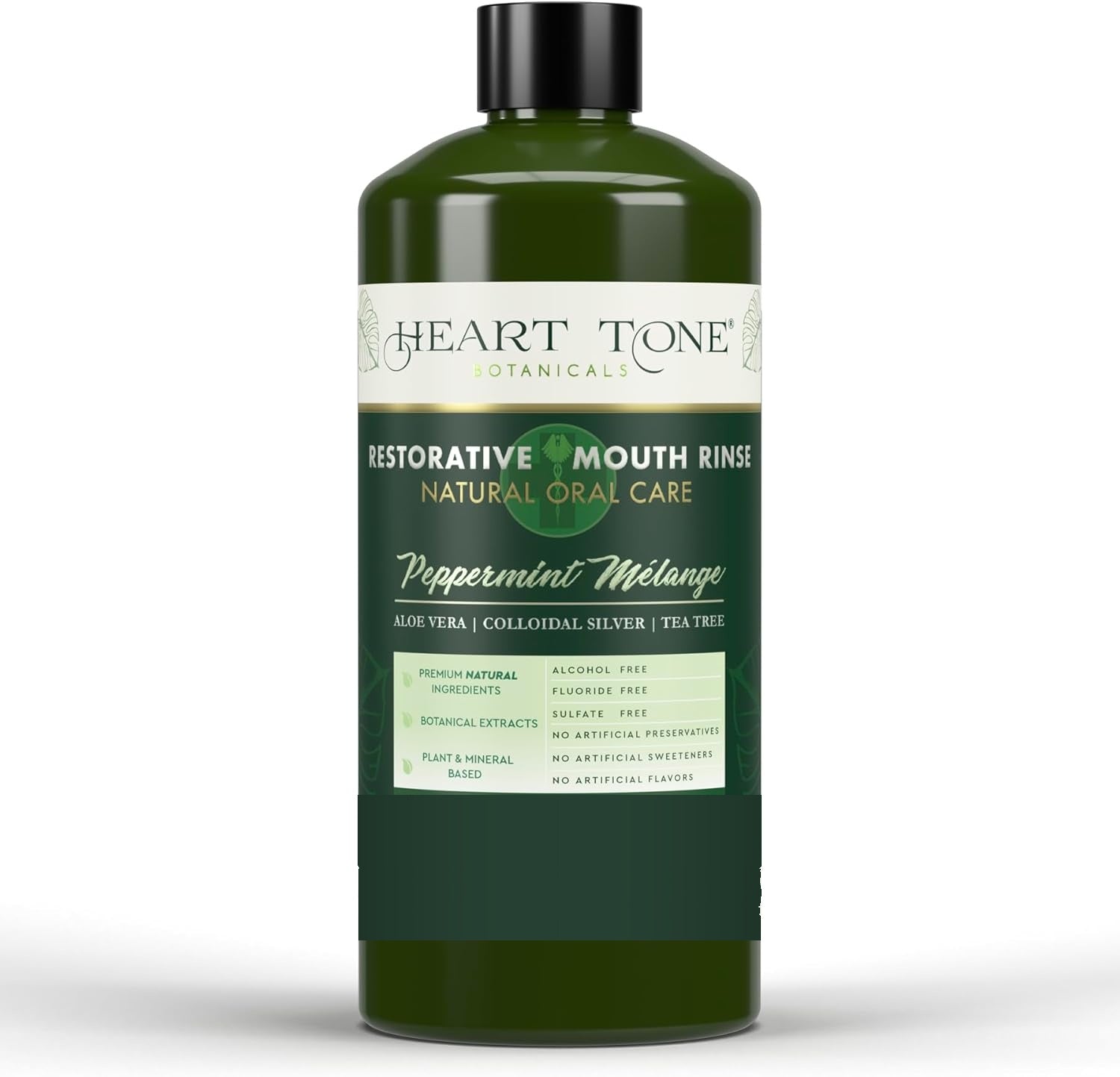
It's an anchor ingredient in Heart Tone Botanicals' Restorative Mouth Rinse, where it works alongside other botanicals rather than in isolation.
2. Colloidal Silver
Colloidal silver has been used in medicine for centuries, and modern research is beginning to explain why. Silver ions interfere with bacterial cell membranes and enzyme function, making it effective against a broad spectrum of oral pathogens — including those resistant to conventional antiseptics.
A 2019 study in Nanomaterials demonstrated silver nanoparticles' effectiveness against biofilm-forming oral bacteria, including Streptococcus mutans and Candida albicans.
In a natural mouthwash formula, colloidal silver provides meaningful antimicrobial action without the tissue-drying or microbiome-disrupting effects of alcohol. Used at appropriate concentrations — as in formulations designed for daily rinse — it's a smart, clean antimicrobial.
3. Spearmint and Peppermint Essential Oils
These aren't just about flavor. Mint essential oils contain naturally occurring compounds — menthol, carvone, and limonene — that are genuinely antimicrobial.
Research in the Journal of Applied Microbiology has shown peppermint oil inhibits the growth of Staphylococcus aureus, E. coli, and several Candida species. In oral care, this translates to real reductions in bad breath bacteria and improved overall freshness that lasts.
Spearmint brings a gentler, slightly sweeter profile than peppermint — which is why many people with sensitive mouths find natural mint-based rinses more tolerable than the sharp burn of alcohol formulas.
4. Xylitol
Xylitol is a naturally occurring sugar alcohol (found in birch bark and many vegetables) that Streptococcus mutans cannot metabolize. This is significant: the bacteria that cause tooth decay actually absorb xylitol, but can't use it for energy — effectively starving them.

Multiple clinical studies show that xylitol reduces plaque formation, lowers acid production in the mouth, and inhibits bacterial adhesion to tooth surfaces. It's one of the few "sweet" ingredients that's genuinely good for your teeth.
In mouthwash, xylitol also contributes pleasant mouthfeel without artificial sweeteners.
5. Vegetable Glycerin
Glycerin from vegetable sources acts as a humectant — it draws moisture and holds it at the tissue level. For people who struggle with dry mouth (a surprisingly common issue that increases cavity risk), glycerin in a mouthwash is a meaningful comfort ingredient.
It also contributes to the smooth, non-harsh texture that separates well-formulated natural rinses from watery DIY alternatives.
What a Good Natural Mouthwash Formula Leaves Out
Knowing what's not in a clean mouthwash is equally important. Here's what to avoid:
- Alcohol (ethanol) — Dries mouth tissue, disrupts microbiome, causes burning sensation. No functional benefit over alcohol-free alternatives.
- Artificial dyes (Blue 1, Yellow 5) — No oral health benefit. Purely cosmetic, and synthetic colorants have associated sensitivity concerns.
- Saccharin or aspartame — Artificial sweeteners with no benefit to teeth. Xylitol is a cleaner, actively beneficial alternative.
- Sodium lauryl sulfate (SLS) — A foaming agent that can irritate oral tissues and exacerbate canker sores in sensitive individuals.
- Polysorbate 80 — An emulsifier with no benefit in rinse-and-spit formulations.
How to Read a Mouthwash Label
Ingredient lists are written in descending order of concentration. Water (aqua) is almost always first. After that, look for:
- Recognizable botanicals: aloe barbadensis, mentha piperita (peppermint), mentha viridis (spearmint)
- Active antimicrobials: colloidal silver, thymol, eucalyptol, or essential oil blends
- Beneficial sweeteners: xylitol listed before any artificial alternatives
- Short, readable list — fewer unrecognizable entries means a cleaner formula
How Natural Mouthwash Fits Into a Complete Oral Routine
Natural mouthwash works best as the final step in an oral care routine — after brushing with a remineralizing toothpaste and flossing. The rinse phase reaches areas between teeth and along the gumline that brushing alone can't access.
For people managing gum sensitivity, the botanical anti-inflammatory ingredients in a well-formulated rinse can provide cumulative benefit over time — reducing tissue irritation, supporting the microbiome, and freshening breath without the post-rinse dryness that alcohol formulas leave behind.
If you're already practicing oil pulling as part of your morning routine, a natural rinse after your pull session can help clear residual debris and leave a clean, fresh baseline before your day begins.
The Bottom Line on Natural Mouthwash Ingredients
A genuinely clean mouthwash formula should read like a botanical ingredient list — recognizable plants, essential oils, and minerals doing real work. Aloe vera, colloidal silver, spearmint, peppermint, and xylitol aren't marketing words. They're well-researched ingredients with documented mechanisms of action in oral health.
If your current mouthwash has a neon color, a burning sensation, and an ingredient list that reads like a chemistry textbook, it might be time to make a switch.
Heart Tone Botanicals' Restorative Mouth Rinse is formulated around exactly these principles — real botanicals, no alcohol, no artificial dyes, no synthetic sweeteners. Grown and crafted on a biodynamic farm in Vero Beach, Florida.
Shopping Specifically for a Fluoride-Free Mouthwash?
If your main goal is finding a fluoride-free mouthwash that still feels substantial enough for daily use, start with a formula that is also alcohol-free and built around real botanical support. We put together a full guide here: Fluoride-Free Mouthwash: What to Look For in a Natural Daily Rinse. It breaks down what matters most when comparing rinse formulas and why ingredient depth matters more than a simple "free from" claim.
If gum support is part of the equation too, pair that guide with Natural Mouthwash for Gum Disease so you can compare daily-use ingredients in a more targeted way.

Leave a comment
This site is protected by hCaptcha and the hCaptcha Privacy Policy and Terms of Service apply.