

Most mouthwashes smell clean and leave your mouth tingling — but what's actually doing the work? If you've been searching for an alcohol-free rinse that genuinely supports gum health, freshens breath, and skips the harsh chemicals, aloe vera mouthwash deserves a serious look.

Aloe vera has been used in traditional medicine for centuries. In recent years, oral health researchers have started catching up — and the results are compelling. Here's what the science says, and why a botanical rinse built around aloe can outperform the alcohol-based options on most store shelves.
What Is Aloe Vera Mouthwash?
An aloe vera mouthwash is a botanical mouth rinse formulated with aloe vera gel or extract as a primary functional ingredient. Unlike conventional mouthwashes that rely on alcohol, chlorhexidine, or synthetic antiseptics to kill bacteria, aloe vera works through a different mechanism — it modulates inflammation, supports the oral mucosa, and provides gentle antimicrobial activity without stripping your mouth's natural defenses.
The result is a rinse that feels different. Softer. Less aggressive. And for people with sensitive gums, dry mouth, or reactive oral tissue, that distinction matters enormously.
The Science Behind Aloe Vera and Oral Health
Aloe vera contains several bioactive compounds that benefit the mouth directly:
- Acemannan — a polysaccharide with documented anti-inflammatory and wound-healing properties. Studies show it supports gum tissue repair and reduces bleeding in patients with gingivitis.
- Anthraquinones — natural compounds with antibacterial activity against common oral pathogens including S. mutans (the primary cavity-causing bacteria) and periodontal bacteria.
- Aloin and emodin — compounds that inhibit biofilm formation, reducing plaque buildup without disrupting the oral microbiome the way alcohol does.
- Vitamins C and E — antioxidants that protect gum tissue from oxidative stress and support collagen production in the gum line.
A 2016 study published in the Journal of Indian Society of Periodontology found that aloe vera mouthwash was as effective as chlorhexidine (the gold standard prescription rinse) in reducing plaque and gingivitis over 30 days — without the side effects like tooth staining and taste disruption that chlorhexidine is known for.
That's not a minor finding. Chlorhexidine is what dentists prescribe post-surgery and for serious gum disease. Matching its performance with a plant-based ingredient that has zero known side effects is a significant result.
Aloe Vera for Bad Breath: Does It Actually Work?
Bad breath (halitosis) comes from one of two sources: bacteria on the tongue and gum line producing sulfur compounds, or dryness in the mouth that allows those bacteria to proliferate unchecked.
Aloe vera addresses both pathways.
Its antibacterial properties reduce the bacterial load responsible for odor. But more importantly for chronic bad breath sufferers, aloe vera is deeply hydrating to oral mucosa. Dry mouth is one of the leading causes of persistent halitosis — and it's a condition that alcohol-based mouthwashes actively make worse by dehydrating tissue with every rinse.
A botanical rinse with aloe vera does the opposite: it hydrates, soothes, and creates an environment less hospitable to the odor-causing bacteria that thrive in dry conditions.
What to Look for in an Aloe Vera Mouthwash
Not all aloe vera mouthwashes are created equal. Here's what separates an effective botanical rinse from a product that just lists aloe vera on the label:
1. Alcohol-Free Formula
Alcohol is drying and disruptive to the oral microbiome. A true aloe vera mouthwash should be 100% alcohol-free. If alcohol appears in the first five ingredients, the aloe is probably a secondary afterthought.
2. Real Botanical Extracts, Not Artificial Flavors
The fresh, clean feeling you want from a rinse should come from peppermint, spearmint, wintergreen — real botanicals, not synthetic fragrance compounds. Look for essential oil sourcing in the ingredient list.
3. A pH-Balanced Formula
Your mouth has a natural pH range of 6.5–7.5. Rinses that are too acidic or too alkaline disrupt this balance and can weaken enamel over time. A pH-balanced mouthwash protects enamel while still doing its job.
4. Complementary Botanicals
Aloe vera works best when paired with other functional plant ingredients. Look for colloidal silver (antimicrobial), peppermint (antimicrobial + breath freshening), and other herbal extracts that support the oral microbiome rather than demolishing it.
Farm-Grown Aloe Vera: Why Sourcing Matters
Here's something most natural personal care brands won't tell you: aloe vera quality varies enormously depending on how and where it's grown.

Commercial aloe vera is often processed, pasteurized, and reconstituted from powder — which degrades the acemannan and other bioactive compounds that make it effective. By the time it reaches your mouthwash bottle, it may have little resemblance to raw aloe vera gel.
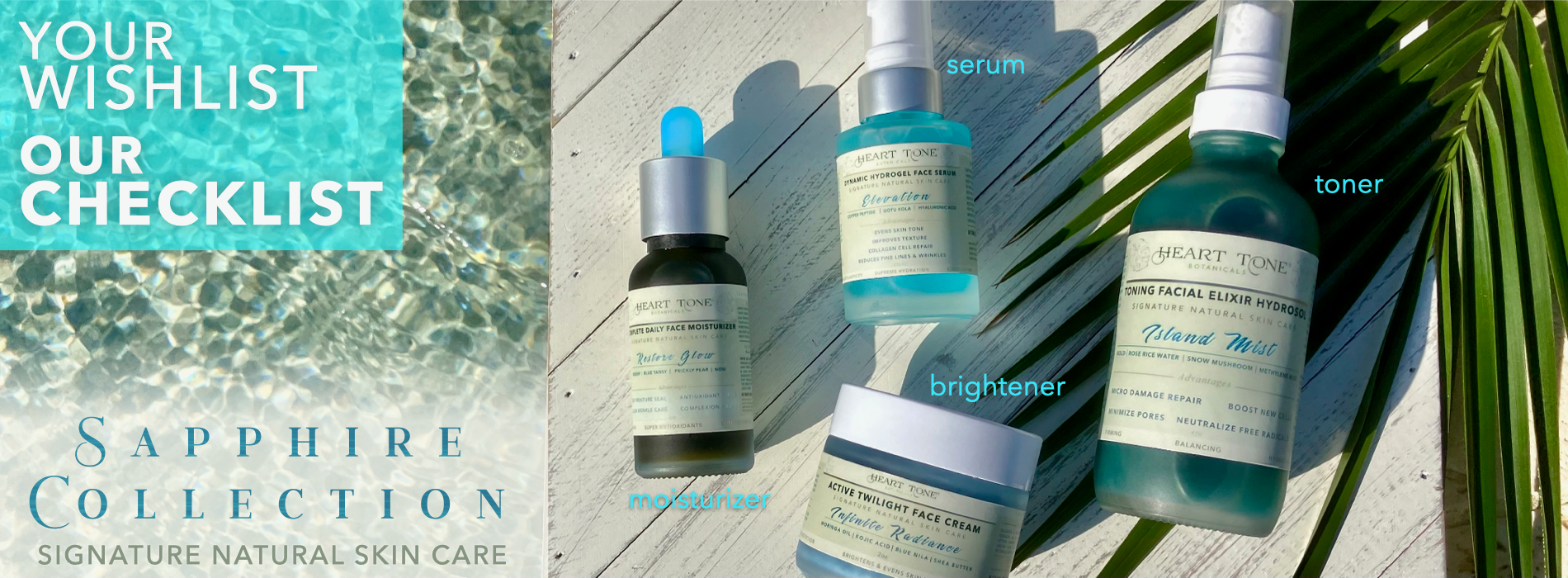
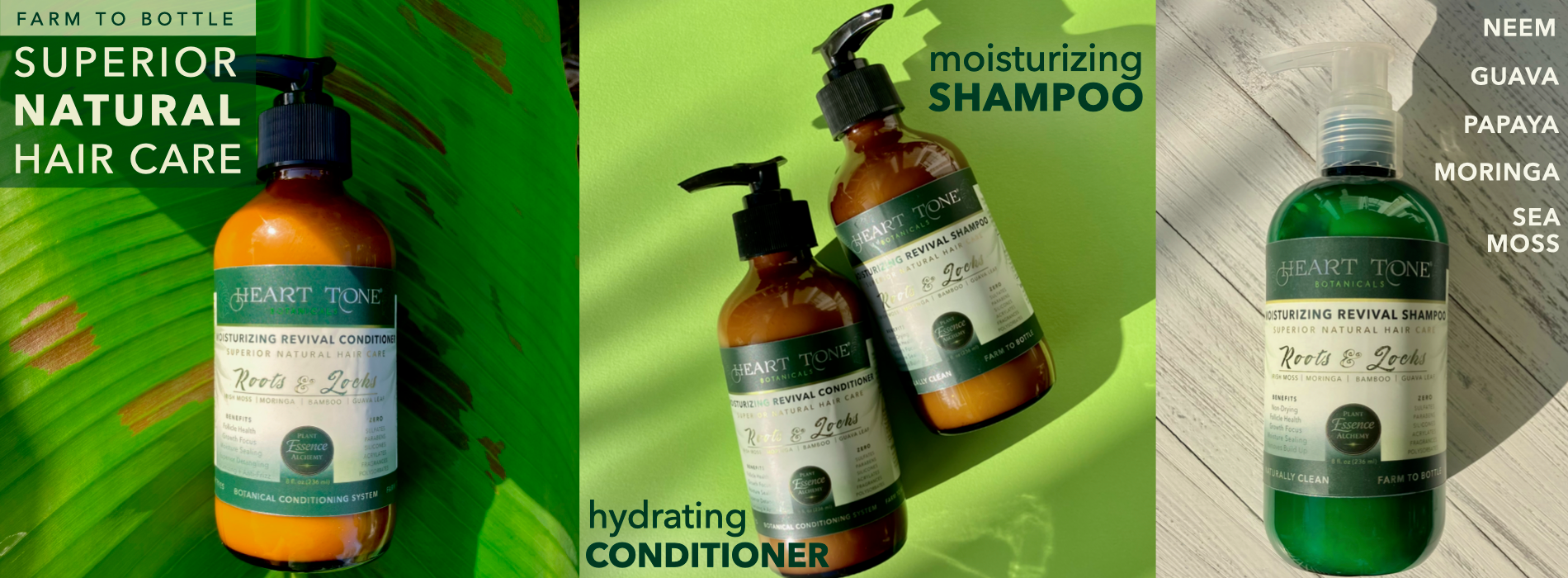
At Heart Tone Botanicals, we grow our own aloe vera on our biodynamic farm in Vero Beach, Florida — pesticide-free, harvested fresh, and incorporated into our formulas without synthetic additives. Our farm sits on Florida's Treasure Coast, where the climate allows aloe to thrive year-round. What goes into our rinse is as close to the plant as you can get without growing it yourself.
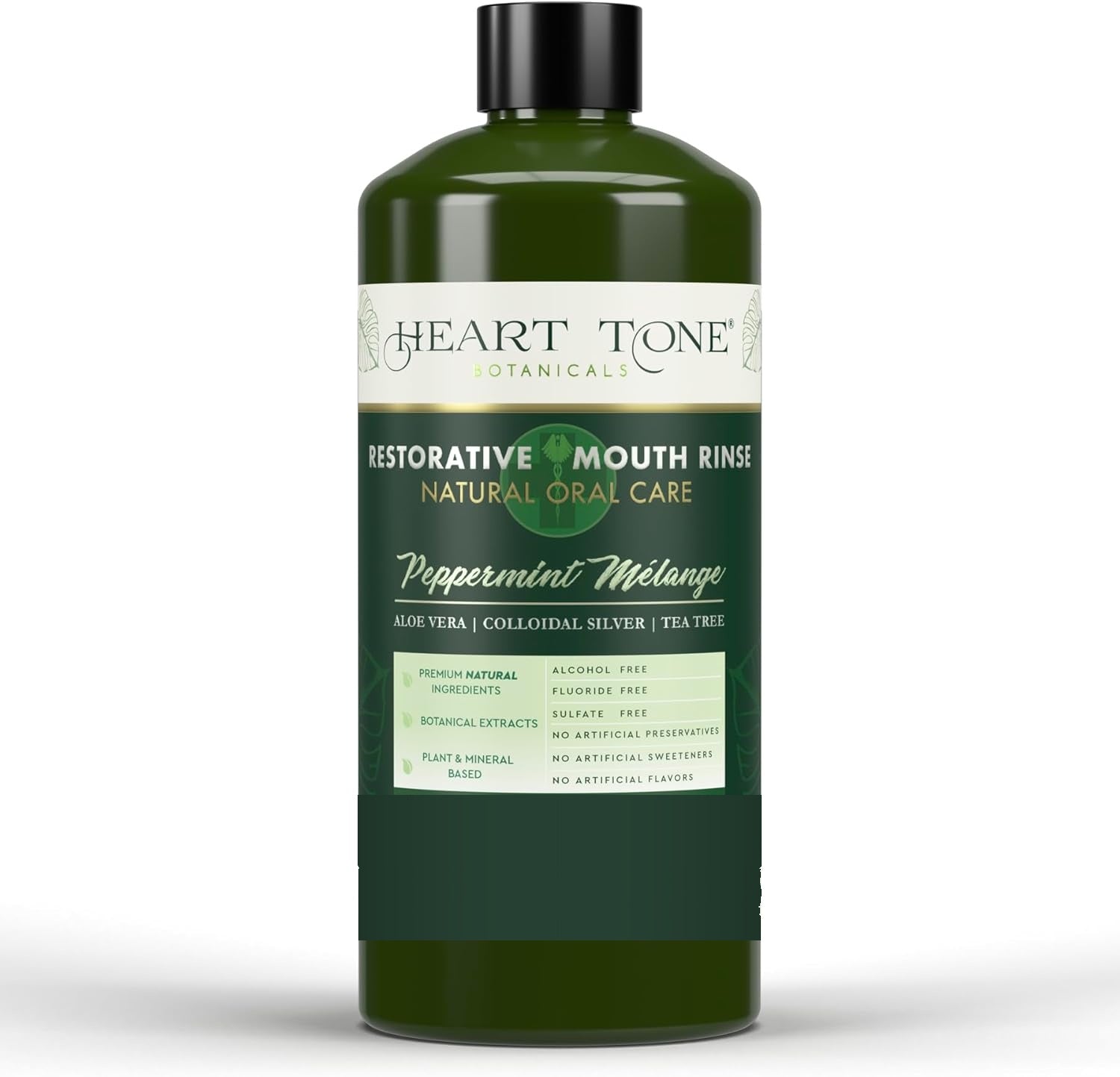
That sourcing difference is why our Restorative Mouth Rinse is built around farm-grown botanicals including aloe vera, combined with colloidal silver and a full blend of 18 plant extracts — all in an alcohol-free, pH-balanced formula designed for daily use.
How to Use an Aloe Vera Mouthwash
Using a botanical rinse is straightforward, but timing and technique affect results:
- After brushing and flossing — rinsing last maximizes contact time with clean surfaces
- 30 seconds minimum, 60 seconds ideal — swish actively to reach between teeth and along the gum line
- Don't rinse with water after — let the botanical ingredients stay in contact with tissue for maximum benefit
- Once or twice daily — morning and evening, in sync with your brushing routine
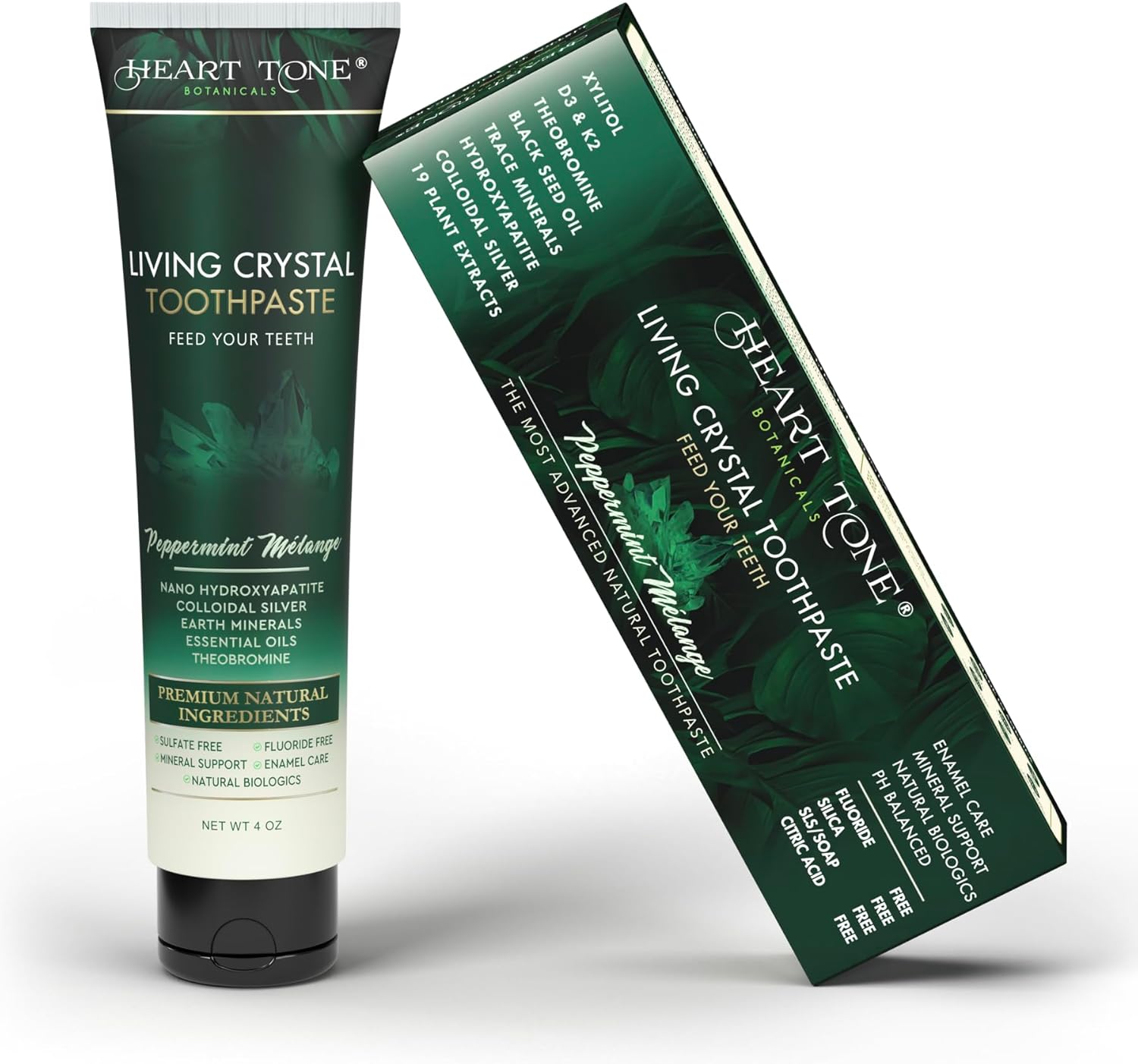
For best results, pair your botanical rinse with a remineralizing toothpaste that works synergistically with your rinse rather than against it. A fluoride-free, hydroxyapatite-based formula like our Living Crystal Toothpaste gives your mouth a complete natural oral care system.
Aloe Vera Mouthwash vs. Chlorhexidine: When to Use Each
Chlorhexidine is a prescription-grade antimicrobial recommended for post-surgical recovery, active gum disease treatment, and other clinical situations. It's effective but comes with real trade-offs: brown tooth staining, altered taste perception, and disruption of healthy oral bacteria.
An aloe vera botanical mouthwash is not a replacement for chlorhexidine when a dentist has prescribed it. But for everyday maintenance — keeping gums healthy, freshening breath, supporting your oral microbiome — a botanical rinse is a gentler, more sustainable long-term choice.
Think of it this way: chlorhexidine is the prescription antibiotic. Aloe vera mouthwash is the daily probiotic. Both have their place, but you don't take antibiotics every morning for the rest of your life.
The Bottom Line
Aloe vera mouthwash works — not because of marketing, but because of documented mechanisms: anti-inflammatory acemannan, antibacterial anthraquinones, and deep hydration that addresses the root cause of bad breath. The research backs it up, and the clinical comparison to chlorhexidine is more favorable than most people realize.
If you're ready to move away from alcohol-based rinses and toward something that actually supports your oral health, start with the botanicals your mouth was designed to work with.
→ Try the Restorative Mouth Rinse — 18 botanical extracts, farm-grown aloe vera, colloidal silver. Alcohol-free. pH-balanced. Made in small batches on our Florida farm.
Aloe Vera Mouthwash and Receding Gums
One of the most common reasons people seek out aloe vera mouthwash is gum sensitivity — and receding gums specifically. When gum tissue starts to pull back, it exposes the root surface and creates pockets where bacteria can thrive. Conventional alcohol-based mouthwashes can aggravate this by drying out the mouth and irritating already-sensitive tissue.
Aloe vera's anti-inflammatory properties make it particularly useful in this context. Multiple clinical trials have found that aloe vera gel can reduce gingival inflammation and plaque index scores comparable to chlorhexidine — without the side effects. For daily maintenance of sensitive or receding gum tissue, a gentle aloe-based formula is one of the more evidence-backed choices available without a prescription.
If you're looking for mouthwash options for receding gums specifically, see our full guide: Best Mouthwash for Receding Gums: What to Look for in a Natural Formula.
Also explore: Colloidal Silver in Oral Care: What the Research Says | Natural Mouthwash for Bad Breath: What Actually Works
Our Restorative Mouth Rinse is crafted with farm-grown aloe vera, colloidal silver, and 18 botanical extracts — no alcohol, no synthetic additives. Free shipping on orders over $75.
Shop Restorative Mouth Rinse →

Leave a comment
This site is protected by hCaptcha and the hCaptcha Privacy Policy and Terms of Service apply.