

Many people switch to natural deodorant expecting relief from irritation, only to find their skin reacts just as much — sometimes more — than it did with conventional products. The problem is rarely that natural deodorant doesn't work for sensitive skin. The problem is usually what's in it.
Understanding what your skin is reacting to is the first step toward finding something that actually feels comfortable all day.
Why Conventional Deodorant Can Feel Harsh
Conventional antiperspirants and deodorants are often formulated with aluminum compounds, synthetic fragrance blends, parabens, and alcohol. For many people — especially those with reactive or sensitive underarm skin — this combination can leave skin feeling dry, tight, or uncomfortable with daily use.
The aluminum compounds in antiperspirants work by physically interacting with sweat glands to reduce perspiration. For skin that's already prone to sensitivity, daily exposure in an area subject to clothing friction and warmth can amplify the discomfort.
Synthetic fragrances are among the most common sources of skin reactions in personal care products. The word "fragrance" on an ingredient label can represent dozens of undisclosed compounds. The underarm area is particularly vulnerable because the skin there is thin, warm, and often freshly shaved.
Why Even Some Natural Deodorants Irritate
Switching to natural deodorant doesn't automatically solve the problem. One of the most common culprits hiding inside natural formulas is baking soda.
Baking soda is highly alkaline — with a pH far above the skin's natural range. Applied daily to delicate underarm skin, it can leave some people with redness, roughness, or visible discomfort. This means a formula built on baking soda may not feel any gentler than what you left behind, even when everything else in the label looks clean.
This is why the first thing to look for in a natural deodorant for sensitive skin is simple: baking soda-free.

What to Look For Instead
A gentle botanical deodorant typically builds its formula around a different set of ingredients:
- Clay minerals — Kaolin clay, bentonite clay, and diatomaceous earth have long traditions of use in body care. They have a soft, powdery texture and are valued in botanical formulas for their moisture-absorbing qualities and comfortable feel on skin.
- Arrowroot powder — A fine plant-based starch derived from Maranta arundinacea, used as a silky, baking soda-free option for absorbing moisture and contributing to a smooth, dry feel throughout the day.
- Carrier oils — Jojoba seed oil, coconut oil, sunflower oil, and tamanu oil provide a smooth application base. These plant-derived oils have long histories in traditional body care and contribute to comfortable, non-sticky wear.
- Plant-derived waxes — Carnauba wax and beeswax give botanical deodorant its structure and a smooth glide, without the heavy residue some conventional products leave behind.
- Essential oils instead of synthetic fragrance — Formulas that use clearly named essential oils give you the full picture of what's creating the scent, so there are no hidden compounds.
What to skip: aluminum compounds, baking soda, parabens, and any fragrance listed only as "fragrance" or "parfum" without further disclosure.
The Botanical Base
Many traditional botanical deodorant formulas also include plant extracts with long histories of use in body care. Elderberry extract (Sambucus nigra), tamanu oil (Calophyllum inophyllum), neem CO2 (Azadirachta indica), and hops CO2 (Humulus lupulus) are all botanicals that have been incorporated into natural body care traditions for generations.
When a deodorant is built on this kind of plant-derived foundation, the texture and feel tend to be genuinely different from conventional formulas. It applies more smoothly, sits more comfortably on skin throughout the day, and rinses away cleanly in the shower.
Choosing Your Scent — or Going Lighter
For people with very reactive skin, even essential oils can occasionally cause sensitivity, especially at higher concentrations. If you're not sure how your skin responds to botanical fragrance, starting with a softer or more familiar scent profile — or choosing an unscented option when available — is a reasonable approach.
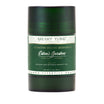
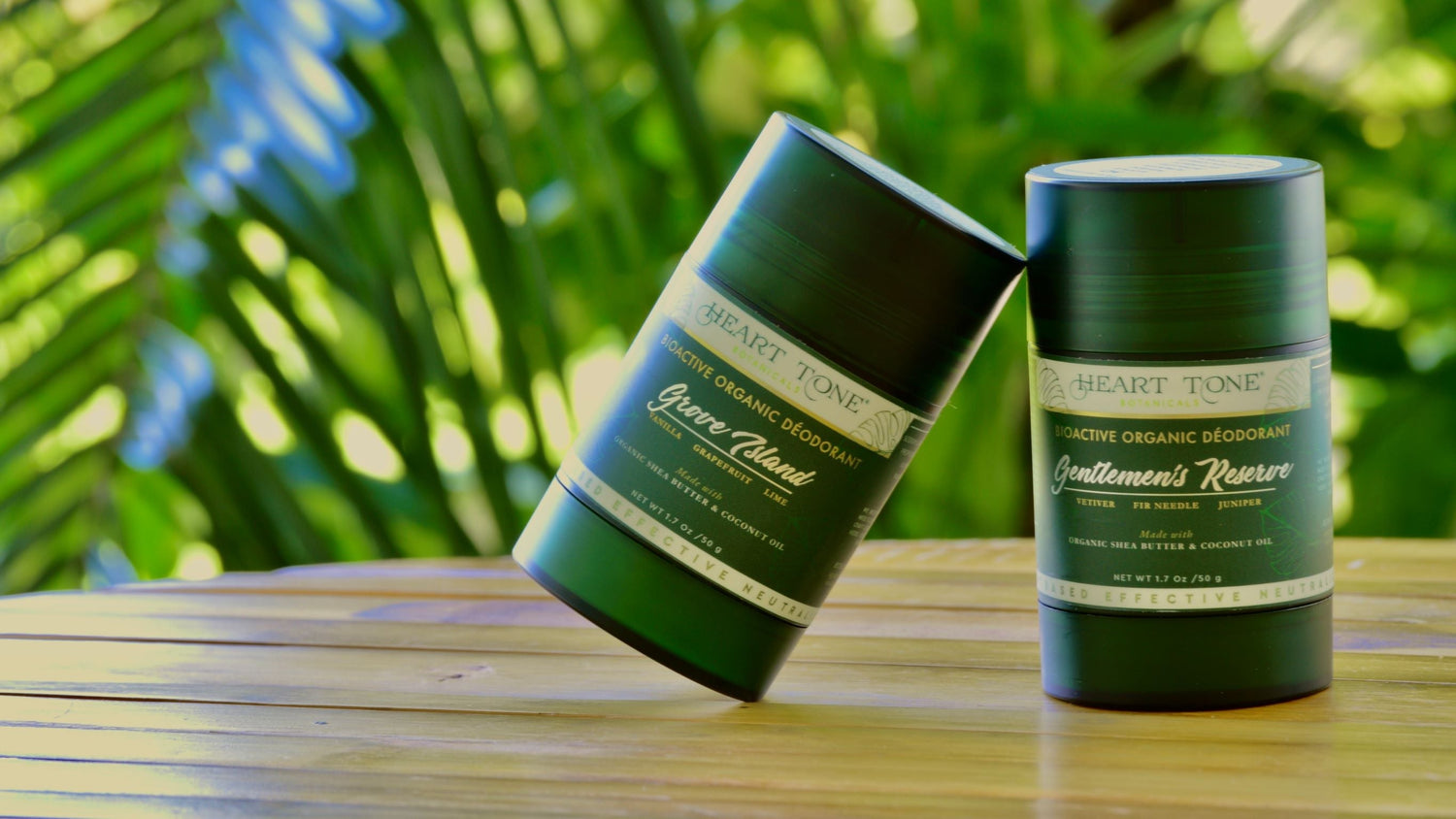
The Heart Tone Botanicals Bioactive Deodorant line is aluminum-free, baking soda-free, paraben-free, and formulated without synthetic fragrances. Each variety in the lineup shares the same botanical base — shea, jojoba, coconut oil, carnauba wax, arrowroot powder, kaolin clay, bentonite clay, diatomaceous earth, zinc ricinoleate, and magnesium hydroxide — and differs only in the essential oil blend used for scent.
- Eden's Garden Bioactive Deodorant — a soft floral blend with clary sage, lavender, and lavandin. A popular first choice for people making the sensitive-skin switch.
- Grove Island Bioactive Deodorant — a bright citrus profile with bergamot, grapefruit, lime, and vanilla.
- Jamaica Estate Bioactive Deodorant — a warm, layered blend with frankincense, coriander, bergamot, and lavender.
- Gentleman's Reserve Bioactive Deodorant — a deep, earthy profile with clove, fir needle, juniper berry, and vetiver.
What to Expect During the Transition
Switching from conventional antiperspirant to a botanical deodorant typically involves a short adjustment period. During the first few weeks, some people notice more moisture than usual as the body settles into its natural rhythm without aluminum's influence. This is a normal part of the transition and generally levels out by the end of the second or third week.
A few practical things that help:
- Apply to completely dry skin — even a small amount of moisture can affect how the formula wears through the day.
- Start on a lighter day — the first few applications on a less active day let you see how your skin responds before committing to a full routine.
- Give it two to three weeks — most people find the adjustment period settles by the end of the third week, with noticeably more comfortable wear throughout the day.
If your skin has recently reacted to a baking soda-based formula, giving underarm skin a day or two of rest before starting a new deodorant can help — calm, undisturbed skin tends to adapt more comfortably.
Supporting Your Skin Beyond the Deodorant
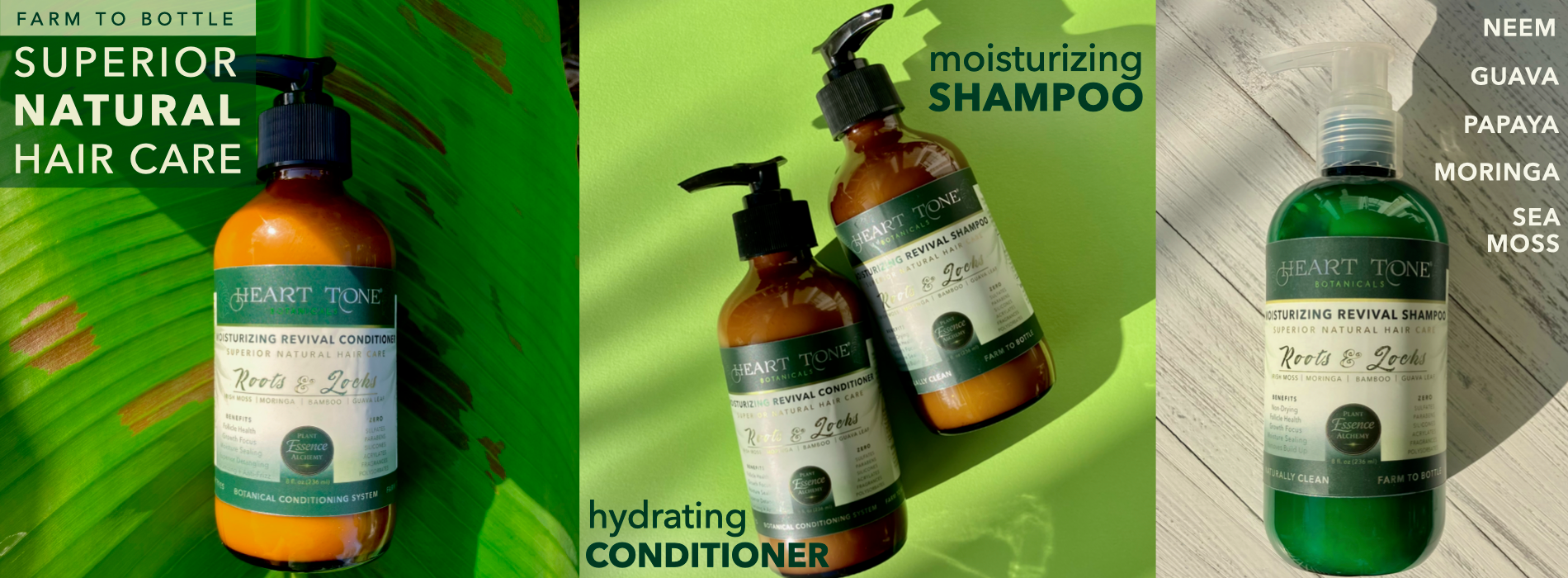
For reactive skin, what you use in the shower and for body moisture matters just as much as the deodorant itself. A clean, gentle cleanser reduces the total fragrance and synthetic additive load your skin encounters each day.
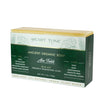
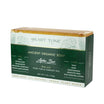
The Herbal Castile Liquid Soap and the Faithfully Pure Hands Castile Liquid Soap are both built on certified organic oils — olive, coconut, hemp, jojoba, and sunflower — without synthetic additives or stabilizers. Alongside those liquid Castile options, the Ancient Organic Soap bars offer a traditional cold-processed bar format, with farm-grown botanical options like Aloe Fields, Alpha Bar, and Coconut Creme. Together, they help keep the shower step simple for sensitive-skin routines without synthetic fragrance or unnecessary fillers.
For body moisture, the Botanical Renew Body Butter offers a rich, non-greasy feel with a base of Virgin Nilotica shea butter, kokum butter, and meadowfoam seed oil — a straightforward botanical formula without synthetic emollients or lotion fillers.
Browse the full body care range at htbotanicals.com/collections/body-care.
The Bottom Line
Sensitive skin and natural deodorant can coexist — but the formula has to be right. Avoiding baking soda, aluminum compounds, and synthetic fragrance is the foundation. From there, a base of botanical oils, clay minerals, and plant-derived waxes can deliver a deodorant that feels genuinely comfortable all day.
The transition takes a little patience. But for skin that's been reacting to conventional formulas or baking soda-based alternatives, the right botanical deodorant tends to feel like a genuine relief.
This is the main guide for this topic. Use these links to keep the full natural deodorant topic together:

Leave a comment
This site is protected by hCaptcha and the hCaptcha Privacy Policy and Terms of Service apply.