



You made the switch to natural deodorant. You felt good about it. And then... it stopped working. Or maybe it never really started. You're not alone — and it's probably not the deodorant's fault.
Here's what's actually happening, and how to make natural deodorant work for you.
The Adjustment Period Is Real
When you switch from conventional antiperspirant to natural deodorant, your body goes through an adjustment period that typically lasts 2–4 weeks. Here's why:
Conventional antiperspirants use aluminum compounds to physically block your sweat glands. When you stop using them, your body needs time to:
- Adjust after years of aluminum-based products
- Return to its natural sweat rhythm
- Settle into a new comfort baseline
During this transition, you might sweat more and find that natural deodorant feels less effective than you expected. This is temporary. Most people find that by weeks 3–4, their body has adjusted and the natural deodorant performs consistently.
5 Reasons Your Natural Deodorant "Doesn't Work"
1. You Didn't Give It Enough Time
Most people quit during the adjustment phase (week 1–2) when things are at their most challenging. Push through to week 3–4, and most people find their body settles and the natural deodorant performs consistently.
2. The Formula Isn't Right for Your Body Chemistry
Not all natural deodorants are created equal. Some use baking soda, which can irritate sensitive skin. Others rely solely on fragrance to mask odor rather than working with your body to leave it feeling genuinely fresh.
The best natural deodorants draw on botanicals with a long tradition in personal care — ingredients like neem, tamanu, and plant-derived minerals — rather than covering odor with synthetic fragrance.

3. You're Applying It Wrong
Natural deodorant works best when applied to clean, dry skin. Applying to damp or sweaty skin dilutes the formula and reduces effectiveness. Pro tip: apply at night before bed — your skin has time to absorb the formula while you sleep.
4. Your Diet Is Working Against You
What you eat directly affects how you smell. Foods that can increase body odor:
- Processed foods and refined sugar
- Excessive red meat
- Alcohol
- Garlic and onions (temporarily)
- Artificial additives
A clean, plant-rich diet makes every deodorant work better.
5. You Need to Reapply
Unlike chemical antiperspirants that block sweat for 24–48 hours, natural deodorants work with your body. On heavy activity days, a midday reapplication is totally normal and expected.
What Makes a Natural Deodorant Actually Effective?
Look for these ingredients:
- Coconut oil — A traditional base ingredient with a silky texture, used in personal care formulations for centuries
- Neem — A botanical ingredient with a long history of use in traditional personal care
- Aloe vera — Valued in traditional personal care for its soothing, non-drying properties
- Essential oils (lavender, clary sage, citrus) — Botanical ingredients that contribute a fresh, natural scent without synthetic fragrance
- Plant-based minerals — Absorb moisture naturally, keeping skin feeling dry and comfortable
Common Natural Deodorant Mistakes (and How to Fix Them)
Mistake #1: Not Applying to Completely Dry Skin
Moisture prevents natural deodorant from properly adhering to your skin. If you apply right after showering while your underarms are still damp, the formula won't work as well and may feel gritty.
Fix: Pat your underarms completely dry before applying. Wait 2–3 minutes after showering if needed.
Mistake #2: Using Too Little Product
Natural deodorant often requires more product than conventional antiperspirant. One light swipe won't cut it during the transition period or on active days.

Fix: Apply 2–3 full swipes per underarm, ensuring complete coverage from the center to the edges.
Mistake #3: Expecting Antiperspirant Results
Natural deodorant is a deodorant, not an antiperspirant. It helps your underarms stay feeling fresh and comfortable throughout the day, but it won't stop sweating entirely. That's actually a good thing — sweating is a natural detox process your body needs.
Fix: Adjust your expectations. You may sweat more at first, but with the right formula, you should feel fresh and comfortable throughout the day.
Mistake #4: Storing It in a Hot Environment
Natural deodorants with coconut oil or shea butter can soften or melt in temperatures above 76°F. If your deodorant liquefies and re-solidifies repeatedly, the texture and performance can be affected.
Fix: Store your natural deodorant in a cool, dry place — not in a hot car or direct sunlight.
What to Look for in a High-Performance Natural Deodorant
Not all natural deodorants are created equal. Here's what actually makes the difference:
- Moisture-absorbing ingredients — Arrowroot powder, kaolin clay, or bentonite clay help keep you feeling dry naturally
- Botanical deodorizing agents — Zinc ricinoleate and zinc oxide are plant-compatible mineral ingredients that support a fresh feel throughout the day
- Nourishing oils — Coconut oil, shea butter, or tamanu oil keep underarm skin feeling soft and comfortable
- Real essential oils — Not synthetic fragrance. Botanical scents from lavender, clary sage, or citrus oils deliver a genuine fresh sensation
- No aluminum, parabens, or phthalates — These are the ingredients you're trying to leave behind
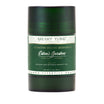
Our Bioactive Deodorant line is formulated with arrowroot, kaolin clay, and farm-grown botanicals — including neem, elderberry, and tamanu — for all-day freshness without baking soda irritation.
When to Reapply Natural Deodorant
Unlike conventional deodorant, natural formulas may need a midday refresh — especially during:
- Hot summer days
- Intense workouts
- Your adjustment period (first 2–4 weeks)
- Stressful situations (stress sweat tends to have a stronger odor profile)
Pro tip: Keep a travel-size natural deodorant in your bag for quick touch-ups after the gym or before evening plans.
The Bottom Line: Give It Time
Natural deodorant works, but it's not instant. Your body typically needs 2–4 weeks to adjust after switching from aluminum-based antiperspirant.
During the transition:
- Shower daily and pat underarms completely dry
- Apply generously (2–3 swipes per underarm)
- Wear breathable fabrics like cotton or linen
- Consider a gentle underarm detox routine to speed up the process
- Reapply midday if needed
If you're still experiencing odor after 4 weeks, try switching to a different formula. Baking soda-free options work better for some skin types, while others prefer a different botanical blend.
Ready to make the switch? Shop Natural Deodorant →
Avoid natural deodorants that are just fragrance and wax — they'll mask odor temporarily but won't deliver the clean, fresh-feeling experience you're looking for.
The Heart Tone Difference
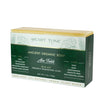
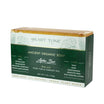
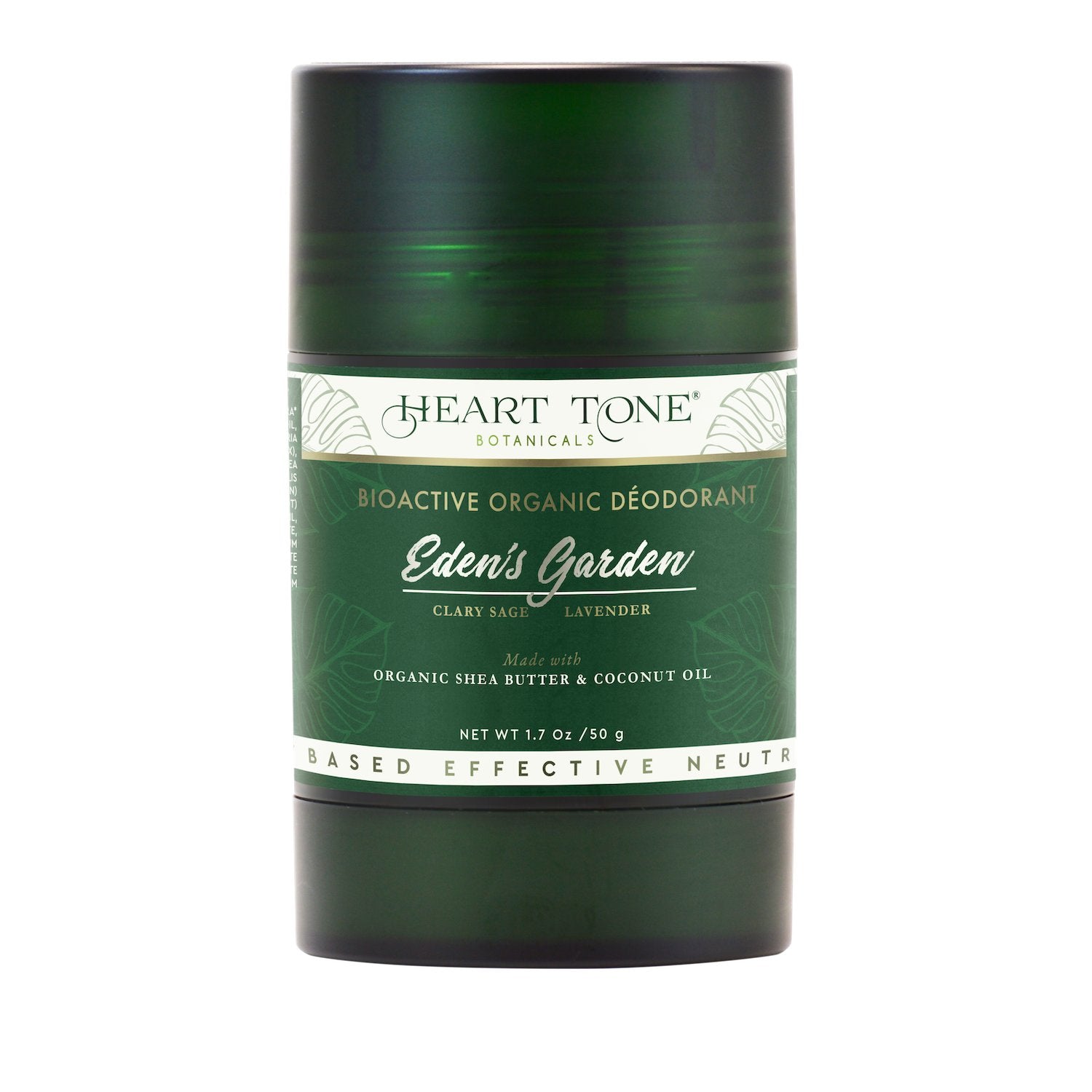
Our Eden's Garden Bioactive Deodorant is formulated with botanicals we grow on our own farm in Vero Beach, Florida — including coconut oil, neem, elderberry, and tamanu, blended with lavender and clary sage essential oils. No aluminum, no synthetic fragrances, no baking soda. Just plants, formulated to leave you feeling genuinely fresh.
Every ingredient is pesticide-free, handcrafted in small batches, and designed to work with your body instead of against it.
This article now points readers to the current main guide for this topic. Use these links to keep the full natural deodorant topic together:

Leave a comment
This site is protected by hCaptcha and the hCaptcha Privacy Policy and Terms of Service apply.