

If your hair has been through repeated heat, chemical processing, environmental stress, or just a long run of the wrong products, you probably know the feeling: brittle ends, frizz that won't quiet down, strands that feel rough to the touch no matter what you put on them. The conditioner step is where most people either make real progress or add to the problem. The wrong product coats hair in silicone that creates the illusion of softness while building up residue over time. The right one actually changes how your hair looks and feels — without the buildup.
What “Damaged” Hair Actually Looks Like
Hair that looks and feels damaged typically has a few things in common: rough surface texture, frizz that appears even after drying, tangles that form easily, dullness where there used to be shine, and ends that seem dry no matter what gets applied. These are characteristics that show up on the surface, and they’re what a good conditioner actually addresses — strand by strand, from the outside in. Understanding that means understanding what kinds of ingredients actually change how hair behaves.
Why Conventional Conditioners Often Fall Short
Walk down any drugstore haircare aisle and you’ll see conditioner after conditioner promising to “repair,” “restore,” and “transform.” A lot of that language is marketing shorthand for what’s actually happening: silicones coating the strand to create a sense of temporary smoothness, synthetic fragrance blends for a premium feel, and a base that does very little for the hair itself.
Silicone-based conditioners work by depositing a film on the hair that mimics smoothness — and that film feels great for a wash or two. Over time, it accumulates. Once buildup sets in, hair can start feeling heavy, greasy at the root, or oddly resistant to moisture. That’s the opposite of what you wanted when you started.
Natural conditioners take a different approach. Instead of coating the strand with a synthetic film, they use botanical ingredients that interact differently with the hair surface and leave much less residue behind.
What to Look For in a Natural Conditioner
Here’s what actually makes a difference in a botanical conditioner formula:
Plant-Based Peptides
Pisum sativum (pea) peptides are a plant-derived ingredient with a long history of use in botanical hair care formulas. Derived from the humble garden pea, pea peptide has become a popular ingredient for formulators moving away from animal-derived alternatives. Hair tends to feel noticeably more supple and easier to manage after regular use — a practical benefit for hair that tangles easily or feels rough to the touch.
Traditional Botanical Leaf Extracts
Papaya leaf, moringa leaf, guava leaf, neem leaf, and bay leaf have all been used in traditional hair care across different cultures — particularly in the Caribbean, South Asia, and Latin America. These botanical extracts have a long history of being worked into hair rinses, masques, and botanical preparations. Hair tends to feel softer, smoother, and easier to manage after contact with plant extracts from this family. Their use in hair care spans centuries, and their presence in modern botanical formulas reflects that established tradition.
Aloe Leaf Juice
Aloe is one of the most widely used traditional hair care botanicals, with a history stretching back to ancient Egypt and across many cultures. In a conditioner formula, aloe leaf juice extract contributes a light, conditioning feel that doesn’t weigh hair down — particularly useful for hair that tends toward frizz or dryness but also goes limp with heavier products.
Shea Butter
Shea butter is a rich botanical fat with a long tradition of use in hair and skin care across West Africa. In a conditioner base, it contributes a softness and a sense of moisture that is immediately noticeable. Shea is particularly well suited for coarser hair textures and ends that tend to feel persistently dry — a common characteristic of hair that has been processed, colored, or heat-styled frequently.
Irish Moss Extract
Irish moss (sea moss) has been used in traditional preparations in the Caribbean and the British Isles for centuries. In modern hair care formulas, it contributes a slip and smoothness that makes detangling noticeably easier — a real practical benefit for anyone dealing with tangles and the strain that comes from handling wet hair roughly.
Bamboo Ferment and Daikon Seed Extract
Fermented botanical ingredients like bamboo ferment and daikon (radish) seed extract are a more recent addition to the botanical haircare toolkit. Fermentation has a long history in traditional wellness across Asia, and fermented plant extracts often have a lighter, more easily absorbed sensory profile than their unfermented counterparts.
Botanical Essential Oils
Lavender, clary sage, cardamom, myrtle, rosemary, clove, and vetiver are aromatic botanicals with long histories of use in hair and beauty traditions. They contribute scent without the synthetic fragrance blends that some scalps find irritating, and they’ve been part of traditional hair care rituals across Europe, South Asia, and the Middle East for generations.
How to Use Conditioner When Hair Feels Damaged
How you apply conditioner matters as much as what you use.
Start by squeezing excess water from your hair before applying — conditioner works better when the hair is damp rather than dripping. Apply from mid-length to ends, focusing on the areas that feel the driest or roughest. The scalp usually produces its own natural oils and typically doesn’t need additional conditioning.
Let the conditioner sit for at least two to three minutes before rinsing. For hair that feels particularly rough or prone to tangling, a wide-tooth comb worked gently through the hair while the conditioner is still in can help reduce the strain of detangling. Wet hair is more prone to breakage from rough handling, and the slip from conditioner makes this step significantly gentler.
Rinse thoroughly with cool or lukewarm water until the water runs clear. Leaving residue in will make hair feel heavier than it should.
A Botanical Approach to Conditioning
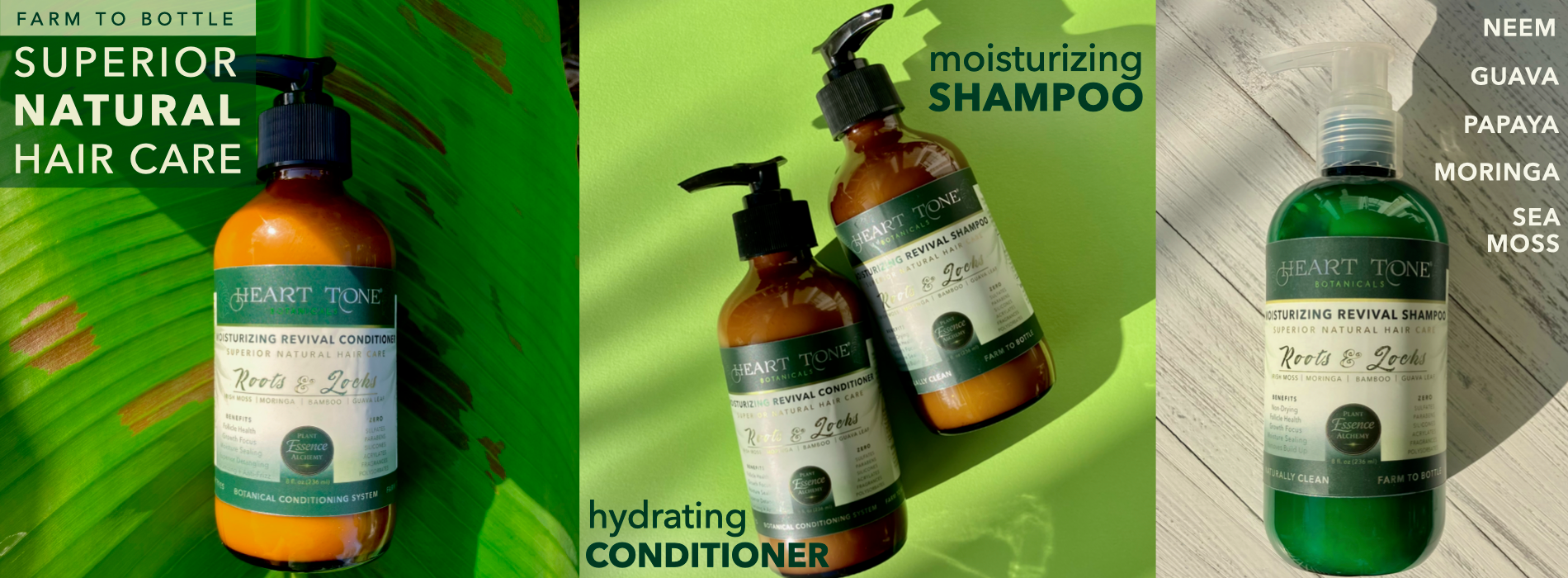
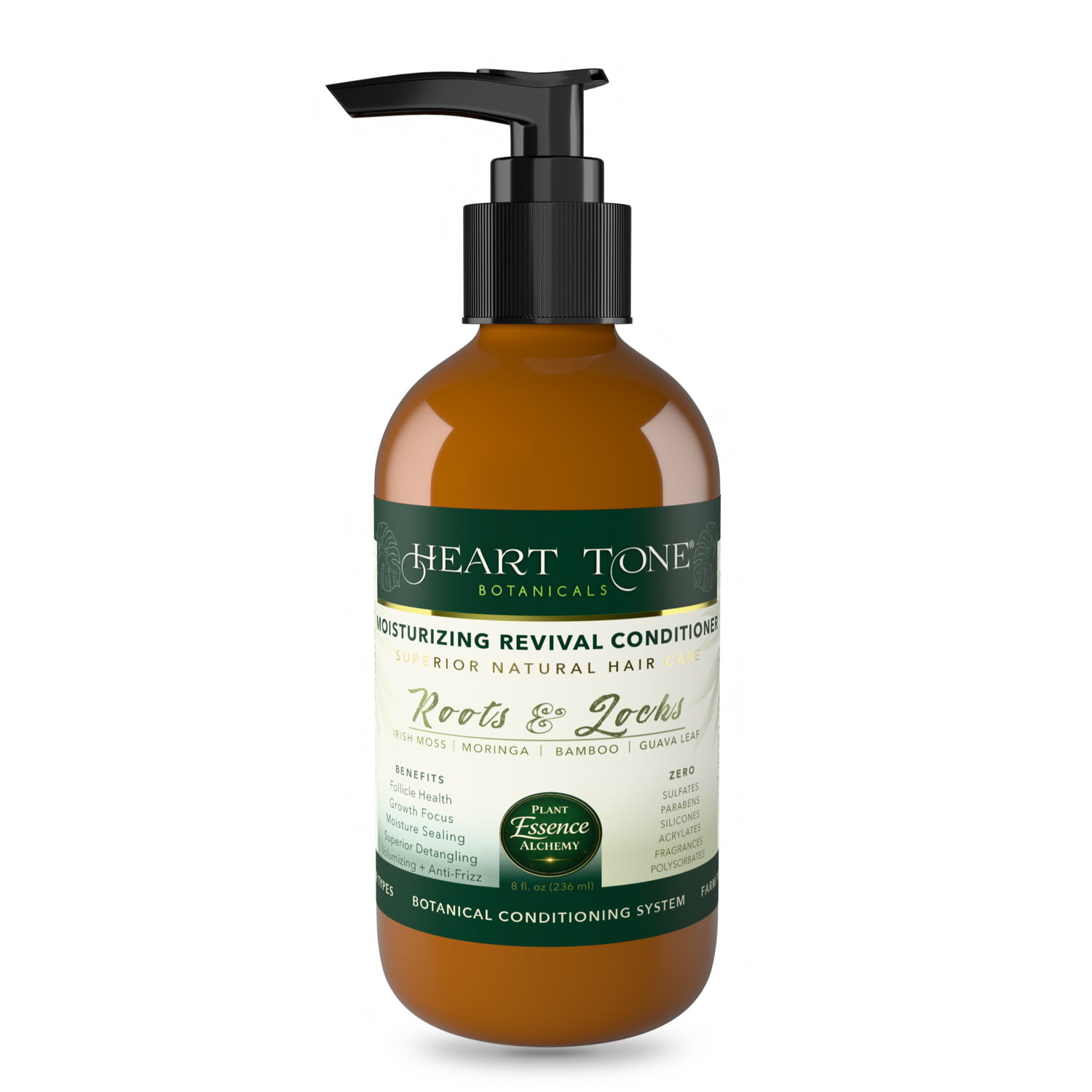
Roots & Locks Moisturizing Revival Conditioner is formulated with the botanical ingredients described above: papaya leaf, moringa leaf, guava leaf, neem leaf, bay leaf, aloe leaf juice, Irish moss extract, pea peptide, bamboo ferment, chamomile extract, daikon seed extract, and organic shea nut butter, alongside plant-derived conditioning agents and a botanical fragrance built from lavender tea tree, clary sage, cardamom, myrtle, rosemary, clove, and vetiver.
No silicone. No synthetic fragrance blend. No conditioning film designed to create the illusion of smooth while building residue with every wash.
If you’re transitioning from a silicone-heavy conditioner, give it a few washes. Buildup from previous products clears gradually, and hair tends to feel different — lighter, more like itself — after a short adjustment period. That window is normal and worth pushing through.
The shampoo step matters too. Roots & Locks Moisturizing Revival Shampoo is built around the same botanical leaf extract base — papaya, moringa, guava, neem, and bay leaf — so the two products are designed to work as a system. A surfactant base built on coco taurate and coco betaine keeps the cleansing step gentle and non-stripping, which matters when the goal is hair that looks and feels better over time.
Browse the full hair care collection at Heart Tone Botanicals.

Leave a comment
This site is protected by hCaptcha and the hCaptcha Privacy Policy and Terms of Service apply.