

Shea butter shows up on more labels than almost any other body-care ingredient, and the word does a lot of hiding. "Shea butter" on an ingredient list can mean a hand-scooped, cream-colored paste that still smells faintly of the nut it came from, or it can mean a bleached, deodorized, nearly white substance with almost no scent at all. Both are legitimately shea butter. Neither is fake. They are just processed differently, and that difference is the entire reason two jars that both say "100% shea butter" can feel completely different in your hand.
This is a plain-language look at what "grade" and "refined" actually describe, what changes in texture and appearance along that spectrum, and how to tell what you're actually holding -- no claims about what it does for your skin, just what it is.
What "grade" actually refers to
Shea butter is typically sorted into a rough processing spectrum, from least processed to most:
- Unrefined / Grade A. Extracted using traditional water- and heat-based methods, then hand-filtered. Nothing bleached, deodorized, or chemically extracted.
- Refined. Filtered further and typically deodorized to reduce the natural scent and even out the color from batch to batch.
- Highly refined. Processed with solvents to strip color and scent almost entirely, producing a very consistent, nearly odorless white butter.
None of this shows up as a separate word on an ingredient list. The INCI name is the same either way -- Vitellaria paradoxa (shea) butter -- whether the jar holds an unrefined or a heavily processed version. The grade is a manufacturing detail, not a labeling requirement, which is exactly why two products can list an identical ingredient name and feel nothing alike.
Unrefined shea butter: what to expect
Unrefined shea butter tends to run ivory to a soft yellow-tan, and the color can vary somewhat from batch to batch since nothing has been bleached to standardize it. The texture is usually firmer at room temperature and can feel slightly grainy until it's warmed between the palms, at which point it softens and melts close to body temperature. The scent is the most noticeable marker -- an earthy, nutty aroma that some people love and others prefer to mask with added botanicals or essential oils.
None of that variation is a flaw. It's a natural consequence of skipping the steps that would standardize it.
Refined shea butter: what changes in processing
Refined shea butter is typically lighter in color -- closer to white or pale ivory -- with a smoother, more uniform texture and a much milder scent, sometimes close to none. Formulators often reach for a refined version specifically because the batch-to-batch consistency makes it easier to build a product that looks and feels the same every time a customer opens a new jar, and because a milder base scent leaves more room for an added fragrance blend to come through clean.
Neither end of the spectrum is "better" in the abstract. They're different tools. A formula built around the earthy, textured character of an unrefined butter is making a different choice than one built around a light, consistent, nearly scentless base -- and reasonable brands land on both sides of that choice.
How to actually tell what's in the jar
Since the ingredient list won't say "unrefined" or "Grade A" for you, the real tells are the ones you can see and smell:
- Color. Ivory-to-tan and variable between batches usually points to less processing. Bright, uniform white usually points to more.
- Scent. A noticeable nutty, earthy aroma on its own (before any added fragrance) is a sign of an unrefined butter. Little to no base scent suggests refining.
- Texture at room temperature. Firmer and slightly grainy versus a smoother, more uniform paste.
A brand's own product description is the fastest source if it names the shea specifically -- for example, calling out a particular growing region or a "virgin" designation, both of which usually signal an unrefined or lightly processed butter.
What's in Botanical Renew Body Butter
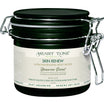
Our Botanical Renew Body Butter is built on Virgin Nilotica Shea Nut Butter -- "Nilotica" refers to the East African shea variety it's sourced from, and "virgin" signals the less-processed end of the spectrum described above. It's paired with kokum butter and meadowfoam seed oil for a silky, non-greasy finish, plus organic arrowroot powder, elderberry extract, and non-GMO vitamin E across all three scent options. You can see the full ingredient list on the product page before deciding which texture and scent profile is the right fit for your routine.
Shea butter beyond body butter
Shea also sits in the base of our full natural deodorant line -- Eden's Garden, Gentleman's Reserve, Grove Island, Jamaica Estate, and The Classic Bioactive Deodorant all build on the same coconut oil, carnauba wax, and shea base, with each scent layering on its own botanical extracts and essential oils from there. It's part of what gives the stick its glide when you're applying it, alongside the arrowroot and clays that round out the formula.
A few practical notes
Because shea softens with warmth, it's normal for a jar to feel firmer in a cold bathroom and softer after a few seconds warming between your palms -- that's the melt point doing what it does, not a sign anything's wrong. Texture is also one of the more reliable freshness cues: a butter that's gone gritty, separated, or developed an off, rancid note (distinct from its usual nutty aroma) is past its useful life and worth replacing.
FAQ
Is refined shea butter lower quality than unrefined?
Not inherently -- it's a different processing choice, not a downgrade. Refining trades some of the natural scent and batch-to-batch texture variation for consistency.
Does "Nilotica" mean something different from regular shea butter?
It refers to the East African botanical variety the butter is sourced from, as opposed to the West African variety most commonly sold in the U.S. It's still shea butter -- just a specific regional source.
Will the ingredient label tell me the grade?
No. The INCI name is the same regardless of processing level. Color, scent, and texture are the practical ways to tell what you're holding.
See the full ingredient list for Botanical Renew Body Butter →
Or browse the full Body Care collection for the rest of the routine.

Leave a comment
This site is protected by hCaptcha and the hCaptcha Privacy Policy and Terms of Service apply.