

Not Every "SLS-Free" Toothpaste Is Actually Sulfate-Free
If you switched toothpaste to get away from sodium lauryl sulfate (SLS), the front-of-box label is doing exactly what it's designed to do: telling you the one named compound isn't in the tube. What it isn't required to tell you is whether a chemically similar surfactant took its place. A growing number of "natural" and "SLS-free" formulas do exactly that — and unless you read the full ingredient list, you'd never know.
What SLS Is, Briefly
Sodium lauryl sulfate is a synthetic foaming agent used in most conventional toothpaste to create the thick lather people associate with "clean." It has no cleaning function on its own — it's there purely for sensory perception, the sudsy feeling that signals a product is working. Some people find that high-foam sensation drying or uncomfortable, which is the main reason shoppers start reading labels for it in the first place.
The Sulfates Hiding Behind an "SLS-Free" Label
Sodium Laureth Sulfate (SLES)
SLES is a close chemical relative of SLS, produced through an added ethoxylation step. It still foams, it still shows up in the "inactive ingredients" section, and it still falls in the sulfate surfactant family — it's simply a different named compound. A toothpaste can legitimately claim "SLS-free" while using SLES in its place, because the claim is only ever about the one ingredient named on the front of the box.
Sodium Coco Sulfate (SCS)
Sodium coco sulfate is often marketed with coconut-forward, natural-sounding language, since it's derived from coconut oil. Chemically, it's still a sulfate surfactant blend, and it behaves like one on the label and in the mouth. Seeing "coconut-derived" on packaging doesn't tell you whether the formula is sulfate-free — only the full ingredient list does that.
How to Actually Read the Ingredient List
Front-of-package claims describe one ingredient. The full list on the back describes the formula. To check a toothpaste is genuinely sulfate-free, scan the complete ingredient list for anything containing the word "sulfate," including:
- Sodium Lauryl Sulfate
- Sodium Laureth Sulfate (SLES)
- Ammonium Lauryl Sulfate
- Sodium Coco Sulfate
- Sodium C14-16 Olefin Sulfonate
If any of these appear, anywhere in the list, the "natural" or "SLS-free" claim on the front isn't the whole story. A formula that skips synthetic surfactants entirely won't need a sulfate substitute at all — it'll rely on a different set of ingredients to do the physical work of cleaning and texture.
What a Genuinely Sulfate-Free Formula Looks Like
Toothpaste doesn't need a sulfate surfactant to clean or to feel complete. Formulas built without one typically lean on a different combination of ingredients for texture and mouthfeel:
Mineral Clays
Kaolin clay and bentonite clay are fine mineral clays with a long history in personal care formulation. In toothpaste, they contribute a smooth, polished brushing sensation and body to the paste — without any foaming agent at all.
Quillaja (Soap Bark)
Organic quillaja is a plant-derived saponin with centuries of traditional use as a natural foaming and cleansing agent — the original "soap bark" long before synthetic surfactants existed. It contributes a light, natural lather to a formula, distinct from the dense, synthetic foam of SLS or SLES.
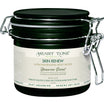
Heart Tone Botanicals' Living Crystal Toothpaste is formulated with kaolin clay, bentonite clay, and organic quillaja instead of any sulfate surfactant. It contains no SLS, no SLES, and no sodium coco sulfate — the full ingredient list is exactly what it says on the label, nothing swapped and nothing hidden.
Completing the Routine
Mouthwash doesn't need a foaming agent the way toothpaste does, so sulfates aren't usually the concern there — but the same label-reading habit is worth carrying over. Heart Tone Botanicals' Restorative Mouth Rinse is alcohol-free and built around farm-grown aloe vera and colloidal silver, with a full ingredient list that's just as transparent as the toothpaste it's designed to pair with.
Explore the full natural oral care collection to see the complete range of clean-formula options for a daily routine built on ingredients you can actually verify.
The Bottom Line
"SLS-free" is a claim about one ingredient, not a guarantee about the whole formula. If avoiding sulfate surfactants is the actual goal, the front of the box can't answer that question — only the full ingredient list can. Read past the marketing language, check for anything with "sulfate" in the name, and look for formulas that build their texture from mineral clays and plant saponins instead of swapping one synthetic surfactant for another.
Shop the related Heart Tone routine: Living Crystal Toothpaste.

Leave a comment
This site is protected by hCaptcha and the hCaptcha Privacy Policy and Terms of Service apply.