

Why More People Are Rethinking How They Exfoliate
Walk down any drugstore aisle and you'll find dozens of body scrubs — sugar scrubs, salt scrubs, coffee scrubs, synthetic "beads" in every color and fragrance. Most of them share a few things in common: artificial fragrances that linger on your skin for hours, synthetic preservatives, and ingredient lists that look more like a chemistry textbook than a botanical formula.
Natural exfoliation is something different. It's not a new trend — it's a return to how people cared for their skin long before plastic squeeze bottles existed. Traditional cultures developed remarkably effective exfoliation rituals using plant-derived soaps, natural fiber tools, and warm water. Many of these methods have been in continuous use for centuries. And once you try them, the comparison to a factory-made body scrub is hard to ignore.
What Exfoliation Actually Does
Exfoliation, at its core, is the physical process of lifting surface buildup from the skin. When you use a loofah, a natural fiber cloth, or a plant-based soap with the right texture, friction does the work — helping to dislodge the layer of buildup that accumulates on skin throughout the day. The result is skin that looks and feels noticeably smoother, and that feels more receptive to the moisturizers and botanicals you apply afterward.
The key word is feels. Good exfoliation doesn't strip or abrade — it leaves skin feeling polished and refreshed, not tight or dry. The difference usually comes down to the tool, the technique, and the products used.
Two Approaches to Natural Exfoliation
Physical Exfoliation: Tools That Work With Your Skin
The most straightforward form of natural exfoliation uses friction. A natural fiber loofah, a dry brush, or a kessa mitt all work on the same principle: gentle, repetitive motion that loosens surface buildup without the need for synthetic scrubbing agents.
Not all loofahs are the same. Most sold in stores are either synthetic foam (plastic) or imported with unverified sourcing. The best option is a genuine botanical loofah: 100% plant fiber, grown without pesticides, with a firm-yet-flexible texture that feels satisfying without being harsh.

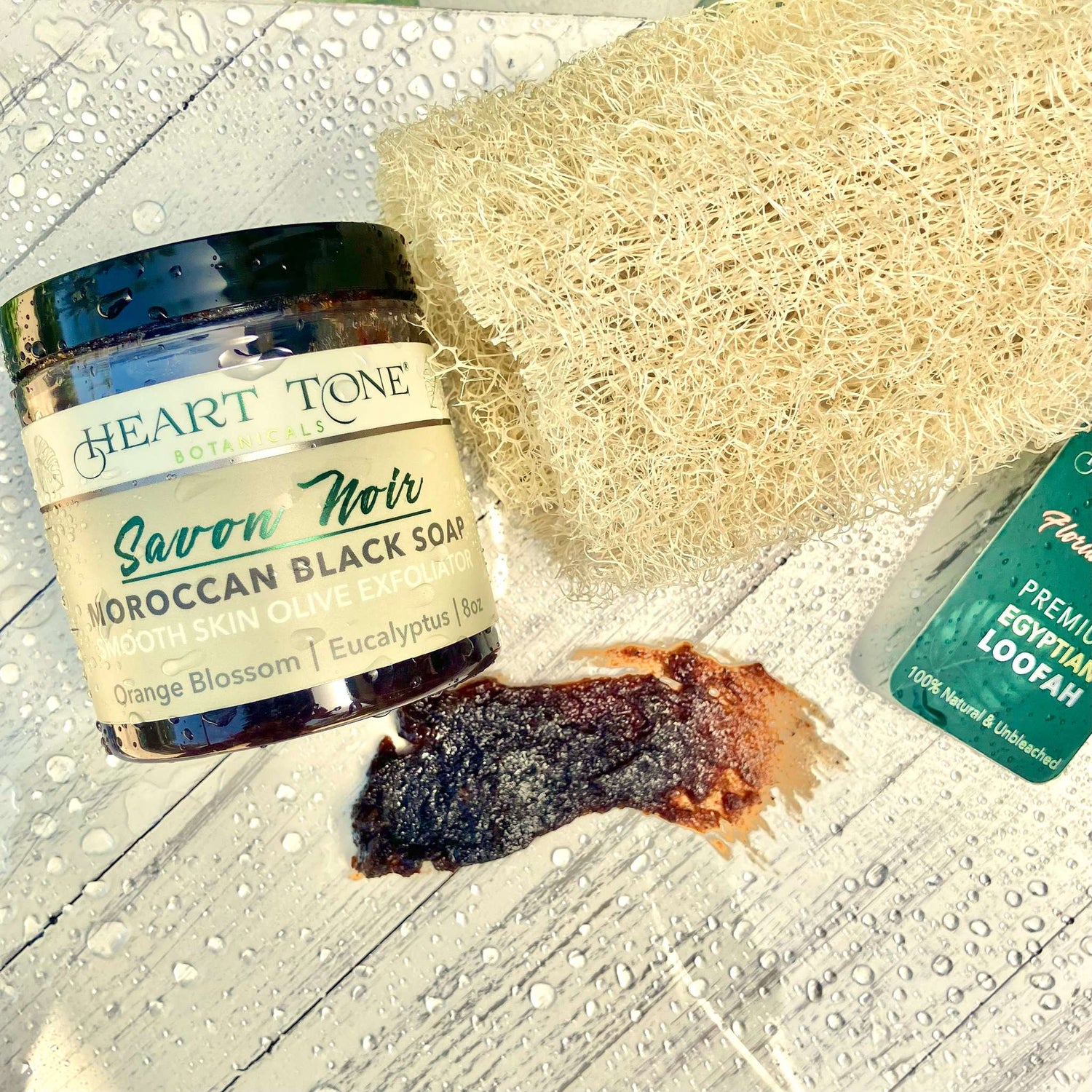
The Premium Egyptian Loofah Sponge from Heart Tone Botanicals is grown on the family farm in Vero Beach, Florida, from the Luffa aegyptiaca plant — harvested without pesticides, herbicides, or synthetic fertilizers. It's plump, dense, and high-grade: the form of this traditional plant fiber sponge that delivers a satisfying, even scrub rather than an uneven scratch. Used wet in the shower, it creates a rich lather with any soap and delivers a physical exfoliation with a quality that's hard to find in a commercial loofah.
Traditional Soap-Based Exfoliation: The Hammam Ritual
In North Africa and across the Middle East, public bathhouses — hammams — have been central to weekly cleansing and skin care rituals for more than a thousand years. At the heart of the hammam ritual is savon beldi: a dark, soft soap made from aged Moroccan black olive paste and olive oil. It's applied to wet, steam-softened skin, left for several minutes, then scrubbed away with a kessa glove — taking surface buildup with it and leaving skin looking and feeling remarkably smooth.
The results are the reason this ritual has persisted for centuries. The combination of steam, an olive oil-based soap, and physical exfoliation leaves skin with a polished, visibly refreshed appearance that a conventional shower simply doesn't deliver.

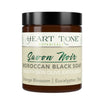
The Moroccan Exfoliating Black Soap from Heart Tone Botanicals is made the traditional way: purified water, organic olive oil, and aged cured Moroccan black olive paste — nothing artificial, nothing synthetic. It comes bundled with a complimentary Egyptian Loofah Sponge, giving you everything you need to bring the hammam experience home.
What to Look For (And What to Avoid) in Natural Exfoliating Products
Shopping for natural body scrubs can be frustrating. The word "natural" has no regulated definition on a cosmetic label, which means it can appear on a product full of synthetic fragrances, PEG compounds, and artificial colors. Here's how to read the label honestly:
- Avoid synthetic microplastic scrubbing particles — plastic microbeads were banned from rinse-off products in the US in 2017, but other synthetic scrubbing particles can still appear under different names. Look for actual plant-derived abrasives or natural fiber tools.
- Avoid synthetic fragrances — listed as "fragrance," "parfum," or "perfume" on the label. These are often complex chemical blends that linger on skin. Pure essential oils are a different category: sourced from plants, with an aroma character that reads differently from synthetic fragrance.
- Avoid PEGs, parabens, and petroleum-derived emollients — common in conventional body scrubs as binders and preservatives. None of these are botanical.
- Look for plant-derived soap bases — saponified olive oil, coconut oil, or palm kernel oil. These cleanse without stripping the skin's natural feel.
- Look for natural fiber tools — cotton, sisal, or loofah (Luffa plant fiber) instead of synthetic foam or plastic-backed scrubbing pads.
How to Build a Natural Exfoliation Routine
A natural exfoliation routine takes about 10–15 minutes and doesn't require any equipment beyond what you'd already use in the shower.
Step 1: Start with steam. Warm water softens the skin's surface and makes exfoliation more effective. A hot shower for 5–10 minutes, or a warm bath, is all you need.
Step 2: Apply the Moroccan Black Soap. Work a small amount of Moroccan Exfoliating Black Soap into wet skin. The olive oil base feels silky and rich — not harsh or astringent. Let it sit for 2–3 minutes if you want the full hammam experience.
Step 3: Use your loofah. Pick up the Egyptian Loofah Sponge and work it in gentle, circular motions over your body. The natural plant fiber creates an excellent lather with the black soap and lifts surface buildup as you go. No need to press hard — let the tool do the work.
Step 4: Rinse thoroughly. Rinse with warm water first, then cooler water if you like the sensation. Pat dry rather than rubbing.
Step 5: Moisturize immediately. After exfoliation, your skin feels most receptive to what you apply next. This is the moment to use your best botanical moisturizer.
What to Apply After Exfoliation
Post-exfoliation skin feels noticeably different — and the products you apply at this stage make a meaningful difference in how your skin looks and feels for the rest of the day.
For a rich, nourishing finish, the Botanical Renew Body Butter is formulated with Virgin Nilotica Shea Nut Butter, Kokum Butter, and Meadowfoam Seed Oil — three plant-based emollients with a long history in traditional botanical skin care — along with Elderberry Extract and Vitamin E. It's available in three scents: Heavenly Scent (vanilla and sandalwood), Bohemia (lemon verbena and bergamot), and Day Dream (lavender, neroli, and chamomile). Applied to still-slightly-damp skin after the shower, it leaves skin feeling soft and nourished without a greasy finish.
How Often Should You Exfoliate?
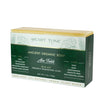
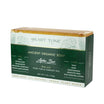
Most people find that 1–3 times per week is a comfortable rhythm — enough to notice the difference in skin feel and appearance without overdoing it. On non-exfoliation days, the Ancient Organic Soap Aloe Fields — made with organic coconut oil, organic olive oil, and farm-grown aloe vera — provides a gentle daily cleanse without the full exfoliation ritual.
The goal isn't maximum friction. It's consistency. A steady routine with the right botanical tools leaves skin looking and feeling noticeably better over time than occasional aggressive scrubbing.
The Botanical Approach to Exfoliation
Natural exfoliation isn't a trend. It's a return to something that existed long before the modern beauty aisle — methods that have proven their value through centuries of use in cultures from Morocco to Egypt. The tools are simpler. The ingredient lists are shorter. And the sensory experience — steam, olive oil soap, natural fiber, botanical body butter — is genuinely different from a synthetic scrub in a plastic tub.
If you're ready to try it, start with the Moroccan Exfoliating Black Soap + Free Egyptian Loofah Sponge — everything you need for a complete, traditional botanical exfoliation experience. Explore the full Heart Tone Botanicals body care collection for everything that comes after: botanical body butters, castile soaps, skin gels, and aluminum-free deodorants, all made without synthetic fragrances, parabens, or artificial additives.
This is the main guide for this topic. Use these links to keep the full body exfoliation topic together:

Leave a comment
This site is protected by hCaptcha and the hCaptcha Privacy Policy and Terms of Service apply.