

Most drugstore exfoliants contain synthetic microbeads, harsh chemical abrasives, or plastic-derived particles that irritate your skin and end up in waterways. The good news? Nature has been exfoliating skin for thousands of years — and doing it better.
This guide covers everything you need to know about how to exfoliate your body naturally: what it actually does, which methods work best, how often to do it, and which whole-ingredient products belong in your routine.
Why Natural Exfoliation Actually Matters
Your skin renews itself roughly every 28 days. As new cells form underneath, old dead cells accumulate on the surface — creating a dull, rough barrier that blocks moisturizers from absorbing properly, clogs pores, and makes skin look flat.
Done right, regular exfoliation:
- Reveals brighter, smoother skin underneath the dead cell buildup
- Improves absorption of body butters and plant oils — often dramatically
- Reduces rough patches on elbows, knees, heels, and shoulders
- Supports visibly clearer-looking skin by keeping pores clear
- Leaves skin with a warm, refreshed feeling and a visible post-shower glow
- Primes skin before shaving for a cleaner, more comfortable result
The key phrase is done right. Over-exfoliating — scrubbing too hard, too often, or with particles that are too coarse — strips the skin's protective barrier and causes irritation and sensitivity. Natural exfoliation is about working with your skin, not against it.
The Two Types of Natural Exfoliation
Physical Exfoliation
Physical exfoliants use gentle texture to manually lift and remove dead skin cells. The best natural physical exfoliants include:
- Finely ground botanical particles (oat flour, rice bran, ground botanicals)
- Natural clay minerals (kaolin, bentonite) that bind surface buildup
- Fine sea salt or sugar for thicker-skinned areas like elbows and heels
- Saponified olive oil soaps like Moroccan black soap, which soften and loosen dead cells through the combined effect of olive oil saponification and gentle mechanical action
Enzymatic Exfoliation
Enzymatic exfoliants use naturally occurring plant enzymes — found in Moroccan Black Olives, and other botanicals — that work without any scrubbing at all. These are gentler and ideal for sensitive or reactive skin.
Which Is Right for You?
- Normal to oily skin: physical or enzymatic, 1–2 times per week
- Dry or sensitive skin: gentle enzymatic or very fine physical particles, once per week
- Rough patches (elbows, knees, heels): physical exfoliation 2–3 times per week
- Congestion-prone areas like the back or shoulders: gentle physical exfoliation paired with a whole-ingredient natural soap, 2x per week

The Classic of Natural Body Exfoliation: Moroccan Black Soap
If there's one natural exfoliation ritual that deserves a spotlight, it's the traditional Moroccan hammam — and at its center is black soap (savon beldi).
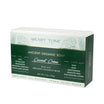
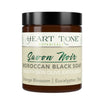
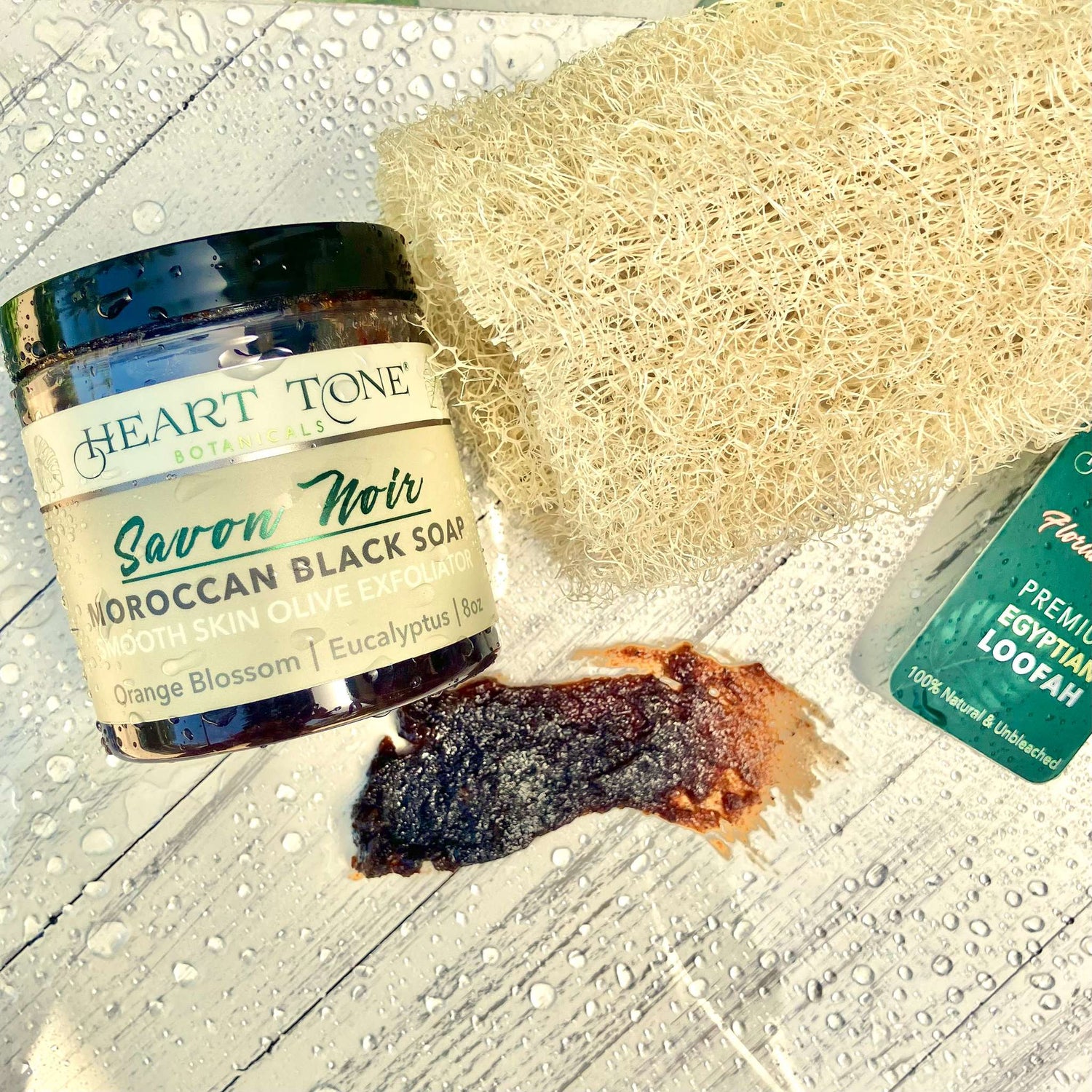
Moroccan Exfoliating Black Soap has been used in North African wellness culture for centuries. It's made from aged Moroccan black olive paste saponified with organic olive oil — a process that naturally produces glycerin and carries forward a long tradition of olive-based soap making. The result is a soft, gel-like soap that both cleanses and conditions while softening dead skin cells for removal.
Unlike harsh scrubs with synthetic abrasives, Moroccan black soap takes a gentler approach — combining the conditioning feel of olive oil with the lather of natural saponification. When paired with an exfoliating mitt or loofah, the results are visible: rolls of dead skin lift away to reveal noticeably smoother, brighter skin beneath.
The secret of the hammam is time, not pressure. Apply the soap, let it work, and let your loofah do the lifting.
How to use Moroccan black soap for exfoliation:
- Warm your skin first. Shower or soak in warm water for 5–10 minutes to soften skin and open pores.
- Apply a thin layer. The soap is concentrated — a small, hazelnut-sized amount goes a long way. Spread it over damp skin.
- Let it sit 3–5 minutes. This is where the softening happens. Give the olive oil-based formula time to settle into the skin's surface.
- Exfoliate with a mitt or loofah. Use gentle circular motions. You'll see small rolls of dead skin — that's the whole point.
- Rinse well, then apply a moisturizer while skin is still slightly damp.
- Frequency: Once a week for most people; twice for oilier or rougher skin.
Heart Tone's Moroccan Exfoliating Black Soap comes with a free Egyptian loofah sponge — the traditional pairing for a proper hammam experience. No plastic. No synthetic fragrance. Just centuries-old botanical wisdom in a modern routine.
Castile Soap: The Everyday Natural Cleanser That Primes Your Skin
You don't need a special scrub product for daily maintenance. A genuine castile soap — made from plant oils including organic coconut, olive, sunflower, hemp, and castor — provides mild, ongoing surface renewal every time you shower through the lathering action of naturally saponified plant oils.
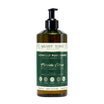
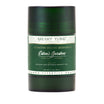
Herbal Castile Liquid Soap and the Faithfully Pure Hands Castile range are made with real plant oils and botanicals. Unlike synthetic body washes formulated with harsh synthetic surfactants, castile soap offers a gentle, plant-based cleanse — making it an excellent complement to a weekly black soap exfoliation session.
For a basic daily + weekly routine:
- Daily: Castile soap body wash with a soft bath cloth
- Weekly: Moroccan black soap ritual with an exfoliating mitt
- Post-exfoliation: Rich botanical body butter applied while skin is still slightly damp
What to Do After Exfoliation (This Part Matters More Than Most People Think)
Freshly exfoliated skin is like a clean canvas — and also temporarily more vulnerable. The top layer of dead cells, while dull, does provide some barrier protection. Once removed, your skin is primed to absorb everything — which means this is the optimal window for moisturizing.
Apply moisturizer within a few minutes of stepping out of the shower, while skin is still slightly damp. The best options:
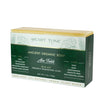
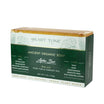
Botanical Renew Body Butter — A rich, plant-based body butter made with Virgin Nilotica shea nut butter, kokum butter, meadowfoam seed oil, elderberry extract, and vitamin E. Nilotica shea has a notably finer texture than standard shea — it absorbs quickly without the greasiness. The meadowfoam seed oil adds lightweight moisture lock, and the elderberry extract rounds out a rich botanical blend for freshly exfoliated skin. The absorption is noticeably deeper when applied right after exfoliation.
All scents use the same base formula; choose Heavenly Scent (vanilla + sandalwood), Bohemia (lemon verbena + bergamot), or Day Dream (lavender + chamomile + neroli) based on your preference.
Natural Exfoliation Mistakes to Avoid
1. Scrubbing too hard
More pressure does not equal better results. Dead skin cells are loosely attached — gentle circular motion is all that's needed. Aggressive scrubbing can irritate skin and undermine the gentle action you're trying to support.
2. Exfoliating every day
Your skin needs recovery time between exfoliation sessions. For most people, 1–2 times per week is optimal. Daily exfoliation breaks down the moisture barrier and leads to dryness and sensitivity.
3. Using products with synthetic abrasives
Walnut shell powder, apricot kernel fragments, and plastic microbeads all have irregular, jagged edges that cause microscopic cuts in the skin. Natural alternatives — oat flour, sugar, or black soap — are far gentler at the surface level.
4. Skipping moisturizer after
This is the most common exfoliation mistake. Every exfoliation session should end with a moisturizer applied immediately after patting skin dry. Without it, you're removing the protective layer without replacing the moisture it was holding in.
5. Exfoliating compromised skin
Give any sunburned, irritated, or broken skin time to heal first. Exfoliation on already-stressed skin adds pressure to a barrier that needs rest, not additional treatment.
Building Your Natural Body Exfoliation Routine
Here's a simple framework you can start this week:
Once or twice a week (Black Soap Session):
- Warm shower or bath for 5–10 minutes
- Apply Heart Tone Moroccan Exfoliating Black Soap, let sit 3–5 minutes
- Exfoliate with the included Egyptian loofah in gentle circles
- Rinse, pat dry
- Apply Botanical Renew Body Butter immediately while skin is still slightly damp
Daily maintenance:
- Shower with Herbal Castile Liquid Soap or a Faithfully Pure Castile variant
- Use a soft bath cloth with light pressure for gentle daily surface clearing
- Follow with a light body oil or moisturizer as needed
Why Whole-Ingredient Products Make the Difference
The conventional beauty industry has conditioned us to think more ingredients means better results. The opposite is often true. Skin responds to what it recognizes — plant oils, botanical extracts, and saponified oils that have supported human skin care for thousands of years.
When you exfoliate with Moroccan black soap and moisturize with a real shea and botanical body butter, you're working with ingredients that carry a long tradition of use in skin care — not synthetic stand-ins designed to approximate what nature provides. The result is a routine your skin can settle into comfortably, without the harshness of conventional alternatives.
Explore the full Body Care collection at Heart Tone Botanicals to find the products that fit your routine.
This article now points readers to the current main guide for this topic. Use these links to keep the full body exfoliation topic together:

Leave a comment
This site is protected by hCaptcha and the hCaptcha Privacy Policy and Terms of Service apply.