

Most face serums promise dramatic results. Then you read the label: water, water-soluble humectant, fragrance, preservative. If you've ever felt let down by a bottle that cost $60 and did nothing, it wasn't you — it was the face serum ingredients.

The difference between a formula that leaves your skin visibly improved and one that sits on the surface is entirely in the ingredient deck. This guide breaks down what natural face serum ingredients actually do — the actives worth looking for, the base that matters more than you'd think, and the shortcuts that quietly undermine expensive products.
Why the Serum Base Matters (It's Not Just Water)
Water is the cheapest serum base and the most common first ingredient on labels. At 70–80% of a formula, water dilutes every active that follows it — meaning a serum with 2% niacinamide and 78% water delivers very little niacinamide to your skin per drop.
A hydrosol base changes this. Rose hydrosol is the aromatic water left after steam-distilling rose petals — valued in traditional botanical skin care for the gentle aromatic and botanical compounds it carries that plain water doesn't provide. Neroli hydrosol (from orange blossom) has been used in traditional perfumery and botanical skin care for centuries, prized for its delicate floral character and the sense of comfort it contributes to a topical formula.
When a serum starts with a hydrosol rather than plain water, every drop delivers botanical compounds from the base layer up — not just the 2% actives listed later on the label.
Hyaluronic Acid: Essential but Not the Whole Story
Hyaluronic acid is the gold standard hydration active in modern serums — and for good reason. It draws moisture into the upper layers of the skin, contributing to an immediate improvement in the appearance of plumpness and surface comfort. It's also naturally present in skin tissue, which makes it exceptionally well-tolerated across skin types.
The catch: hyaluronic acid is primarily a surface hydrator. It works at the outer layers of skin and is most effective when paired with complementary actives that address the appearance of texture and firmness. A serum that leads with HA and little else is essentially a hydration supplement — valuable, but limited.
Pairing HA with firming and restorative actives (DMAE, peptides, botanical extracts) is what separates a one-dimensional serum from a complete formula.
Niacinamide: The B3 Vitamin That Earns Its Spot
Niacinamide (vitamin B3) appears in almost every well-formulated serum for a reason: it addresses multiple visible concerns simultaneously.
- Brightening: Valued for visibly improving the appearance of dark spots and uneven tone over time
- Pore appearance: Associated with a visibly reduced appearance of pore size at concentrations as low as 4%
- Moisture comfort: Supports a comfortable, balanced moisture feel in the skin
- Gentle on reactive skin: Well-tolerated by sensitive and reactive skin types without discomfort
Niacinamide is stable at a wide pH range, plays well with most other actives, and is appropriate for daily use across virtually all skin types — including sensitive and acne-prone skin.
DMAE: The Firmness Active You Haven't Heard Of
Dimethylaminoethanol (DMAE) is less famous than hyaluronic acid but arguably more interesting. Used in cosmetic formulation research and premium skin care, DMAE is associated with the visible appearance of improved skin firmness and a more taut-looking surface over time.
DMAE shows up in cosmetic research as one of the few topical compounds with measurable effects on the visible quality of skin tone (the tautness you see and feel, not the color). When combined with peptides in a serum formula, it creates a multi-ingredient approach to firmness that delivers a more complete visible result than either type of active alone.
Peptides: Copper and PEA Work Differently
Peptides are short chains of amino acids used in skin care formulations for their association with the visible appearance of firmness and texture over time. Not all peptides do the same thing.
Copper Peptide (GHK-Cu)
Copper peptide is one of the most studied topical ingredients in advanced skin care. The tripeptide GHK-Cu naturally occurs in human plasma and has a long history of use in cosmetic research and premium serum formulations. It is associated with the appearance of smoother, more resilient skin over consistent use, and contributes a clean, comfortable feel to the formulas that include it.
PEA Peptide
PEA peptide (myristoyl hexapeptide) is a cosmetic active studied for its role in the visible appearance of expression lines over time. Working at the surface level, PEA peptides are a consistent inclusion in premium serums aimed at the appearance of a smoother, more even-looking complexion.
Botanical Actives That Earn Their Place
The best natural face serum ingredients don't just add botanical marketing language to a formula — they contribute a long history of traditional use and a visible difference in how skin looks and feels:
Gotu Kola (Centella asiatica)
Gotu kola is one of the most widely used botanical ingredients in traditional skin care — with a documented history spanning centuries in Ayurvedic and East Asian traditions. It is valued for contributing to the appearance of smooth, comfortable skin and is consistently found in premium serum formulations for the visible quality it brings to a well-made formula.

L-Arginine
L-Arginine is an amino acid used across a wide range of premium skin care formulas. It is valued for the nourishing, skin-compatible quality it contributes to a well-formulated serum and for the comfortable, smooth feel associated with amino acid-rich botanical formulas.
Sacha Inchi Seed Extract
Sacha inchi (Plukenetia volubilis) is a South American seed with one of the highest omega-3 fatty acid concentrations of any plant source — approximately 48–54% alpha-linolenic acid (ALA). In a serum context, its essential fatty acid content contributes to a rich, nourishing formula that leaves skin feeling comfortable and visibly smooth.
Plankton Extract
Marine actives are among the most antioxidant-rich ingredients available in clean beauty formulations. Plankton extract contributes protective pigments and polysaccharides developed by marine organisms to withstand environmental exposure — making it a valued addition to serums focused on the visible appearance of skin and the effects of daily environmental stressors.
Green Tea Extract (EGCG)
Epigallocatechin gallate (EGCG) is the primary polyphenol in green tea and one of the most widely used botanical antioxidants in skin care. It has a long tradition of use in East Asian beauty routines and is valued for the appearance of bright, even-looking skin it is associated with over consistent use.
Fermentation: Why Radish Root and Lactobacillus Belong in a Modern Serum
Fermented ingredients serve two roles in a well-formulated serum: preservation and potency.
Radish root ferment and Lactobacillus ferment replace synthetic preservatives like parabens and phenoxyethanol by creating a naturally protective environment that keeps the formula stable. Beyond preservation, the fermentation process breaks actives into smaller molecules — improving their ability to reach the outer layers of skin compared to their unfermented counterparts.
A formula preserved with fermented actives is also more comfortable for daily use: it avoids the harsh synthetic preservative ingredients that can leave skin feeling irritated or disrupted over time.
What to Look for (and What to Avoid)
Worth looking for:
- Hydrosol or aloe vera leaf juice as the base (not plain water)
- Multiple peptides (look for "peptide" in the name or GHK-Cu specifically)
- Niacinamide at 4%+ for brightening results
- Fermentation-based preservation (radish root ferment, lactobacillus)
- Botanical actives with a long history of traditional use: gotu kola, L-arginine, green tea
Worth avoiding:
- Water as the first ingredient when the formula claims to be concentrated
- "Fragrance" or "parfum" (allergen umbrella; synthetic or natural)
- High levels of denatured alcohol (SD alcohol) — drying in daily use
- Silicones (dimethicone, cyclopentasiloxane) — surface film, not actual hydration
Frequently Asked Questions
Can you use a face serum every day?
Yes — a well-formulated serum with gentle actives like niacinamide, hyaluronic acid, and botanical extracts is designed for daily use. Peptide and DMAE serums are typically applied once daily (AM or PM) for best results.
Should serum go before or after moisturizer?
Serum goes on clean skin first — before moisturizer and definitely before SPF. Serums are lighter and more concentrated; the moisturizer seals the actives in and provides the occlusive layer. If you're using a facial hydrosol mist, it goes before the serum.
How long does it take for face serum to work?
Surface hydration from hyaluronic acid and fermented actives can be felt within hours. Niacinamide brightening typically shows a visible change in 4–8 weeks. Peptides and gotu kola work on a longer timeline — most formulation data measures visible results at 8–12 weeks of consistent use.
Are face serums safe for sensitive skin?
Serums formulated without fragrance, synthetic preservatives, and high alcohol are generally well-tolerated by sensitive skin. Niacinamide, aloe vera, green tea extract, and hyaluronic acid are all low-irritation actives. DMAE occasionally causes mild temporary flushing — test on a small area first if you're reactive.
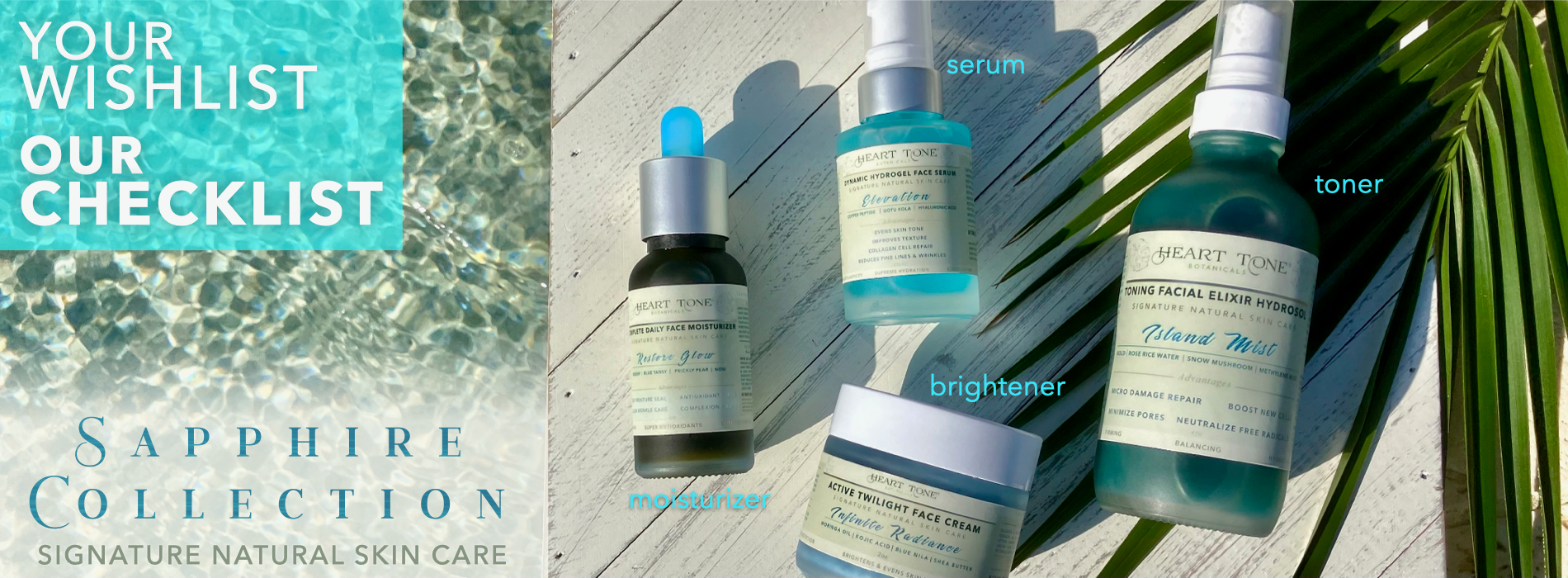
Dynamic Hydrogel Face Serum from Heart Tone Botanicals opens with rose hydrosol and neroli hydrosol (not water), ferments its preservative layer with radish root ferment and lactobacillus, and includes niacinamide, DMAE, hyaluronic acid, copper peptide, PEA peptide, gotu kola, L-arginine, sacha inchi, plankton extract, and green tea — all verified ingredients, no synthetic fragrance.
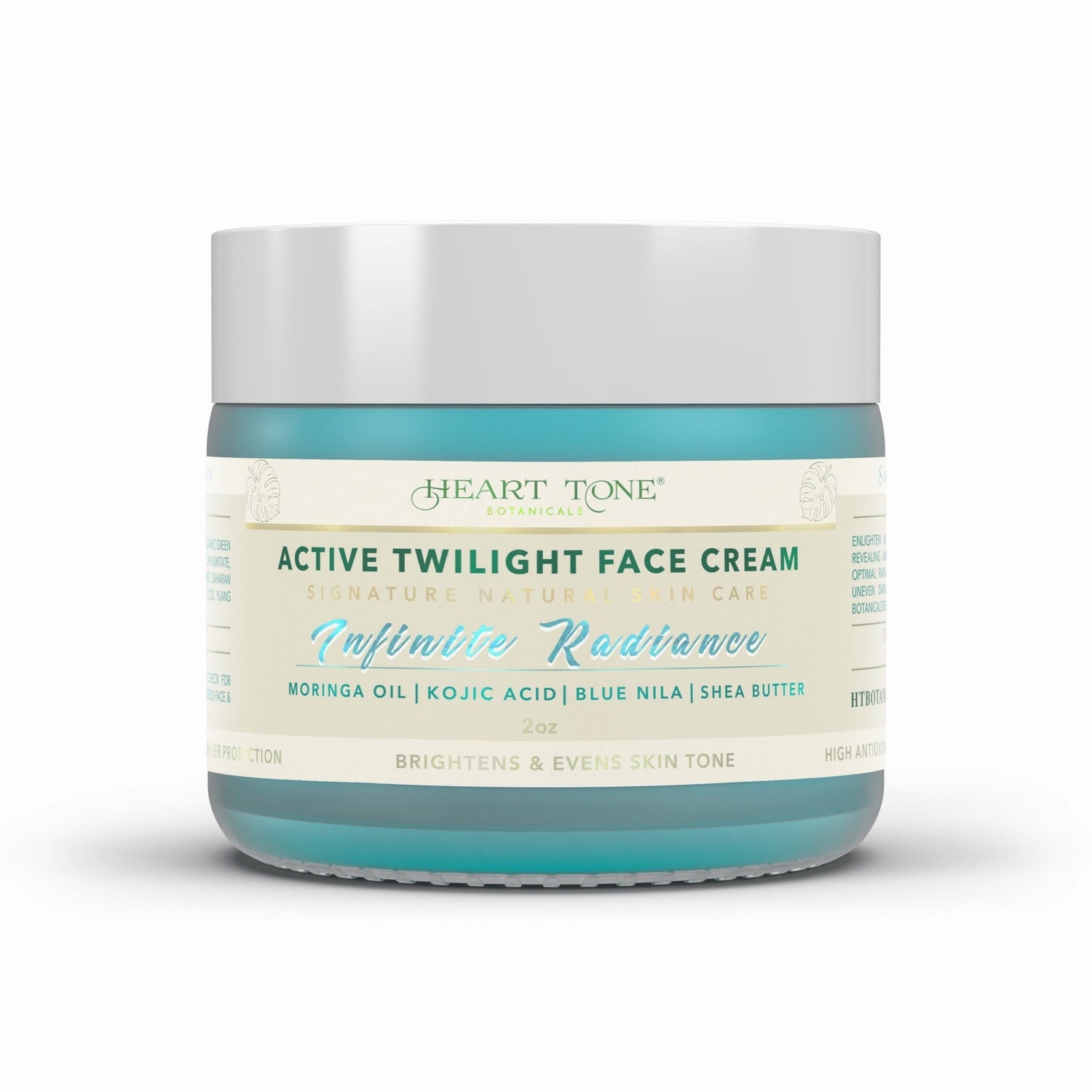
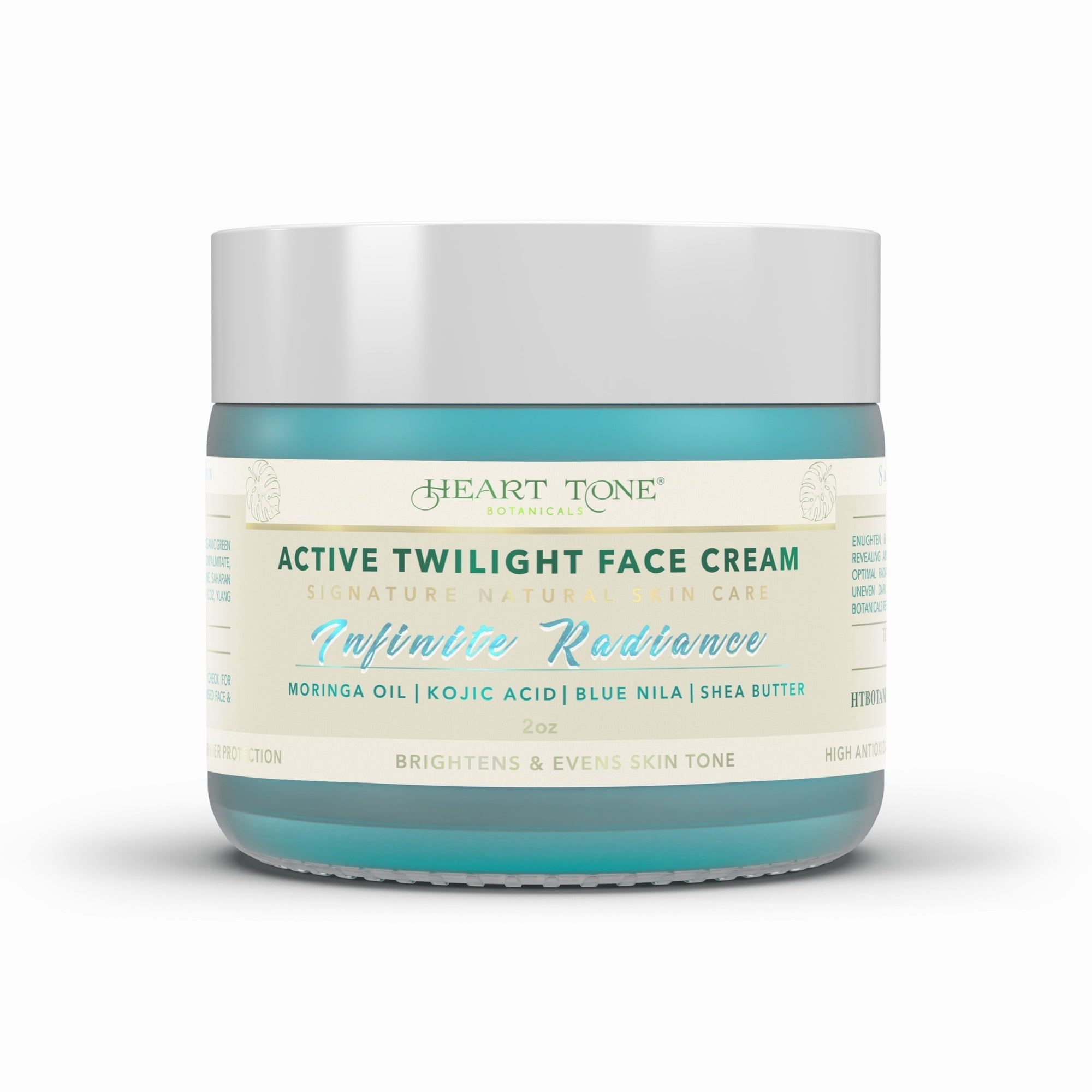
Looking for the moisturizer layer to pair with your serum? The Complete Daily Face Moisturizer seals with 22 botanical oils — moringa, bakuchiol, rosehip, prickly pear seed — over your serum actives. For a toning step, the Island Mist Toning Facial Elixir Hydrosol preps the skin before serum application with a botanical hydrosol mist.
More on Botanical Skincare for Sensitive Skin
If you're building a routine around traceable botanical ingredients, see our guide on Farm-Grown Botanicals for Sensitive Skin: What Traceable Sourcing Changes — covering moringa oil, bakuchiol, blue chamomile, carrot CO2, and what farm-to-bottle sourcing actually changes for reactive skin.
This is the main guide for this topic. Use these links to keep the full natural face serum topic together:

Leave a comment
This site is protected by hCaptcha and the hCaptcha Privacy Policy and Terms of Service apply.