

Peptides in Skincare: The Science Term Behind a Long Botanical Tradition
Peptides used to feel like a pharmaceutical claim — the kind of word that appeared in white lab-coat ads, not botanical skincare. But peptides aren't synthetic by nature. They're naturally occurring protein fragments that show up in plant extracts, fermented ingredients, and traditional botanical formulations that predate modern skincare by centuries.
If you've started seeing "copper peptide" or "pea peptide" on ingredient labels and want to understand what you're actually applying — without the marketing hype — this is the straightforward explanation.
What Are Peptides, Actually?
Peptides are short chains of amino acids — the same building blocks that form proteins found in skin, hair, plants, and just about everything alive. When proteins break down, peptides are what remain. Different peptide sequences behave differently depending on their composition and what they're formulated alongside.
In skincare, the appeal of peptides has long been their texture. A well-formulated peptide serum has a smooth, almost silky feel on skin — absorbing quickly and leaving a supple, comfortable sensation that heavier creams don't always replicate. The term "peptide serum" simply refers to a serum that includes these amino acid chains as part of its formula. Beyond that, the quality varies enormously depending on which peptides, at what concentration, and what they're paired with.
Copper Peptides: A Long History in Traditional Skincare
Copper is one of the oldest trace elements used in traditional personal care. It has a long history of use in botanical and mineral skincare practices across cultures — valued for its distinctive feel and its traditional association with skin that looks visibly refreshed and even-toned.
When copper is bound to a peptide sequence, the resulting compound — copper peptide — is more stable and easier to formulate than copper on its own. In a serum, copper peptides contribute a light, fluid texture that absorbs readily and leaves the surface of skin looking smooth. Copper peptides also have a particular appeal for botanical formulators: they can remain stable without the synthetic stabilizers that conventional lab-formulated serums often rely on.
Pea Peptides: Plant-Derived and Gentle
Pea peptides are derived from pea protein — which makes them entirely plant-based and a natural fit for people who want to avoid animal-derived ingredients in their skincare. Like other peptides, they're amino acid chains, but their botanical origin gives them a different sensory profile: generally lighter and less reactive than some animal-sourced peptide ingredients.
In formulas that combine pea peptides with other botanical actives, the result tends to feel lightweight and comfortable, suitable for layering under a moisturizer or wearing alone for a minimal routine.
What Makes a Botanical Peptide Serum Different
Not all peptide serums are created equal. Many mass-market versions use a single isolated peptide at trace concentrations, then pair it with silicones, synthetic preservatives, and fragrance compounds to build texture artificially.
A botanical peptide serum takes a different approach:
- Whole-ingredient base — instead of synthetic thickeners, texture comes from hydrosols, ferments, and plant extracts
- Multiple peptide types — copper and pea peptides together offer a more complex sensory result than single-note synthetic peptide blends
- Complementary ingredients — paired with ingredients like hyaluronic acid, gotu kola, and fermented extracts for a richer, more complete feel
- No synthetic fragrance — natural aromatic character from hydrosols or essential oils rather than lab-created fragrance compounds
Other Ingredients That Pair Well With Peptides
Hyaluronic Acid
Hyaluronic acid is a naturally occurring polysaccharide used in skincare for decades. It holds moisture readily and contributes to a plump, comfortable surface feel. In a peptide serum, hyaluronic acid adds a layer of hydration that makes the peptides feel more substantial on skin — without adding heaviness or a greasy finish.
Rose and Neroli Hydrosols
Hydrosols are the aromatic water byproduct of botanical steam distillation. Rose hydrosol has been used in traditional skincare for centuries across Mediterranean, Middle Eastern, and South Asian traditions — valued for its soft, floral sensory quality and a light surface sensation. Neroli hydrosol, distilled from orange blossom, brings a similarly refined aromatic character. Together they form a base that feels and smells distinctly botanical rather than lab-formulated.
Fermented Botanical Extracts
Radish root ferment and lactobacillus ferment have become a familiar pairing in clean skincare. Fermentation is one of the oldest food and cosmetic processing traditions — used across cultures for thousands of years to produce ingredients with a smoother, more refined texture. In skincare, fermented extracts tend to absorb more easily and feel lighter than their unfermented counterparts, making them a natural complement to peptide-forward formulas.
Gotu Kola
Gotu kola (Centella asiatica) has centuries of traditional use in botanical skincare across South and Southeast Asia. It's valued for its mild, grounding botanical character and its comfortable, lightweight feel. In a serum context, it contributes a settling botanical note that complements the more modern peptide ingredients it's often formulated alongside.
What to Look for on a Peptide Serum Label
The ingredient list tells you more than the front of the bottle. When evaluating a natural peptide serum, look for:
- Named peptides near the top of the list — not buried at the bottom alongside preservatives
- A water or hydrosol base — rose hydrosol, neroli hydrosol, or aloe vera juice rather than plain water or a silicone carrier
- Short list without mystery ingredients — "fragrance" on a label often covers synthetic scent compounds; look for named botanical sources instead
- No parabens or synthetic preservatives — fermented ingredients and botanical extracts contribute to natural stability without synthetic preservation
How a Peptide Serum Fits Into a Botanical Routine
In a layered botanical routine, a lightweight serum typically comes second — applied after toning and before a face oil or moisturizer. The serum's fluid consistency allows it to settle into skin before heavier botanicals seal in what the serum delivered.
A practical morning and evening layering order:
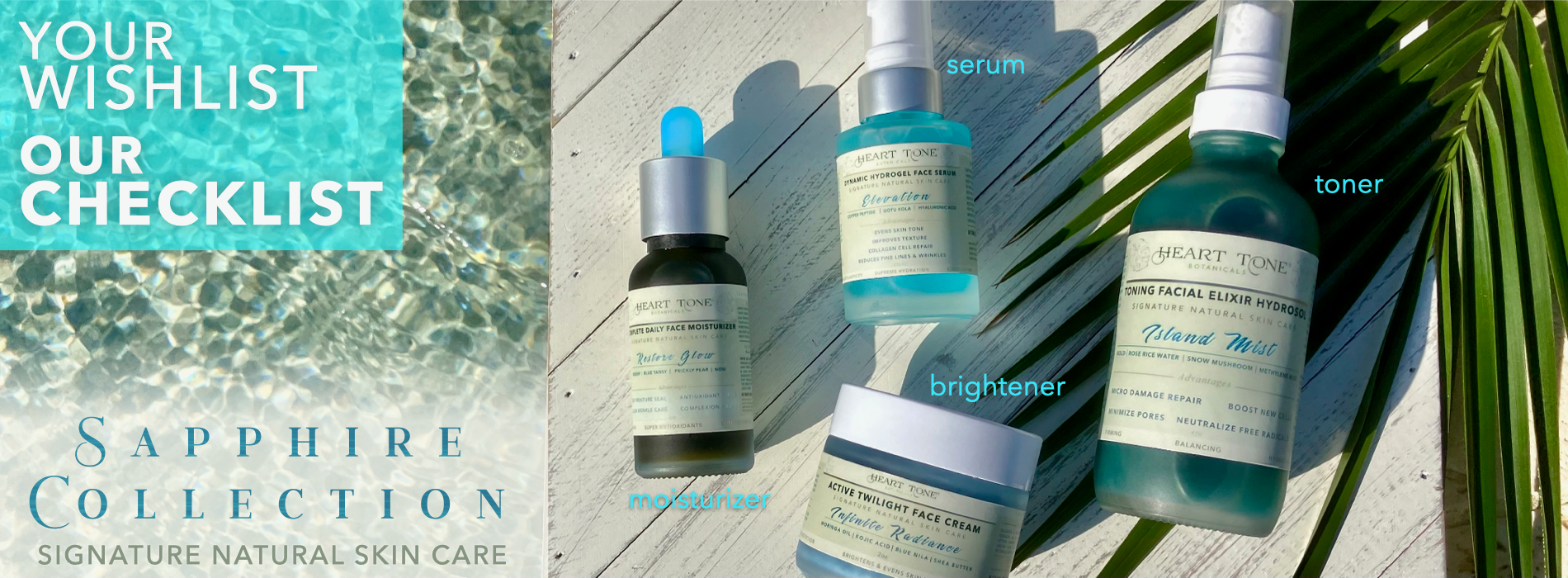
- Toning mist — prep and hydrate the surface first. The Island Mist Toning Facial Elixir Hydrosol works here as a first-step botanical mist with rose hydrosol, orange blossom hydrosol, and colloidal silver.
- Peptide serum — apply and allow 30–60 seconds to absorb before the next step
- Face oil or moisturizer — the Complete Daily Face Moisturizer layers naturally over a serum for daytime use; for evenings, the Active Twilight Face Cream is a richer finishing option
All four products together — toning hydrosol, peptide serum, daytime moisturizer, and evening cream — form the foundation of The Complete Face Ritual, a botanical AM/PM routine designed for daily use in that sequence.
The Bottom Line
Peptides aren't a pharmaceutical invention imposed on natural skincare — they're protein fragments with a long traditional association with well-formulated personal care. Copper peptides and pea peptides, in particular, bring a silky, lightweight feel and a botanically compatible sensory profile that works naturally in clean, minimal formulas.
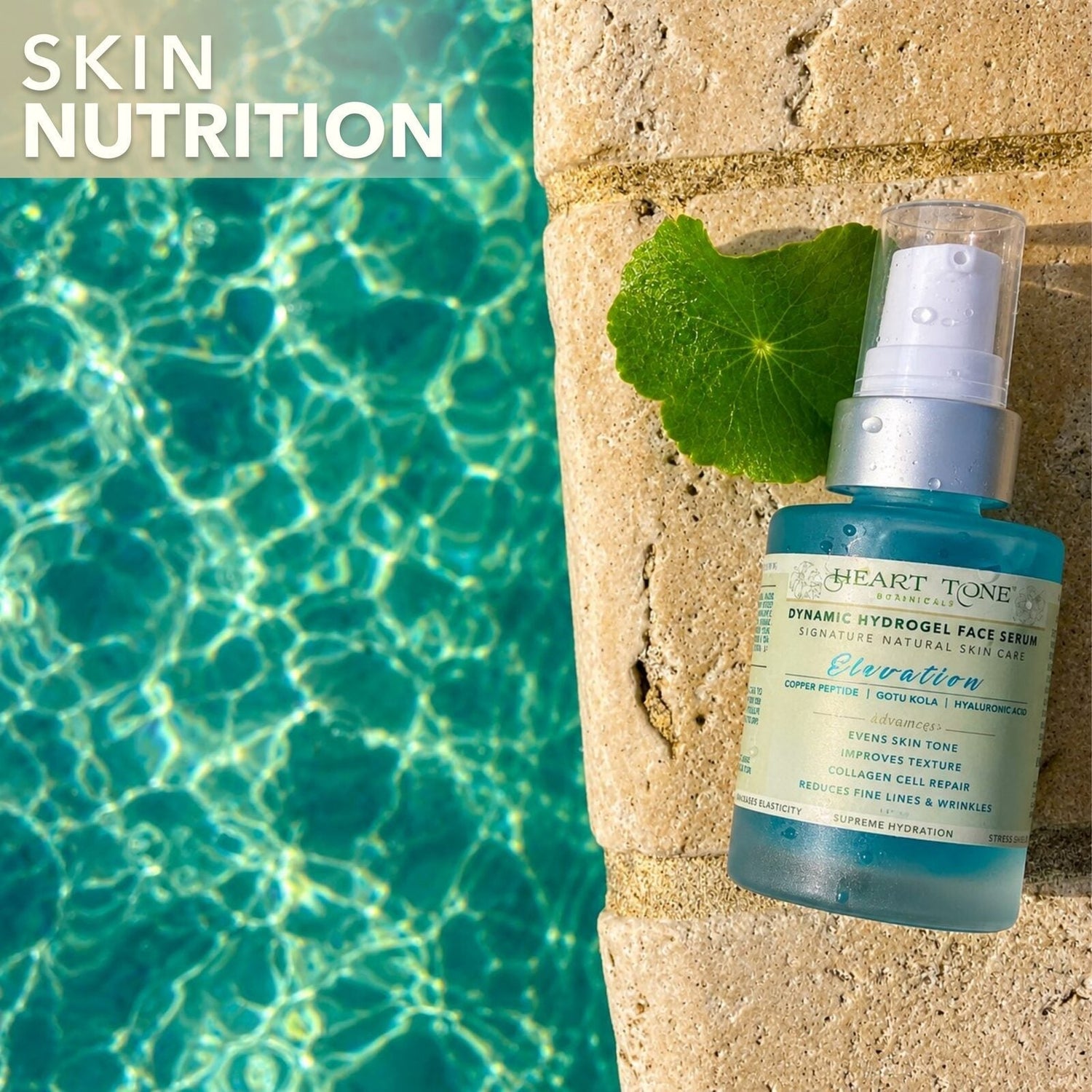
If you're looking for a botanical peptide serum without synthetic fragrance or lab-engineered texturizers, the Dynamic Hydrogel Face Serum from Heart Tone Botanicals includes both copper and pea peptides in a base of rose hydrosol, neroli hydrosol, hyaluronic acid, and fermented botanicals — alongside gotu kola, green tea extract, and sacha inchi.
To explore the full collection, visit the botanical facial care collection or learn more about how these products work together in The AM/PM Face System.
This article now points readers to the current main guide for this topic. Use these links to keep the full natural face serum topic together:

Leave a comment
This site is protected by hCaptcha and the hCaptcha Privacy Policy and Terms of Service apply.