

Sensitive skin has a long memory. One unfamiliar ingredient — a synthetic fragrance, a harsh preservative, a solvent extracted at high heat — and you're dealing with redness, flakiness, or a breakout that takes days to settle. Most "natural" skincare brands list botanical names on the label without telling you where those plants came from, how they were extracted, or whether the actives survived the process. For sensitive skin especially, that gap matters.
At Heart Tone Botanicals, a number of the botanical actives in our facial care products come from farms — small-scale operations focused on quality over volume. This isn't a marketing story. It's the reason the formulas behave differently.
Why Farm-Grown Botanicals Are Different for Sensitive Skin
Sensitive skin reacts not just to ingredients, but to what's in the ingredients. Contamination risk, pesticide residue, heavy metal accumulation, and oxidation from poor storage all increase reactivity — even when the listed ingredient itself is gentle. Farm-sourced botanicals with short supply chains reduce these variables.
The shorter the path from plant to bottle, the less exposure to heat, oxidation, and adulteration. For sensitive skin, that's not a premium feature — it's a safety factor.
Organic certification matters here too. Certified organic crops cannot be treated with synthetic pesticides or herbicides — a real concern for botanical oils where lipid-soluble compounds can carry residue through the extraction process. Most of the facial oils in our Complete Daily Face Moisturizer are certified organic.
Key Botanicals in Our Facial Care Products — Verified Against INCI
Every ingredient claim below was verified against the live product INCI metafields before writing. This is Rule Zero: no ingredient claim goes into an HTB blog post without API confirmation.
Moringa Oil (Moringa oleifera)
Moringa oil's fatty acid profile is dominated by oleic acid (65–75%) — the same primary fatty acid in human sebum. For sensitive skin, this means compatibility: oleic acid absorbs without disrupting the skin's lipid matrix. It doesn't sit on top of the skin. It integrates.
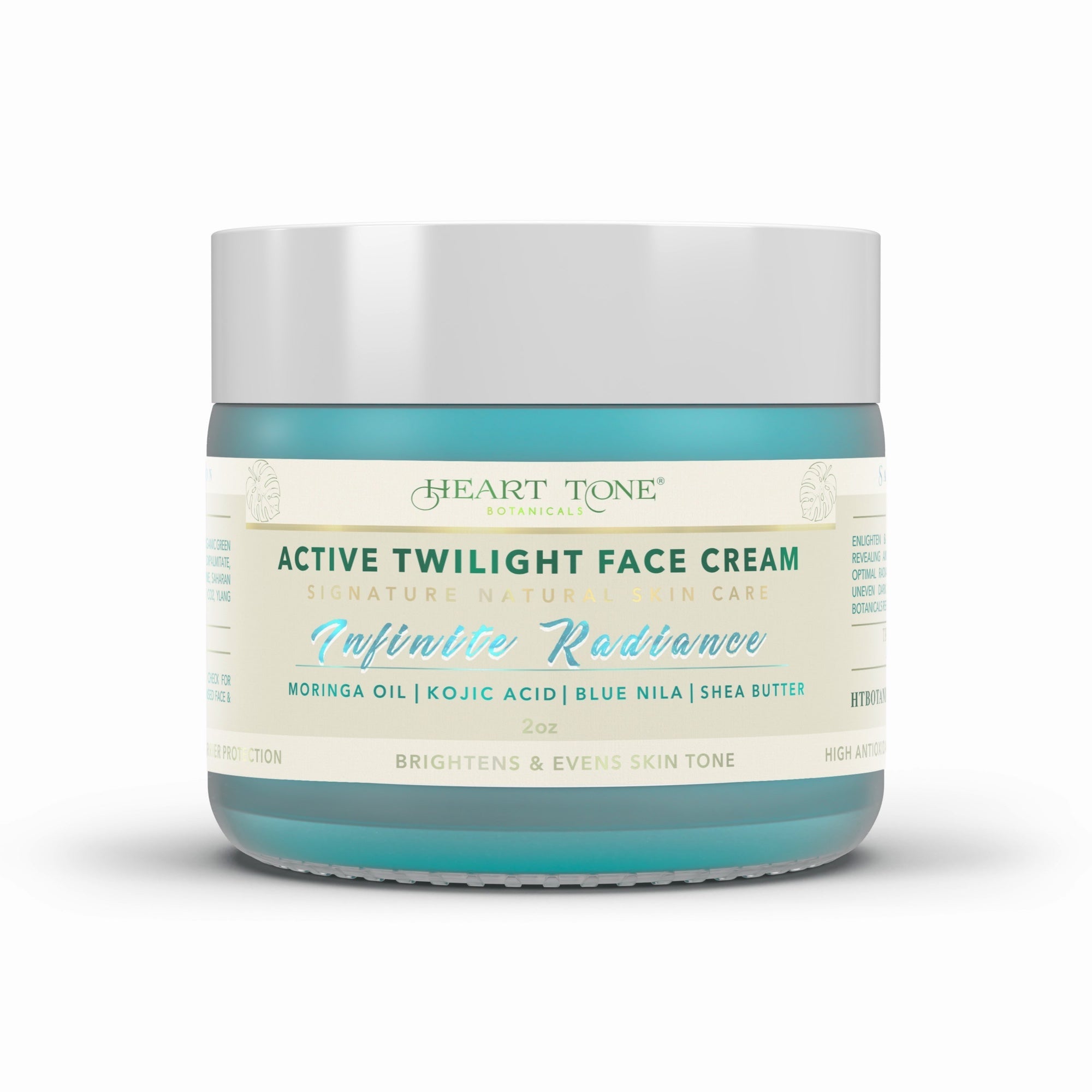
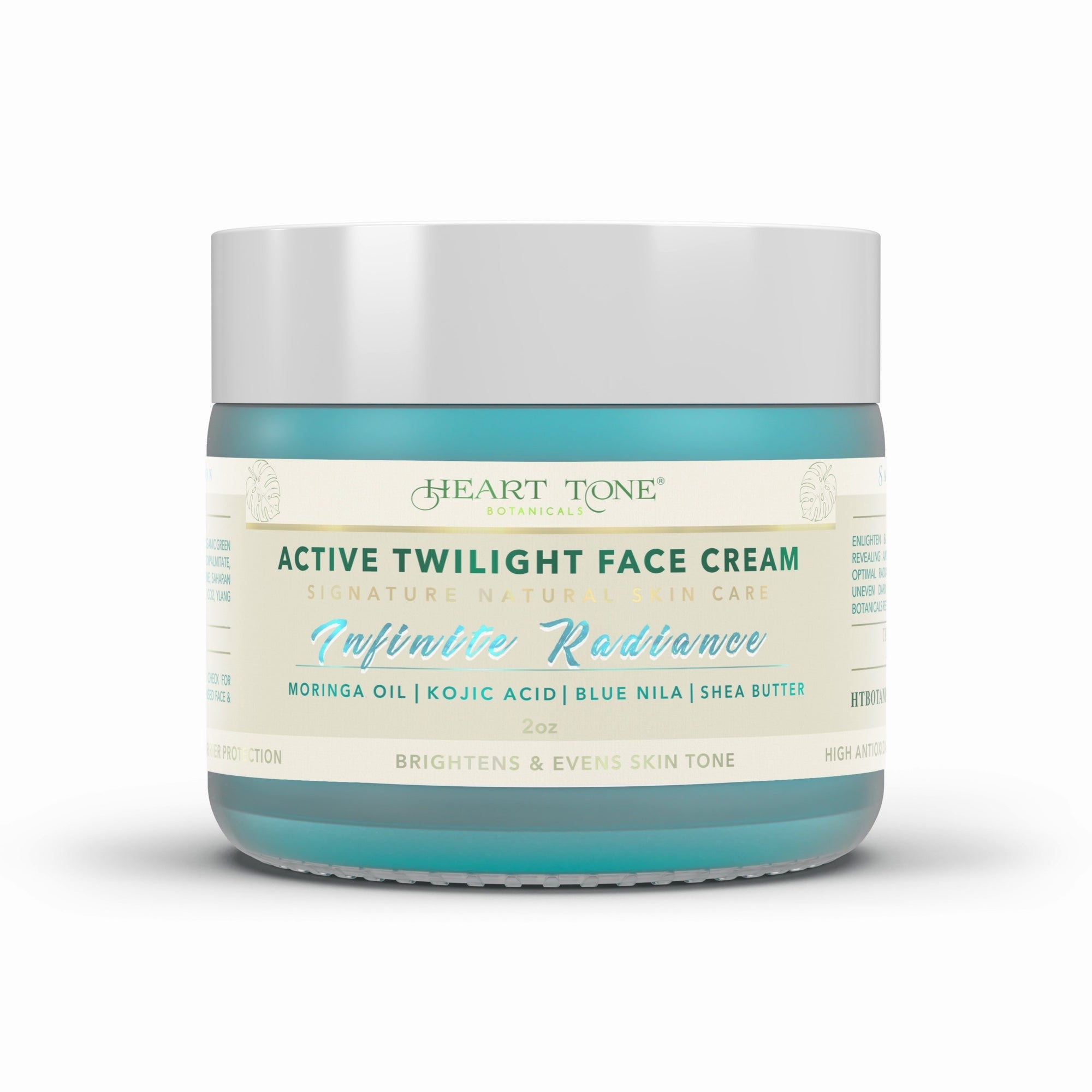
Moringa also contains over 40 antioxidants including quercetin and kaempferol, which reduce inflammatory naturally occurring plant compounds activity at the skin surface. Clinically, moringa seed oil has shown reduction in TEWL (transepidermal water loss) — the measurement used to assess barrier integrity in sensitive skin research. Confirmed in: Complete Daily Face Moisturizer (organic) and Active Twilight Face Cream (organic).
Bakuchiol (Psoralea corylifolia)
Bakuchiol is currently the most research-supported retinol alternative for sensitive skin. A 2019 British Journal of Dermatology randomized controlled trial found bakuchiol equivalent to 0.5% retinol for fine lines and skin firmness, with significantly fewer reports of stinging, peeling, and dryness. The mechanism differs: bakuchiol activates retinoid receptors without the oxidative metabolite cascade that causes retinol irritation.
For sensitive skin, the practical result is anti-aging efficacy without the barrier disruption that makes retinol difficult to tolerate. Confirmed in: Complete Daily Face Moisturizer.
Blue Chamomile Essential Oil (Matricaria chamomilla)
Blue chamomile is chamomile steam-distilled at the right temperature to preserve chamazulene — the compound that gives the oil its deep blue color and most of its traditional botanical properties. Chamazulene is a plant compound found in chamomile with a long history of traditional use.
The "blue" in blue chamomile is a quality signal: it means the chamazulene survived extraction. Lower-grade chamomile distillate is yellow or colorless — most of the active compound has been destroyed. Confirmed in: Complete Daily Face Moisturizer.
Carrot CO2 Extract (Daucus carota)
CO2-extracted carrot seed is one of the most carotenoid-rich botanicals available in skincare. Beta-carotene, alpha-carotene, and lutein function as photoprotective antioxidants — they absorb and neutralize UV-generated free radicals at the skin surface before oxidative damage cascades downstream. For sensitive skin that also reacts to UV exposure, this is a practical active, not decoration.
CO2 extraction is important here: conventional steam distillation destroys most carotenoids. The extract confirmed in our formula uses supercritical CO2 — the same method used to produce the other botanical CO2 extracts across the Living Crystal toothpaste line. Confirmed in: Complete Daily Face Moisturizer (organic).
Licorice Root Extract (Glycyrrhiza glabra)
Licorice root's primary benefit for sensitive skin is redness reduction and pigmentation evening — two concerns that often coexist. Glabridin, the active compound, inhibits tyrosinase (the enzyme responsible for melanin production) while also suppressing prostaglandin synthesis, which drives the inflammatory redness response in reactive skin.
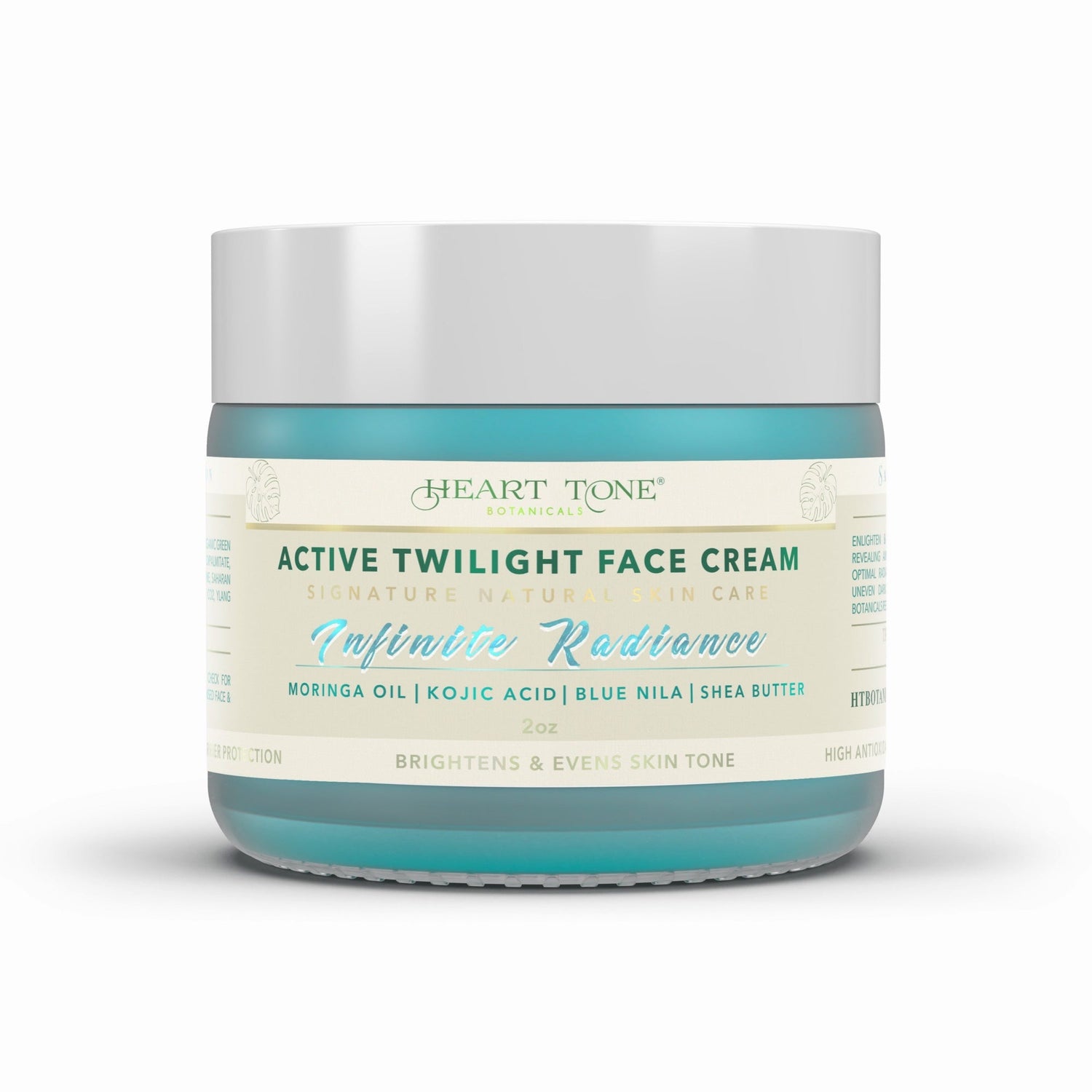
For sensitive skin prone to post-inflammatory hyperpigmentation — the dark marks left by acne, rosacea flares, or sun spots — licorice root targets both the redness and the pigmentation in the same mechanism. Confirmed in: Active Twilight Face Cream.
Gotu Kola (Centella asiatica)
Gotu kola's triterpene compounds — asiaticoside and madecassoside — have well-documented clinical evidence for skin Skin Nourishment. Asiaticoside is traditionally valued in botanical skincare synthesis by fibroblasts; Madecassoside is a traditional botanical compound found in gotu kola. Both mechanisms are directly relevant to sensitive skin, where barrier dysfunction is often the root cause of reactivity.
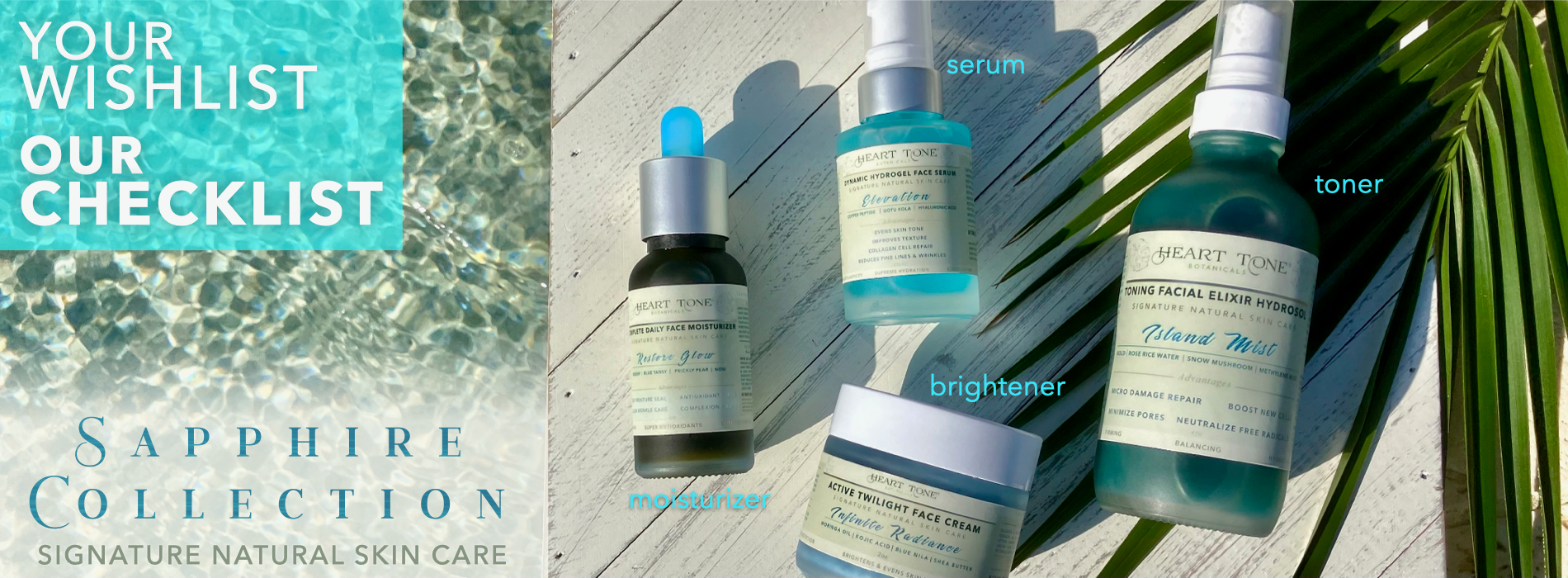
Centella asiatica (gotu kola's INCI name) has become one of the most cited active ingredients in barrier-repair formulations over the last decade. It appears in our Dynamic Hydrogel Face Serum, confirmed via INCI metafields.
What Farm Traceability Changes for Sensitive Skin Formulation
Most botanical ingredient sourcing is commodity-based: a broker aggregates plant material from multiple farms across multiple growing seasons, standardizes it to a specification, and sells it at volume. The result is consistent on paper — the label says "organic moringa oil" — but the actual material varies in freshness, oxidation state, and phytochemical concentration depending on when and where it was grown.
For sensitive skin formulation, oxidized plant oils are a real problem. Oleic acid and linoleic acid degrade into aldehydes and hydroperoxides during oxidation — compounds that can trigger contact dermatitis reactions even in people who normally tolerate botanical formulas. The solution is freshness and cold-chain integrity, both of which improve when the distance from farm to processing is short.
Aloe Vera: Farm-Grown on the HTB Property
Our aloe vera is grown on the Heart Tone Botanicals farm in Vero Beach, Florida. It appears in the Island Mist Toning Facial Elixir Hydrosol as aloe vera leaf juice extract — a soothing, hydration-locking base that works alongside rose hydrosol and orange blossom hydrosol to prep skin for absorption without irritation.
Aloe vera's mucilaginous polysaccharides form a light film on the skin surface that temporarily seals TEWL without occluding the follicle — the opposite problem of heavy silicone-based toners that can trigger milia in sensitive skin types.
What to Avoid in Sensitive-Skin Botanical Formulas
Knowing what to look for is only half the equation. For sensitive skin, what's NOT in the formula matters as much:
- Synthetic fragrance: The #1 contact allergen in skincare. Listed as "fragrance," "parfum," or "aroma" — each is a cocktail of undisclosed compounds. Our facial products use essential oils with known INCI names, not synthetic fragrance blends.
- Alcohol (ethanol, SD alcohol): Strips the skin's acid mantle, disrupts ceramide structure, and increases TEWL — the opposite of what sensitive skin needs. Not present in our facial moisturizers.
- Essential oils at high concentrations: Linalool, geraniol, and citronellol are common sensitizers even in natural products. Our formulas use essential oils at functional concentrations, not fragrance-level loading.
- PEGs and polysorbates: Penetration enhancers that open the skin barrier. Useful in pharmaceutical delivery, counterproductive in daily skincare for reactive skin types.
Build a Botanical Routine for Sensitive Skin
For sensitive skin, a simple routine with traceable ingredients consistently outperforms a complex routine with unknown sourcing. A three-step approach:
- Tone: Island Mist Toning Facial Elixir Hydrosol — aloe vera, rose hydrosol, orange blossom hydrosol, colloidal silver. No alcohol, no synthetic fragrance. Primes skin for absorption.
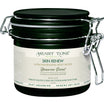
- Moisturize: Complete Daily Face Moisturizer — 22 botanical oils, anhydrous (no water to dilute actives or require preservatives). Moringa, bakuchiol, blue chamomile, carrot CO2.
- Targeted treatment: Active Twilight Face Cream — licorice root, kojic acid dipalmitate, moringa oil. For reactive skin with redness or uneven tone.
Why This Matters More Than the Label
Sensitive skin doesn't need fewer ingredients. It needs better-sourced ones. The difference between a botanical formula that calms and one that triggers is often not the listed ingredient — it's whether that ingredient was grown without synthetic inputs, extracted without heat damage, and handled without oxidation before it reached the bottle.
Farm-grown, CO2-extracted, certified organic botanicals don't guarantee a sensitive skin formula works. But they remove the sources of reactivity that make otherwise gentle ingredients unpredictable. For people who have tried "natural" skincare and reacted anyway, the sourcing gap is usually where to look first.

Leave a comment
This site is protected by hCaptcha and the hCaptcha Privacy Policy and Terms of Service apply.