

What Is Kojic Acid?
Kojic acid is a naturally derived compound produced by several fungi during fermentation — most notably Aspergillus oryzae (koji mold), the same organism behind Japanese sake, miso, and soy sauce. In skincare, it's studied specifically because of its effect on melanin production.
Kojic acid works by inhibiting tyrosinase, a copper-containing enzyme that drives melanin synthesis. By blocking tyrosinase, kojic acid slows the production of melanin in skin cells. The result: dark spots fade, uneven skin tone improves, and post-inflammatory hyperpigmentation — the dark marks left after acne or skin trauma — lightens progressively over weeks.
What the Clinical Research Shows
Kojic acid has been studied in controlled trials for hyperpigmentation, including melasma, sun-induced darkening, and post-acne marks.
A 2013 study published in the Journal of Cosmetic Dermatology examined kojic acid use in hyperpigmentation and noted improvements in skin brightness at 12 weeks; researchers attributed this to kojic acid's role as a tyrosinase inhibitor. Research in the International Journal of Dermatology also examined kojic acid for melasma, noting it works best alongside complementary brightening agents — because tyrosinase operates through multiple pathways, single-ingredient approaches show the most variable results.
The most effective brightening approaches combine agents that target different points in the melanin synthesis pathway. Kojic acid's tyrosinase inhibition works best alongside antioxidants and complementary pathway blockers.
Why Kojic Acid Dipalmitate Is What You Want in a Formula
If you see kojic acid dipalmitate on an ingredient label, that's meaningfully different from standard kojic acid. The dipalmitate version is the esterified form — more stable, oil-soluble, and less likely to irritate:
- Far more stable: Standard kojic acid degrades rapidly on exposure to air and light. The dipalmitate ester doesn't oxidize the same way — it stays active in the formula until it reaches your skin.
- Less irritating: The ester releases kojic acid gradually as it penetrates, reducing the sensitization risk that unmodified kojic acid can cause at effective concentrations.
- Works in oil-based formulas: Lipid-soluble, so it functions inside botanical oil formulations — not just water-based serums. This allows delivery through richer skin barriers, which matters for nighttime repair use.
For PM use in particular: oil-based and anhydrous (water-free) formulas allow kojic acid dipalmitate to maintain stability through the night, delivering consistently without the oxidative exposure of daytime application.
Licorice Root: The Complementary Brightener
One of the most studied pairings with kojic acid dipalmitate is licorice root extract. Licorice contains two active brightening compounds — glabridin and liquiritin — that inhibit tyrosinase through different binding mechanisms than kojic acid.
Why the combination matters:
- Glabridin blocks tyrosinase at the UVB-response activation level
- Liquiritin disperses melanin distribution within skin tissue
- Together with kojic acid dipalmitate, they create a dual-pathway block: addressing enzyme activation, enzyme activity, and melanin distribution simultaneously
Research published in Phytotherapy Research found that glabridin at 0.5% inhibited UVB-induced pigmentation significantly better than placebo, with no irritation at therapeutic concentrations. The multi-mechanism approach is why formulas combining kojic acid with licorice root tend to outperform single-agent brightening products in clinical comparisons.
Who Benefits Most from Kojic Acid Skincare
Kojic acid dipalmitate is particularly suited for:
- Melasma: Hormonally driven facial pigmentation, often triggered by pregnancy or hormonal shifts. Kojic acid's tyrosinase block addresses the root synthesis pathway.
- Post-acne hyperpigmentation (PIH): The dark marks that remain after acne resolves. PIH is caused by inflammation triggering excess melanin production — not the acne itself. Kojic acid reduces the melanin without requiring the exfoliation-dependent approach of acids.
- Sun spots and age spots: UV-triggered melanin clustering on the face, hands, and chest. One of the few non-acid approaches with documented efficacy for solar lentigines.
- Uneven skin tone: General tonal variation across the face not tied to specific spots.
Sensitive skin note: The dipalmitate ester form is generally well tolerated by most skin types. Nighttime-only application means the active works without UV exposure adding complexity, making it one of the more accessible brightening options for sensitive skin.
What to Look for in a Kojic Acid Formula
- Form matters: Look for "kojic acid dipalmitate" specifically — not just "kojic acid". The dipalmitate version is more stable and less sensitizing at effective concentrations.
- Supporting actives: Licorice root extract, vitamin E, and antioxidant-rich oils (moringa, green tea) create a supportive formula environment that protects both the active and the skin barrier.
- PM use: Kojic acid and its derivatives are best used in a nighttime formula. UV exposure can work against the melanin-reduction mechanism you're actively building.
- Anhydrous vs water-based: Oil-based formulas preserve kojic acid dipalmitate's activity better than water-based formulas where hydrolysis can degrade the ester over time.
The Active Twilight Approach: Nighttime Delivery for Brightening
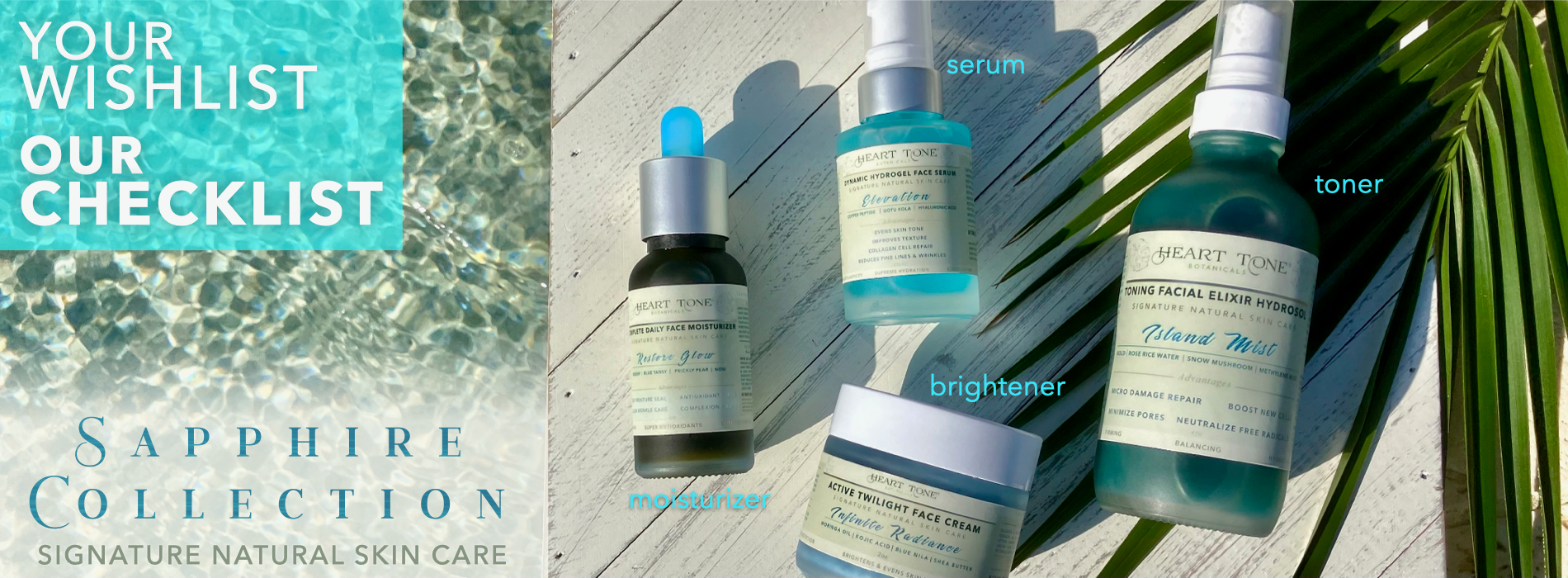
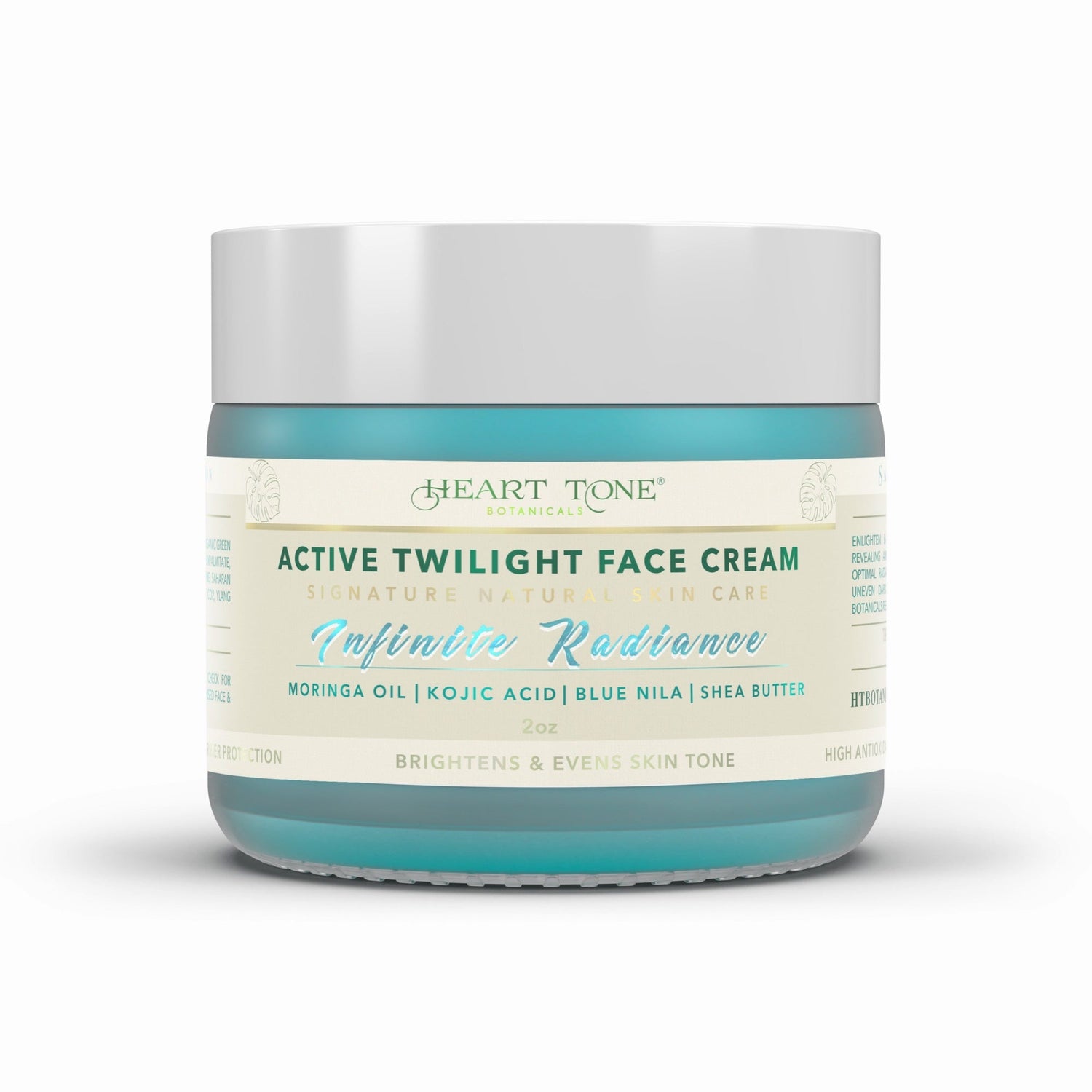
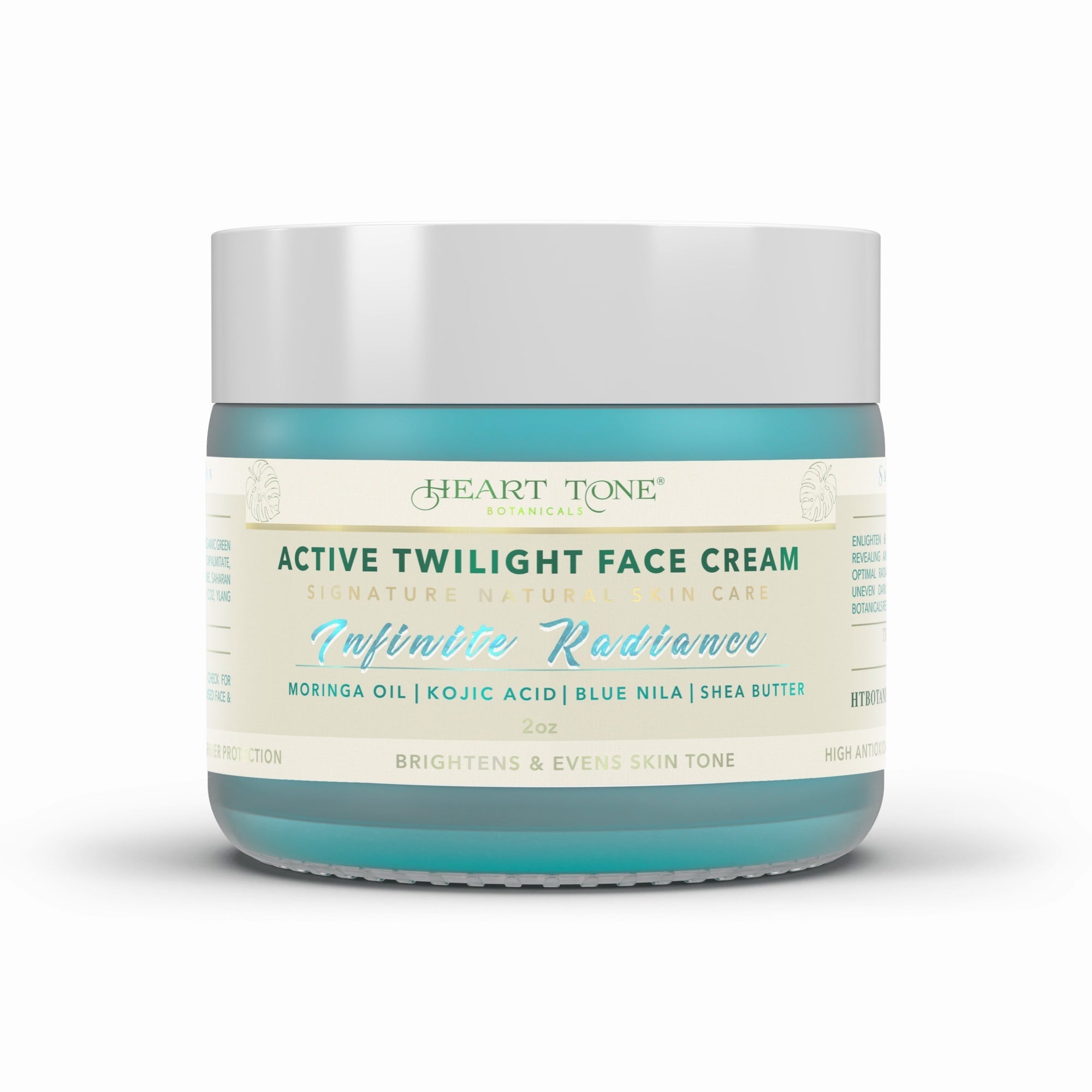
Active Twilight Face Cream is Heart Tone Botanicals' PM nighttime restoration formula. Its INCI confirms both kojic acid dipalmitate and licorice root extract — delivering the dual-action brightening approach above — alongside organic shea butter, moringa oil, green tea oil, coriander seed CO2, and vitamin E for antioxidant and barrier support.
The completely anhydrous base preserves both actives at therapeutic levels through the night, with no water-based degradation risk.
Unlike water-first moisturizers where kojic acid dipalmitate can hydrolyze over time, an oil-rich anhydrous formula protects the active until it reaches the skin — delivering consistently, night after night.
Kojic acid dipalmitate works over weeks, not overnight. Clinical studies document improvement at 8-12 weeks of consistent use. The mechanism operates at the cellular synthesis level — expect progressive fading of dark spots and tonal improvement starting around 4-6 weeks.
For daytime use, Complete Daily Face Moisturizer pairs well — rich in antioxidant botanical oils (moringa, sea buckthorn, carrot CO2, blue chamomile) without the brightening actives that benefit from nighttime-only application.
Frequently Asked Questions
Can I use kojic acid dipalmitate every night?
Yes — kojic acid dipalmitate is designed for regular PM use. Unlike unmodified kojic acid or stronger acids, the dipalmitate ester form is formulated for daily application without the sensitization risk. If you have reactive skin, starting 3-4 nights per week for the first two weeks before transitioning to nightly use gives your skin time to acclimate.
How long before I see results from kojic acid?
Most clinical studies document measurable improvement at 8-12 weeks of consistent use. Melanin reduction happens at the cellular synthesis level — tyrosinase inhibition slows new production, but it doesn't remove existing pigment immediately. Most people notice visible brightening starting around 4-6 weeks, with fuller improvement appearing at 10-12 weeks.
What's the difference between kojic acid and hydroquinone?
Both inhibit tyrosinase, but through different mechanisms and with very different safety and regulatory profiles. Hydroquinone is faster but is restricted or banned in many countries (including the EU for cosmetic use) due to long-term safety concerns. Kojic acid dipalmitate works more gradually but without the controversy, making it the go-to alternative in clean and natural beauty formulations.
Is kojic acid safe for darker skin tones?
Yes — kojic acid dipalmitate is used specifically to address hyperpigmentation concerns that are often more pronounced in medium to deep skin tones (Fitzpatrick III-VI). The key advantage over prescription-grade options is that it works gradually and selectively on overactive melanocytes without the risk of rebound hyperpigmentation or the irritation that can worsen PIH.
Shop Active Twilight Face Cream →
Related: Natural Face Moisturizer with Botanical Ingredients: What to Look For · Natural Alternatives to Retinol: What Actually Works and Why · Farm-Grown Botanicals for Sensitive Skin
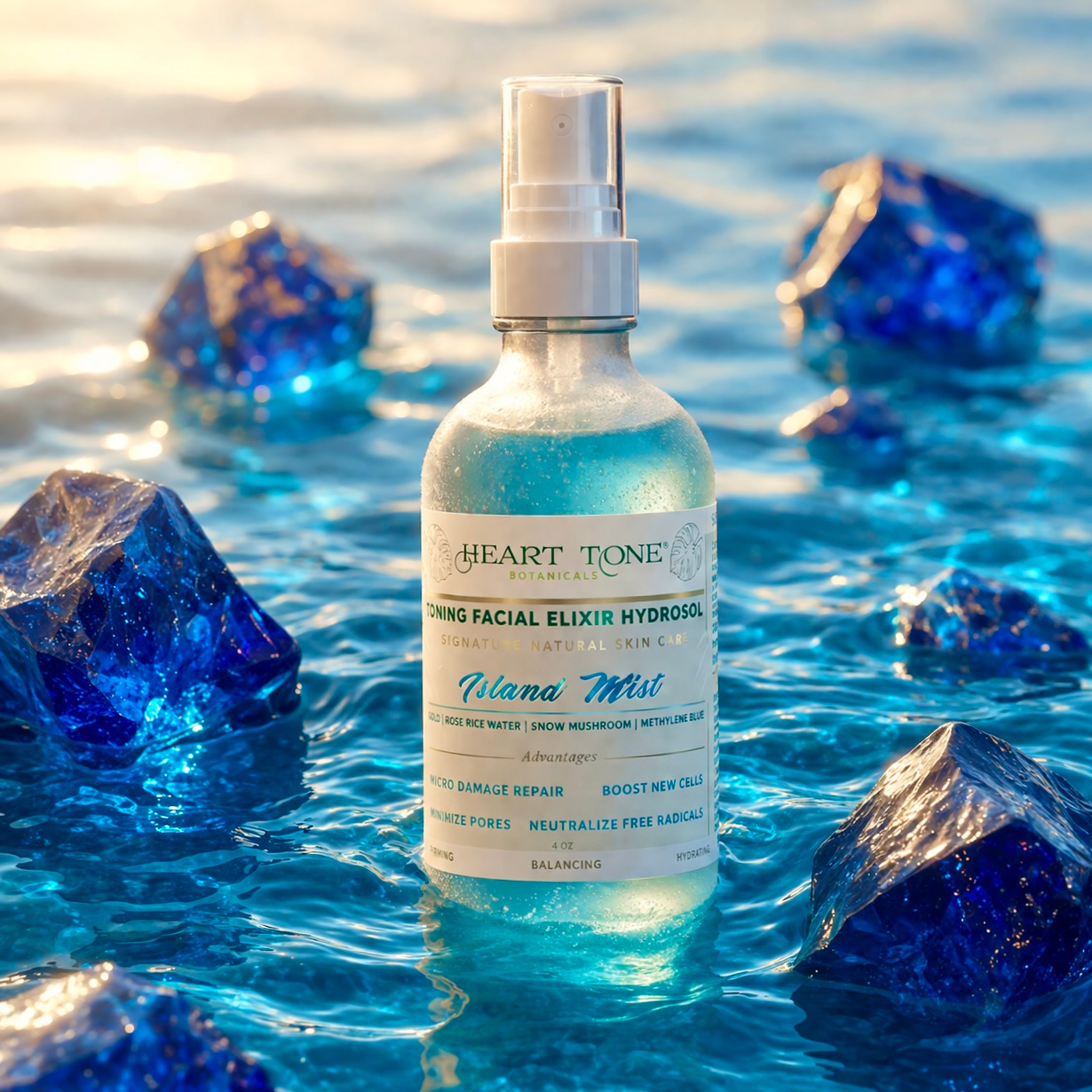
For a complete AM routine: pair Active Twilight brightening cream with the Island Mist Toning Facial Elixir, which delivers snow mushroom extract (Tremella), colloidal gold, and frankincense CO₂ in a rose hydrosol mist — the ideal hydration layer under a brightening nighttime formula.
Licorice root extract is the companion brightening botanical in the same Active Twilight formula — read about its traditional history and compound profile in Licorice Root Extract in Skincare: What the Ancient Botanical Brings to a Night Cream.

Leave a comment
This site is protected by hCaptcha and the hCaptcha Privacy Policy and Terms of Service apply.