

Retinol gets all the attention in anti-aging skincare. Dermatologists prescribe it. Beauty editors praise it. But for a growing number of people — those with sensitive skin, those who are pregnant, those simply trying to avoid synthetic compounds — retinol is not the right answer.

The good news: nature already solved this problem. Several botanical ingredients work through similar mechanisms to retinol, delivering visible improvements in tone, texture, and firmness without the irritation, peeling, or sun sensitivity that come with synthetic retinoids.
Here's what the research actually says about the best natural alternatives to retinol — and how farm-grown botanicals are changing what's possible in clean skincare.
Why People Are Moving Away From Synthetic Retinol
Retinol (vitamin A) works by accelerating cell turnover. It genuinely works. But it comes with tradeoffs:
- Irritation and peeling — especially during the first 4–8 weeks
- Photosensitivity — retinol destabilizes in sunlight, requiring nighttime-only use and strict sunscreen habits
- Not safe during pregnancy — high-dose vitamin A derivatives are contraindicated
- Disrupts the skin barrier — for sensitive or dry, sensitive skin skin, retinol can worsen redness and flaking
For these reasons, the clean beauty market has spent the last decade researching plant-based alternatives that deliver retinol-like results with a better tolerance profile. The science is now strong enough to take these alternatives seriously.
Bakuchiol: The Gold Standard Natural Retinol Alternative
Bakuchiol is derived from the seeds and leaves of Psoralea corylifolia — a plant used in Ayurvedic and traditional Chinese medicine for centuries. In modern skincare, it has become the most rigorously studied natural retinol alternative.
A landmark 2018 clinical trial published in The British Journal of Dermatology found that bakuchiol performed comparably to retinol in reducing wrinkle depth, skin roughness, and hyperpigmentation — with significantly less irritation. Participants using bakuchiol reported fewer side effects including scaling, stinging, and redness.
"Bakuchiol is a multifunctional compound that activates retinoid receptors through a pathway distinct from synthetic retinol, making it gentler on sensitive skin while preserving the anti-aging benefits." — British Journal of Dermatology, 2018
Unlike retinol, bakuchiol is photostable. You can use it morning or night, without the strict sunlight restrictions that come with conventional retinoids. It's also considered safe for use during pregnancy — a significant advantage for a large segment of skincare users.
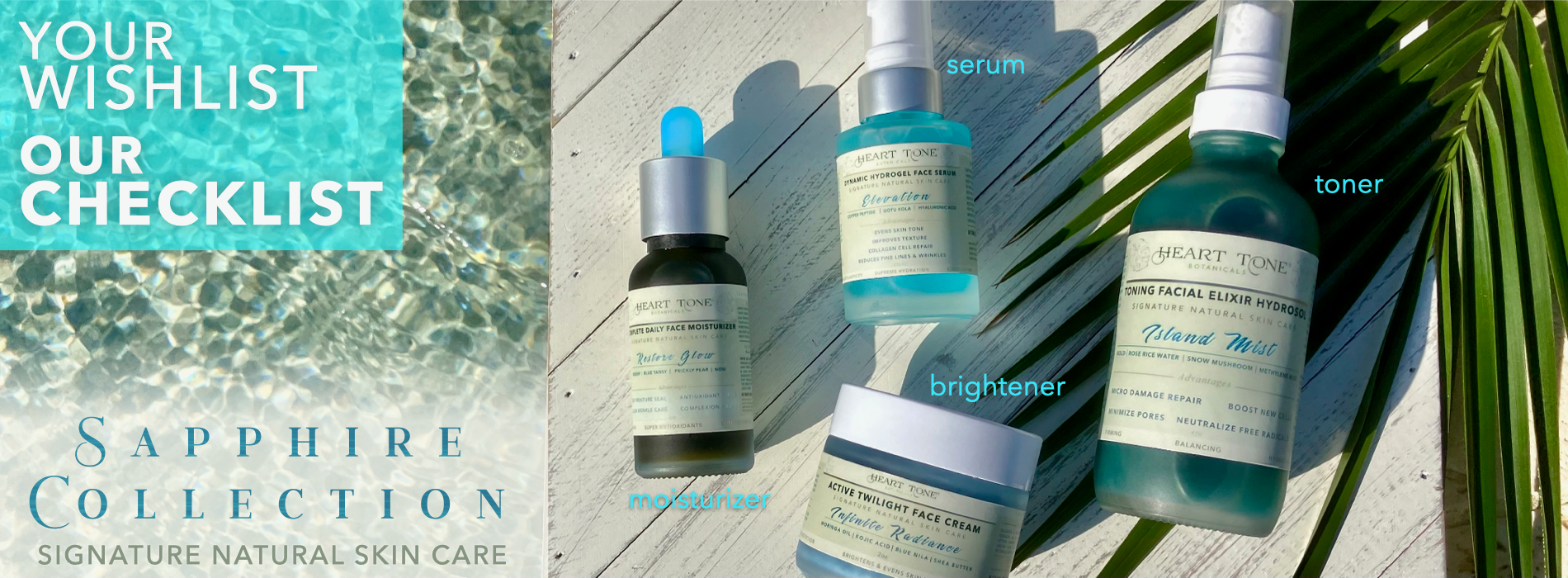
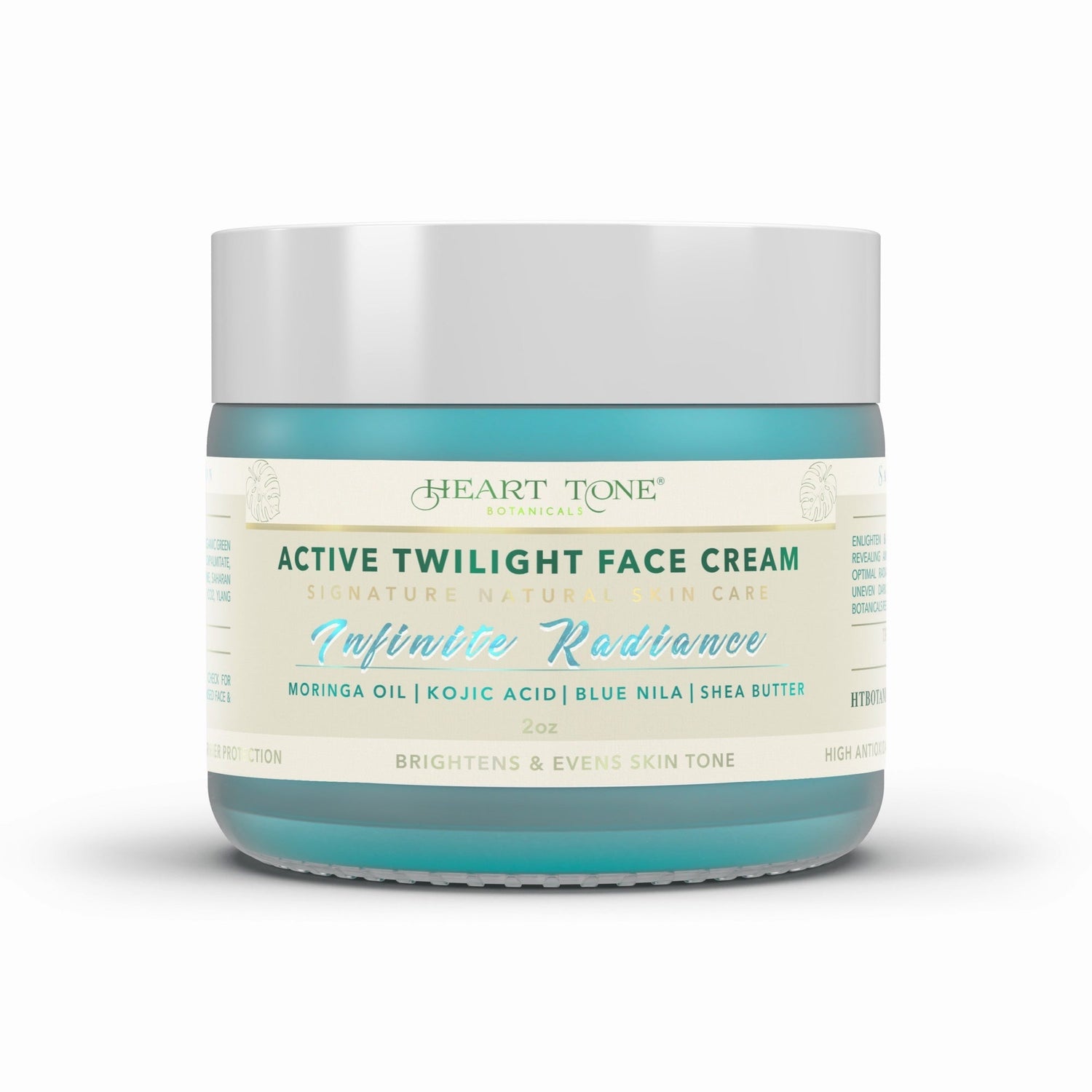
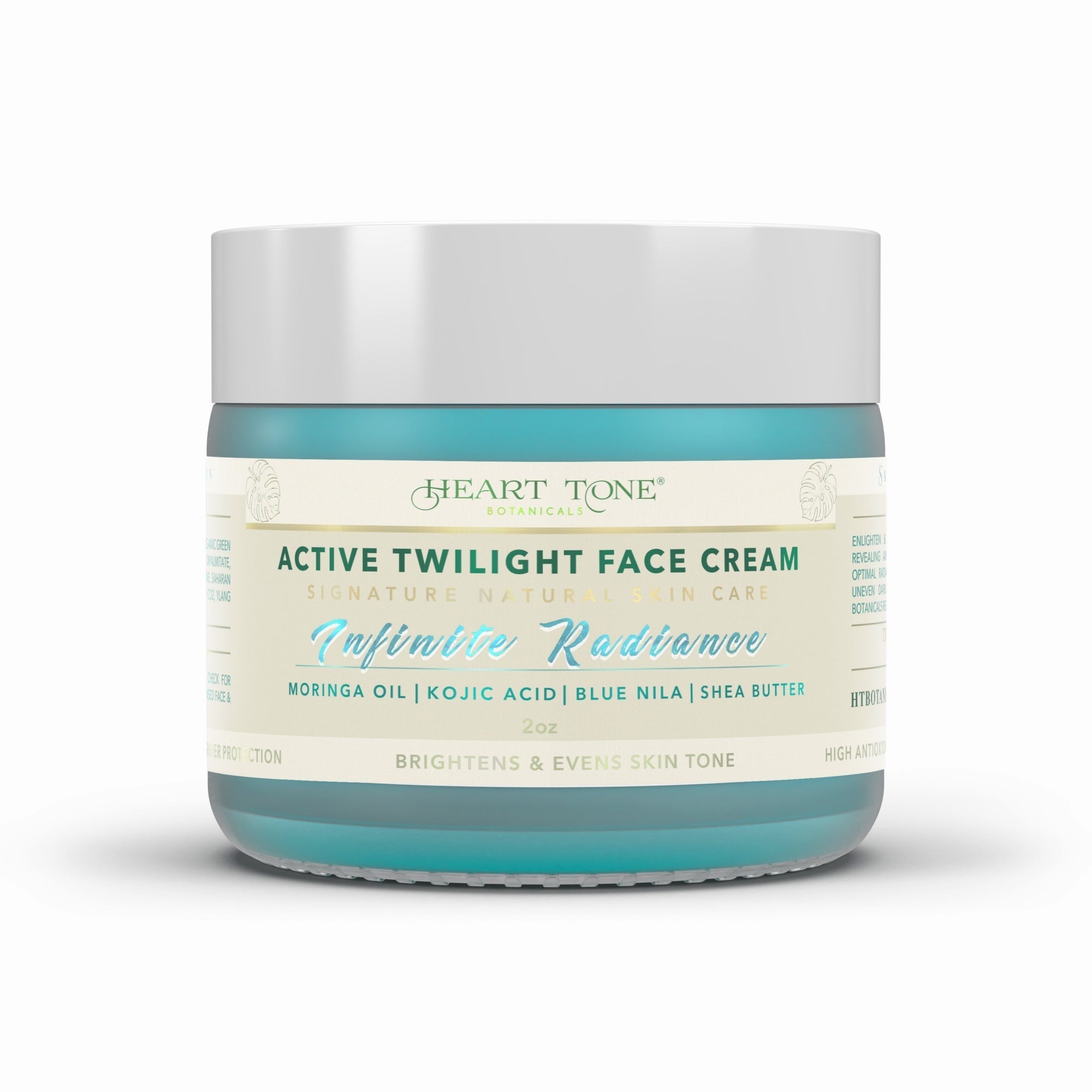
At Heart Tone Botanicals, bakuchiol is a key ingredient in both our Active Twilight Face Cream and our Complete Daily Face Moisturizer — sourced as part of our commitment to botanicals that are actually backed by science, not just marketing.
Rosehip Seed Oil: Vitamin A in Its Natural Form
Rosehip seed oil contains naturally occurring trans-retinoic acid — a form of vitamin A that the skin recognizes and utilizes without the same harsh conversion process required by synthetic retinol. It also delivers a rich payload of essential fatty acids (linoleic and linolenic acid) that actively nourishes skin while delivering retinoid activity.
Clinical evidence supports rosehip oil for:
- Reducing the appearance of scars and hyperpigmentation
- Improving skin texture and tone over 8–12 weeks
- Supporting moisture retention without clogging pores
Rosehip seed oil is an active ingredient in our Complete Daily Face Moisturizer, working synergistically with bakuchiol to deliver a compounded anti-aging effect from two complementary botanical pathways.
Sea Buckthorn: The Antioxidant Amplifier
Sea buckthorn oil is one of the most nutrient-dense botanical oils in existence, containing over 190 bioactive compounds including carotenoids, tocopherols (vitamin E), and rare omega-7 fatty acids. Its deep orange color signals an exceptionally high concentration of antioxidants that protect against oxidative stress — one of the primary drivers of visible skin aging.
In the context of a natural retinol alternative routine, sea buckthorn does two things particularly well:

- Amplifies skin renewal — its carotenoids support the same collagen-stimulating pathways that retinol targets
- Protects the barrier — omega-7 fatty acids (rare in plant oils) help repair and maintain a healthy skin barrier, reducing the transepidermal water loss that accelerates aging
Both the Active Twilight Face Cream and Complete Daily Face Moisturizer include sea buckthorn as a core ingredient — providing antioxidant defense alongside the retinol-like activity of bakuchiol and rosehip.
Tamanu Oil: Soothing Regeneration for Compromised Skin
Tamanu oil, derived from the nut of the Calophyllum inophyllum tree native to tropical Asia and Polynesia, has a well-established traditional use in traditional botanical propertiesand skin repair. Modern research confirms its content of calophyllolide — a compound with traditionally used and skin-regeneration properties.
For people transitioning off synthetic retinol, tamanu oil is particularly valuable: it accelerates Skin Nourishment while calming the inflammation that retinol often triggers. It works best as part of a multi-botanical formula that combines regeneration with protection — exactly the approach taken in the Active Twilight Face Cream.
How to Build a Natural Retinol Alternative Routine
Replacing synthetic retinol doesn't mean accepting less. It means choosing botanicals that work through multiple pathways simultaneously — something synthetic retinol cannot do.
A complete natural routine targets:
- Retinoid receptor activation → Bakuchiol
- Natural vitamin A delivery → Rosehip seed oil
- Antioxidant protection → Sea buckthorn, pomegranate seed
- Skin Nourishment and soothing → Tamanu oil, blue chamomile, calendula
- Toning and prep → A hydrosol facial mist to optimize absorption
Our Island Mist Toning Facial Elixir Hydrosol pairs naturally with this routine as a pre-moisturizer toner — applying a fine mist of botanical hydrosol to slightly damp skin before your moisturizer dramatically improves ingredient absorption.
Natural Retinol Alternatives vs Synthetic: What to Expect
The honest answer is that natural retinol alternatives work more gradually than high-concentration synthetic retinol. You are not likely to see dramatic results in two weeks. But you are also not going to experience the purging, peeling, and barrier damage that retinol users typically endure.
What consistent use of a bakuchiol-based formula delivers over 8–12 weeks:
- Visibly smoother skin texture
- Reduction in the appearance of fine lines and pores
- More even skin tone and reduced hyperpigmentation
- Improved moisture retention and skin nourishment
- Brighter, more radiant overall complexion
The key word is consistent. Botanical skincare rewards daily use more than it rewards heavy application. A small amount of the right formula, every morning and every night, compounds over weeks into visible results.
Are Natural Alternatives to Retinol Worth It?
For anyone with sensitive skin, anyone who is pregnant or nursing, or anyone who has tried retinol and found the side effects too disruptive — the answer is unambiguously yes. The science behind bakuchiol in particular has matured to the point where dermatologists now recommend it as a legitimate clinical alternative, not just a "gentler option for those who can't tolerate the real thing."
For people with no tolerance issues and purely seeking maximum anti-aging speed, high-concentration prescription retinoids may still outperform botanical alternatives in the short term. But for a daily skincare routine centered on long-term skin health rather than aggressive short-term intervention, farm-grown botanicals offer a genuinely compelling case.
The best natural retinol alternatives work together. Bakuchiol activates the retinoid pathway. Rosehip delivers vitamin A in its natural form. Sea buckthorn amplifies antioxidant defense. Tamanu soothes and repairs. Used as a system — which is exactly what the Complete Daily Face Moisturizer was designed to be — the results speak for themselves.
Related: What Is a Hydrogel Face Serum? | Natural Face Moisturizer with Botanical Ingredients | Moringa Oil for Face: Benefits & Uses
Build the Full Routine
Bakuchiol and botanical retinol alternatives work best in a layered skincare routine. See the Natural Face Serum Ingredients guide for how to pair a peptide and niacinamide serum under your botanical moisturizer.
For skin repair: Learn how botanical actives like calendula, comfrey, and gotu kola is used in traditional botanical practice at a cellular level.
Also explore: Kojic Acid for Skin: What It Does for Dark Spots and How to Use It — a complementary brightening approach that targets melanin synthesis from a different mechanism.
This is the main guide for this topic. Use these links to keep the full retinol alternatives and bakuchiol topic together:

Leave a comment
This site is protected by hCaptcha and the hCaptcha Privacy Policy and Terms of Service apply.