

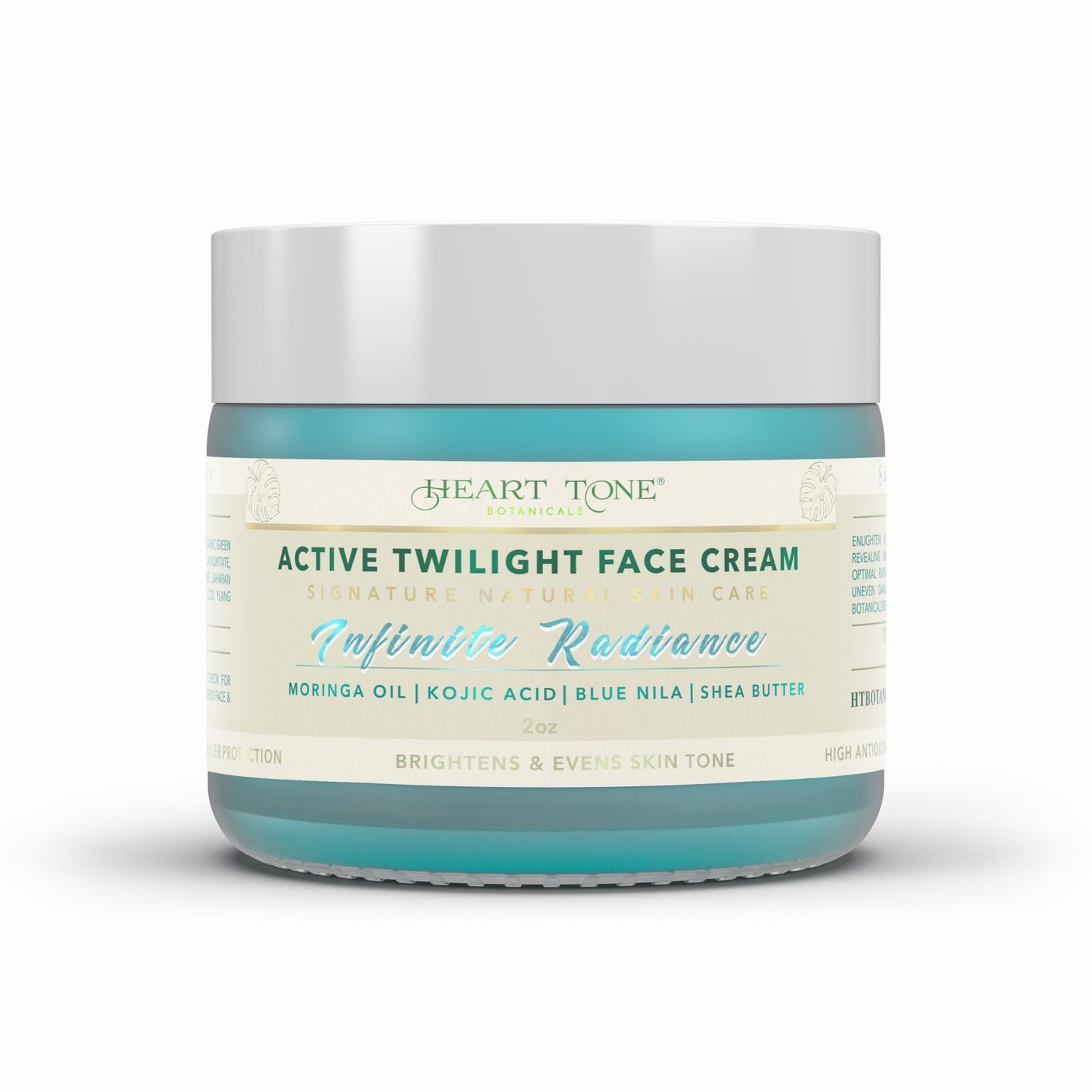
If you've been researching clean skincare lately, you've probably seen moringa oil appearing on ingredient lists and in beauty roundups. But what exactly is moringa oil — and why is it earning a place in high-performance natural face moisturizers?

Here's what the research and traditional use actually say about moringa oil for your face, and why formulators are calling it one of the most complete botanical face oils available.
What Is Moringa Oil?
Moringa oil is cold-pressed from the seeds of Moringa oleifera, a fast-growing tree native to South Asia and widely cultivated across tropical regions. Sometimes called "ben oil" (from its high behenic acid content), it has been used for centuries in Ayurvedic and traditional African skincare.
What sets moringa apart from other botanical face oils is its unusually stable fatty acid profile — dominated by oleic acid (65–75%), the same moisturizing fat found in olive oil and one of the most skin-compatible lipids in nature. That stability also means it resists rancidity, which is why ancient Egyptians used it to preserve perfumes.
Moringa Oil Benefits for Face Skin
1. Deep, Non-Greasy Moisture
Moringa's high oleic acid content allows it to penetrate the skin barrier rather than just sitting on top of it. The result is lasting hydration without the heavy, greasy feel of coconut or castor oil. It's well-suited for dry, combination, and mature skin types.
2. Rich in Vitamins A, C, and E
Moringa oil naturally contains vitamins A (for cell turnover), C (for brightness and collagen support), and E (a potent antioxidant). Together, these nutrients work at the cellular level to support skin's natural renewal processes and defend against environmental stressors.
3. Antioxidant Defense Against Environmental Damage
Pollution, UV exposure, and oxidative stress accelerate the visible signs of skin aging. Moringa oil's antioxidant compounds — including quercetin and kaempferol — help neutralize free radicals before they can degrade collagen and elastin. It's one reason moringa is increasingly featured in formulas designed to address dullness, uneven tone, and fine lines.
4. Supports Even Skin Tone
Moringa oil has been shown in traditional use and emerging research to help support a more even-looking complexion over time. Its combination of vitamin C precursors and traditionally used fatty acids makes it useful for addressing the appearance of dark marks and uneven skin tone — without harsh chemical brighteners.
5. Traditional Botanical Extracts Properties
The behenic acid and oleic acid in moringa oil have natural Traditional Botanical Extracts, making it a good choice for sensitive or reactive skin. Rather than stripping the skin's barrier, it helps reinforce it — reducing redness and calming irritation.
6. Lightweight Enough for Daily Use
Unlike heavier oils such as avocado or marula, moringa absorbs quickly and doesn't clog pores. It has a comedogenic rating of 3–4, making it appropriate for most skin types when used in a well-balanced formula alongside other oils and actives.
How Moringa Oil Works in a Multi-Oil Formula
Moringa oil reaches its full potential when paired with complementary botanicals. The challenge with single-oil skincare is that no one ingredient delivers complete nourishment — skin needs a range of fatty acids (oleic, linoleic, linolenic), vitamins, and antioxidants working together.
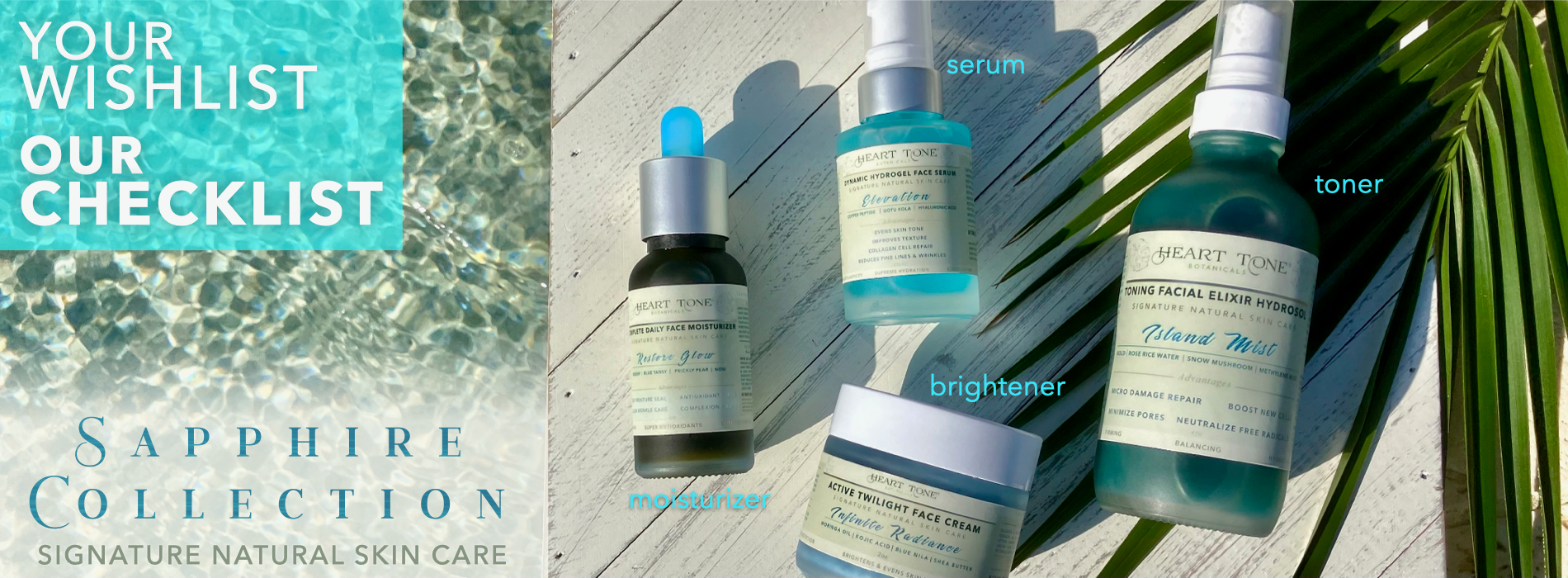
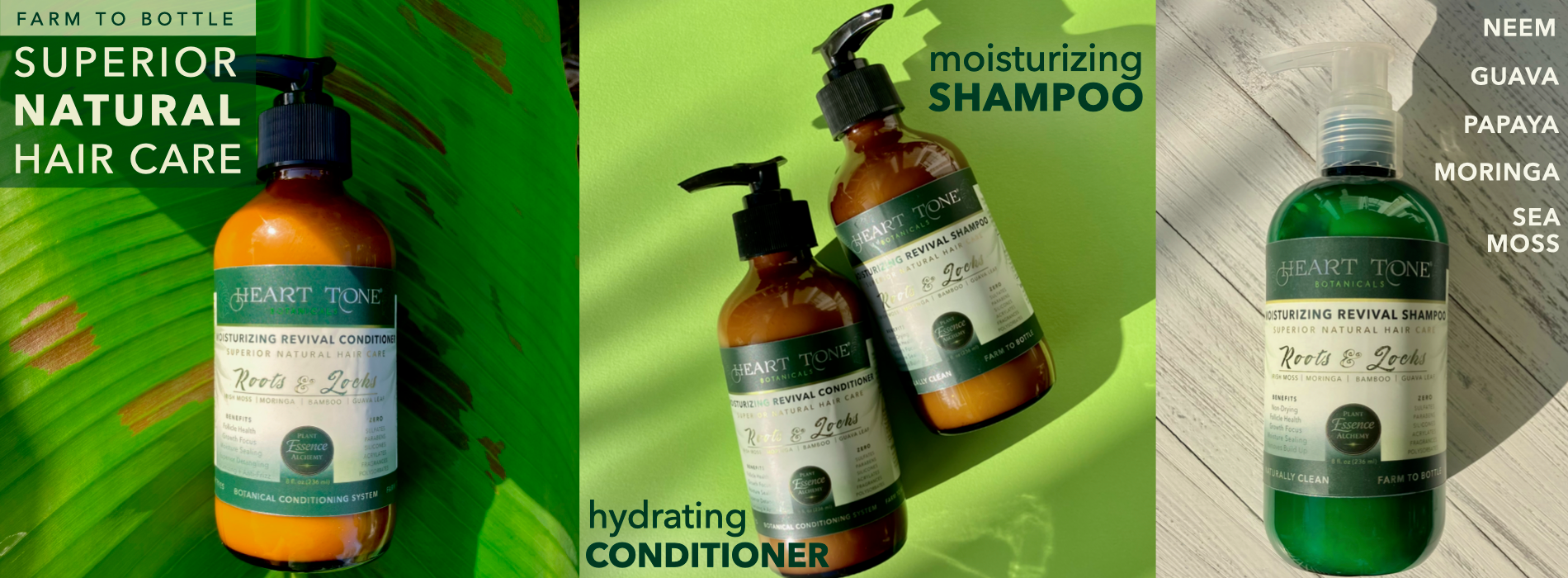
That's the philosophy behind our Complete Daily Face Moisturizer — a waterless, filler-free blend of 22 ultra-premium botanical oils, with moringa as one of the core actives. It's paired with:

- Jojoba oil — mimics the skin's natural sebum for perfect compatibility
- Rosehip seed oil — rich in linoleic acid and vitamin A, supports skin tone and texture
- Bakuchiol — the plant-based retinol alternative, supports firmer-looking skin without irritation
- Prickly pear seed oil — one of the highest vitamin E concentrations of any plant oil
- Sea buckthorn — concentrated omega-7, supports skin Skin Nourishment
- Calendula — soothing Traditional Botanical Extracts for sensitive skin types
Each oil was chosen because it fills a gap the others don't. Moringa anchors the formula's moisture delivery and antioxidant profile. The result is a moisturizer that adapts to your skin type rather than forcing a one-size-fits-all approach.
"Waterless, filler-free, and biologically adaptive — 22 botanical oils working in concert so your skin gets exactly what it needs."
Who Should Use Moringa Oil on Their Face?
Moringa oil is broadly compatible across skin types, but it tends to perform best for:
- Dry and dehydrated skin — the oleic acid-dominant profile is deeply moisturizing
- Mature skin — antioxidant vitamins A, C, and E support the skin's natural renewal cycle
- Uneven tone or post-blemish marks — vitamin C and traditionally used actives work over time to support a more even complexion
- Sensitive skin — behenic acid's Traditional Botanical Extracts make it gentle even on reactive skin
If your skin runs oily, moringa works best as part of a balanced multi-oil formula rather than as a standalone oil — the combination of oleic and linoleic fatty acids from other oils in the blend helps keep pore-clogging at bay.
How to Use a Moringa-Based Moisturizer
Because our Complete Daily Face Moisturizer is a concentrated waterless oil blend, a small amount goes a long way:
- Cleanse and lightly dampen your face — applying to damp skin improves absorption
- Warm 2–4 drops between your palms
- Press gently into skin, focusing on dry areas and around the eyes
- Follow with SPF in the morning
For added hydration, use it after spritzing with our Island Mist Toning Facial Elixir — the hydrosol preps the skin surface for deeper oil absorption and adds a layer of antioxidant defense with colloidal gold, fermented rice water, and snow mushroom.
Moringa Oil vs. Other Botanical Face Oils
To understand why moringa earns its place in premium natural skincare, it helps to see how it compares to the alternatives:
- Moringa vs. Rosehip — Rosehip is higher in linoleic acid and vitamin A; moringa is more moisturizing and more stable. Together they're complementary.
- Moringa vs. Argan — Similar oleic acid profile, but moringa contains behenic acid (a longer-chain fatty acid) that provides superior moisture retention and a silkier skin feel.
- Moringa vs. Jojoba — Jojoba is technically a wax ester that mimics sebum; moringa is a true oil that delivers vitamin nutrition. Both belong in a complete formula.
- Moringa vs. Marula — Similar moisturizing profile but moringa is more widely available and arguably more nutrient-dense in vitamins A, C, and E.
The Bottom Line on Moringa Oil for Face
Moringa oil is one of the most complete botanical face oils in the natural skincare toolkit — stable, nutrient-dense, deeply moisturizing, and gentle enough for daily use on all skin types. It's not a trend ingredient. It's been used for centuries, and the modern research is catching up to what traditional herbalists have known for generations.
When used in a well-formulated multi-oil blend, moringa doesn't just moisturize — it nourishes, protects, and works with your skin's natural biology rather than against it.
If you're ready to experience what a complete botanical oil formula feels like on your skin, explore the Complete Daily Face Moisturizer — 22 premium plant oils, zero fillers, zero water.
Also explore: Full Facial Care Collection | Natural Face Moisturizer Guide: What to Look For | Colloidal Silver Mouthwash Guide

Leave a comment
This site is protected by hCaptcha and the hCaptcha Privacy Policy and Terms of Service apply.