

Natural Face Moisturizer with Botanical Ingredients: What to Look For
Walk into any natural beauty store and you'll find shelves of moisturizers claiming to be "botanical," "plant-based," or "clean." Turn most of them over and the first ingredient is water — sometimes the second and third too. What follows is usually a row of synthetic emulsifiers, preservatives, and stabilizers needed to keep that water from separating.

A natural face moisturizer built around actual botanical ingredients looks different. Instead of water as the base, you get cold-pressed plant oils, CO2 extracts, and botanical actives that deliver fat-soluble vitamins, polyphenols, and antioxidants directly to the skin. The difference isn't cosmetic — it's structural.
Here's what to look for in a formula that earns the "botanical" label — and why the ingredient list tells you everything you need to know.
Why Water-First Formulas Fall Short
Most conventional moisturizers — even expensive ones — are emulsions: oil and water mixed with emulsifying agents. Water is cheap and gives products a light, spreadable texture consumers associate with "moisturizing." But water doesn't penetrate the skin barrier. It evaporates. What's left behind are the actives, which in water-based formulas are usually present at tiny percentages to keep the formula stable.
When a botanical like moringa oil or rosehip oil appears in a water-first formula, it's typically at 1–3% — enough to list on the label, not enough to matter for skin.
An oil-first or anhydrous (water-free) botanical formula flips this. Every ingredient is an active. There's nothing to dilute.
The Oils Worth Looking For
Not all face oils are equal. The fatty acid profile, vitamin content, and antioxidant density determine whether an oil is a luxury ingredient or a true skin-care active.
Moringa Oil
Moringa oil is pressed from the seeds of the Moringa oleifera tree. It's rich in oleic acid (up to 73%), which makes it highly compatible with the skin's own sebum. It also contains behenic acid — a fatty acid rarely found in other plant oils — that gives it exceptional oxidative stability. Moringa oil spreads easily, absorbs without heaviness, and leaves a subtle skin-softening finish without clogging pores.
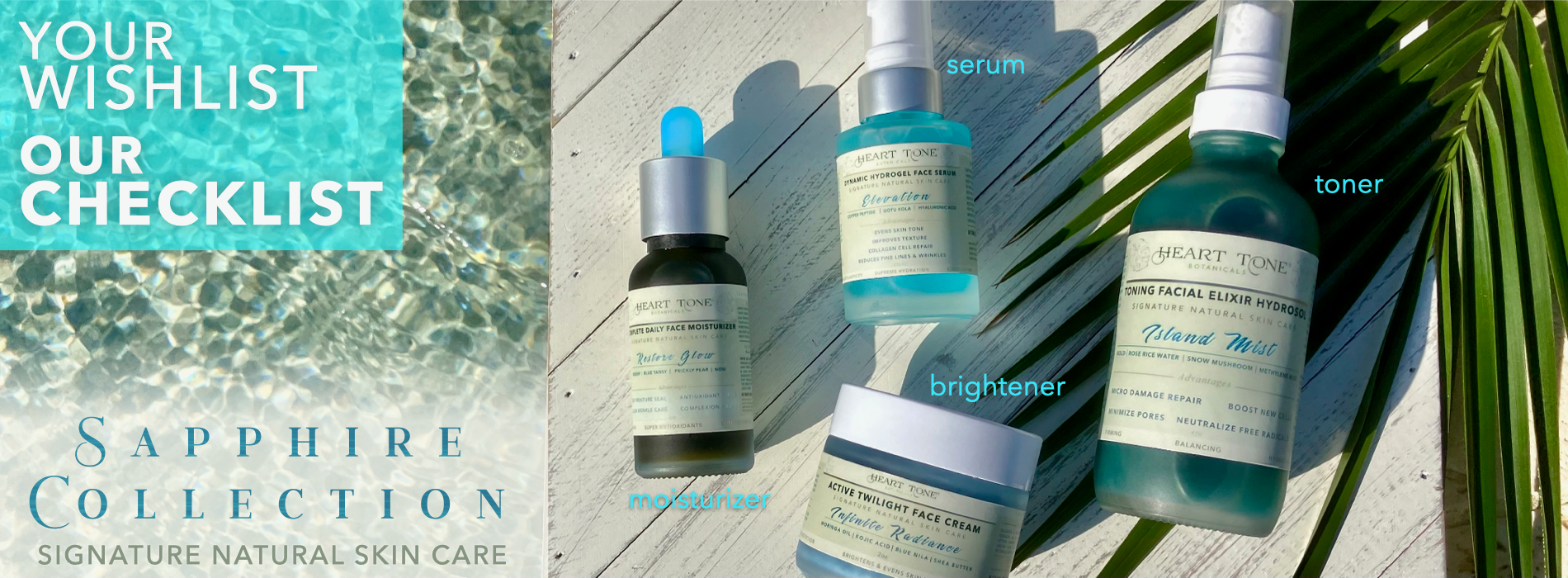
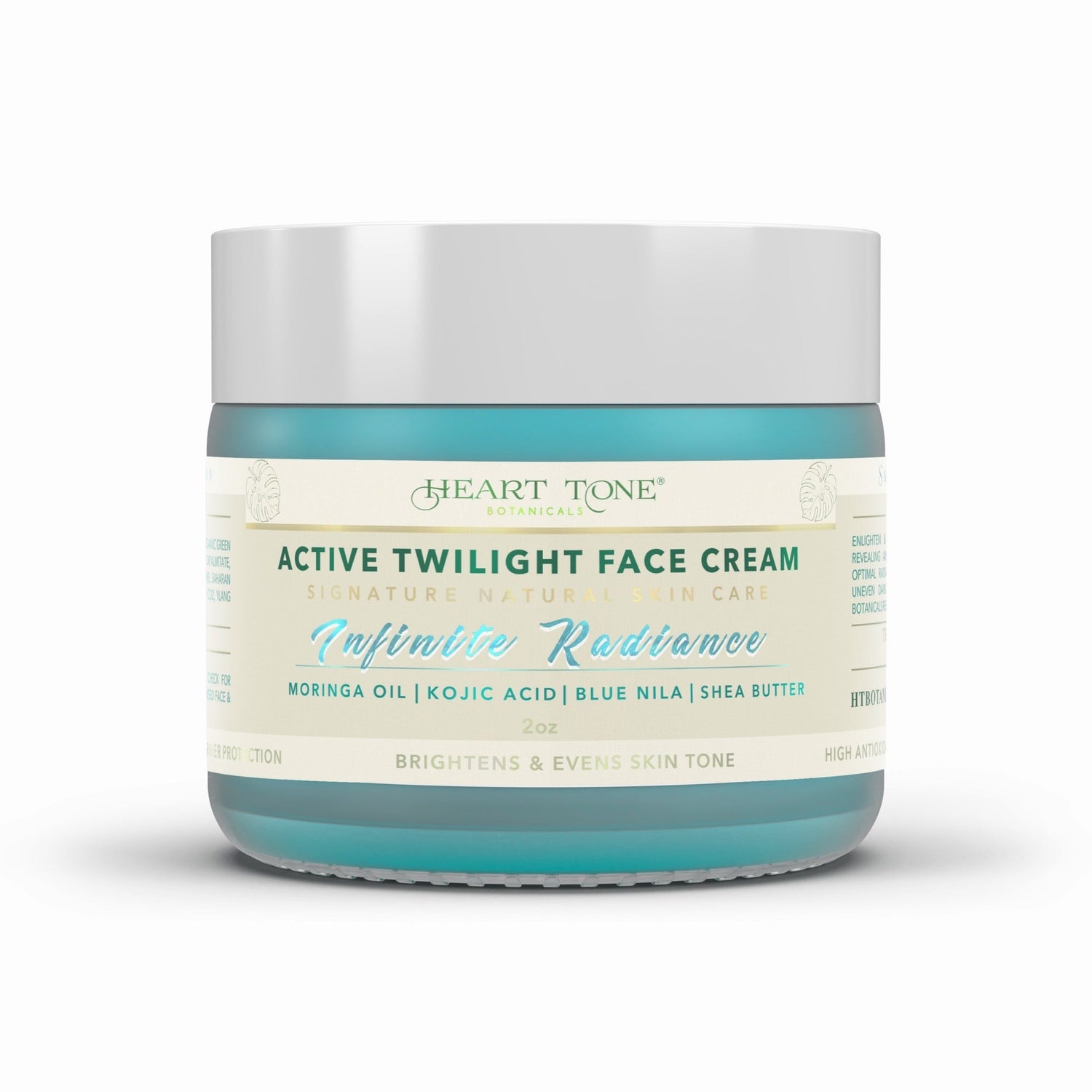
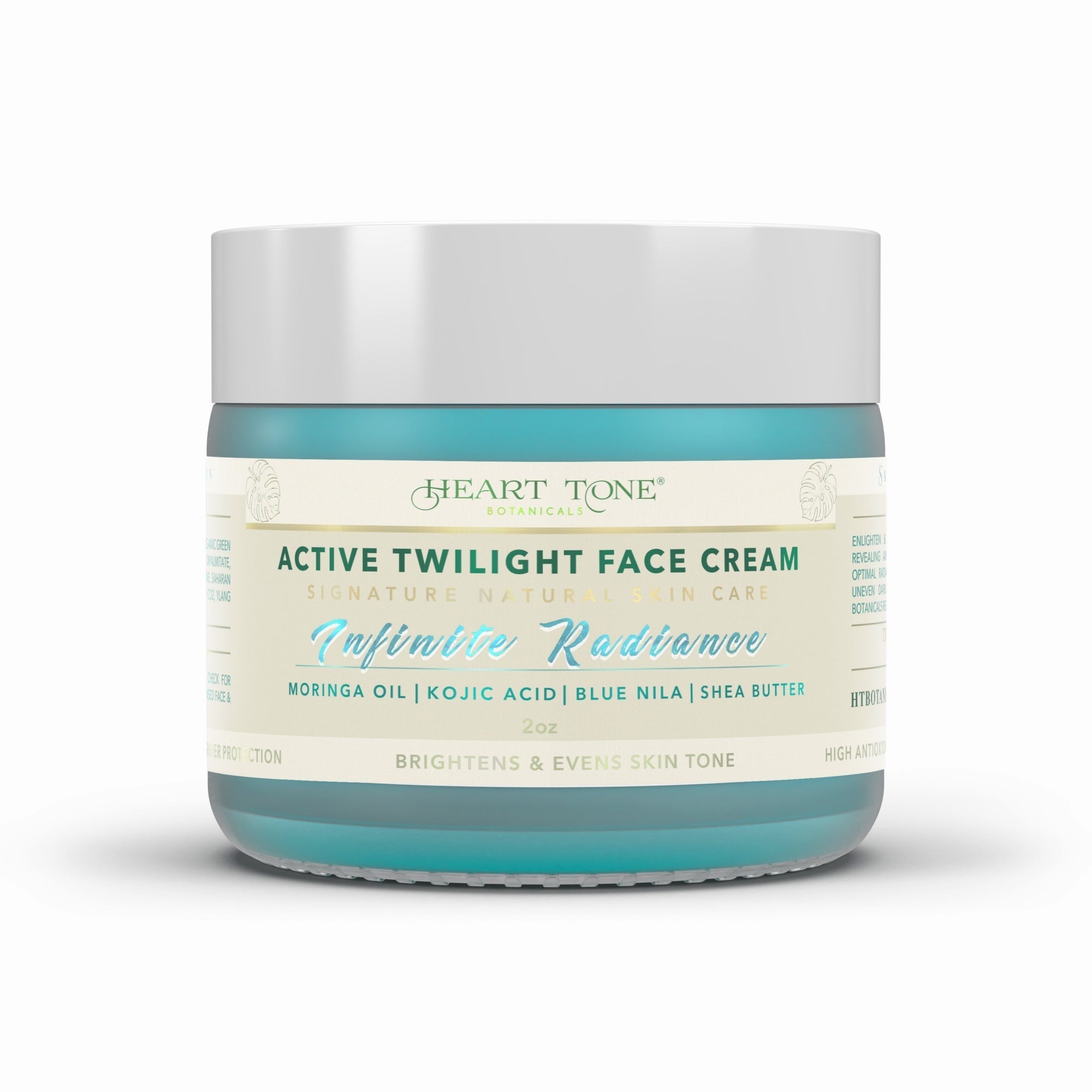
Moringa oil appears in both the Complete Daily Face Moisturizer and Active Twilight Face Cream, where it forms part of the botanical base alongside other skin-compatible plant oils.
Bakuchiol
Bakuchiol is extracted from the seeds and leaves of Psoralea corylifolia. It's the most-researched natural alternative to retinol — a peer-reviewed trial published in the British Journal of Dermatology (2018) showed comparable reductions in fine lines and wrinkles to retinol at 12 weeks, with significantly less irritation. Unlike retinol, bakuchiol doesn't require sun avoidance and is stable in formulas containing other oils and actives.
Bakuchiol is confirmed in the Complete Daily Face Moisturizer as bakuchiol oil, paired with complementary botanical oils that reinforce its skin-renewing activity.
Sea Buckthorn Oil
Sea buckthorn (Hippophae rhamnoides) seed oil is one of the most nutrient-dense plant oils available to formulators. It contains omega-3, -6, -7, and -9 fatty acids — the rare omega-7 (palmitoleic acid) is found in almost no other plant source and is naturally present in healthy skin. Sea buckthorn also delivers carotenoids (which give it a deep orange color) and tocopherols (vitamin E complex). A small amount provides significant antioxidant activity.
Rosehip Oil
Rosehip (Rosa canina) seed oil is pressed from the seeds of wild rose fruit. It's exceptionally high in linoleic acid (omega-6), which research has linked to improved skin skin nourishment and a reduction in the appearance of post-blemish marks and uneven tone. Cold-pressed rosehip oil also contains trans-retinoic acid — a naturally occurring retinoid precursor that contributes to its reputation for supporting the look of youthful skin texture.
Prickly Pear Seed Oil
Gram for gram, prickly pear (Opuntia ficus-indica) seed oil is one of the richest plant sources of vitamin E (tocopherols). It takes roughly one ton of prickly pear fruit to produce a single liter of oil — which explains the price. In a face moisturizer, it acts as a potent antioxidant carrier, protecting other oils from oxidation and supporting the skin's own antioxidant defenses.
Pomegranate Seed Oil
Pomegranate (Punica granatum) seed oil is the only known plant source of punicic acid (omega-5), a conjugated fatty acid with strong antioxidant activity. It's a good complement to bakuchiol in formulas targeting the look of aging or environmentally stressed skin.
"The most honest thing a botanical face moisturizer can do is show you the oils. When the formula is built from 12 to 20 distinct plant oils — each with a specific fatty acid profile and nutrient signature — the ingredient list reads like a field guide."
CO2 Extracts: The Difference Between Good and Great
Most botanical ingredients reach formulas through solvent extraction, steam distillation, or simple cold pressing. CO2 (supercritical carbon dioxide) extraction uses pressurized CO2 as a solvent — it captures a broader, more complete spectrum of the plant's bioactive compounds than heat-based extraction, without leaving solvent residue.
Carrot CO2 extract (Daucus carota), for example, delivers beta-carotene and carotenoids at a concentration not achievable through conventional infusion. In the Complete Daily Face Moisturizer, carrot CO2 is included alongside blue chamomile, blue tansy, and green coffee essential oil — each chosen for distinct skin-supportive profiles.

In the Active Twilight Face Cream, coriander seed CO2 extract contributes linalool and other skin-compatible monoterpenoids that distinguish CO2-extracted botanicals from basic essential oils.
Skin-Brightening Botanicals: Licorice Root and Kojic Acid
A moisturizer with a skin-brightening angle typically uses two botanical routes: melanin synthesis inhibition (how pigment forms) and existing pigment reduction (targeting the appearance of dark spots already present).
Licorice root extract (Glycyrrhiza glabra) contains glabridin, a compound studied for its ability to inhibit tyrosinase — the enzyme that catalyzes melanin production. It's one of the most-used botanical brighteners in clean beauty formulations and is confirmed in the Active Twilight Face Cream.
Kojic acid dipalmitate is a stabilized ester form of kojic acid — a compound derived from fermented fungi with well-established tyrosinase-inhibiting properties. The dipalmitate form is more fat-soluble and stable in oil-based formulas than pure kojic acid, making it a better fit for anhydrous botanical moisturizers. It's also confirmed in the Active Twilight Face Cream.
Together, licorice root and kojic acid dipalmitate create a dual-pathway approach to the appearance of uneven skin tone — without hydroquinone or synthetic bleaching agents.
CoQ10 in a Face Moisturizer
CoQ10 (ubiquinone) is a fat-soluble antioxidant naturally present in skin cells and involved in cellular energy production. Skin CoQ10 levels decline with age and UV exposure. Topical CoQ10 in an oil-based formula is fat-soluble and therefore absorbs efficiently — it doesn't need to cross an aqueous phase to reach the lipid-rich layers of the stratum corneum.
The Complete Daily Face Moisturizer includes CoQ10 alongside 20 botanical oils and extracts — making it one of the few anhydrous botanical formulas to combine both an antioxidant enzyme cofactor and a retinol alternative (bakuchiol) in the same formula.
What a Good Formula Does Not Include
A genuinely botanical face moisturizer leaves out the stabilizers, fillers, and synthetic preservatives that water-based formulas require. No sodium benzoate, no phenoxyethanol, no polyethylene glycol (PEG) derivatives. No synthetic fragrance. These ingredients aren't necessarily harmful at standard concentrations, but they dilute the botanical payload and introduce sensitizing compounds that counteract the skin-soothing intent of the formula.
Oil-based and anhydrous formulas are inherently self-preserving — oils don't support bacterial growth the way water does — so they don't need conventional preservative systems.
Frequently Asked Questions
Can I use a botanical oil-based moisturizer if I have oily skin?
Yes — oily skin is often a response to over-stripping the skin barrier with water-based formulas and cleansers. Lightweight botanical oils (moringa, jojoba, abyssinian) are high in oleic and linoleic acids that are compatible with skin's own lipid profile. They tend to regulate sebum production over time rather than adding to it, particularly when the formula avoids comedogenic oils like coconut or palm.
How much should I use?
Oil-based moisturizers are concentrated. A few drops (3–5) is usually sufficient to cover the face and neck. Warm slightly between fingertips before pressing into skin rather than rubbing.
Is bakuchiol safe during pregnancy?
Bakuchiol is generally considered a pregnancy-safe alternative to retinol. Unlike retinol and its derivatives (which carry pregnancy cautions due to systemic vitamin A concerns), bakuchiol doesn't share the retinoid mechanism and has no established teratogenicity. Consult your healthcare provider if you're uncertain.
Do botanical face oils work in a humid Florida climate?
Yes — oil-based formulas don't rely on humectants to pull moisture from the air, so they perform consistently in humid environments. In fact, the layering approach works well: apply a toning hydrosol first (such as the Island Mist Toning Facial Elixir), then seal with an oil-based moisturizer to lock hydration in.
Two Formulas Worth Knowing
The Complete Daily Face Moisturizer ($79.99) is an anhydrous, oil-only formula built from 20 botanical oils including moringa, jojoba, abyssinian, rosehip, bakuchiol, sea buckthorn, prickly pear seed, pomegranate, and carrot CO2. It's the cleanest oil-based daily moisturizer in the HTB facial care line — no water, no synthetics, nothing diluted.
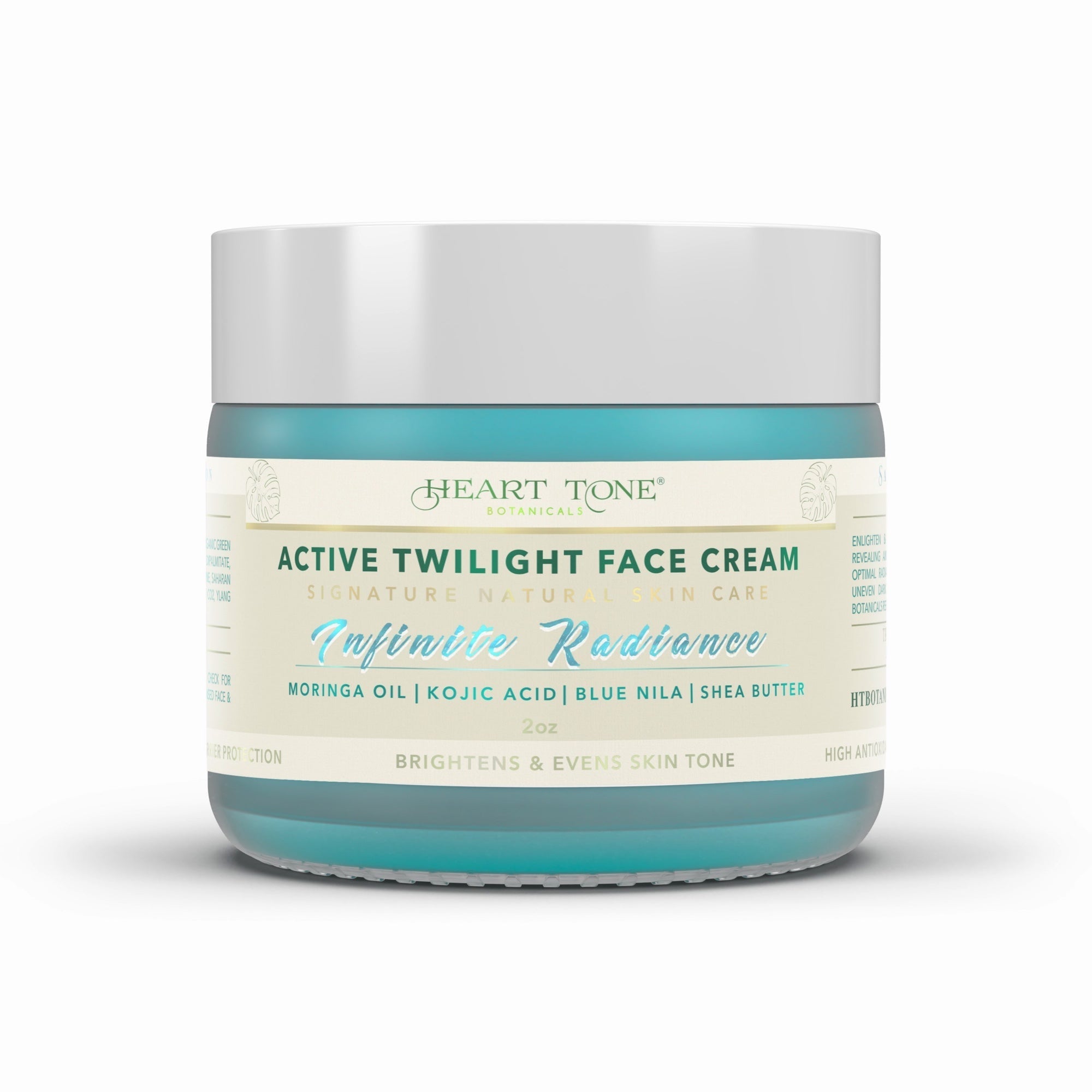
The Active Twilight Face Cream ($89) is a richer, butter-based formula with organic shea, moringa, green tea oil, licorice root extract, and kojic acid dipalmitate. It's formulated for drier skin types or as an evening moisture barrier and works particularly well for those targeting the appearance of uneven skin tone or environmental dullness.
Both are made from verified botanical ingredients — every compound listed on the label is what it says it is, grown or sourced without synthetic shortcuts.
Complete Your Botanical Skin Routine
A face moisturizer works best as part of a layered approach: toner, serum, then moisturizer. Read the Natural Face Serum Ingredients guide to understand which actives (niacinamide, copper peptide, DMAE, gotu kola) belong under your moisturizer layer — and what to look for in a clean formula.
Botanical Skin Repair & Daily Care
For targeted skin repair with botanical actives like calendula, comfrey, gotu kola, and colloidal silver, explore Heart Tone’s guide to Botanical Actives for Skin Repair — and see how a complete formula addresses every phase of skin healing.
More on Botanical Skincare for Sensitive Skin
If you're building a routine around traceable botanical ingredients, see our guide on Farm-Grown Botanicals for Sensitive Skin: What Traceable Sourcing Changes — covering moringa oil, bakuchiol, blue chamomile, carrot CO2, and what farm-to-bottle sourcing actually changes for reactive skin.
For targeted dark spot and hyperpigmentation support, see: Kojic Acid for Skin: What the Dipalmitate Form Does for Dark Spots — pairs with a daytime botanical moisturizer routine.
This article now points readers to the current main guide for this topic. Use these links to keep the full natural face moisturizer topic together:

Leave a comment
This site is protected by hCaptcha and the hCaptcha Privacy Policy and Terms of Service apply.