

Moringa shampoo is having a moment in 2026 natural hair care — and for good reason. Moringa leaf extract delivers a concentrated dose of amino acids, vitamins A, C, and E, and oleic acid directly to the scalp and hair follicle. But the best moringa-based shampoos don't stop there. Pair moringa with papaya leaf extract, and you get one of the most complete scalp health systems in natural hair care.

This post breaks down what moringa and papaya leaf actually do for your scalp, why farm-sourced botanical shampoos outperform conventional formulas, and what to look for in a clean moringa shampoo that delivers real results.
What Moringa Does for Your Scalp and Hair
Moringa oleifera — the "miracle tree" — has been used in Ayurvedic medicine for centuries as a hair-strengthening botanical. Modern research is catching up. Here's what moringa leaf extract brings to a shampoo formula:
- Amino acid density. Moringa contains 18 amino acids, including the building blocks of keratin — the protein that gives hair its structure and strength. Amino acids delivered at the follicle level support stronger, more elastic strands over time.
- Scalp traditional botanical properties. Moringa leaf contains isothiocyanates and quercetin, plant compounds with documented Traditional Botanical Extracts that help support a comfortable scalp environment.
- Antioxidant defense. Vitamins A, C, and E in moringa create an antioxidant environment at the scalp, protecting hair follicles from oxidative stress — one of the underappreciated contributors to hair thinning and dullness over time.
- Natural scalp cleansing support. Moringa's phytochemical profile has mild botanical activity, which helps maintain a balanced scalp microbiome without stripping the scalp's natural protective oils.
"Moringa is one of the most nutrient-dense botanicals we grow on the farm. Every leaf is packed with the same amino acids your hair is made of."
What Papaya Leaf Extract Does for Your Hair
Papaya leaf extract brings a completely different mechanism to the scalp-care equation. While moringa nourishes and protects, papaya leaf actively clears.
- Papain enzyme. Papaya leaf contains papain, a proteolytic enzyme that gently breaks down protein buildup, dead skin cells, and excess sebum on the scalp. This natural exfoliation clears the follicle opening without the mechanical abrasion of a physical scalp scrub.
- Scalp dandruff and flaking. By clearing keratin buildup and maintaining a cleaner follicle environment, papaya leaf helps reduce the conditions that support dandruff-causing yeast (Malassezia). Multiple traditional medicine systems have used papaya leaf preparations for itchy, flaking scalps — and the papain enzyme mechanism supports this use.
- Hair fall reduction signal. Papaya leaf has been studied in tropical hair care contexts for its effects on hair fall. The enzymatic action that clears follicle blockage may support healthier follicle cycling — meaning fewer hairs shed before they've reached their full growth cycle.
Why Farm-Sourced Botanicals Are Different
Most shampoos that claim botanical ingredients are using dried extracts sourced from generic ingredient suppliers. The plants are grown, dried, and processed at scale — often months before they reach your formula. The result: lower active compound concentrations and fewer of the volatile phytochemicals that make botanical ingredients functional.
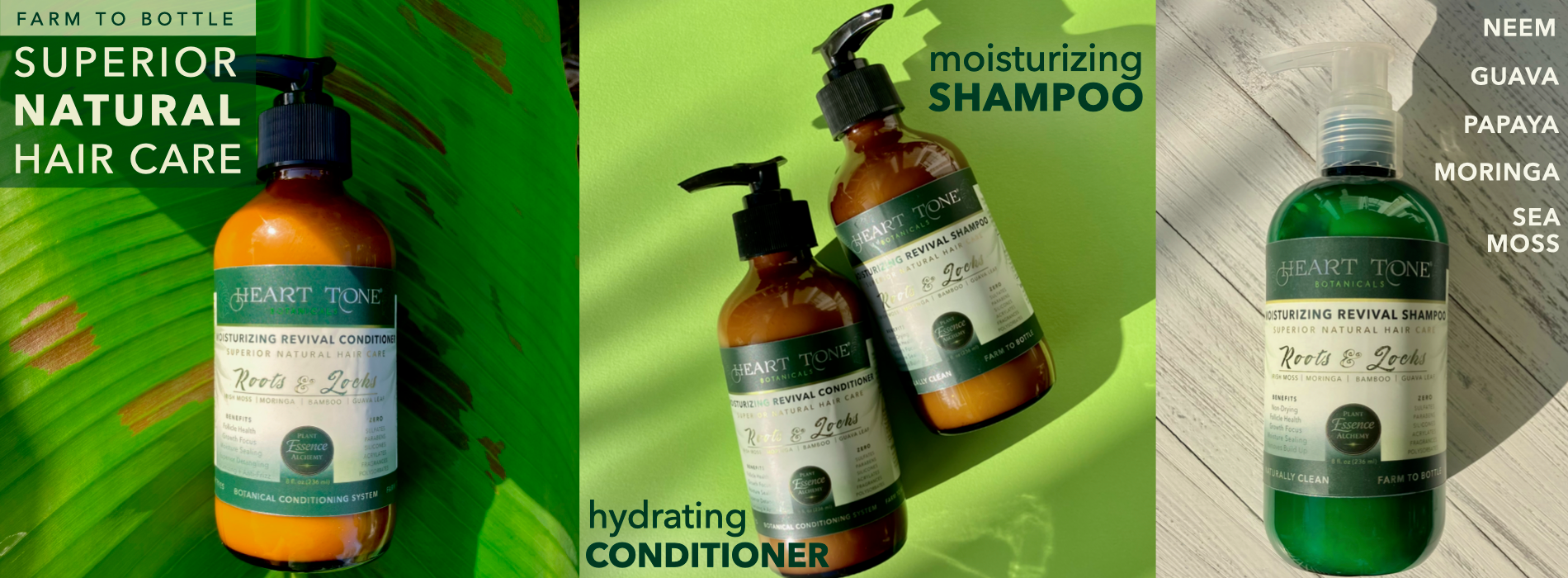
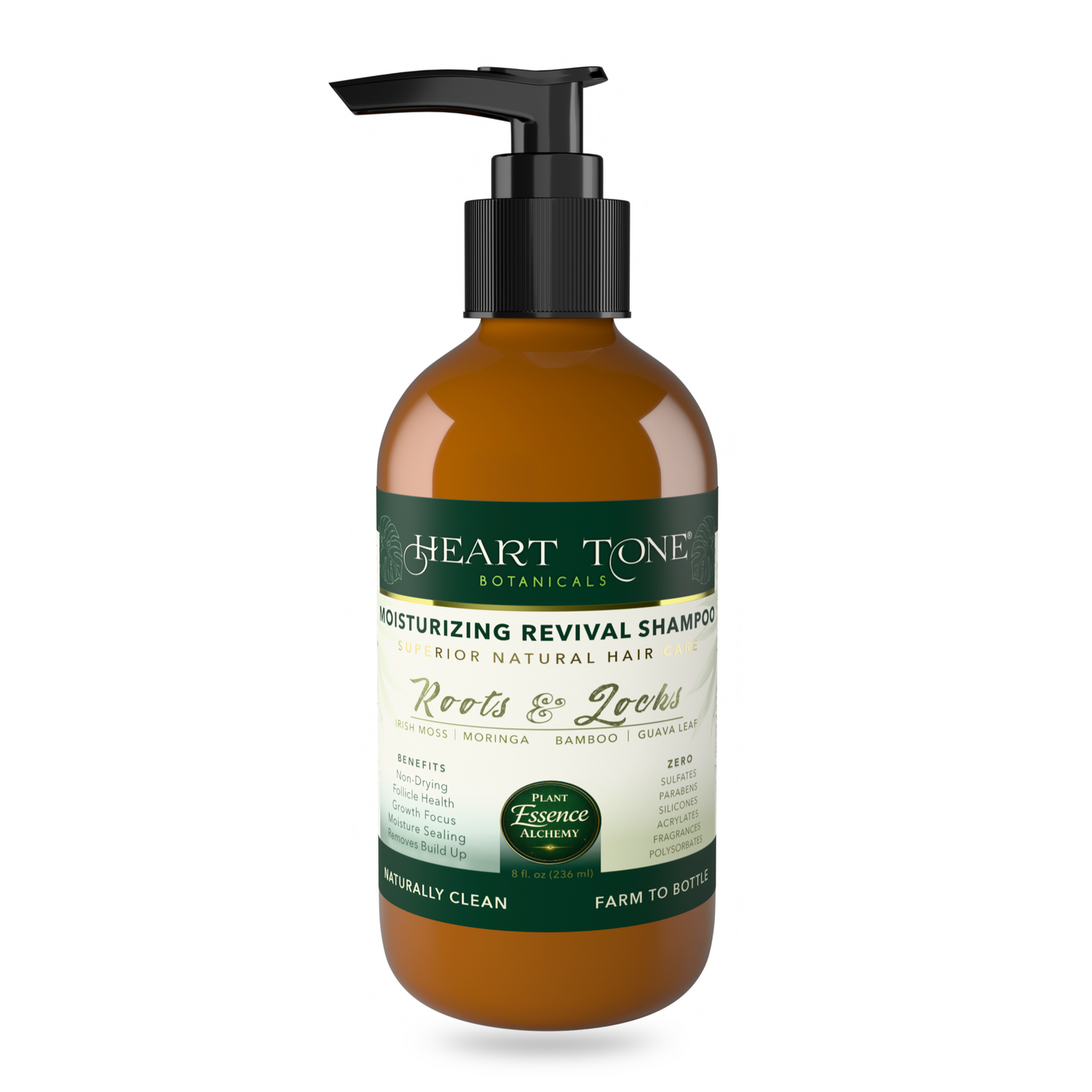
Roots & Locks Moisturizing Revival Shampoo uses botanical extracts sourced from Heart Tone Botanicals' working biodynamic farm in Vero Beach, Florida — where moringa, papaya, neem, guava, and aloe are grown pesticide-free and harvested to order. The difference in extract quality is meaningful: fresher plant material contains higher concentrations of the amino acids, enzymes, and polyphenols that make these botanicals effective.
The Full Botanical Profile: What's in Roots & Locks Shampoo
Moringa and papaya lead the formula, but they don't work alone. Here's the complete botanical system:
- Moringa Leaf Extract — amino acid-rich hair strengthening botanical
- Papaya Leaf Extract — scalp-clearing papain enzyme for cleaner follicles
- Neem Leaf Extract — scalp botanically active and Traditional Botanical Extracts
- Aloe Leaf Juice Extract — moisture retention and scalp soothing
- Radish Root Ferment + Lactobacillus Ferment — probiotic ferments that support scalp microbiome balance and a healthy pH environment
- Irish Moss Extract — a sea botanical rich in carrageenan that coats and smooths the hair shaft, reducing frizz and adding softness
- Bamboo Ferment — silica-rich plant ferment for hair strength
- Organic Rosemary CO2 Extract — clinically studied botanical for scalp circulation (the same rosemary compound increasingly referenced in hair growth discussions)
- L-Arginine — amino acid that supports nitric oxide production at the scalp, which supports healthy blood flow to follicles
- Pisum Sativum (Pea) Peptide — plant protein that strengthens the hair shaft at the cortex level
- Coco Taurate (cleansing base) — a sulfate-free, plant-derived surfactant that removes buildup without stripping natural scalp oils
Scalp Microbiome: The Missing Piece in Hair Care
The scalp microbiome — the community of bacteria and fungi living on your scalp — is increasingly understood to be central to scalp and hair health. When the microbiome is unbalanced (dysbiosis), the result is dandruff, excess oil, follicle inflammation, and in chronic cases, accelerated hair thinning.
Most conventional shampoos are designed to clean the scalp, but they're not formulated to support the microbiome. Harsh surfactants strip the scalp's natural oils, disrupting the acid mantle (the scalp's natural pH defense layer) and creating conditions for opportunistic yeast and bacteria to overgrow.
Roots & Locks Shampoo takes a different approach: probiotic ferments (Radish Root Ferment and Lactobacillus Ferment) help establish a healthy pH environment and support the scalp's natural bacterial balance. The lactic acid in the formula maintains an acidic pH that discourages harmful overgrowth while allowing beneficial flora to thrive.

How to Use a Moringa Botanical Shampoo for Best Results
The key to getting the most from a high-concentration botanical shampoo is a double-wash protocol:
- First wash: Apply a generous amount to wet hair and scalp. This first application breaks down oil, buildup, and product residue — it may not lather much, and that's expected. The surfactants are working on sebum and impurities rather than lathering.
- Second wash: Rinse thoroughly, then apply a second round. This wash delivers the rich lather and allows the botanical actives — moringa, papaya leaf, rosemary CO2, L-arginine — to work without the barrier of buildup. This is when the real scalp nourishment happens.
- Rinse fully. Rinse until the water runs completely clear. Residue left on the scalp can contribute to the buildup you're working to clear.
For a complete scalp-care ritual, follow with Roots & Locks Moisturizing Revival Conditioner — which continues the botanical work with pea peptides, shea butter, Irish moss, and the same botanical extract profile.
What Makes a Good Natural Moringa Shampoo
Not all moringa shampoos are equal. When reading labels, look for:
- Moringa listed near the top of the ingredient list — not buried in the last 5% of the formula (where it's essentially a marketing claim)
- Sulfate-free cleansing base — coco glucoside, coco taurate, or coco betaine are common gentle alternatives to SLS/SLES
- Probiotic or fermented ingredients — these indicate the formula was designed for microbiome support, not just surface cleaning
- No synthetic fragrance — synthetic fragrance is a common scalp irritant that can undo the soothing work of botanical extracts
- CO2 or full-spectrum extracts where possible — CO2 extraction preserves more of the plant's active compound profile than conventional water or alcohol extraction
Frequently Asked Questions
Is moringa shampoo good for all hair types?
Yes. Moringa's amino acid profile and Traditional Botanical Extracts benefit all hair types — straight, wavy, curly, coily, fine, or thick. The scalp health benefits are universal because every hair type grows from a follicle embedded in a scalp that needs a clean, balanced environment.
Can papaya leaf extract help with dandruff?
Papaya leaf's papain enzyme helps clear the keratin buildup and excess sebum that create conditions for dandruff-causing yeast (Malassezia) to thrive. Combined with probiotic ferments that support scalp microbiome balance, this is a meaningful approach to dandruff — not just cosmetic coverage of flakes.
What does rosemary CO2 extract do in shampoo?
Rosemary extract (specifically rosemary CO2, which preserves more active compounds than water-extracted rosemary) has been studied for its effects on scalp circulation and follicle health. A 2023 clinical study comparing rosemary oil to minoxidil found comparable hair count improvements — making rosemary one of the most compelling plant-based hair growth support ingredients. CO2 extraction delivers a higher concentration of the active compounds (particularly ursolic acid and carnosic acid) than conventional rosemary oil or infusion.
Why should shampoo be used twice in a row?
The first wash breaks down accumulated oils, product residue, and scalp buildup. The second wash allows actives to work directly on a cleaner scalp surface — delivering better penetration and more effective botanical contact with the follicle. This is especially important for high-activity botanical shampoos where follicle penetration is the goal.

Leave a comment
This site is protected by hCaptcha and the hCaptcha Privacy Policy and Terms of Service apply.