

You've decided to make the switch to natural deodorant. Maybe it was a documentary that made you question what's actually in your antiperspirant. Maybe your skin started reacting to conventional formulas. Or maybe you're just done putting aluminum compounds in your armpit every morning.

Whatever brought you here, here's the honest truth: switching to natural deodorant is one of the most worthwhile personal care changes you can make — and one of the most misunderstood. Most people quit too early. This guide will make sure you don't.
Why Switching to Natural Deodorant Feels Hard at First
Conventional antiperspirants work by plugging your sweat glands with aluminum salts. When you stop using them, your body doesn't suddenly become odor-free — it takes time to recalibrate. During that recalibration window (typically 2–4 weeks), you may notice:
- More sweat than usual — your glands are no longer physically blocked
- Temporary increase in odor — your underarm microbiome is rebalancing
- Changes in sweat texture or smell — this is normal and temporary
This adjustment period isn't your body "detoxing." It's your sweat glands doing what they're supposed to do — and your skin microbiome adapting to a new environment. Understanding this upfront is the difference between people who successfully transition and people who give up in week two.
The 4-Week Transition: What to Expect Week by Week
Week 1: The Honeymoon
Many people feel fine in week one. Your body still has aluminum residue from your old antiperspirant, and the novelty of a new product keeps expectations high. Enjoy it — and use this time to establish your new routine.
Week 2: The Hard Part
This is where most people quit. Old product residue has cleared, your sweat glands are running at full capacity, and your skin bacteria are still shifting. Odor may be stronger and more unfamiliar than usual. Stay the course. This is temporary.
Week 3: The Turning Point
Your underarm microbiome is finding its new equilibrium. Many people notice a real improvement this week — less intensity, more predictable freshness. Reapplication needs start dropping.
Week 4: The New Normal
By week four, most people have found their rhythm. Their natural deodorant is working the way it's supposed to — not blocking sweat, but managing the bacteria that cause odor. This is sustainable, long-term freshness without synthetic chemicals.
How to Support the Transition
1. Wash Your Underarms Thoroughly
This sounds obvious, but it matters more during transition. Use a gentle castile soap — like Heart Tone's Herbal Castile Liquid Soap or Faithfully Pure Hands Castile Liquid Soap — to cleanse the underarm area completely each day. Castile soap rinses clean without leaving residue, which is exactly what you want during this phase.
2. Exfoliate Gently Once or Twice a Week
Dead skin cells and old product buildup can trap odor-causing bacteria. A gentle exfoliation session once or twice a week during the transition helps your skin stay clean and receptive. Heart Tone's Moroccan Exfoliating Black Soap is excellent for this — it's a traditional Beldi soap that gently removes buildup while conditioning the skin.
3. Apply to Clean, Dry Skin
Natural deodorants can't do their job effectively when competing with bacteria on damp or dirty skin. Apply yours immediately after washing and patting dry.
4. Start During a Lower-Stakes Week
If you can, begin your transition during a vacation, work-from-home stretch, or lighter social schedule. The transition period is easier when you're not self-conscious about an important presentation or event.
5. Reapply as Needed (Especially in Week 2)
Natural deodorant doesn't last 72 hours. Plan for once or twice daily application, and reapply after heavy exercise. A small amount goes a long way — most natural deodorant formulas only need a pea-sized amount per underarm.
Choosing the Right Natural Deodorant for Your Body Chemistry
One of the most important things to understand is that natural deodorant is not one-size-fits-all. Body chemistry varies dramatically — what works for your friend may not work for you, and that's okay.
The Baking Soda Question
Baking soda is effective at neutralizing odor, but it has a high pH that can irritate sensitive skin — causing redness, rash, or burning for some people. If you have sensitive underarms or have experienced irritation from natural deodorants before, look for baking-soda-free formulas.
Bioactive vs. Traditional Natural Deodorant
Heart Tone Botanicals takes a different approach with its Bioactive Deodorant line. Rather than just masking odor, the Bioactive formulas work with your skin's natural biology — using plant-based actives to support the beneficial bacteria that keep odor in check. It's a more thoughtful approach than simply swapping one chemical formula for a "natural" one.

Heart Tone offers several Bioactive Deodorant varieties to match different preferences:
- The Classic Bioactive Deodorant — a reliable, clean-scented everyday formula for those new to natural deodorant
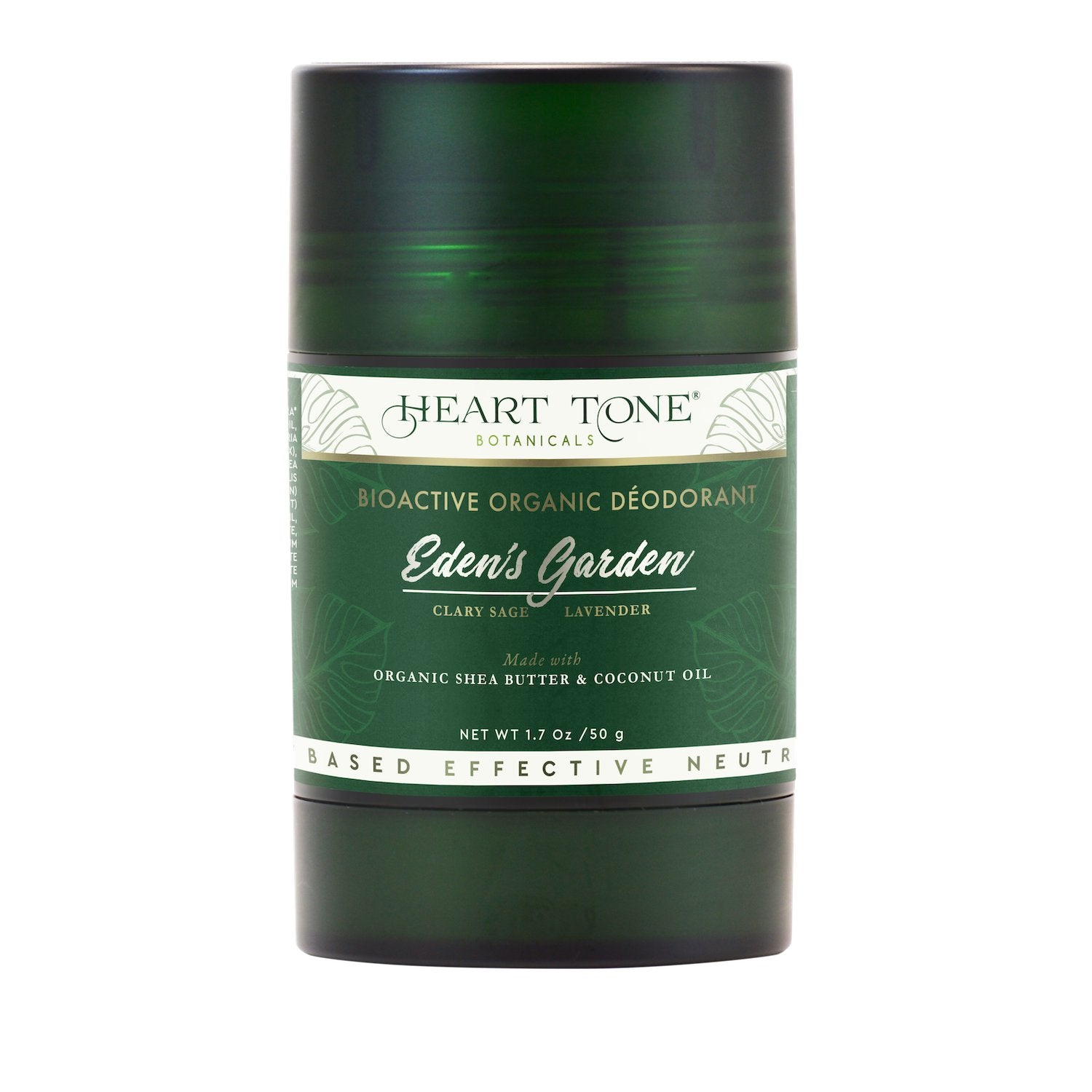
- Eden's Garden Bioactive Deodorant — botanical and floral, ideal for sensitive skin
- Gentleman's Reserve Bioactive Deodorant — a grounded, woodsy option for those who prefer masculine-leaning scents
- Grove Island Bioactive Deodorant — fresh and tropical, reminiscent of clean outdoor air
- Jamaica Estate Bioactive Deodorant — warm and earthy, deeply botanical
If you're unsure where to start, The Classic or Eden's Garden are the most accessible entry points, especially for people with reactive skin.
What to Do If You Develop a Rash
A rash during the transition period is usually not a "detox reaction" — it's typically a sign of one of three things:
- Baking soda sensitivity — try a baking-soda-free formula
- Fragrance sensitivity — look for unscented or minimally scented options
- Shaving irritation — avoid applying deodorant immediately after shaving; wait 20–30 minutes
If irritation persists for more than a week despite switching formulas, see a dermatologist. You may be dealing with contact dermatitis that needs topical treatment.
After the Transition: What Long-Term Use Looks Like
Once you've made it through the adjustment period, natural deodorant becomes second nature. Most long-term users report:
- Less overall body odor than when they used conventional antiperspirant (your microbiome has rebalanced)
- Better skin in the underarm area — less irritation, fewer ingrown hairs, softer skin
- A more consistent sweat pattern — your body regulates temperature more naturally without blocked glands
The payoff for getting through weeks two and three is a genuinely better baseline — not just for odor, but for your skin's overall health.
Building a Complete Natural Body Care Routine
Natural deodorant works best as part of a broader commitment to cleaner body care. Pairing it with plant-based cleansers and moisturizers creates a consistent environment for your skin microbiome to thrive.
Consider completing your routine with:
- Heart Tone's Ancient Organic Soaps for daily cleansing — handcrafted bar soaps made with organic oils and no synthetic detergents
- Botanical Renew Body Butter for post-shower moisture — a rich, plant-based moisturizer that absorbs clean without synthetic fragrance or petrolatum
- Botanical Skin Gel for lighter all-over hydration — especially useful in summer months when heavy butters feel like too much
Explore the full Heart Tone Body Care collection to build a routine that matches your skin's needs.
The Bottom Line
Switching to natural deodorant is not complicated — but it does require a few weeks of patience and the right expectations. The temporary discomfort of the transition period is real, but it's also temporary. What's on the other side is a cleaner, more transparent approach to your daily routine — and skin that's not fighting against aluminum compounds every morning.
Start with the right product, support your skin with clean cleansers, and give your body the time it needs. The adjustment will pass. The benefits won't.
Browse Heart Tone's full Natural Deodorant collection and find the formula that fits your body chemistry.
Try It: HTB Bioactive Deodorant
Heart Tone Botanicals' Bioactive Deodorant line is baking soda-free and aluminum-free — formulated with colloidal silver, botanical actives, and farm-grown ingredients that neutralize odor without irritating sensitive skin.

Leave a comment
This site is protected by hCaptcha and the hCaptcha Privacy Policy and Terms of Service apply.