

You've probably seen the skin barrier conversation everywhere — on skincare forums, on your favorite clean beauty accounts, in product launches from every direction. And yet, most people still don't know what the skin barrier actually is, why it breaks down, or what a natural face serum can realistically do to help repair it.

This post is a straight answer to those questions. No fluff, no ingredient list that reads like a chemistry textbook. Just what the skin barrier does, why it gets damaged, and what to look for in a plant-based serum that actually supports it.
What Is the Skin Barrier — And Why Does It Break?
Your skin barrier (technically the stratum corneum) is the outermost layer of your skin. Think of it as a brick wall: the skin cells are the bricks, and a mix of lipids — ceramides, fatty acids, and cholesterol — act as the mortar holding everything together. When that mortar is intact, your skin holds moisture, keeps irritants out, and feels comfortable and resilient.
When the barrier is compromised, you start to notice:
- Dryness and tightness that moisturizer doesn't fully fix
- Redness, flaking, or sensitivity that wasn't there before
- Products that used to feel fine now sting or cause irritation
- Breakouts that seem random or cyclical
- Skin that looks dull even when you're consistent with your routine
Barrier damage is shockingly common — and often caused by things we do in the name of good skincare. Over-exfoliation, strong actives used too frequently, harsh cleansers, fragrance overload, or simply a routine with too many steps can all strip the lipid matrix that holds the barrier together.
Environmental stressors like UV, pollution, dry climates, and seasonal transitions compound the problem. And once the barrier is down, every product in your routine — including serums you're counting on to help — can feel like salt in the wound.
Where a Natural Face Serum Fits In (And Where It Doesn't)
A serum is a concentrated, lightweight delivery vehicle. The advantage over a moisturizer is penetration depth and active concentration — you're getting a higher dose of targeted ingredients in a lighter texture that absorbs quickly and layers well under heavier products.
For skin barrier repair specifically, a well-formulated natural serum can:
- Flood the skin with humectants that pull water into the epidermis and reduce transepidermal water loss (TEWL)
- Deliver soothing botanicals that calm inflammation and redness at the surface level
- Provide barrier-mimicking lipids that help rebuild the mortar between skin cells
- Act as a primer for your moisturizer, giving it something hydrated to lock in rather than trying to hydrate dry, damaged skin from scratch
What a serum can't do is replace a compromised barrier overnight. Recovery takes consistency — usually 2-4 weeks of barrier-friendly products and reduced aggression toward your skin. The serum is one piece of that puzzle, not the whole solution.
What to Look For in a Natural Face Serum for Barrier Support
Not all "natural" or "botanical" serums are created equal when it comes to barrier repair. Here's what actually matters:
1. Humectants That Go Deeper Than the Surface
Hyaluronic acid is well-known, but it works best when it can draw moisture from below the surface rather than just sitting on top. Look for low molecular weight HA, glycerin, or plant-based alternatives like aloe vera and beta-glucan — ingredients that pull hydration from within and hold it in the epidermis where TEWL is happening.
2. Soothing Botanicals With Anti-Inflammatory Properties
A damaged barrier is an inflamed barrier. Ingredients like centella asiatica (cica), oat extract, green tea, chamomile, and sea buckthorn all have documented calming effects that reduce the surface irritation while the barrier works to rebuild itself. These aren't decorative — they're functional.
3. Plant-Based Lipids and Barrier-Mimicking Fatty Acids
A serum doesn't need to be an oil to carry barrier-supporting lipids. Squalane, sea buckthorn oil, and evening primrose — even in small concentrations — provide the fatty acid profile that replenishes what a compromised barrier is missing. These are the ingredients that make a serum feel like it's working, not just sitting on the surface.
4. A Short, Clean Ingredient List
This is where "natural" matters most for barrier-damaged skin. Every ingredient is a potential irritant when the barrier is down. A shorter, cleaner formula reduces the risk of a reaction and makes it easier to identify what's helping and what's not. Avoid serums with heavy fragrance loads, high concentrations of essential oils, or long lists of undisclosed "blend" components.
5. No Aggressive Actives During Recovery
Save the vitamin C, retinoids, AHAs, and BHAs for when your barrier is healthy and intact. During repair, those ingredients — even effective ones — are working against you. A barrier-repair serum should be hydrating and soothing, not exfoliating or brightening.

Our Pick: The Dynamic Hydrogel Face Serum
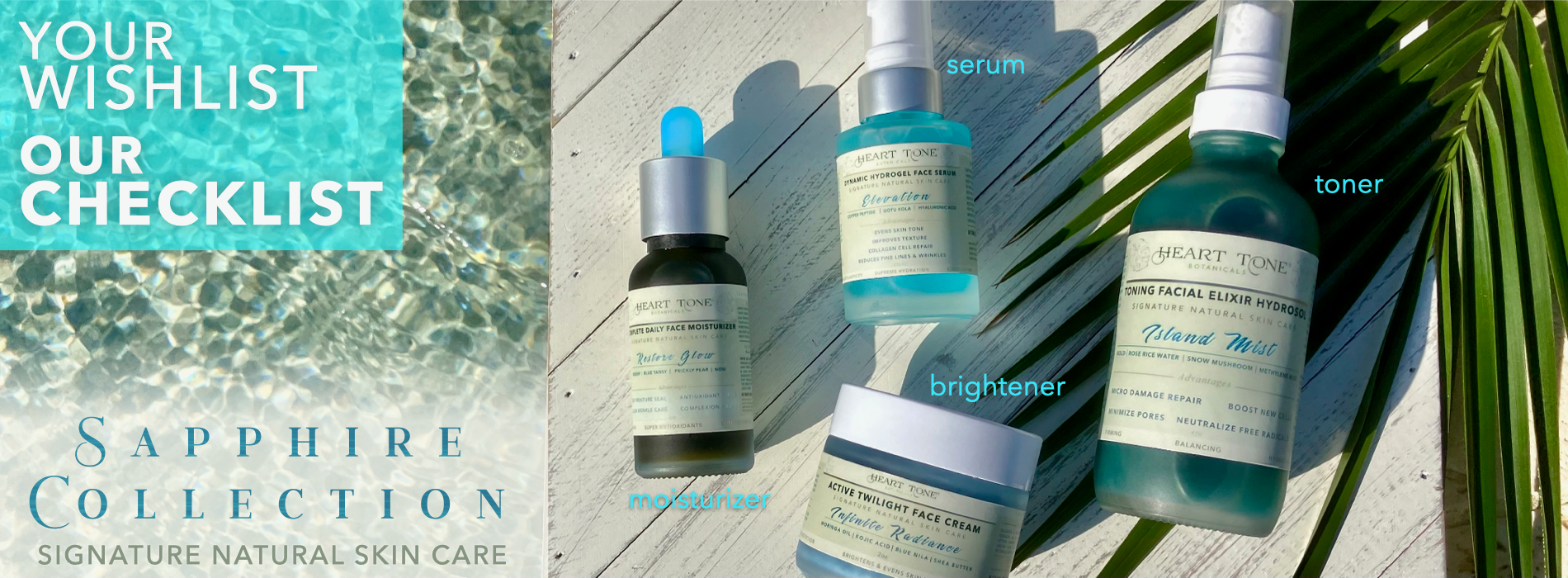
Heart Tone Botanicals' Dynamic Hydrogel Face Serum was formulated with exactly this philosophy: deep hydration, barrier support, and botanical intelligence — without the unnecessary complexity that can backfire on sensitive or recovering skin.
The hydrogel format matters. Unlike traditional oil-heavy serums that can sit on the surface or traditional water serums that evaporate quickly, a hydrogel creates a breathable moisture matrix that delivers hydration in slow, sustained layers. Your skin gets the hydration it needs without the occlusion that can trigger congestion.
Paired with the Island Mist Toning Facial Elixir Hydrosol — which preps and hydrates the skin before serum application — you get a two-step delivery system that amplifies how well the serum absorbs and performs. The hydrosol opens the door; the serum walks through it.
The Right Routine for Barrier Repair
A serum works best in context. Here's the simplified barrier-repair routine framework that works for most people:
- Gentle cleanse. Nothing foaming, stripping, or fragranced. The goal is to remove what needs to come off without removing anything that should stay.
- Hydrosol or toner. A botanical mist like the Island Mist Hydrosol primes skin and starts the hydration cascade before serum.
- Serum on damp skin. Applying the Dynamic Hydrogel Serum while your face is still slightly damp helps it absorb evenly and traps the surface moisture you just applied.
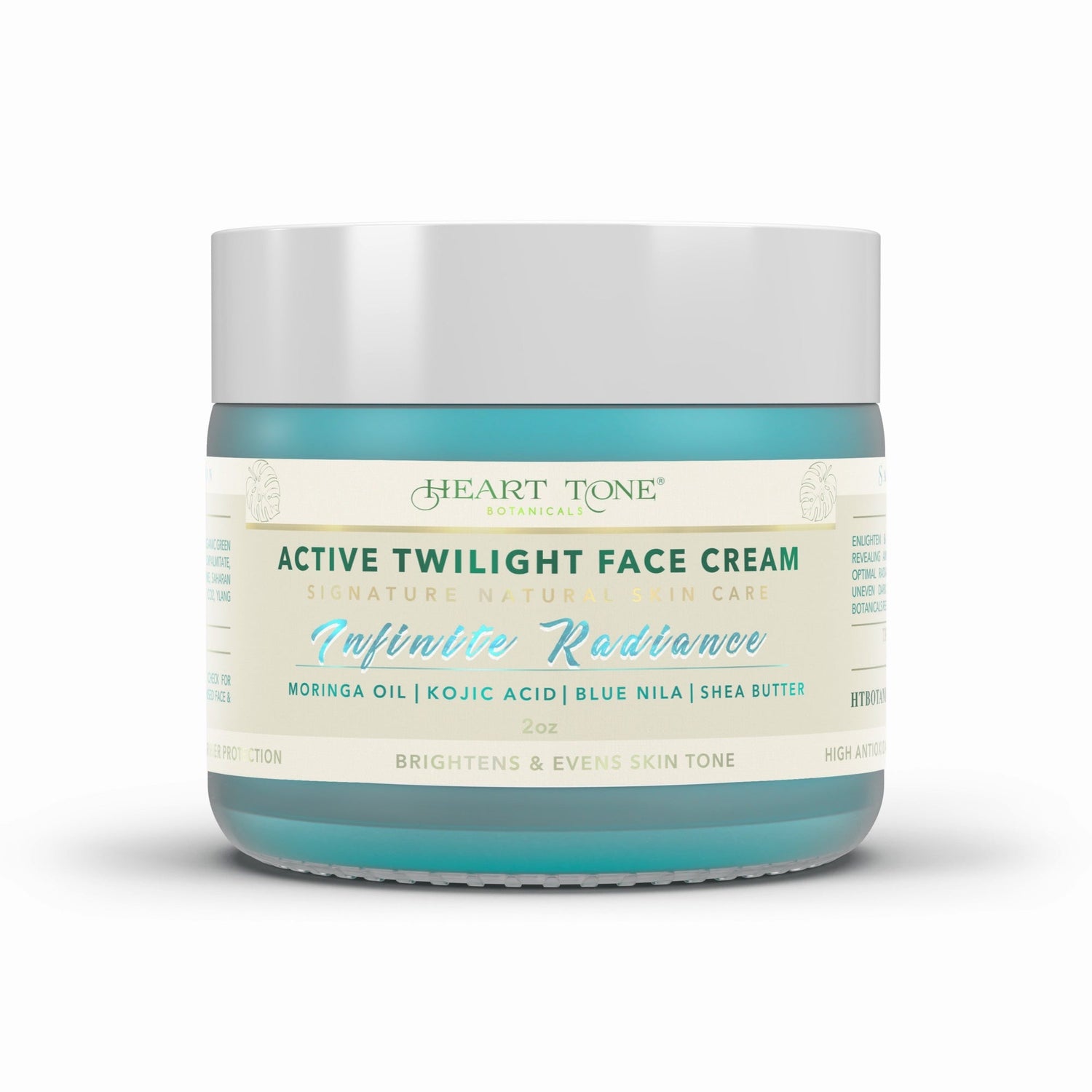
- Moisturizer to seal. The Complete Daily Face Moisturizer or Active Twilight Face Cream locks in the serum layer and provides the occlusive top coat your barrier needs to retain what you've delivered.
- SPF in the AM. UV is the fastest way to re-damage a barrier you're trying to heal. Don't skip it.
Heart Tone's AM/PM Face System and Complete Face Ritual bundle these steps into a cohesive routine if you prefer not to piece it together yourself.
How Long Does It Take to Repair the Skin Barrier?
Most people see noticeable improvement in skin comfort — less tightness, less reactive behavior — within 1-2 weeks of a barrier-focused routine. Full structural repair of the lipid matrix, where your skin returns to baseline resilience and looks healthy consistently, typically takes 4-6 weeks.
The biggest variable is what you stop doing. If you keep using the exfoliants or actives that damaged the barrier in the first place, even the best restorative serum won't be able to keep pace. Recovery means a period of simplicity: fewer steps, gentler products, and letting the skin do what it does naturally when you stop fighting it.
The Natural Serum Question Worth Asking
When you're looking at the "natural face serum" category, the real question isn't "is it natural?" — it's "does it respect the barrier?" Natural doesn't automatically mean gentle. Certain essential oils, acids, and plant extracts that appear on clean beauty ingredient lists can still irritate a compromised barrier.
What you want is a serum with a clear, traceable ingredient story — one where every item on the list is doing something purposeful, derived from clean sources, and appropriate for skin that needs support rather than stimulation.
That's the standard Heart Tone Botanicals builds to. Farm-sourced botanicals, simple formulas, no synthetic fragrance, no hidden complexity. Just what your skin actually needs.
Browse the full facial care collection and find the serum, moisturizer, and ritual that fits where your skin is right now.
Try It: Dynamic Hydrogel Face Serum
Heart Tone Botanicals' Dynamic Hydrogel Face Serum is formulated specifically for skin barrier repair — copper peptides, hyaluronic acid, probiotic ferment, pea peptides, and green tea for deep cellular hydration and lasting skin resilience.

Leave a comment
This site is protected by hCaptcha and the hCaptcha Privacy Policy and Terms of Service apply.