

The Tiny Ecosystem Running Your Mouth — And Why Most Toothpastes Destroy It
Your mouth is home to more than 700 species of bacteria, fungi, and other microorganisms — all living together in a carefully balanced ecosystem called the oral microbiome. Most people have never heard of it. And most conventional oral care products treat it like a problem to be eliminated rather than a community to protect.

That single misunderstanding may be behind a lot of persistent bad breath, frequent cavities, bleeding gums, and chronic sensitivity — the kinds of issues that don't fully resolve no matter how often you brush.
Here's what the science actually says about your oral microbiome, why balance matters more than sterility, and what to look for in a toothpaste that works with this ecosystem instead of against it.
What Is the Oral Microbiome?
The oral microbiome is the full community of microorganisms that live in your mouth — on your teeth, gums, tongue, cheeks, and in the small crevices around your gumline. It is one of the most complex microbial communities in the human body, second only to the gut.
Most of these microbes are not harmful. In a healthy mouth, beneficial and neutral bacteria dominate and keep disease-causing species in check. This balanced state is called homeostasis — and it is the actual goal of good oral health.
The mouth isn't supposed to be sterile. It never has been. The idea that we need to "kill 99.9% of bacteria" was a marketing concept, not a dental health standard. In reality:
- Beneficial bacteria produce substances that protect enamel and fight pathogens
- A balanced microbiome regulates acid levels, preventing enamel erosion
- Healthy oral bacteria help maintain proper saliva composition and support the gumline
- Some oral microbes even support immune function and help with digestion upstream of the gut
When balance is disrupted — a state called dysbiosis — harmful species overgrow. Acid-producing bacteria like Streptococcus mutans multiply, attack enamel, and cause cavities. Anaerobic bacteria at the gumline trigger inflammation that leads to gingivitis and eventually periodontitis. And the breakdown of the oral microbiome doesn't just stay in your mouth.
The Mouth–Body Connection
Research over the last two decades has made the oral microbiome impossible to ignore. Chronic oral dysbiosis — disrupted bacterial balance — has been linked to:
- Cardiovascular disease: Oral bacteria from inflamed gums can enter the bloodstream and have been found in arterial plaques
- Type 2 diabetes: Periodontal disease worsens blood sugar control in a bidirectional relationship
- Rheumatoid arthritis: Certain periodontal pathogens trigger systemic inflammatory responses
- Cognitive decline: Porphyromonas gingivalis, a key periodontal bacterium, has been identified in the brains of Alzheimer's patients
- Adverse pregnancy outcomes: Periodontal bacteria are associated with preterm birth and low birth weight
None of this means that switching toothpaste prevents heart disease. But it does mean that what you put in your mouth twice a day — every day of your life — genuinely matters beyond your teeth.
What Disrupts the Oral Microbiome
The biggest culprits are probably already on your bathroom counter.
Sodium Lauryl Sulfate (SLS)
SLS is the synthetic detergent that makes most commercial toothpastes foam. A 2024 study in Frontiers in Microbiology found that SLS reduces biofilm biomass, alters biofilm structure, and changes oral community composition — concluding that SLS may disturb oral flora in ways worth reconsidering. SLS is also a known trigger for canker sores and oral tissue irritation in sensitive individuals.
Antibacterial Overload
Ingredients like triclosan (now largely phased out) and high-concentration alcohol in mouthwashes don't distinguish between harmful and beneficial bacteria. Chronic use of highly antiseptic rinses can strip the mouth of its protective community, leaving room for more resilient, harmful species to fill the vacuum.
Diet and Sugar
Frequent consumption of refined sugars feeds acid-producing bacteria, tipping the balance toward dysbiosis. The frequency of sugar exposure matters as much as the amount — constant sipping of sweet drinks creates extended periods of low-pH disruption.
Stress and Sleep
Systemic cortisol from chronic stress suppresses immune surveillance in the gum tissue, giving periodontal pathogens more opportunity to establish. Poor sleep similarly reduces the body's microbial defense systems.
What Supports a Healthy Oral Microbiome
Supporting oral microbiome health isn't complicated — but it does require thinking differently about what oral care products are for.

Choose SLS-Free Formulas
SLS-free toothpastes clean effectively without the microbiome-disrupting surfactant. Look for gentler cleaning agents derived from plant sources that remove debris without stripping the oral environment.
Look for Ingredients That Support — Not Just Kill
The best-researched microbiome-friendly ingredients include:
- Xylitol: Selectively inhibits S. mutans without broad-spectrum antimicrobial activity; supports mineral uptake from saliva
- Hydroxyapatite: The mineral form of tooth enamel; supports remineralization without disrupting microbial balance
- Plant-based antimicrobials at appropriate concentrations: Botanical ingredients like neem, clove, and calendula have targeted activity rather than blanket sterilization
- Colloidal minerals: Mineral-rich formulas can support the remineralization environment that beneficial bacteria help create
Oil Pulling as a Prebiotic-Style Practice
Oil pulling — swishing a tablespoon of oil in the mouth for 10–20 minutes — has a long history in Ayurvedic practice and a growing body of research support. Rather than sterilizing the mouth, oils like sesame, coconut, and specialized botanical blends work by mechanical removal of bacteria and biofilm from oral surfaces, without altering the microbial balance the way alcohol-based rinses can.
Hydration and Diet
Saliva is the mouth's natural microbiome support system. It delivers minerals, neutralizes acids, and carries immune proteins to every surface. Staying well hydrated, chewing food properly, and minimizing between-meal snacking all help maintain the salivary flow that a healthy oral ecosystem depends on.
Heart Tone Botanicals and the Oral Microbiome
Every oral care product in the Heart Tone line was formulated with this philosophy at its core: support the mouth's natural defenses rather than overpower them.
The Living Crystal Toothpaste is SLS-free, fluoride-free, and built around a mineral-rich botanical formula. It cleans without stripping, supports enamel through remineralizing minerals, and uses carefully selected plant-based actives that work alongside the oral microbiome rather than against it. No synthetic detergents. No harsh antimicrobials at disruptive concentrations. Just a formula designed to leave your mouth — and its ecosystem — in better condition than it found it.
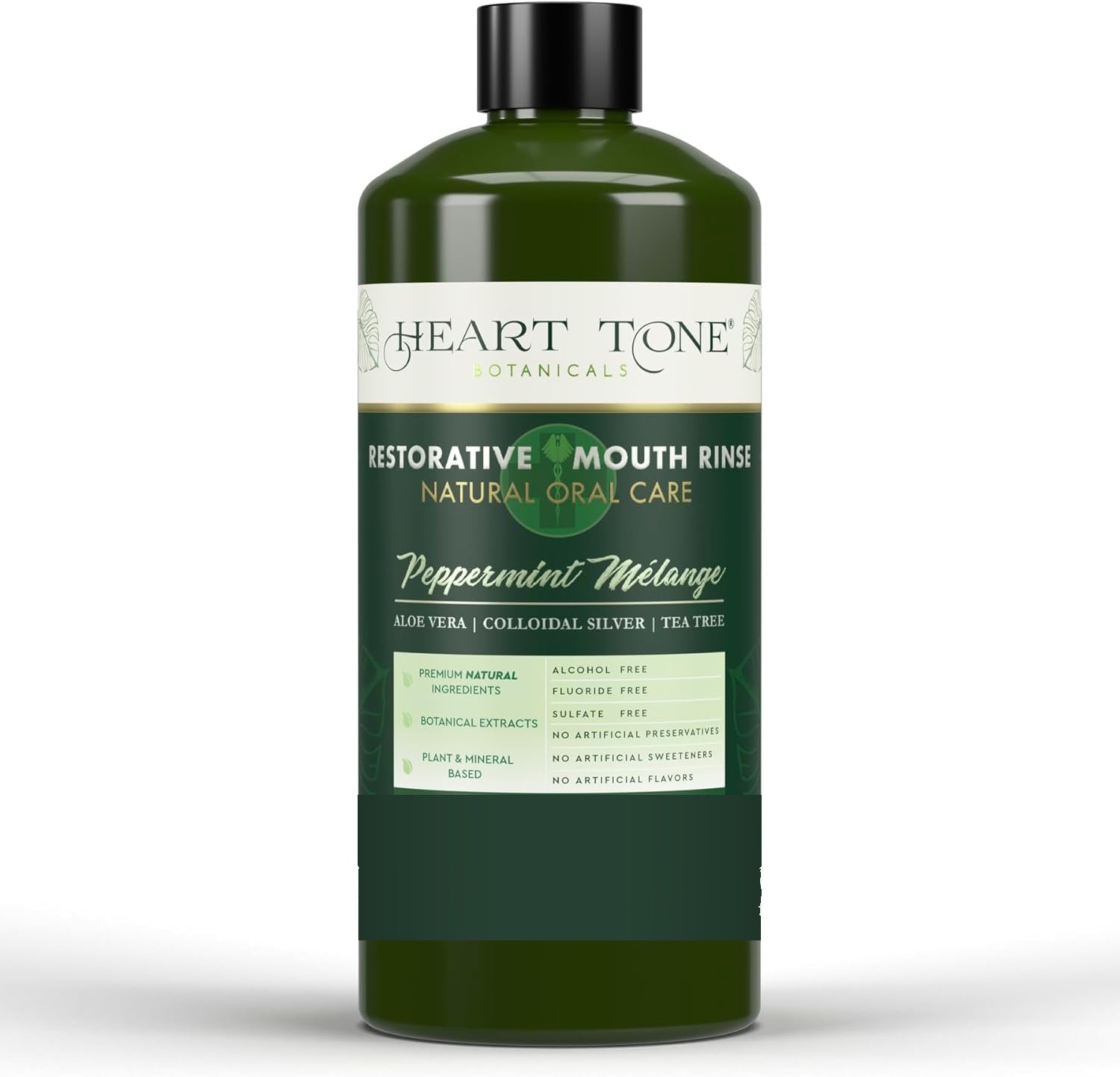
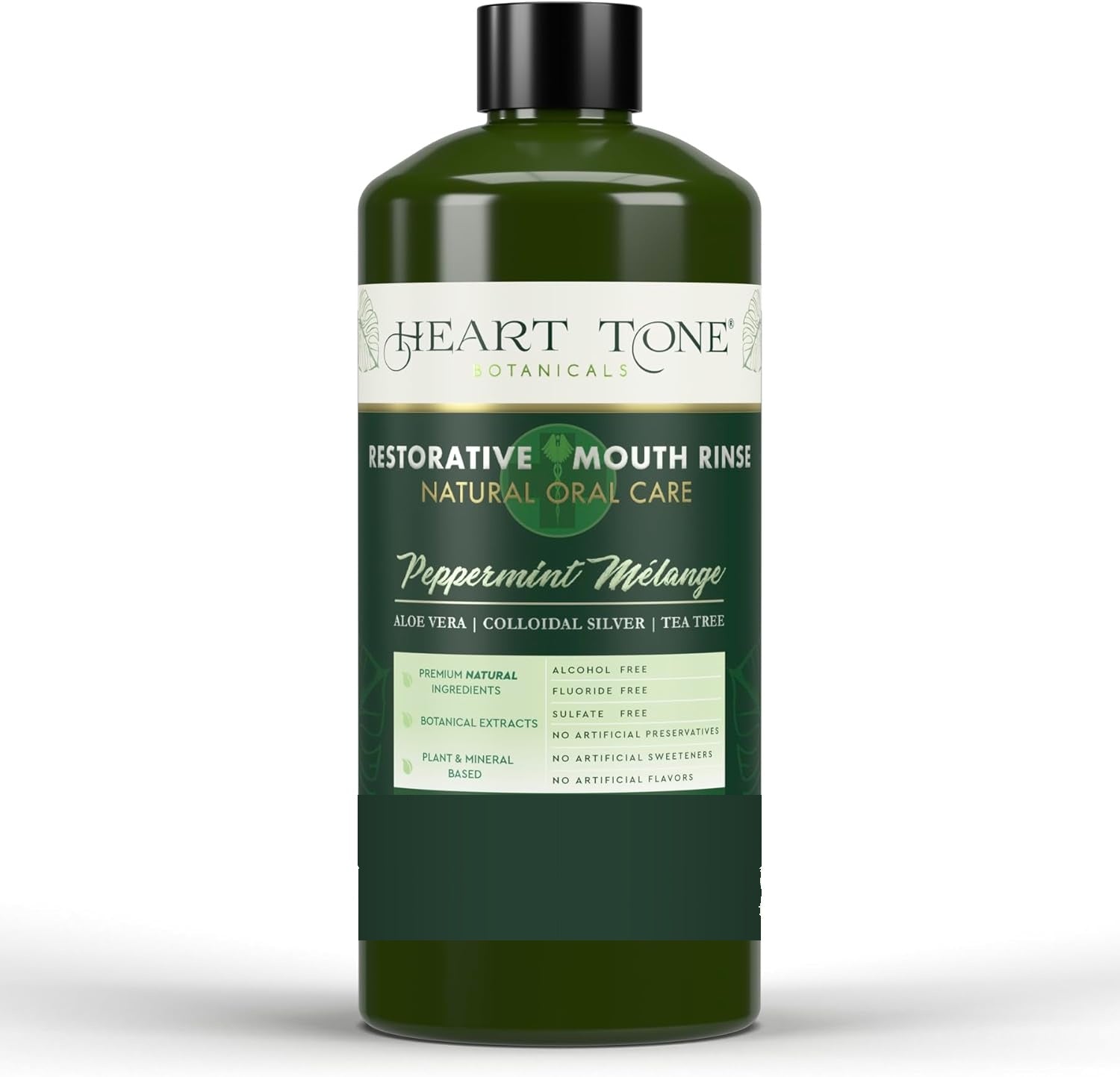
The Restorative Mouth Rinse was formulated with the same principle. Where most mouthwashes lead with high-percentage alcohol or broad-spectrum antiseptics, this rinse uses botanical actives to support gum health and freshness while preserving the microbial environment that protects your teeth.
And for those who practice oil pulling, the Antioxidant Oil Pull and Ozonated Oil Pull are formulated to work the way oil pulling is intended to work — as a supplementary morning practice that clears overnight biofilm through mechanical action without disrupting the baseline microbial balance you want to preserve through the day.
For those new to natural oral care, the Native & Free bundle is a good starting point — a complete routine built to support your mouth's natural health rather than override it.
Rethinking the Goal
Conventional oral care has been selling one story for decades: kill the bacteria, win the war. But the mouth was never a battlefield. It's an ecosystem. And ecosystems don't thrive under constant assault — they thrive when the conditions for balance are maintained.
Understanding the oral microbiome doesn't mean abandoning good hygiene. Brushing twice a day, flossing, and seeing a dentist regularly all matter. But it does mean being more thoughtful about what you brush with — and choosing products that respect the living community they're entering.
Your mouth has been protecting you since birth. The least you can do is protect it back.
Explore the full Heart Tone oral care collection at htbotanicals.com/collections/oral-care — formulated to support your oral microbiome, naturally.

Leave a comment
This site is protected by hCaptcha and the hCaptcha Privacy Policy and Terms of Service apply.